| Author |
 Replies: 7 / Views: 942 Replies: 7 / Views: 942 |
|
|
Valued Member
United States
63 Posts |
Today I got a chance to sort through some of my fathers Lincoln cents. He collected them in the 50s and 60s and he has about 3000 wheats left over. When he was collecting he just looked for dates and filled a few books. I used to do the same until about a year ago. After going through 200 of them today there was a 51D, 57D, and a 60D with filled 9s. Also, I found a 55 which seems to have some doubling on the last 5 and a 36 which I think has either metal flow or die crack across the obverse. I am new at this, would anyone be so kind as to lend an eye and clue me in on these to coins. Is it MD or DD and is it metal flow or am I in the wrong hobbie? javascript:insertsmilie('  ') Sorry for the novel. Thanks, TOM RI Image Insert: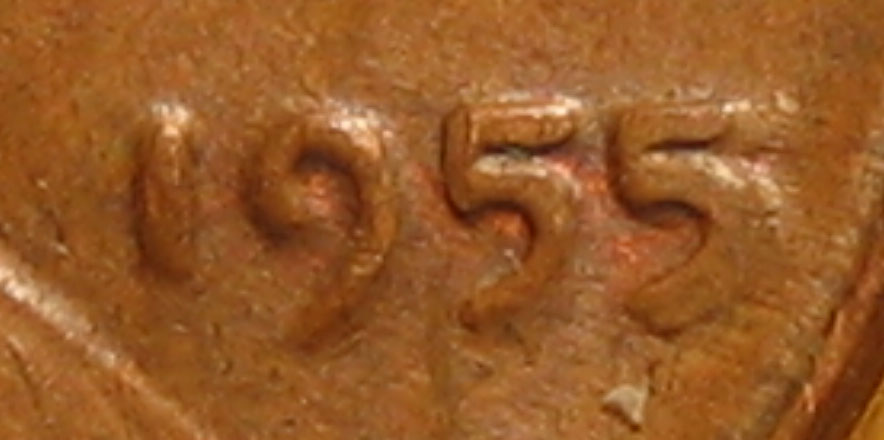 Image Insert: Image Insert: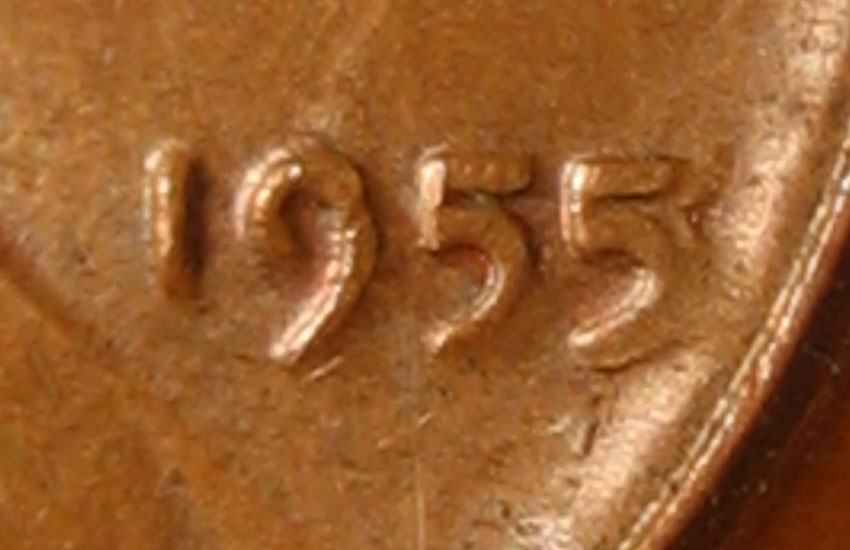 Image Insert: Image Insert: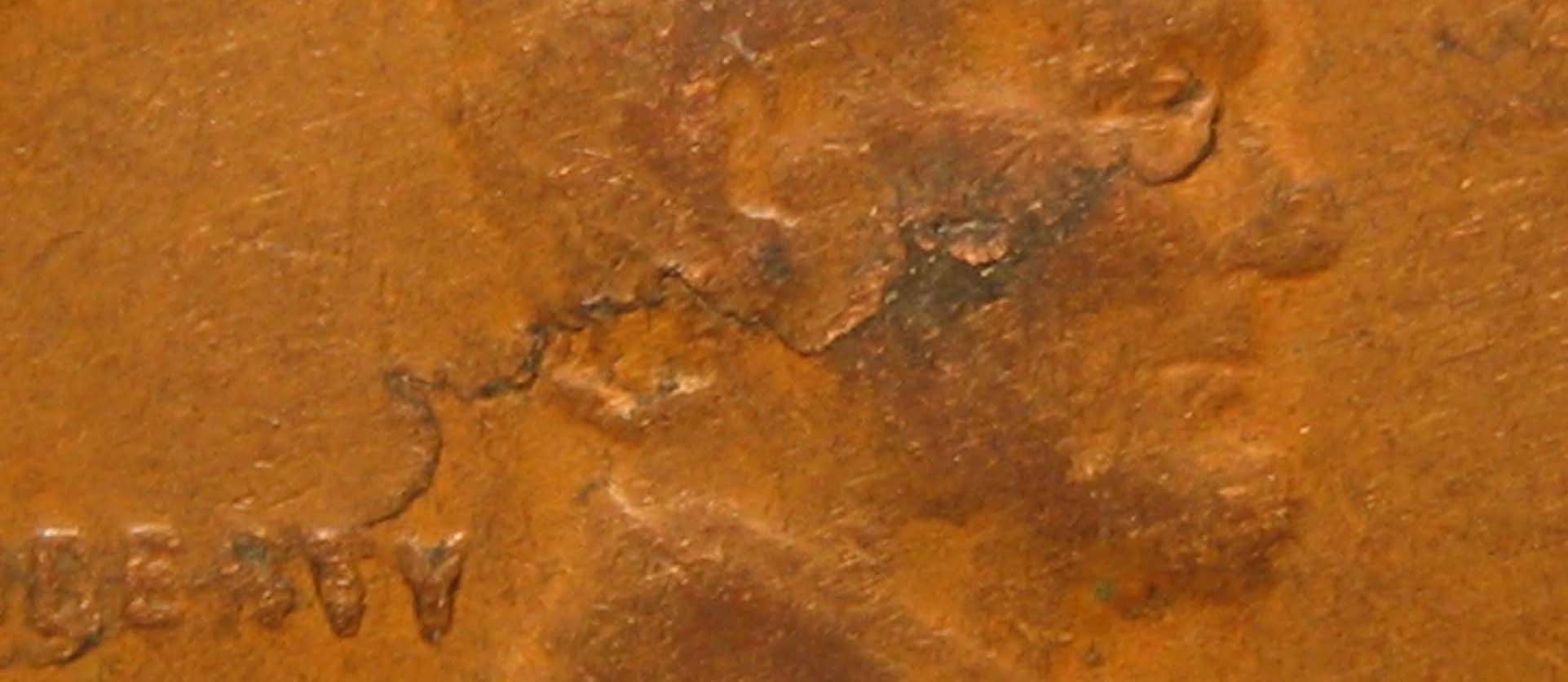 Image Insert: Image Insert: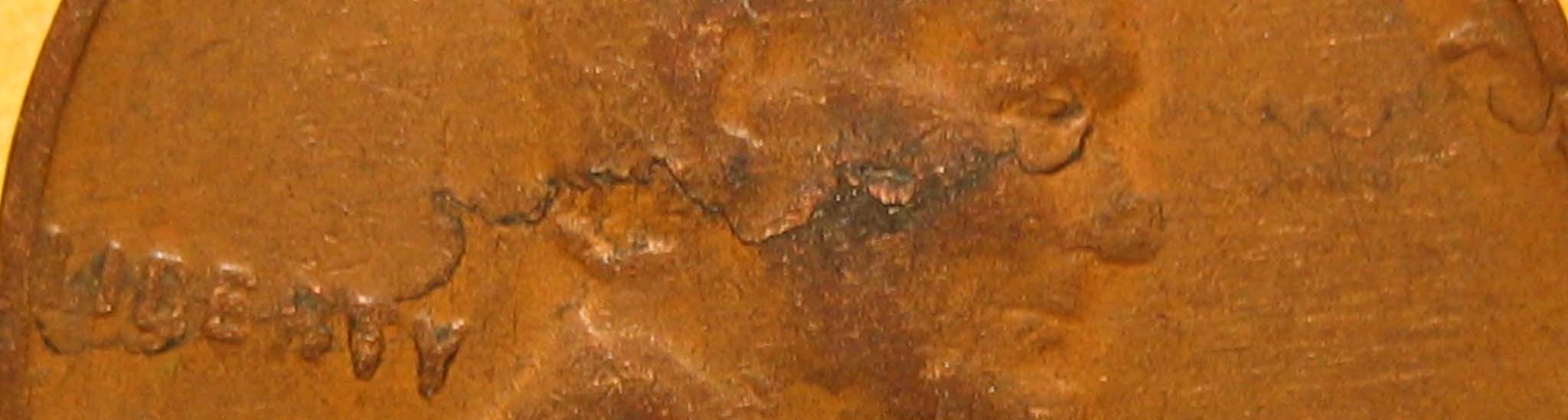 |
|
|
|
Member
United States
3242 Posts |
1st picture is a 1955 poor mans D/Die the second is bad planchet with a lamination problems.
|
|
Pillar of the Community
United States
2177 Posts |
Those were my immediate thoughts especially with the 55, I too found one and remembered this from at few different posts with pics on this forum. Same thing with lamination error. This a great forum to learn and educate ones self in this hobby. Hope you hang around and have fun on this forum tomchad. Welcome.  |
|
Pillar of the Community
United States
7629 Posts |
The problem on your first coin was caused by excessive die wear, which is very common. The outer edges of the cavities in the die which cause raised areas on the coins tends to chip away with over use of the dies. This chipping away on the die leaves raised areas on the coins.
The other coin is the effect of improperly mixed alloy to make the sheets of metal that became planchets for striking coins. The problem with the alloy mix caused layering in the metal that peels away because it is not securely bonded to the rest of the metal. This peeling can remain attached to the coin, or it can fall off altogether. It is common and is of little or no consequence in adding value to the coin. In most cases it actually removes value from the coin because purist collectors do not want coins with problems. If this had been a 1909S VDB cent, it would be worth far less than one without the same problem. Being that this is a very common 1936 cent in at best F12 condition, it's value is undeterred and the coin remains an interesting curiosity.
|
|
Valued Member
 United States
63 Posts |
Thanks for the great info. Poor mans 55 d/d is great, my father grew up in a poor section of Federal Hill Providence in the 40s/50s. He'll really get a chuckle out of that.
Thanks again,
TOM
RI
|
|
Bedrock of the Community
United States
62064 Posts |
Well actually its not a D/D. A D/D would be a RPM. The proper reference for this would be a "poor mans (so called) doubled die. Which it really isn't. It just a coin from a very worn die. Newbies jump on them on ebay, but if they invested all there money to buy them, they would be the poor man when they tried to sell them. There is a difference between a D/D (RPM) and a DD (Doubled Die). |
|
Valued Member
United States
63 Posts |
After looking at a lot more coins from that era I do see what you are talking about. often times the lettering from "IN GOD WE TRUST" has this doubling in it. Thanks for the clarification.
Much appreciated,
TOM
RI
|
|
Pillar of the Community
United States
7629 Posts |
The proper reference for what he has is "die wear"...it has nothing to do with doubled dies, is not a doubled die, and continued reference to it being a "poor mans double die" just causes confusion. Let the term go and it just might end up forgotten.
|
| |
Replies: 7 / Views: 942 |
|









 Posted 03/16/2008 10:59 am


