| Author |
 Replies: 8 / Views: 16,225 Replies: 8 / Views: 16,225 |
|
|
Valued Member
United States
54 Posts |
Hi all, here are 7 coins inherited from my father-in-law, who collected them 40-50 years ago. All are 39mm in diameter and 26.6-26.8g in mass (may be off a little, not sure how to calibrate my inherited scale), except for one which is 19.8 g. The latter is noticeably coarser in finish than the others and is, presumably, a fake (see coin #2 below). However, I don't know about the others. So, guidance regarding their authenticity will be greatly appreciated. Thanks. Fatman #1 - what is the significance of the detail behind the ear? 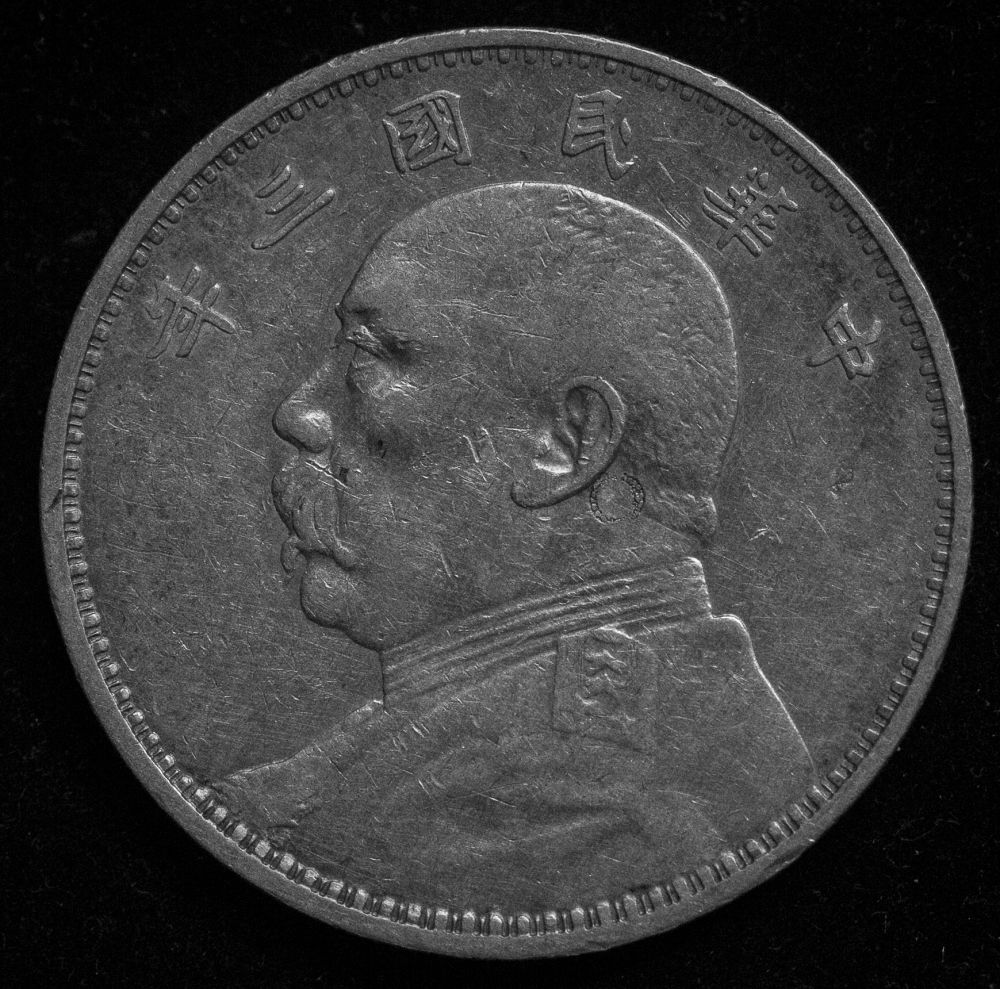 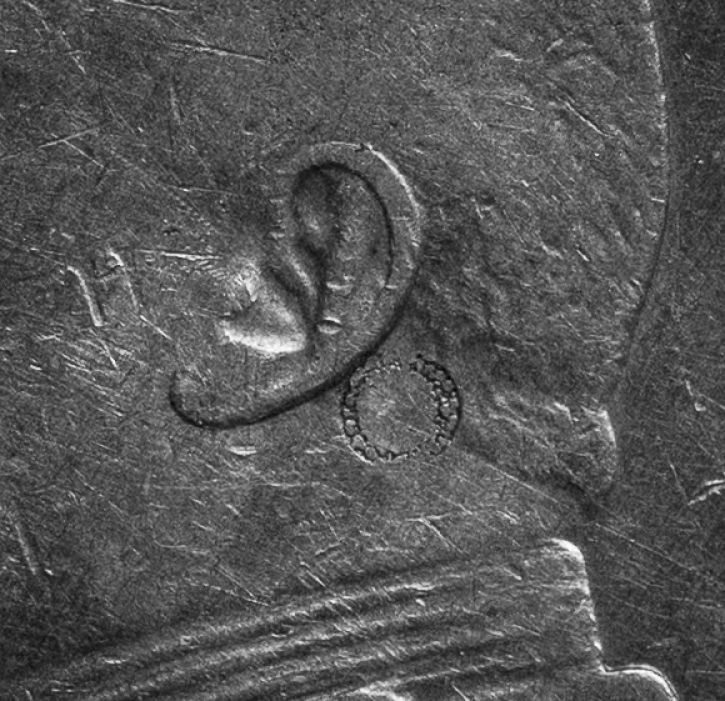 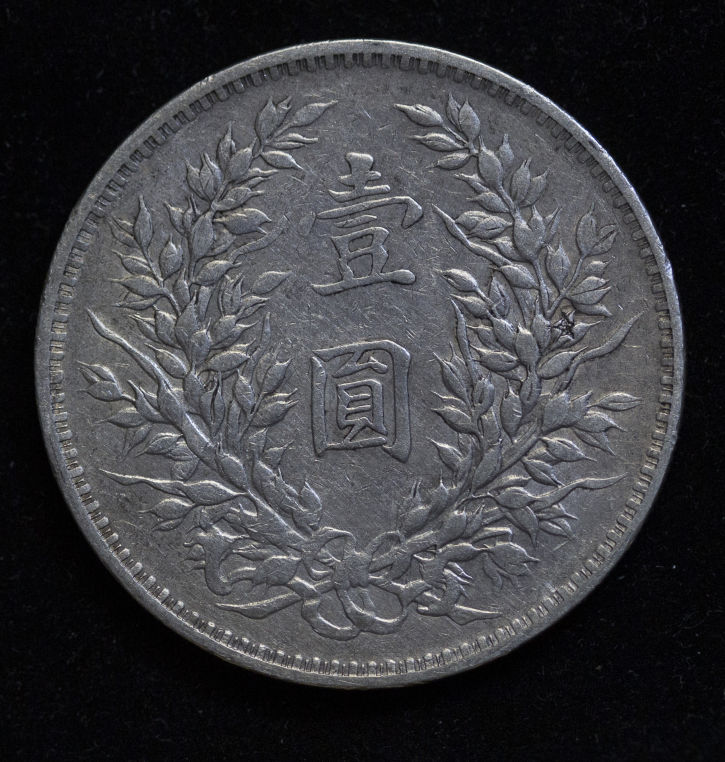 Fatman #2 - presumed to be a fake 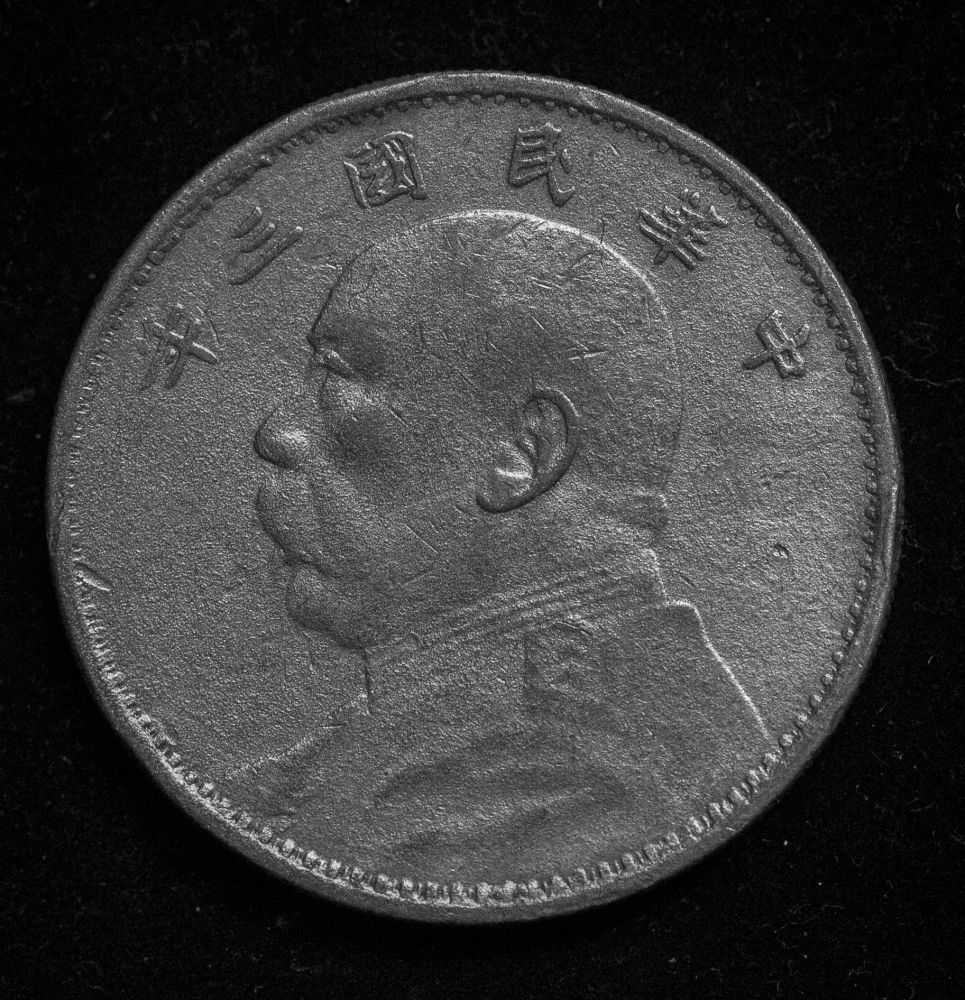 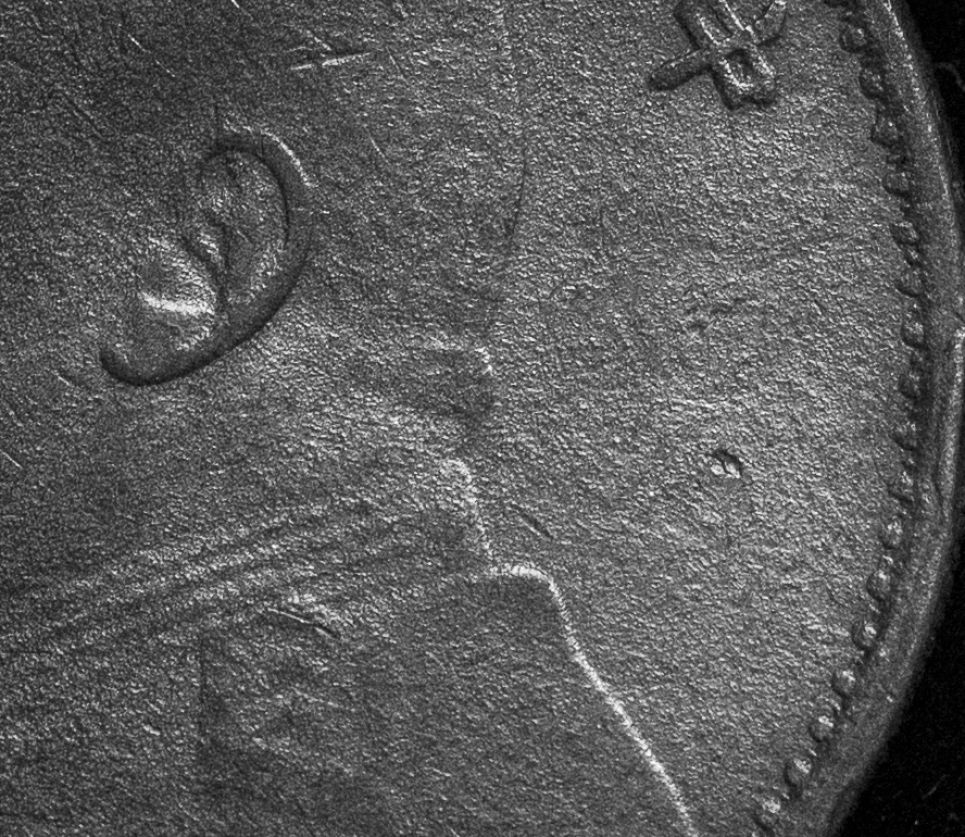 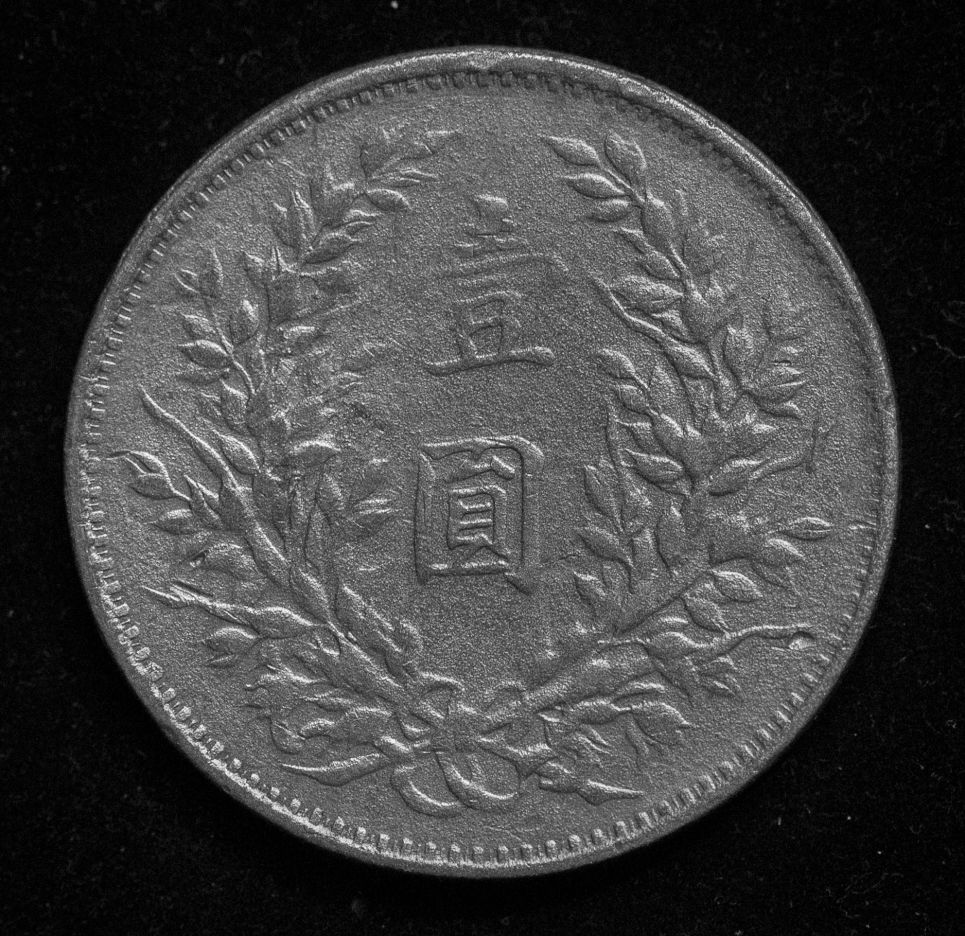 Fatman #3 - if this one is authentic, suggestions as to grade will be appreciated. 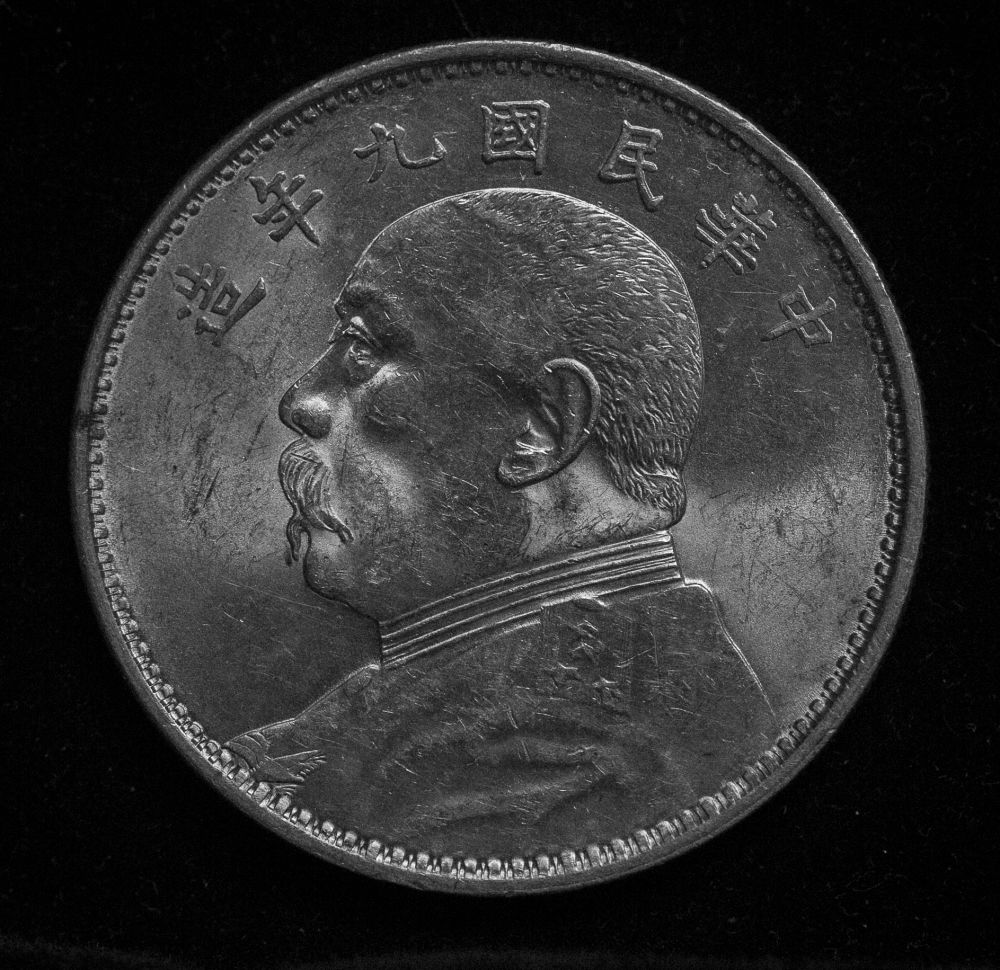 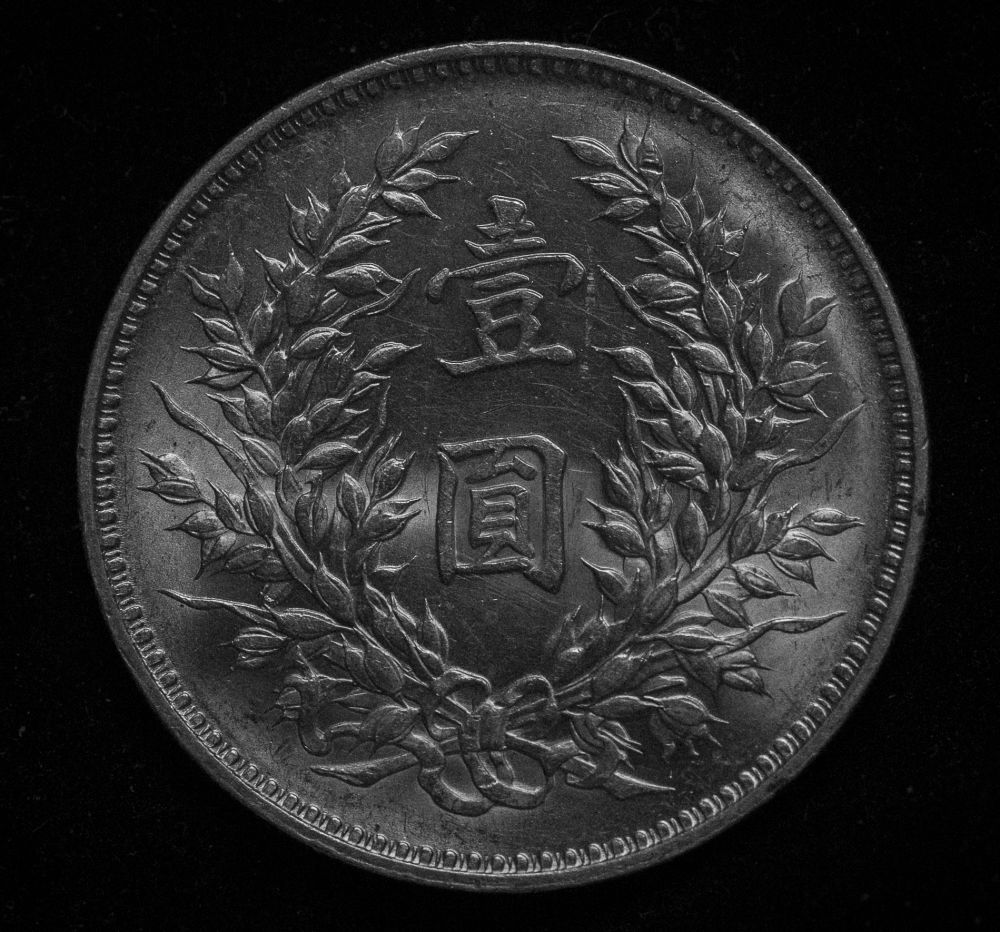 Fatman #4 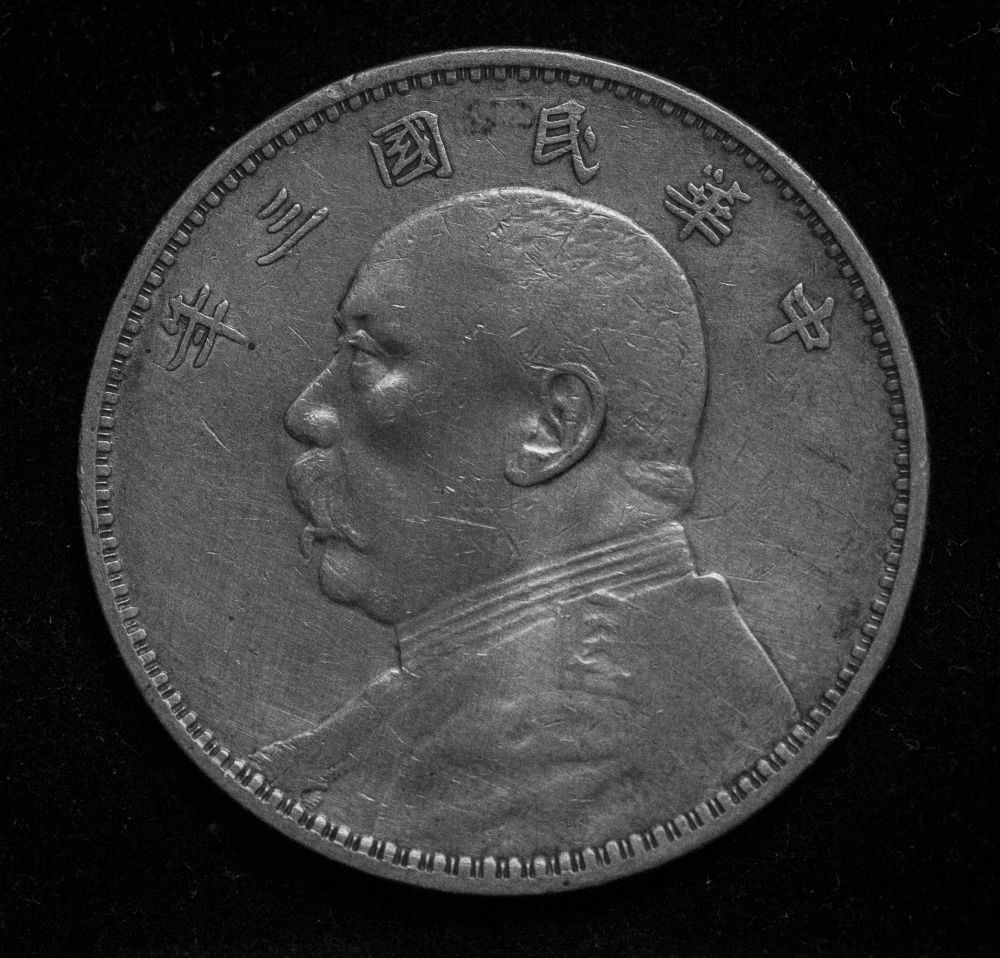 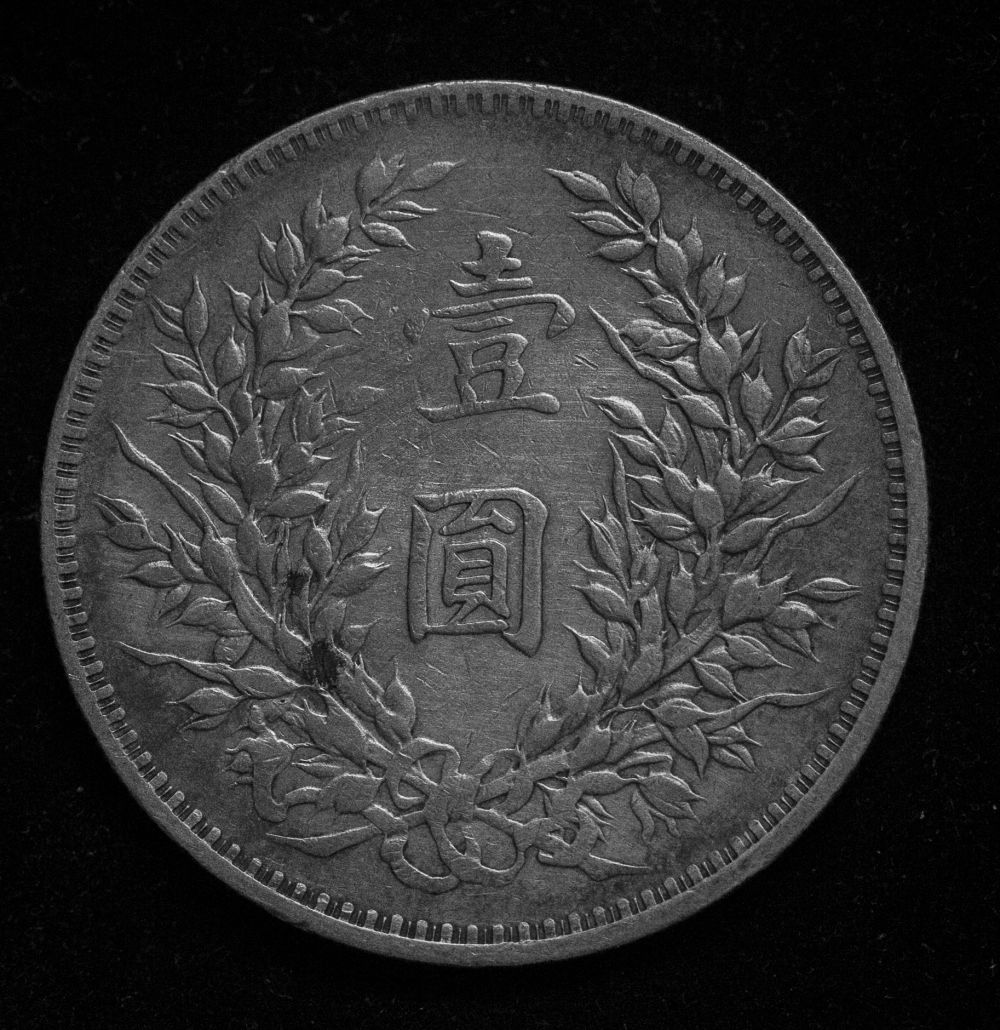 Fatman #5 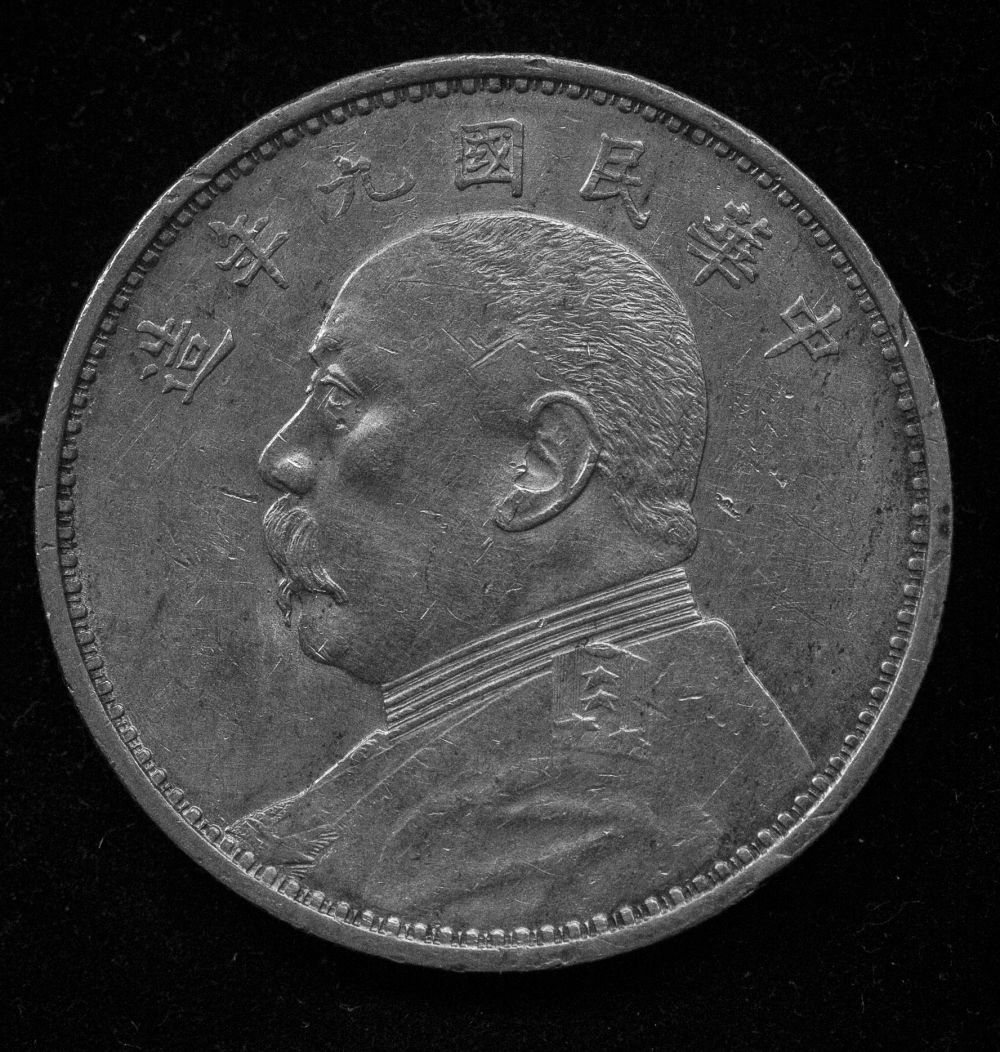 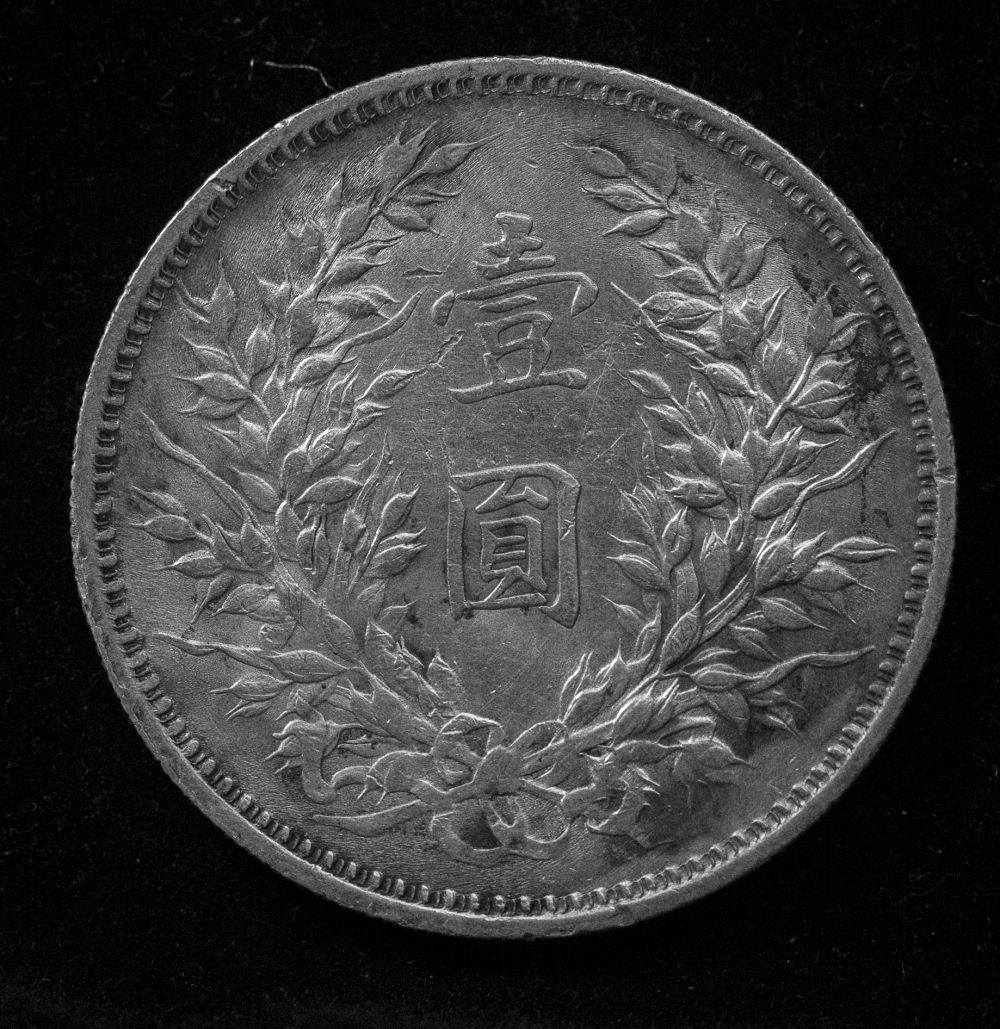 Fatman #6 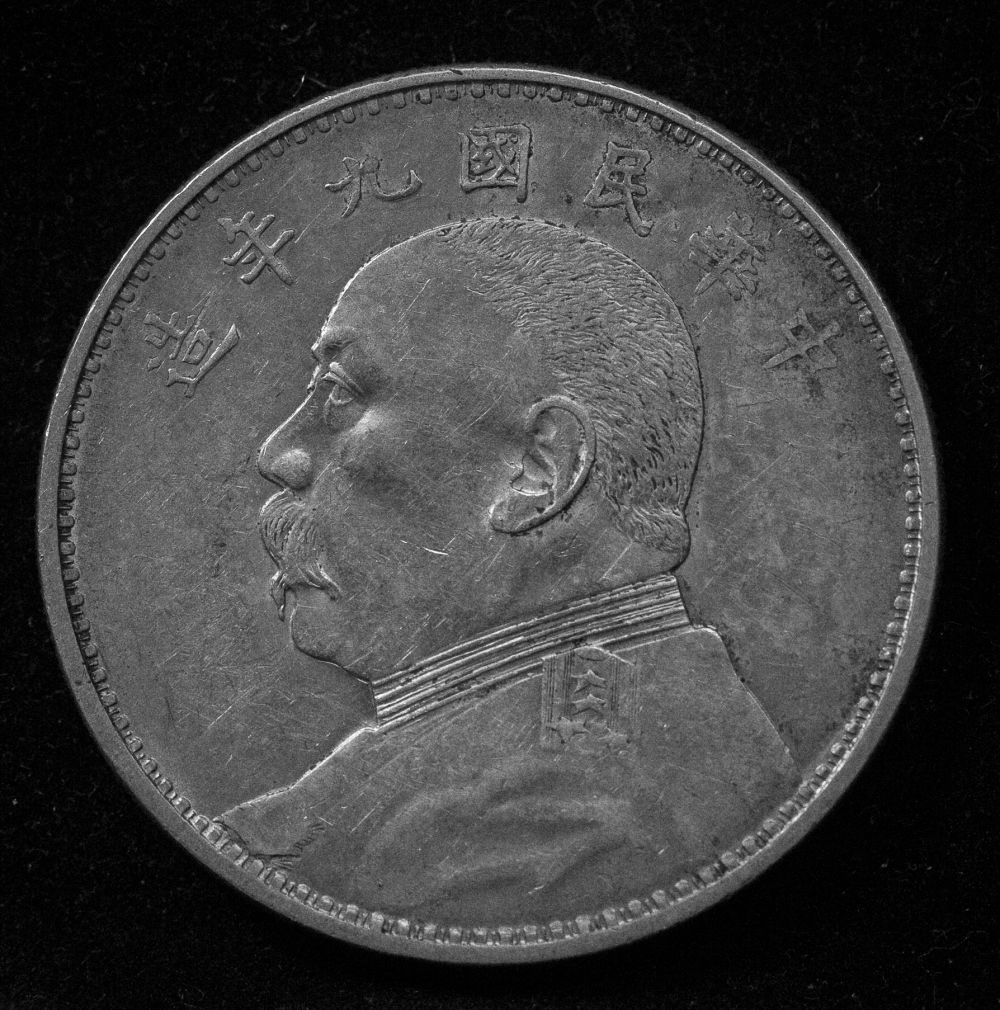 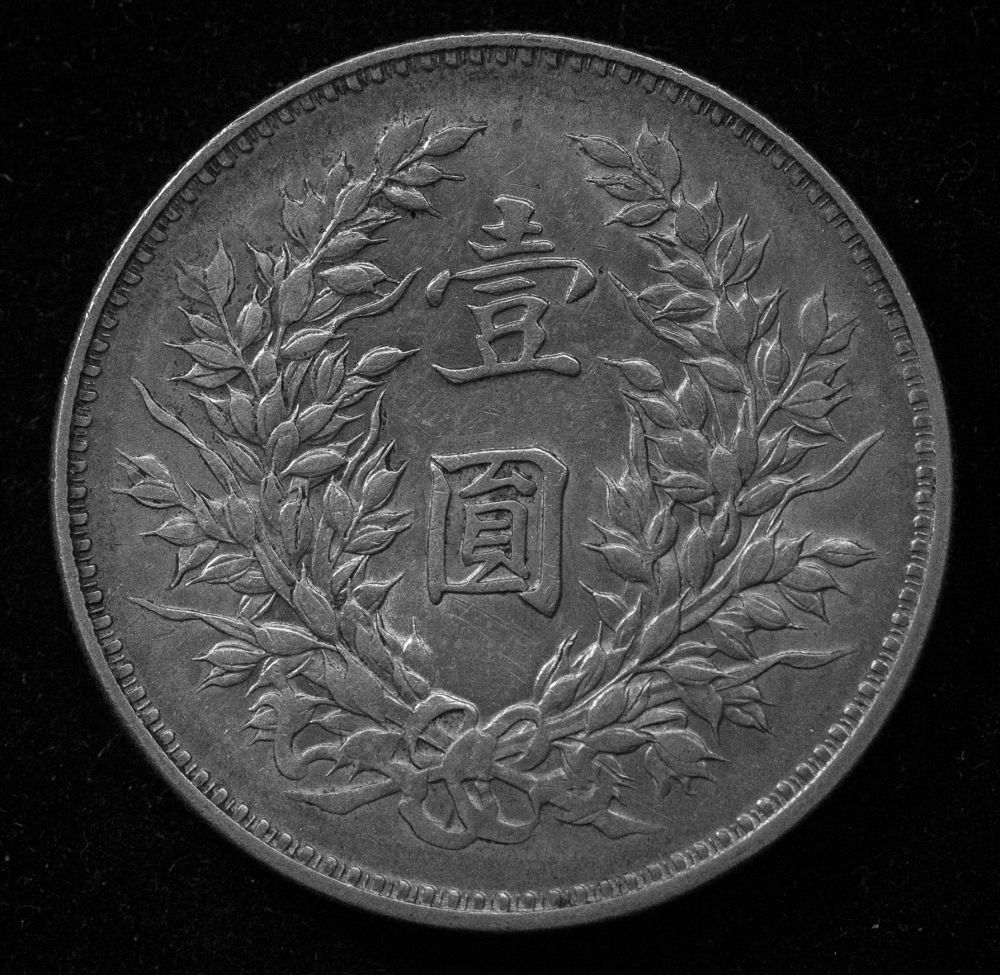 Fatman #7 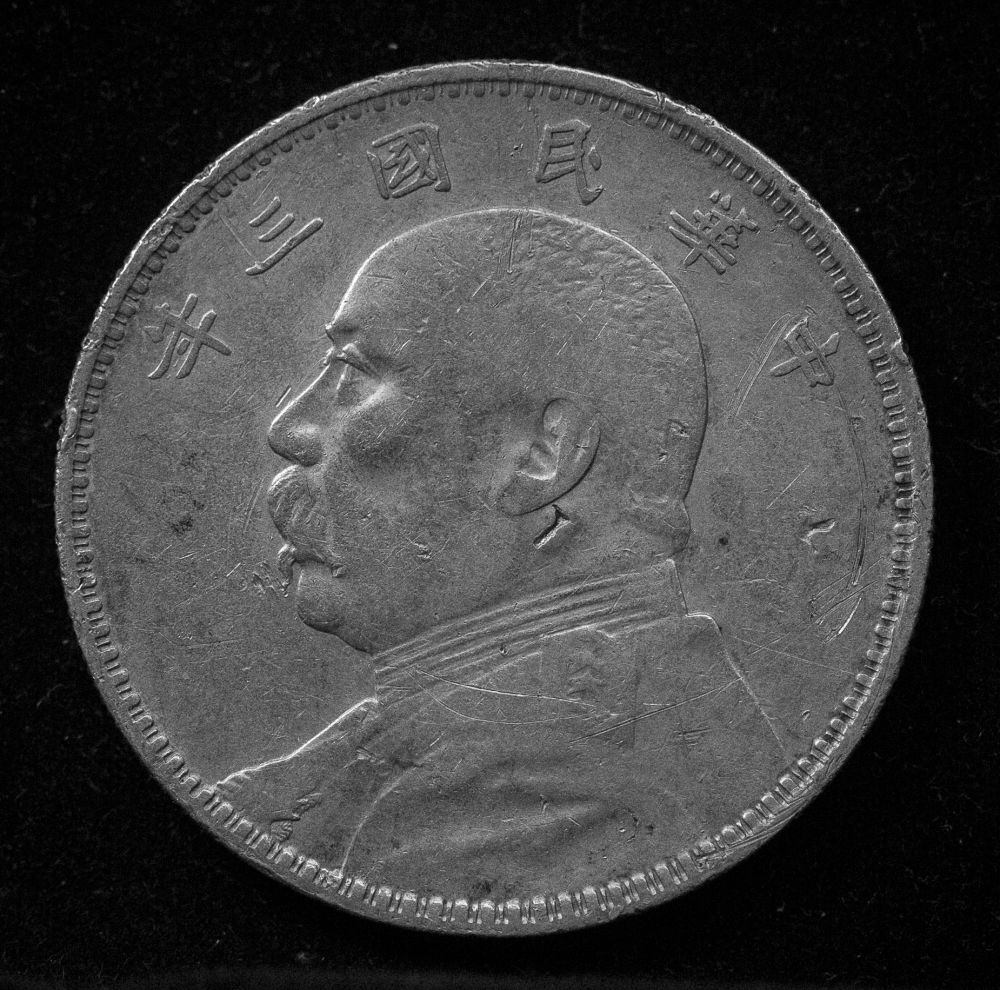 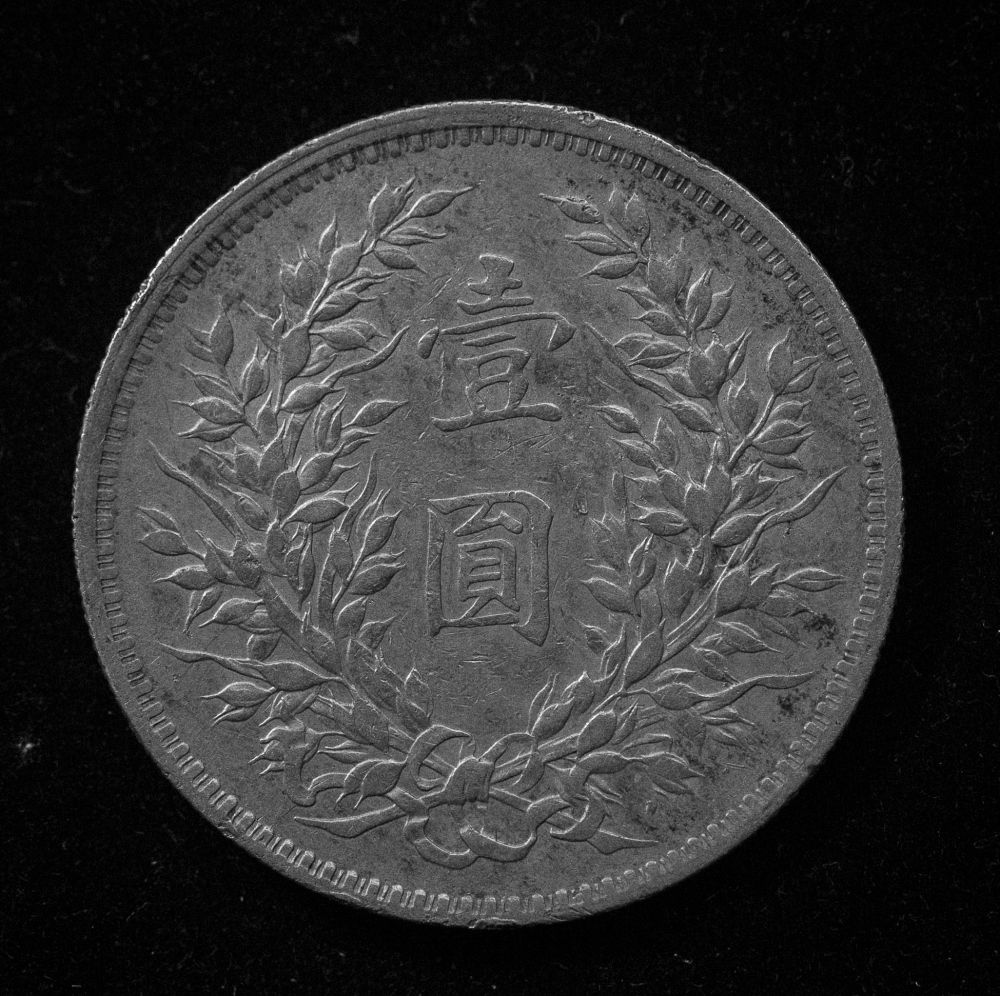 Many thanks in advance to anyone who can shed some light on these coins. CPrince |
|
|
|
Valued Member
Uruguay
217 Posts |
|
|
Valued Member
 United States
54 Posts |
Thank you, Cara. I'll check that out. I know there is much to learn.
CP
|
|
New Member
United States
7 Posts |
I would consider them fake unless you can prove otherwise. Start with weighing them. These are the measurements for fatman dollars.
26.4 g - 39 mm
I'll post some pictures of REALLY good fakes later tonight or this weekend. I'm kind of at a standstill with collecting Chinese dollars. There are so many Chinese fakes, it is destroying their collectability. I haven't decided if I'm going to continue on or sell what I have accumulated to date.
|
|
Pillar of the Community
United States
1915 Posts |
I like what ShadyDave posted- he's not wrong. Feel the same way myself at times. One quick test for many large silver coins is to see if they are diamagnetic or not. If the size, weight and reaction is all good then it tends to indicated good silver.
|
|
Valued Member
United States
54 Posts |
Thank you, ShadyDave and Albert. Other than the cast fake, the six coins are 39 mm in diameter and have a mass of 26.6-26.8g. So, a little heavy, assuming my scale, which only measures to 0.1g, is accurate. I think I'll take them to a jeweler and get them measured again.
Thanks for the input.
|
|
Pillar of the Community
United States
5362 Posts |
bobisgr8 Were there other coins in the inheritance? I ask because I am looking for the origins of these coins.
The period of 40-50 years ago translates to 1966 to 1976 and covers the Vietnam war era. Coins like the fatman dollar were sold to GIs who did not suspect that they were being deceived. Sold for 10-20 cents each these dollar sized coins seemed like a great buy to GIs who did not otherwise collect coins.
The follow-up would be was your father-in-law in the SE Pacific 40-50 years ago?
The same con is used today in third world countries where tourists are the target.
I also support Shady Dave's comment that you should treat Fatman and other similar Chinese dollars as fake until proven genuine.
The feature behind the ear of the first coin is very interesting. Looks like a punch was added. Why? I have no clue. But I have not seen one like it before.
The fact that there is a very easy to spot fake included in the group of 7 coins is not a good sign unless your father-in-law identified it as such.
Finally overweight coins always bother me. A high grade silver coin that falls outside the normal tolerance rage is always suspect. Silver was money in China until 1935 unlike the US where silver was not monetized. US silver tokens produced after 1873 were actually token not intrinsic value coins.
|
|
Pillar of the Community
United States
1962 Posts |
You wouldn't have luster like that 3rd piece down on street market tourist trinkets from back in the 'Nam era. That's genuine... or a very good modern fake.
The 2nd piece, of course, may be along those lines...
Average circ. Fatman dollars (like the Junk, Memento and Brit trade $), of course, were barely worth more melt until 10 or so years ago, sooooo...
|
|
Valued Member
United States
54 Posts |
Swamperbob, yes, there were other coins in the inheritance, some of which have been the subjects of other posts on this forum. Three were ancient coins, each of which has a potential problem: one is too light by a gram, one has severe "test" cuts, one had been flattened or restruck. However, other coins appear to be authentic.
My father-in-law was a surgeon turned jeweler/silversmith. He was in this country continuously from 1950 until his death in the late '70's. He loved to trade and barter, so there really is no way of knowing how he acquired most of his coins.
|
| |
Replies: 8 / Views: 16,225 |
|







 Posted 11/27/2016 5:37 pm





