| Author |
 Replies: 12 / Views: 2,872 Replies: 12 / Views: 2,872 |
|
|
Valued Member
United States
465 Posts |
I found this nickel today. It matches the photo on the coinsandcanada.com site. Is this something that is common or is it a better find. The doubling is in all the letters of cents and the first three letters of Canada. Thanks for your input. Bill 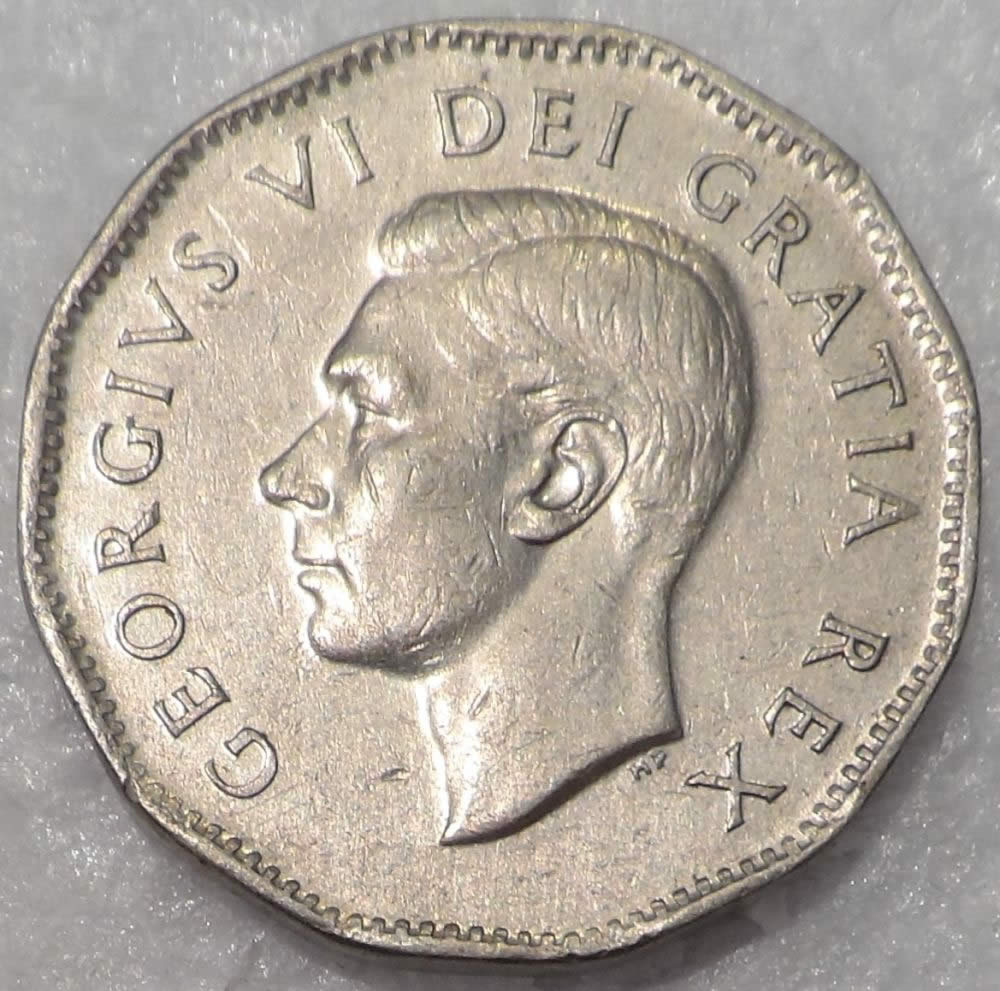 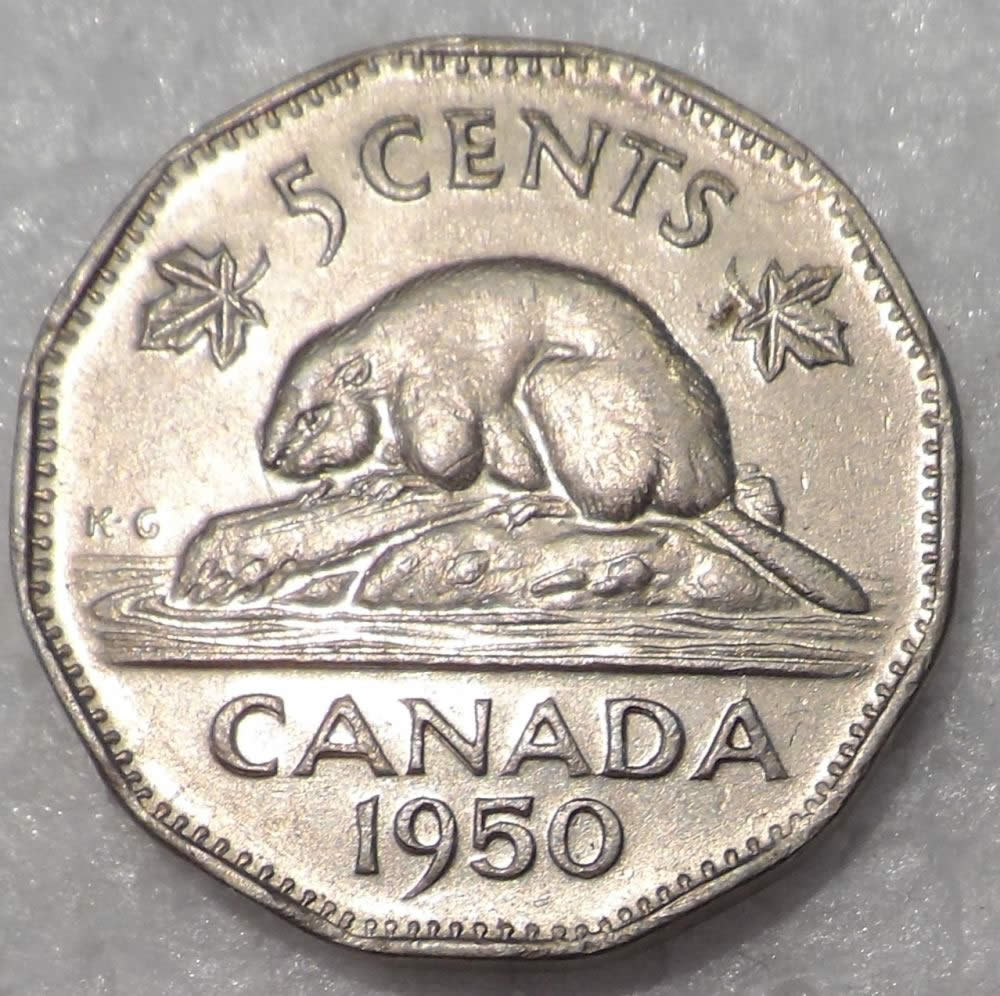 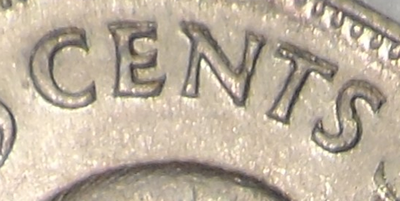 |
|
|
|
Pillar of the Community
 Canada
9903 Posts |
It is not a double die.
"Dipping" is not considered cleaning...
-from PCGS website
|
|
Pillar of the Community
United States
3516 Posts |
 it is machine damage |
|
Valued Member
 United States
465 Posts |
I lifted the image from coinandcanada.com of their double die. Other the the clarity of the images they look approximately the same. What is the difference that makes mine a machine damage? 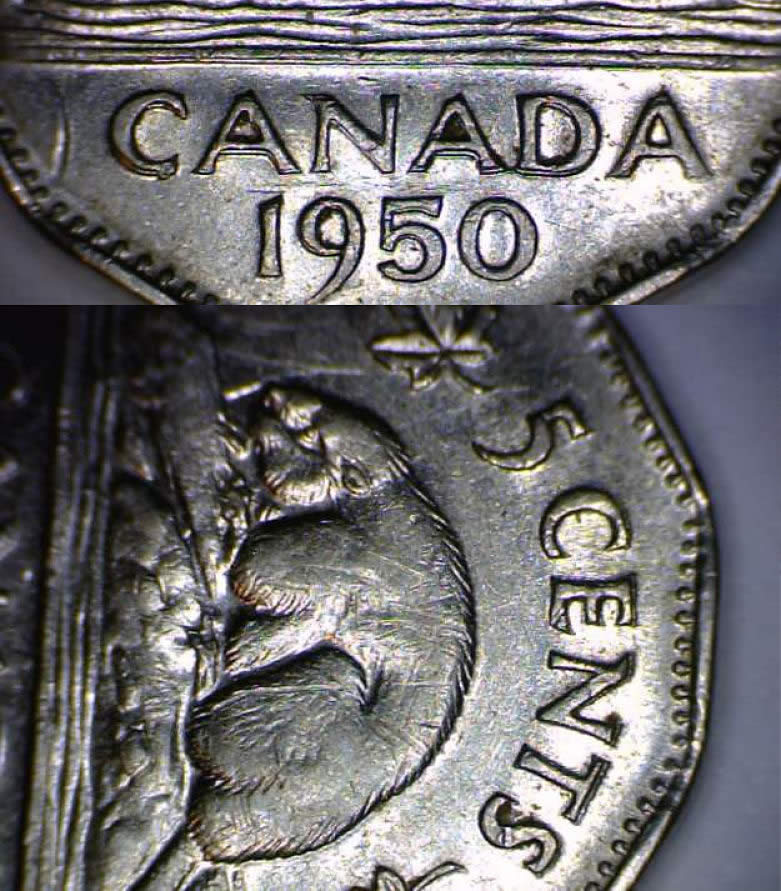 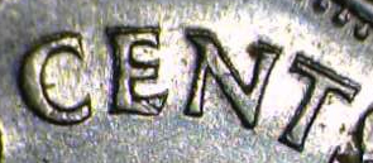 |
|
Moderator
 Canada
10476 Posts |
The coins and canada website is not a doubled die either... that website means well, but it originally started off as a French site, and I think some things were not properly translated into proper error coin nomenclature.
"Discovery follows discovery, each both raising and answering questions, each ending a long search, and each providing the new instruments for a new search." -- J. Robert OppenheimerContent of this post is licensed under a Creative Commons Attribution-NonCommercial 3.0 Unported License. See: http://creativecommons.org/licenses...0/deed.en_USMy eBay store
|
|
Pillar of the Community
Canada
9903 Posts |
The coinsandcanada site does not call it a doubled die, don`t know where the OP sees this, they do however give Zoell # references as this is a long known error. Perhaps the OP doesn't know what a doubled die is. http://www.coincommunity.com/dictio.../coins_d.asp"Dipping" is not considered cleaning...
-from PCGS website
Edited by DBM
12/02/2016 03:41 am
|
|
Pillar of the Community
Canada
5649 Posts |
Lots of people describe a "doubled die" as anything that isn't a crisp clear strike with no overlapping, failing to realize all of the different reasons for the anomoly. Machine or Mechanical Doubling are "doublings" that are due to mechanical or adjustment processes. A true "doubling" is a physical modification that has been done to the die or matrix, not anything mechanical. |
|
Valued Member
United States
465 Posts |
Thank you all for your time and answers. Machine damage or Machine Doubling it is. The coin I have matches very well with the image posted at coinandcanada.com. I am glad it has been clarified. |
|
Pillar of the Community
Canada
1463 Posts |
Yeah coins Canada is a great site, but the posters here are right, it's not a doubled die. You can search around on here and find info about the differences Here's a good thread http://goccf.com/t/27811 |
|
Pillar of the Community
Canada
5649 Posts |
1847: There is no "damage" concerning your coin. Mechanical Doubling and Machine Doubling are 2 different types of anomalies by 2 separate (but similar) causes. What you have is a keeper. |
|
Pillar of the Community
Canada
2784 Posts |
|
|
Pillar of the Community
Canada
955 Posts |
Great link  Book marked! The nickel shown here ts very similar to the 2012 Loonie. |
|
Pillar of the Community
Canada
5649 Posts |
I don't entirely agree with the error-ref.com cause, but it gives a couple great photos to show the effect. The latest universal accepted theory/explanation is that the "doubling" occurs just after the downstrike (milli or micro seconds), as the die/press is exiting the planchet .. not on the downward thrust and "slide". As such, it is not really a "striking error" because the strike has been completed but the die has not fully released from the planchet face. The actual "cause" is that the die is loose in its keeper/retainer or that the planchet is loose in its own, causing relative movement between the two. Just tightening things up eliminates the problem. Many books will have quotes from old mint employees talking about it happening and what they did to correct it. I use Alan Herbert's "Mint Errors" reference, a great reference book.
|
| |
Replies: 12 / Views: 2,872 |
|







 Posted 12/01/2016 10:20 pm





