| Author |
 Replies: 18 / Views: 3,597 Replies: 18 / Views: 3,597 |
|
Valued Member
United States
67 Posts |
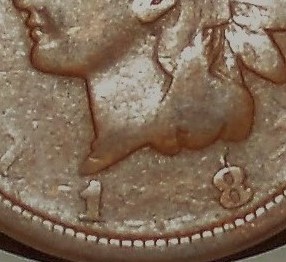
Digging through my coins and I have a Greaser with barely visible 1888, however the last 8 seems to be over a 2. I have several shots that I took and one I pulled to compare to the 1882 IH. Let me know your opinions 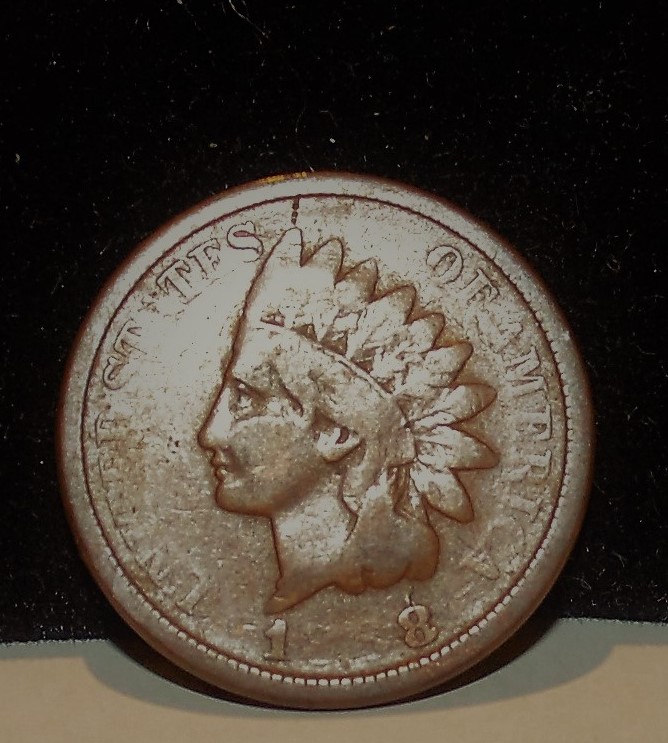 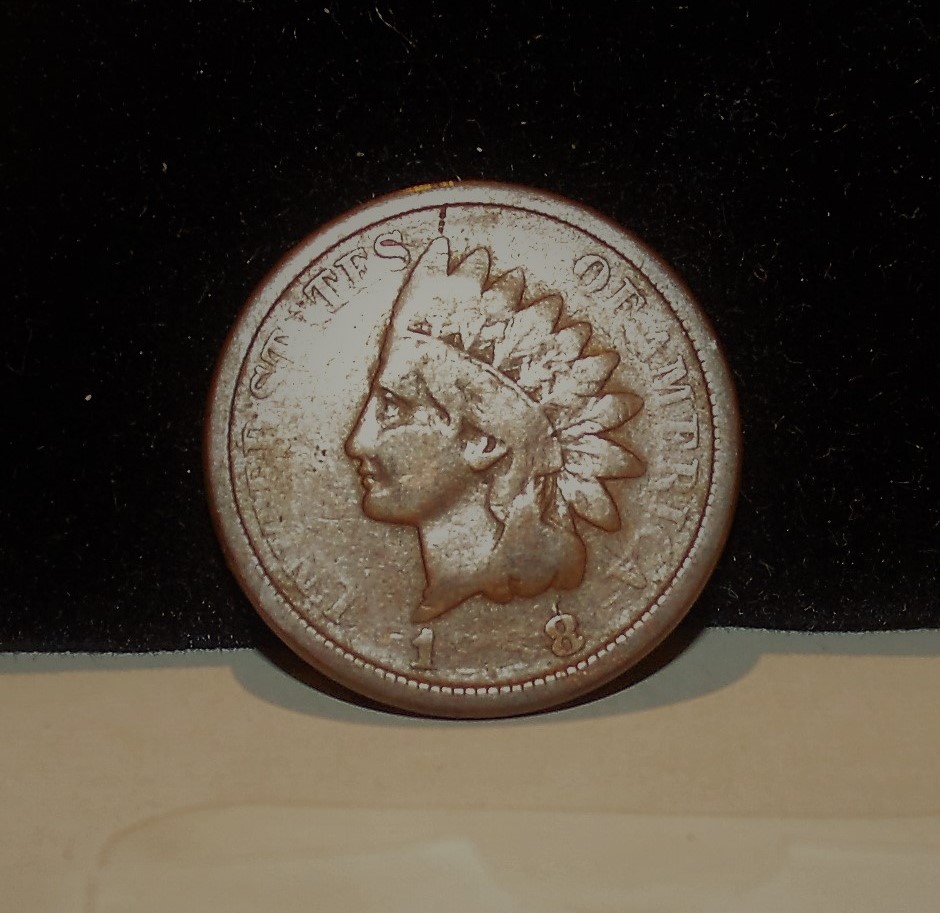 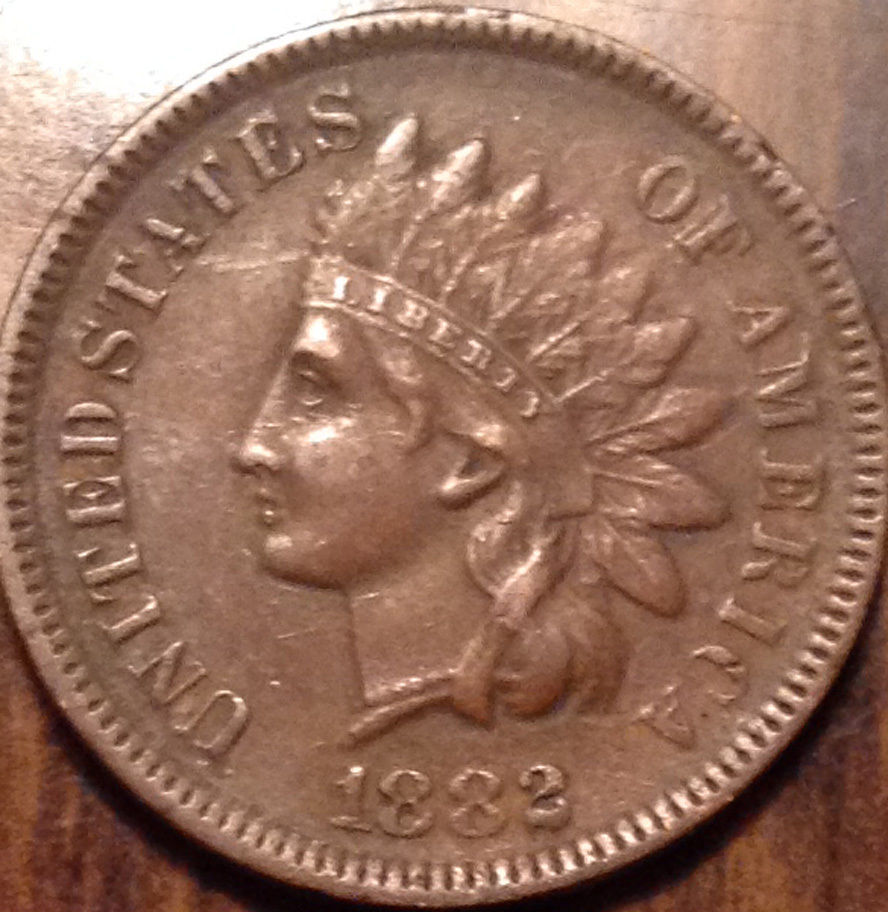 Edited by Rpuckett
01/26/2017 3:53 pm
|
|
|
|
Pillar of the Community
United States
5079 Posts |
Considering the 1882 has a type 1 obverse and the 1888 a type 2, there is no chance that it is an overdate.
It appears to be a hit on the last 8.
|
|
Rest in Peace
United States
17900 Posts |
 But it was worth asking about. |
|
Valued Member
 United States
67 Posts |
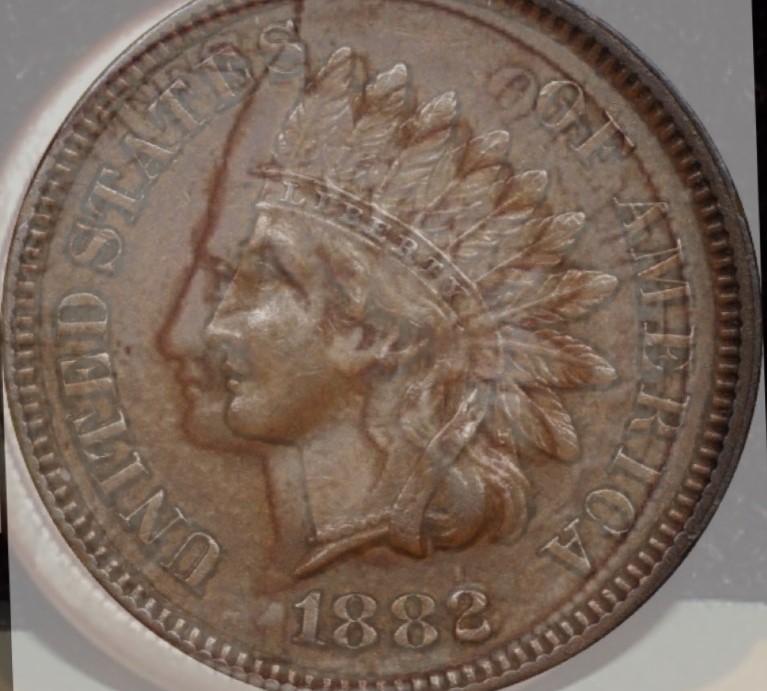
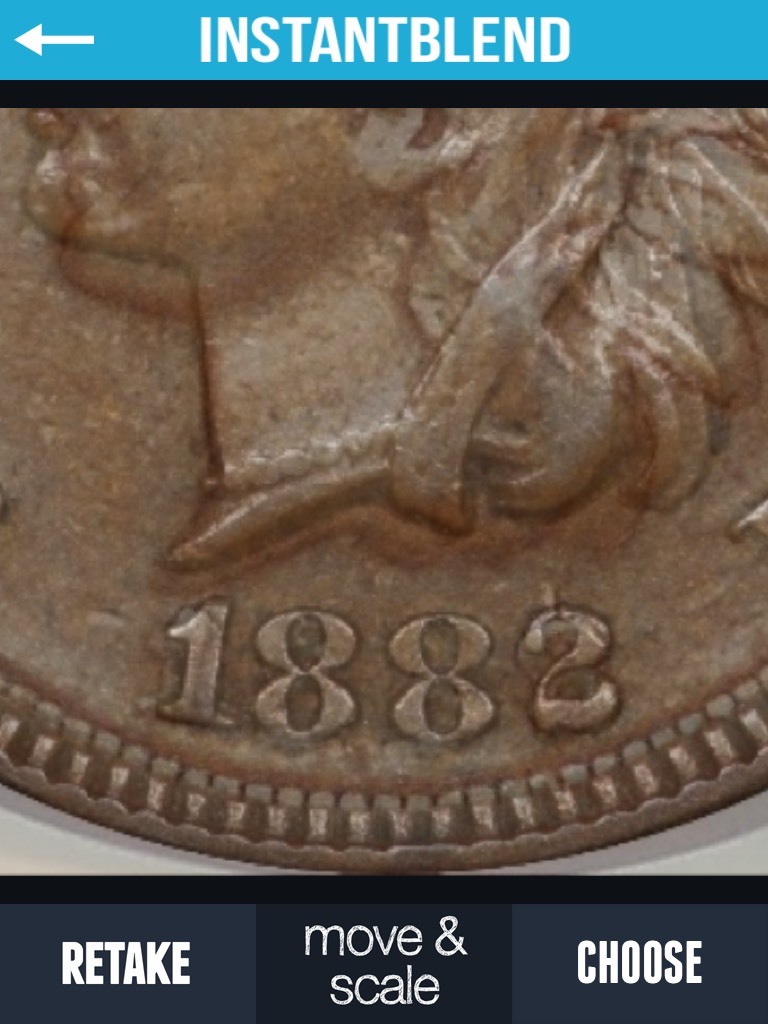
Hi all, I posted yesterday a picture of an odd coin. The first pic here is the Greaser with a swan tail 8 the second and subsequent photos are overlays of an 1882. I have read that certain dies were grease filled for reuse and that is what it looks like to me. The "swan" tail on the last eight seems to match up to the 1882. The tail is part of the 8 and not some add on. I know that the Greaser is a type 2 and the 1882 is a type one, but this makes me question in the transition of switching types, could they have filled the dies for reuse with the new type. |
|
Valued Member
United States
67 Posts |
|
|
Bedrock of the Community
United States
94367 Posts |
Rpuckett - Not sure I understand your last question.  to the CCF! |
|
Valued Member
United States
199 Posts |
Re-use of previous year die happened (hence 1888/7 IHC), but definitely not from 6 years back. I agreed with others, the oddity on the last 8 digit is a post mint damage ( PMD). |
|
Valued Member
United States
67 Posts |
I should clarify my last question. How do we know for sure that they did not use an old die and fill it in before making the 1888 die? when this particular coin was struck, there could have been die failure (terminal?) where part of the 2 came out. I will try to align my photos better. It completely matches. I know they reused the 1887 die, but how do you know the 1882's weren't reused to make the 1888 pattern? I have many 1888 IH's with many different date dies. The tail on the 8 is part of the 8 and therefore I can't see how it's PMD because it is attached to it. There is no crack or ding to suggest that its PMD and it is not added material because the 8 is the same through the "swan" tail. Have we discovered all error coins? I guarantee not because I'm sitting here with too many coins to mention that was my 103 year old grandmas collection, and I guarantee these have not been seen by human eyes for over 70+ years. At that time, many errors were not known. It's only through looking for known errors that we can come across new. |
|
Valued Member
United States
67 Posts |
One more thing,
It makes sense for the reuse of an 1882 die for an 1888. It is easier to make a 2 into an 8 than to make a 7 into an 8. (which obviously they did)
Well, that's my theory. I am going to research this more and let you know what I find, but for now, I will stick to my theory.
|
|
Bedrock of the Community
United States
94367 Posts |
Sorry, I think you're off base here. The Type 2 differs in several ways from the Type1, not just in the position of the last feather, as explained by Rick Snow in several sources. One of these differences is the distance between the ribbon and the bottom curl. Surely they would not have filled in this tiny gap along with the numerals, and then re-cut the feathers, in a painstaking effort to update and reuse an obsolete die many years later. With respect, your question is a good one, but the answer is simply "no way".  Edited by Coinfrog
01/27/2017 5:19 pm
|
|
Valued Member
United States
67 Posts |
Thanks Coinfrog. I guess I'll chalk it up to some strange error. I'd love some information on die use. Any books to suggest?
Also, just ordered a microscope/camera for the coins to help me view them. Looking through a loop now and jewelers glasses causes too muck neck ache. Hopefully the new scope will help. I'll post new picks when it arrives.
|
|
Pillar of the Community
United States
5079 Posts |
Rpuckett, you are also apparently missing the knowledge that the die punch used to emboss the date was separate from the die used to create the rest of the coin. Therefore again, it would be impossible (or as close to as you can get) that they would have used an old (wrong type 1 die for the coin), restruck that into a type 2, then additionally take an old 1882 die date punch, and re-engrave it to read 1888. Or found an old 1882 die lying around and restruck the die and date.
Good searching, and if it were true, this would be quite the rarity. As stated above, pick up a few of Rick Snow's books, as he goes into lengthy histories about TONS of details, even a per-year history of each coin, which uncovers wacky facts like the 1875 with reverse die dot.
Oh, and regarding magnification, I find that 60x is the sweet spot for seeing RPDs / MPDs. 30x is ok in higher grade coins, but in VF and under is sometimes not enough to attribute properly.
Edited by indian_hoarder
01/27/2017 6:49 pm
|
|
Valued Member
United States
67 Posts |
Thank Indian hoarder,s
I was actually going to ask the question about stamping dates separately from the rest of the coin. I have about 20 or so 1888's in my collection with several greasers and the dates seem punched differently. I'll order some of Snow's books to help with my research.
Let me ask, in the process of making the coin, do you know if the date was hand punched or machine? (you can tell I'm new at this but absolutely fascinated with my grandmother's collection)
|
|
Bedrock of the Community
United States
12437 Posts |
For IHCs, the date was added to the die by hand with a logotype punch containing the entire date. For 18th and early 19th century issues, each digit was hand punched. Date punching was phased out with the beginning of the new 20th century coin series, the date was moved to the master hub design.
|
|
Pillar of the Community
United States
5079 Posts |
My understanding is that the date was hand punched into each working hub by a person (and many times test punched first, which is what led to MPDs and RPDs), then once that was done, it was machines that made the finished coins.
Guess I was late hitting "post" ... as just stated above, in 1909 the date became part of the master dies.
Edited by indian_hoarder
01/27/2017 7:01 pm
|
|
Pillar of the Community
United States
716 Posts |
I also suggest that you read Wexler's website on die varieties. It explains in detail how dies are made and how varieties occur. http://doubleddie.com/1801.html |
| |
Replies: 18 / Views: 3,597 |





 Posted 01/26/2017 07:54 am