| Author |
 Replies: 12 / Views: 1,223 Replies: 12 / Views: 1,223 |
|
|
Valued Member
United States
292 Posts |
|
|
|
|
Pillar of the Community
Canada
891 Posts |
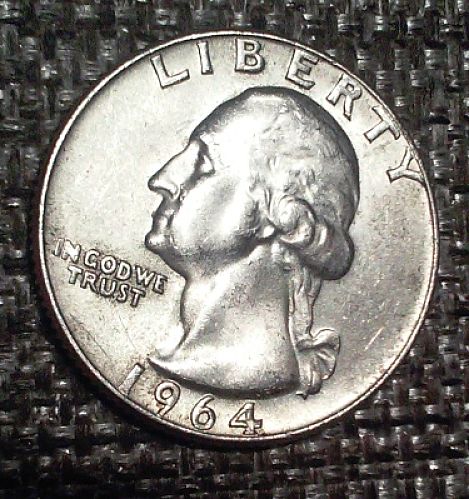
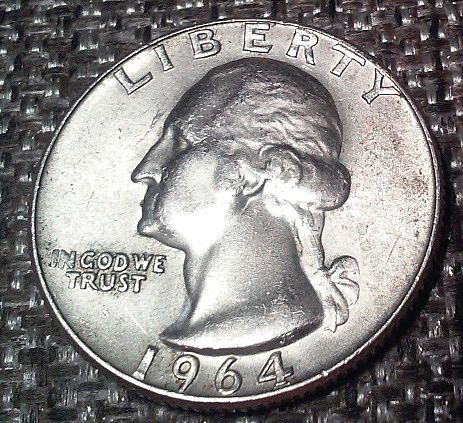
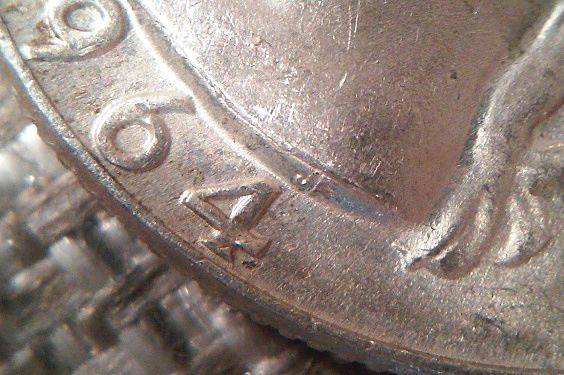
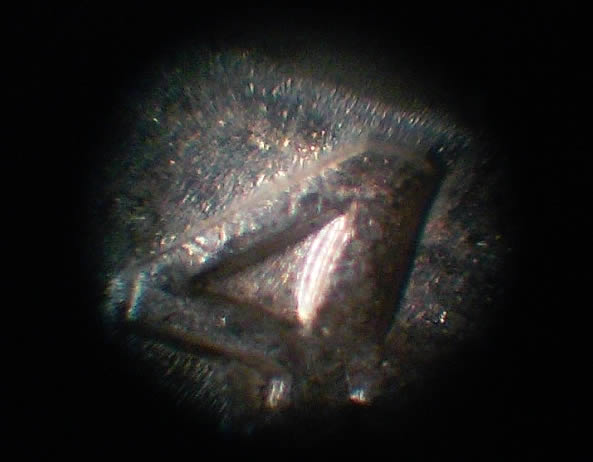
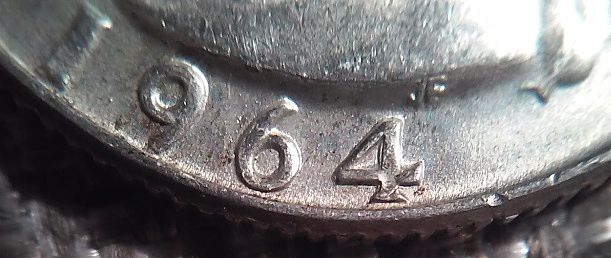
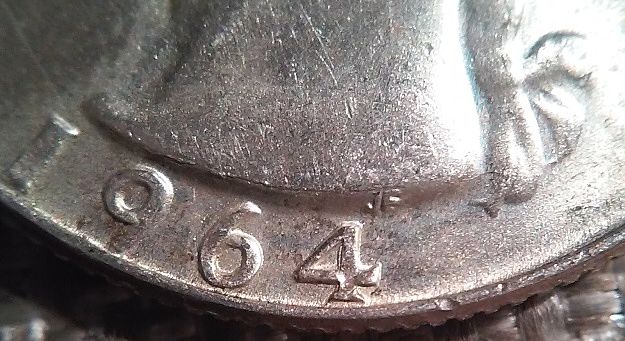
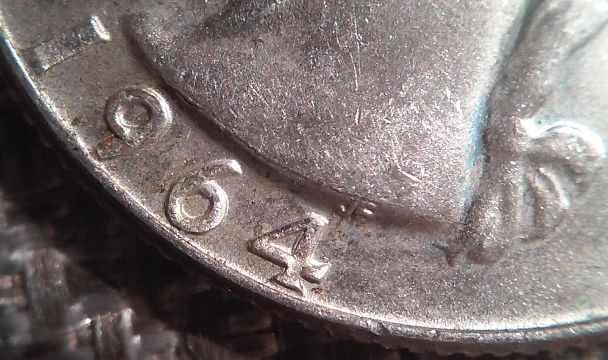
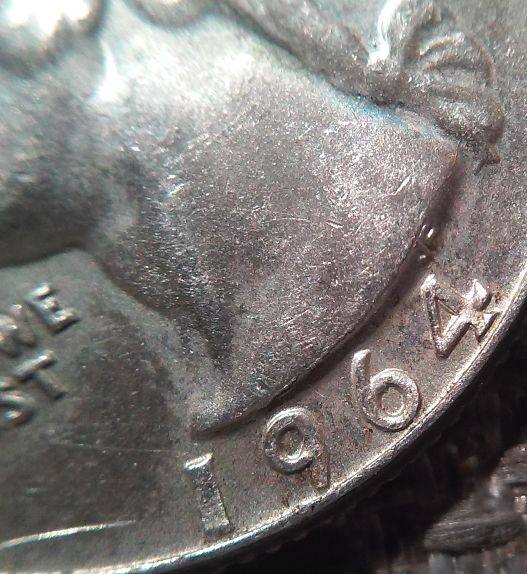
It appears to MD, it seems to show on the rest of the date and what I can see of the word trust although it might be the photo
|
|
Pillar of the Community
United States
5964 Posts |
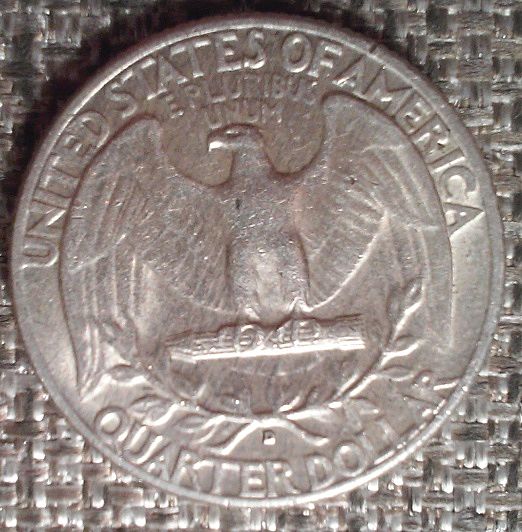
Can we see the rest of the coin?
|
|
Valued Member
 United States
292 Posts |
|
|
Pillar of the Community
United States
5964 Posts |
It looks like MD to me from wear on the die.
|
|
Valued Member
United States
292 Posts |
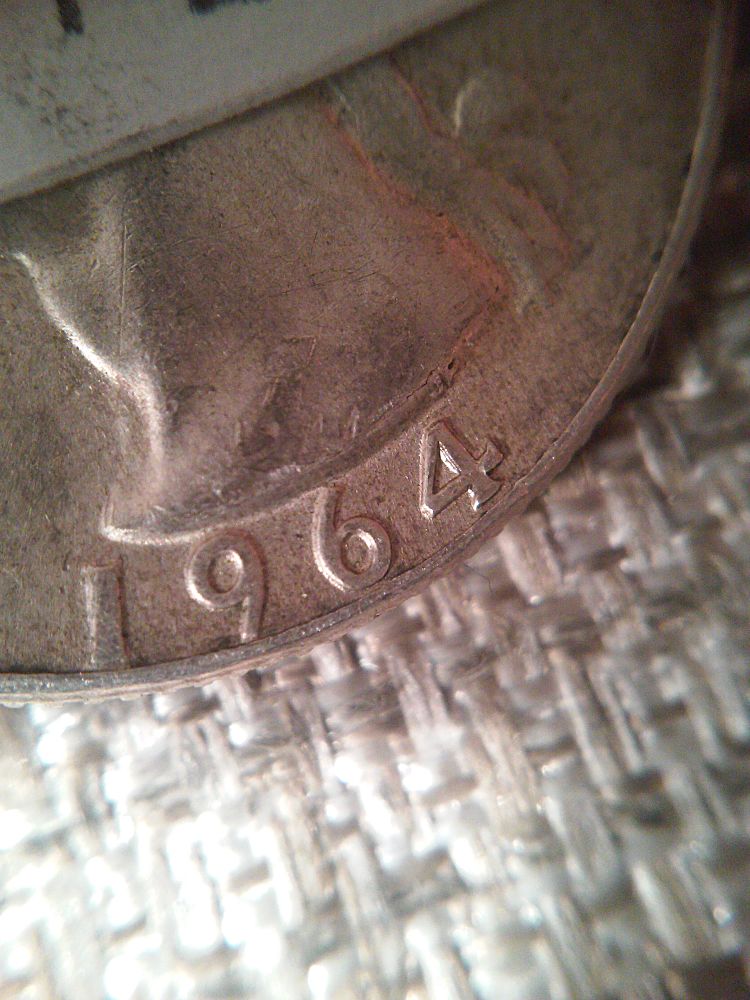
here is the closest I can get. I don't see a flat shelf that MD shows. 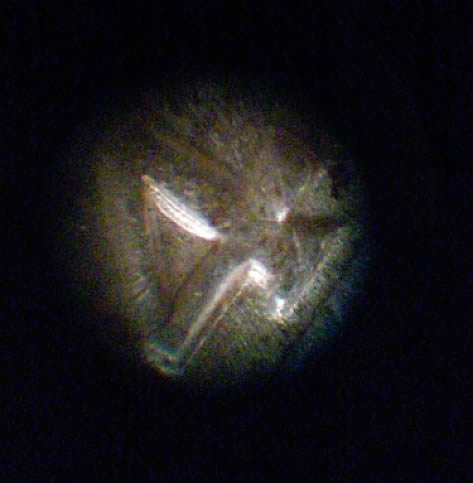 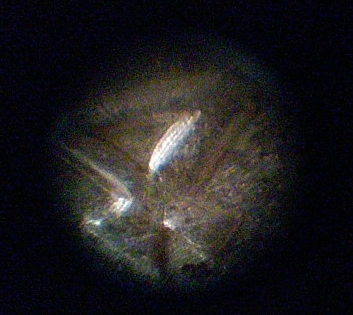 |
|
Pillar of the Community
United States
5964 Posts |
There are two major forms of MD. When the die accidentally jiggles a bit, it flattens parts of the devices leaving a partial shelf-like area. The other form is from wear on the die that manifests itself in various ways.
|
|
Valued Member
United States
292 Posts |
|
|
Valued Member
United States
292 Posts |
If so it is repeatable and a die variety? In various stages of wear?
|
|
Pillar of the Community
United States
5964 Posts |
Yes, the die was worn at the edge of the device, if it was Machine Doubled due to die movement, it would follow the the device much closer (without the curve). Ironically both forms of MD are categorized as Strike Doubling. The extra movement, thought to be from a loose die, is sub-categorized as Strike Doubling also. |
|
Pillar of the Community
United States
5964 Posts |
Not a variety, it constantly evolves with further wear. It is a mint error, damage can only occur after the stike, it's an Over-used Die error. This type of error is common, and only generates interest in extreme examples. Here's an example of collectable Strike Doubling. 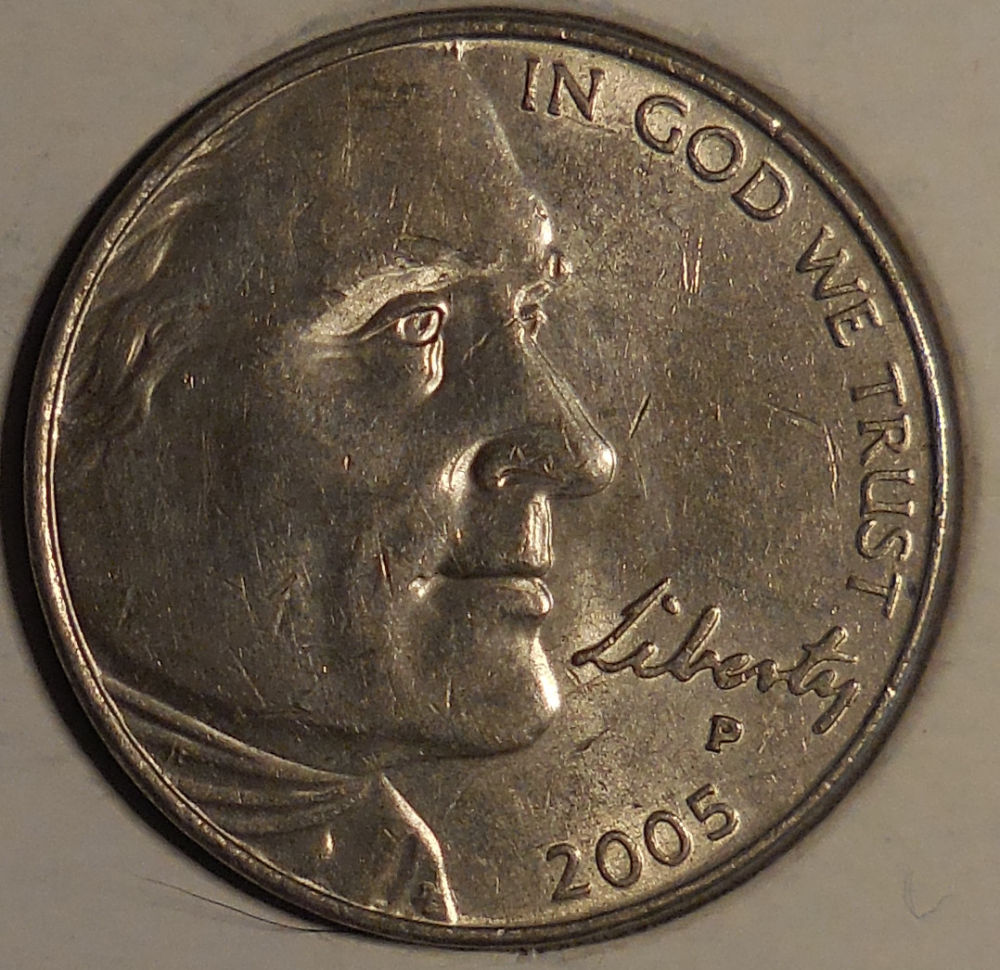 Edited by CoinMasters
03/09/2017 11:08 am
|
|
Valued Member
United States
292 Posts |
So just like a die crack that evolves over time? Both attributable to over use.
|
|
Pillar of the Community
United States
5964 Posts |
|
| |
Replies: 12 / Views: 1,223 |
|












 Posted 03/08/2017 1:36 pm