| Author |
 Replies: 14 / Views: 1,334 Replies: 14 / Views: 1,334 |
|
|
New Member
United States
19 Posts |
|
|
|
|
Pillar of the Community
United States
1000 Posts |
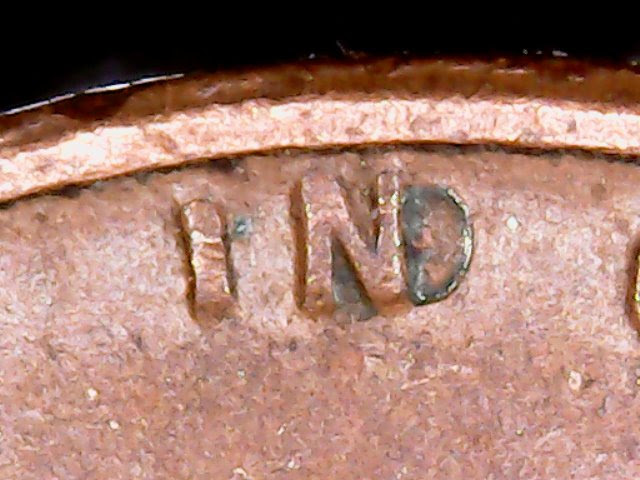
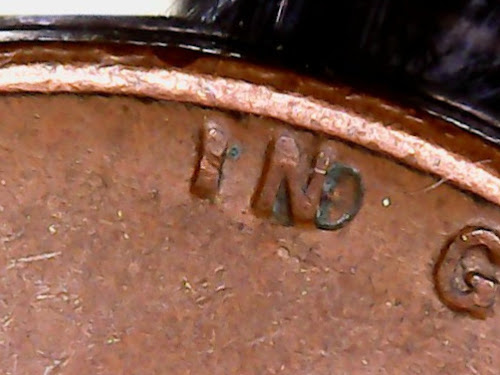
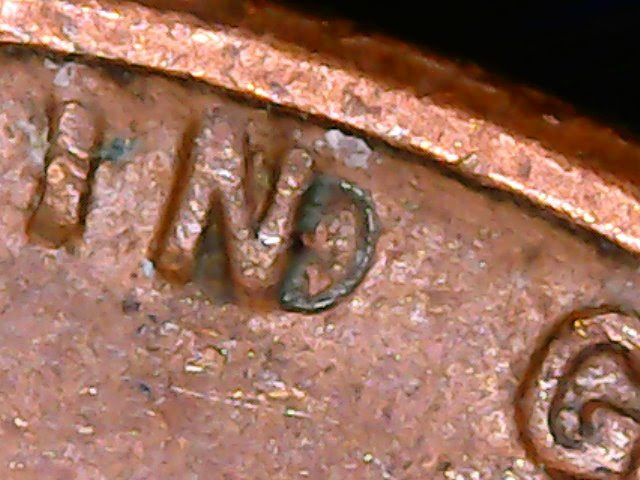
Looks like a zinc rot bubble to me. The cent was minted 1982 or after, right? In 1982, the mint started using copper plated zinc planchets for cents. The planting often is flawed and allowed air to contact the zinc core. The zinc rusts out, and forms these bubbles in zinc cents, which we sometimes call "zincolns."
|
|
Pillar of the Community
United States
1970 Posts |
|
|
Bedrock of the Community
United States
62064 Posts |
I don't think this is a zinc planchet coin. It looks like a pre 1982 cent. Not sure what it is, but it is not colored so I'm assuming it was not on the coin when it was struck? PSD |
|
Rest in Peace
10197 Posts |
Becuz of the difference in coloring!, leads me to think is different material than copper, whether it is even metal, could be plastic. Try acetone, see if it comes off or changes color. Interesting that looks same length but thinner than normal device?   |
|
Pillar of the Community
United States
5964 Posts |
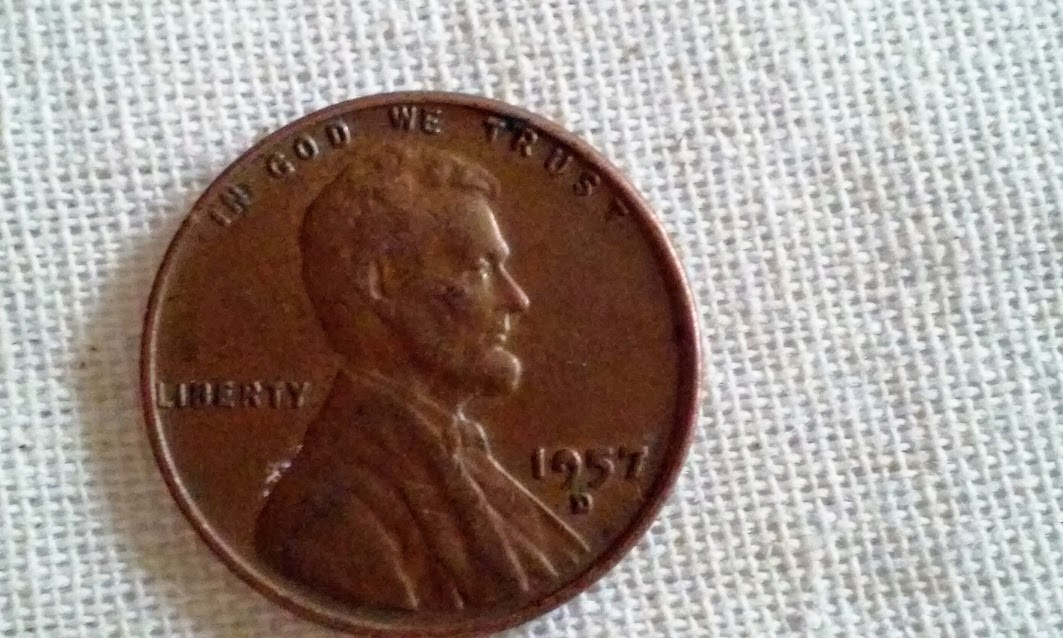
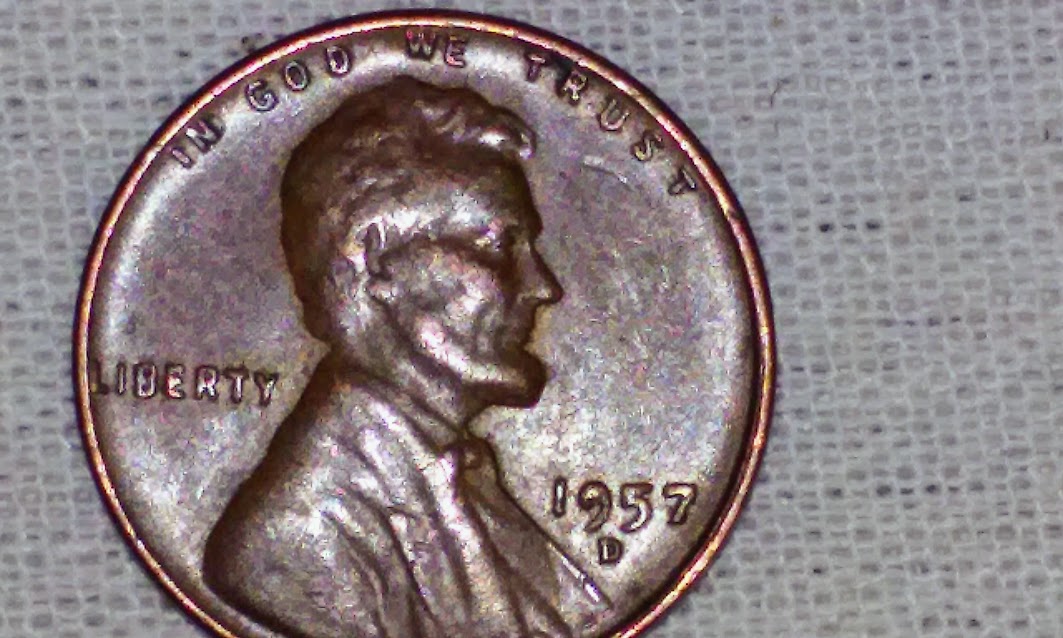
Well, it's obvious to me it's a D.  As to how it got there, will probably never be known. If I had to guess I'd say it probably dripped out of a tube of roofing cement. |
|
New Member
 United States
19 Posts |
|
|
Pillar of the Community
United States
1000 Posts |
Well that date knocks me and coin197 out! It still looks like something on the surface, so maybe just gunk. Did you try an acetone soak?
|
|
New Member
United States
19 Posts |
No have no acid so and I would be afraid to mess the coin up. It clearly looks like a D. The weird part is it looks like a D on some other year pennies. I will keep checking on it.
|
|
Pillar of the Community
United States
1000 Posts |
Acetone is not an acid and is safe on all coins. There are a couple of chemists on the site that have written extensively about it. You should search the site for BadThad's Polarity Ladder. (And acetone is cheap! Less than five bucks for a quart at Walmart.) |
|
New Member
United States
19 Posts |
|
|
Valued Member
United States
404 Posts |
Acetone is a solvent, not an acid. Alcohol and acetone are SAFE for coins, it will only work to dissolve things on the coin. Neither are surfactants (Surfactant = SURFace ACTing AgeNT) surfactants will chemically react with the metal of the coin itself.
You might want to try and soak the coin in the acetone for a while
Edited by Dual-brain
03/14/2017 9:30 pm
|
|
Pillar of the Community
United States
5964 Posts |
You can probably remove it with a razor blade. It's just something that stuck to the coin after it was minted.
|
|
Valued Member
United States
62 Posts |
I found a safe way to get gunk off of coins. I use taco bell fire sauce (weird I know) and lightly rub the coin. I wait a couple of mins then lightly wipe it off, generally anything from circulation comes off.
|
|
Bedrock of the Community
United States
62064 Posts |
The bad thing about that is that the acid in the vinegar will remove the surface of the coin. It turns them pink in color. A definite no no, to a coin buyer.
|
| |
Replies: 14 / Views: 1,334 |
|











 Posted 03/12/2017 11:36 am