| Author |
 Replies: 8 / Views: 1,615 Replies: 8 / Views: 1,615 |
|
|
Valued Member
United States
129 Posts |
Hello to all, and thank you in advance! I am fairly new to coin collecting and error varieties. I can not find any information on this particular die clash of my 1984 Lincoln Cent. I found this coin in pocket change. It appears to have the reverse image of the Memorial on both sides of the coin, on the obverse the bars appearing over the bust, and E-Pluribus and United States of America (not every letter) can be seen to the left of Lincoln's head near rim, there is also an Edge/corner/or L shape just above the 8 in the date. The reverse image appears to have a rotation of about 90 degree. My questions would be, Has this particular Die Clash been recorded? If so, under what listing and where? Also is this a coin that one would consider sending off for grading or is this a standard/typical error variety? Any and all advice is welcomed and appreciated, and I apologize for the ametuer photos, they seem to be the best I can do right now, and the darker image was done on purpose in hopes to view the incuse lettering clearer. 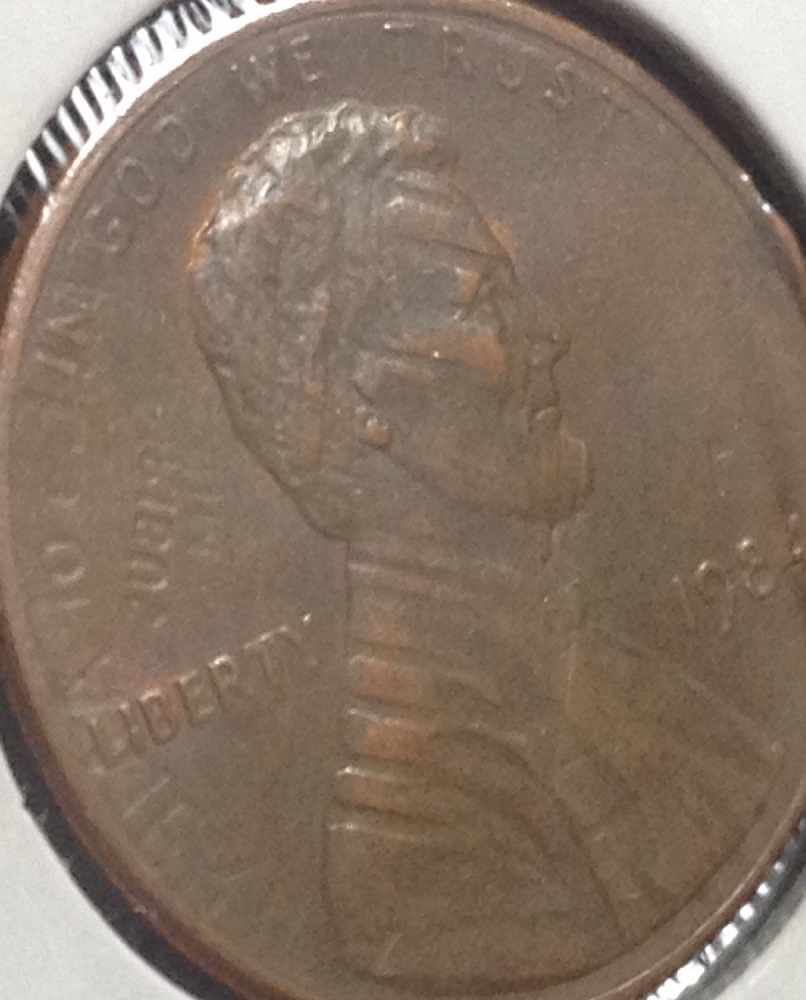 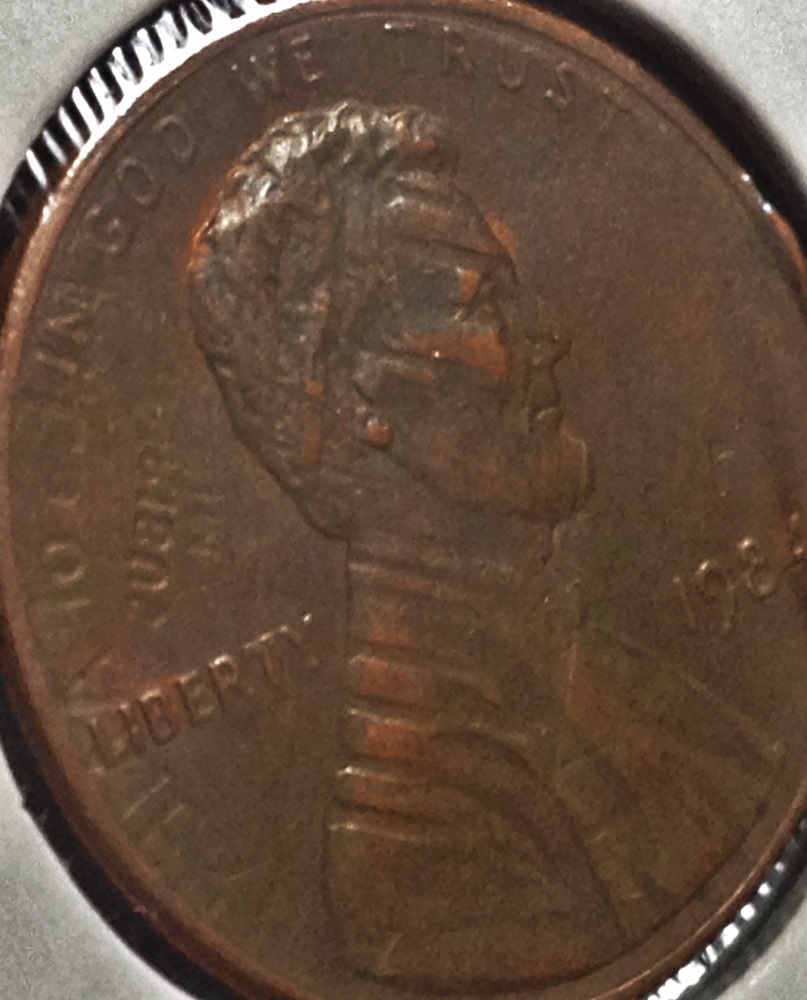 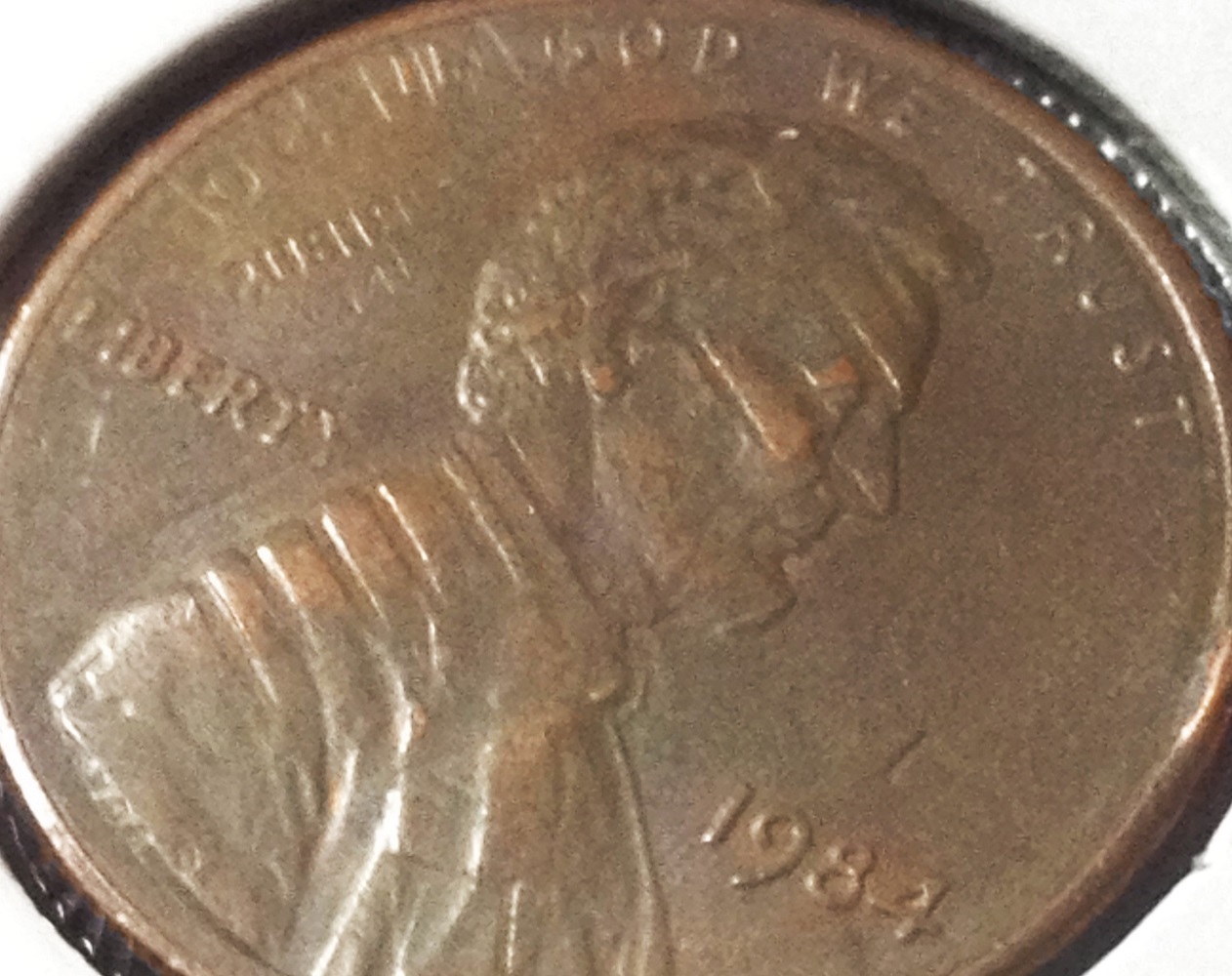 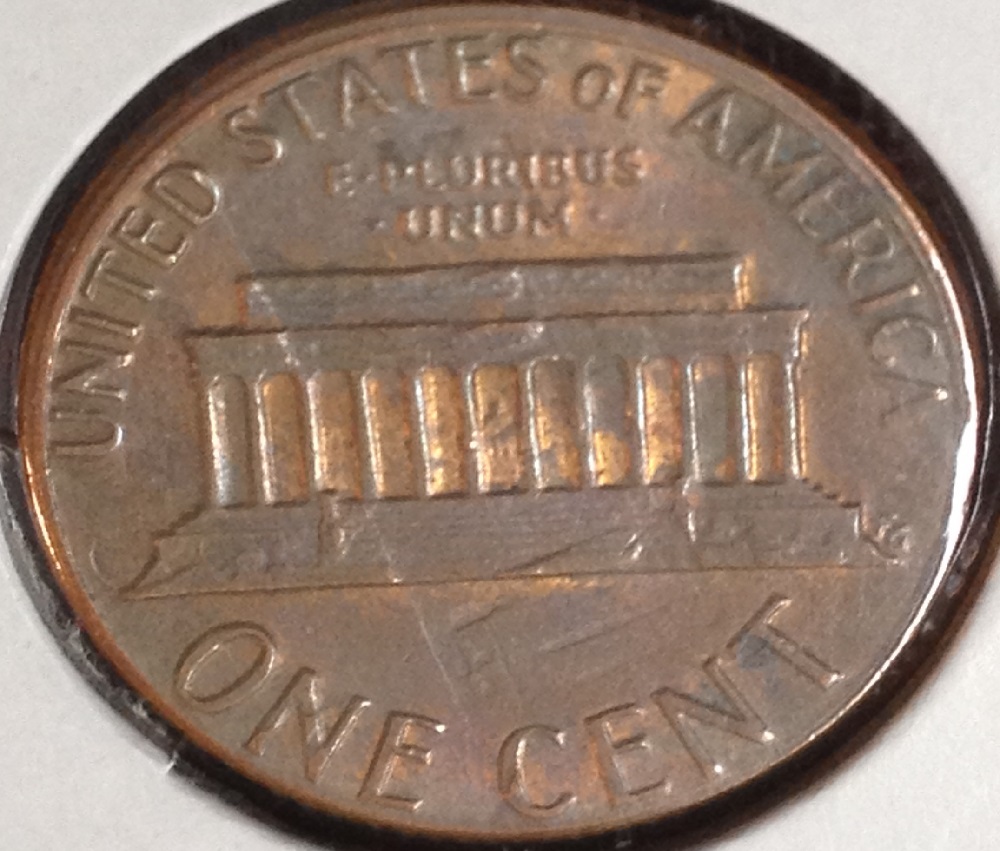 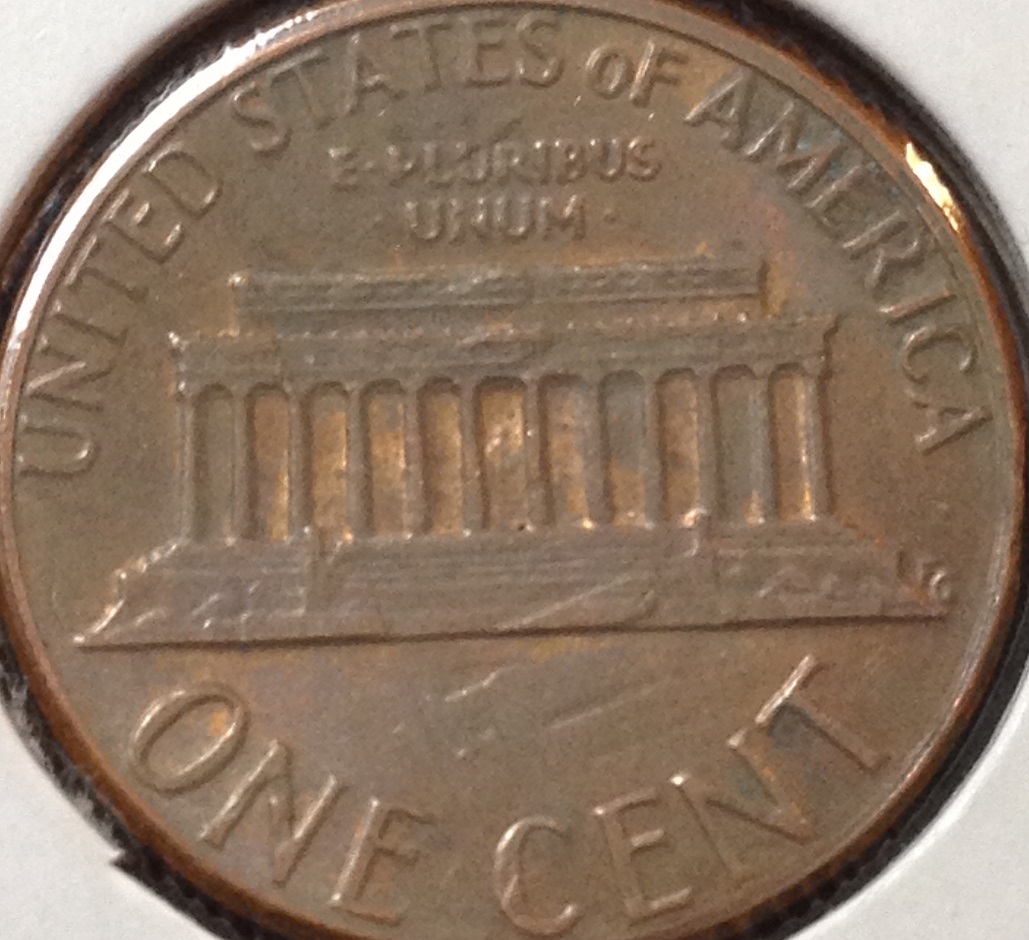 |
|
|
|
Pillar of the Community
United States
1609 Posts |
I'm almost positive this is a "garage job" coin. Some bored kid probably took this coin and pressed another one into it with his dad's bench vise.
|
|
Rest in Peace
United States
7075 Posts |
 It's neither an error nor a variety. Sadly, it is what we call a vise job. Someone with nothing better to do stuck some cents into a vise and squeezed them together. The added impressions appear in reverse -- easier to see in the letters than the memorial building. People do weird stuff to coins. |
|
Pillar of the Community
Canada
891 Posts |
 Someone with to much time on their hands |
|
Pillar of the Community
United States
1000 Posts |
Post mint damage, coin was sandwiched between Two Cents, contacting the reverse on both faces, then struck. A way to distinguish between PMD and a die clash is to look closely at the coin to see where the impression is. In a die clash, the deeply recessed parts of the die are often unaffected. On your coin, the raised parts of the coin (created by the recessed parts of the die) show the brunt of the impression. This tells me that the impression was made after the coin was already struck. |
|
Valued Member
 United States
129 Posts |
it was worth a shot, thank you all for the advice. Now I know to watch for the reverse lettering.
|
|
Pillar of the Community
United States
1000 Posts |
For what it's worth, a die clash will also show the lettering in reverse. When the dies clash, correctly oriented lettering is impressed upon the opposing die. When this die hits a coin, it will create reverse lettering. It might be tough to find an example where this is clear because many of the die clashes I've seen have had the fields polished more cleanly. A lot of the time, only the Y in LIBERTY will peek out in the second memorial bay, but it reads the same way forwards and backwards!
|
|
Rest in Peace
10197 Posts |
Like Druu said, die clash is hard to spot but generally is exact opposite side, upside down, see these: 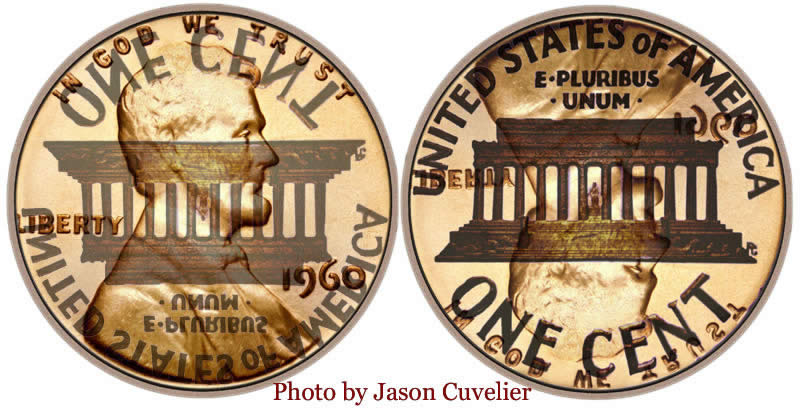  |
|
Valued Member
United States
129 Posts |
Again I thank you, very useful information. I will defenatly take more caution when/if I find another.
|
| |
Replies: 8 / Views: 1,615 |
|








 Posted 03/29/2017 9:29 pm


