| Author |
 Replies: 28 / Views: 3,805 Replies: 28 / Views: 3,805 |
|
|
|
Pillar of the Community
  United States
2843 Posts |
Echizento. I think I will do just that. I plan to XRF this for composition, if correct I willv find an expert, else I will send it your assuming that does not break any forum rules concerning counterfeits.
|
|
Bedrock of the Community
Australia
21789 Posts |
If you do an XRF analysis, look for trace metals, not the purity of the silver.
|
|
Pillar of the Community
United States
2843 Posts |
Since this post generated much more interest than I expected (and I am happy it did) I went back to look at the coin more closely. I noticed what I would best describe as extra features around the devices and I took some magnified pics to show. I dont know if they are indicitave of a sure fake or a good sign of a genuine piece. Hopefully the extra pics will help clear things up. 1. About the elbow area. 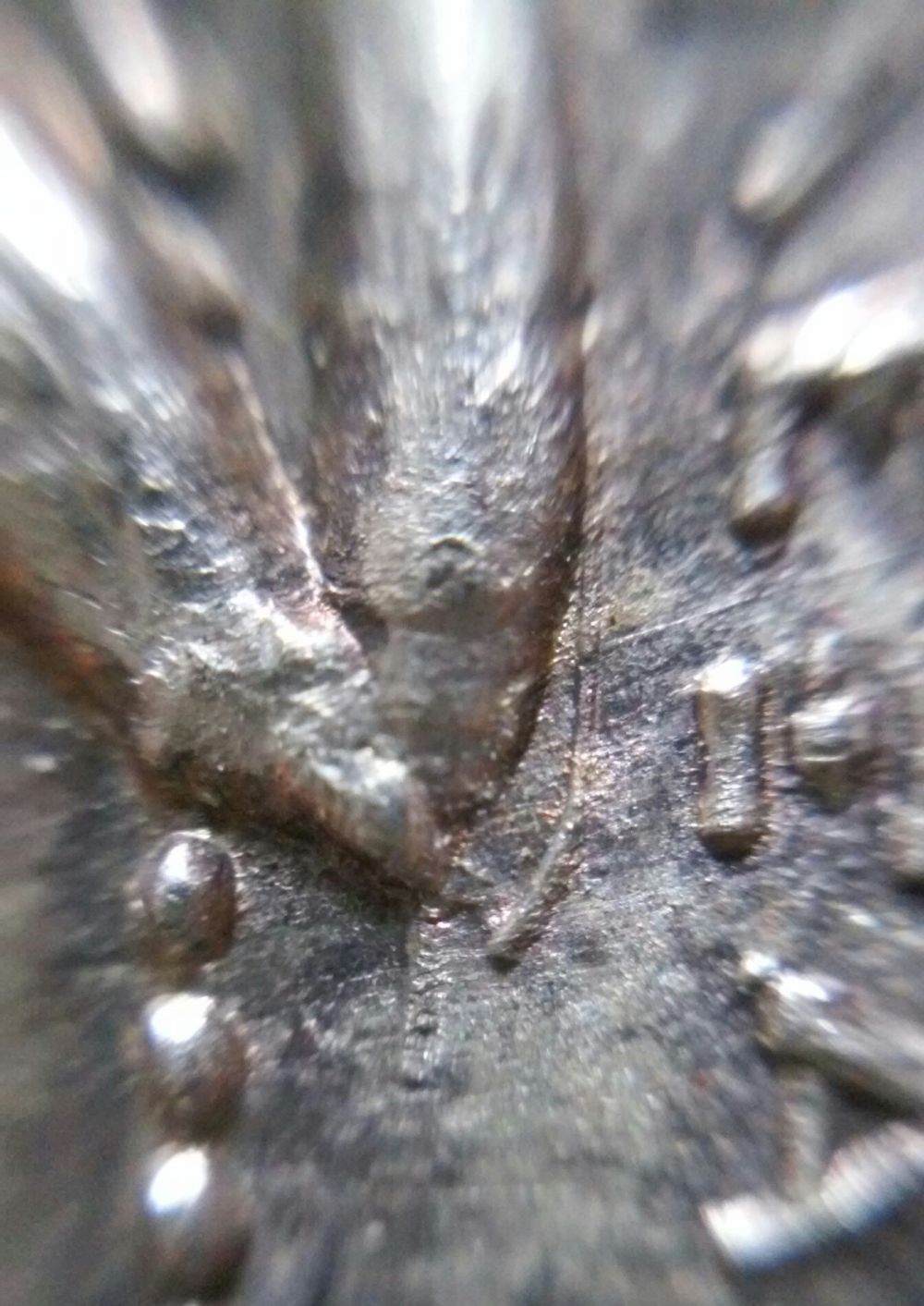 2. About the hand-held bird. 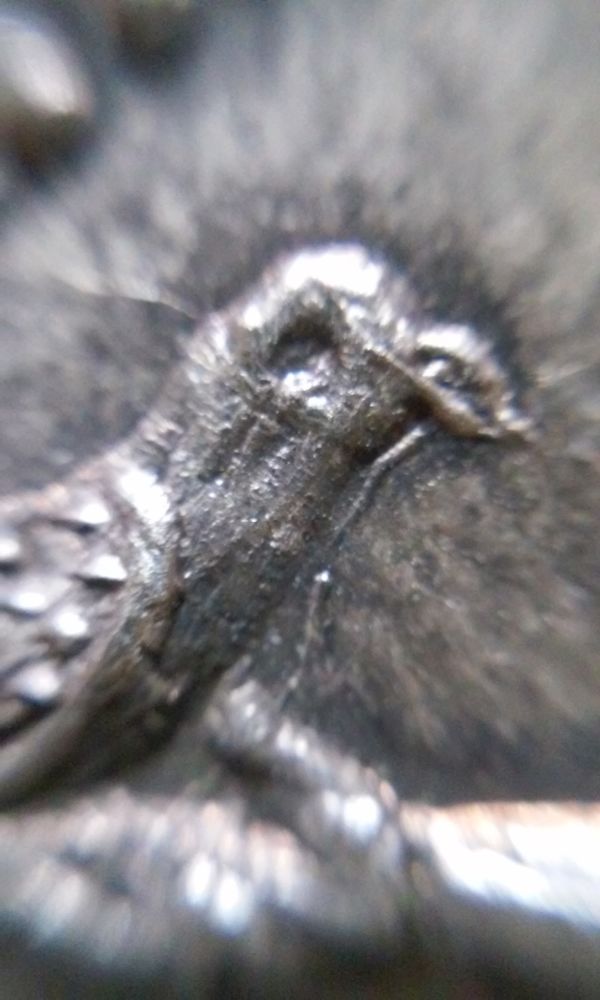 3. About the letters under the chair/stool. 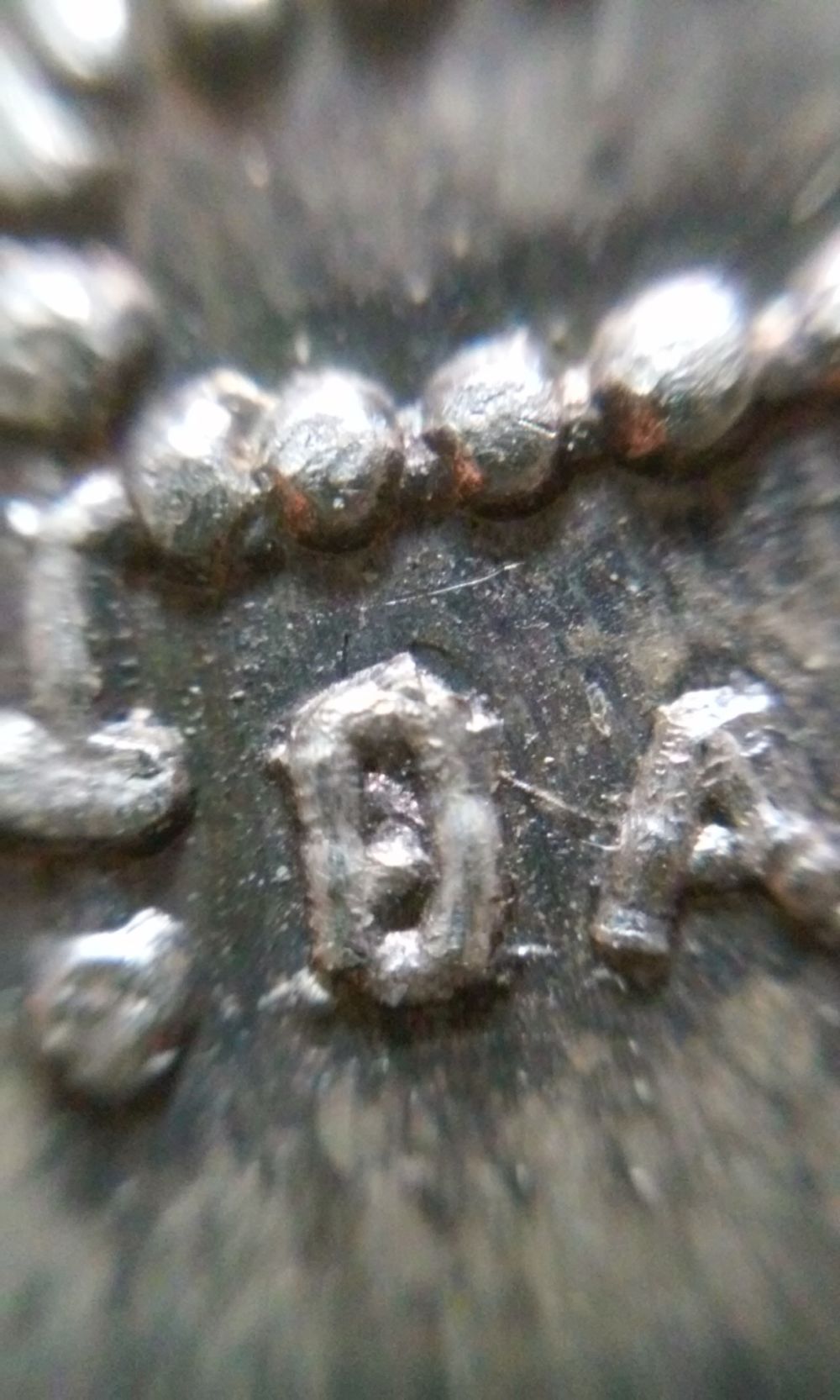 4. Lastly about the bent foot. 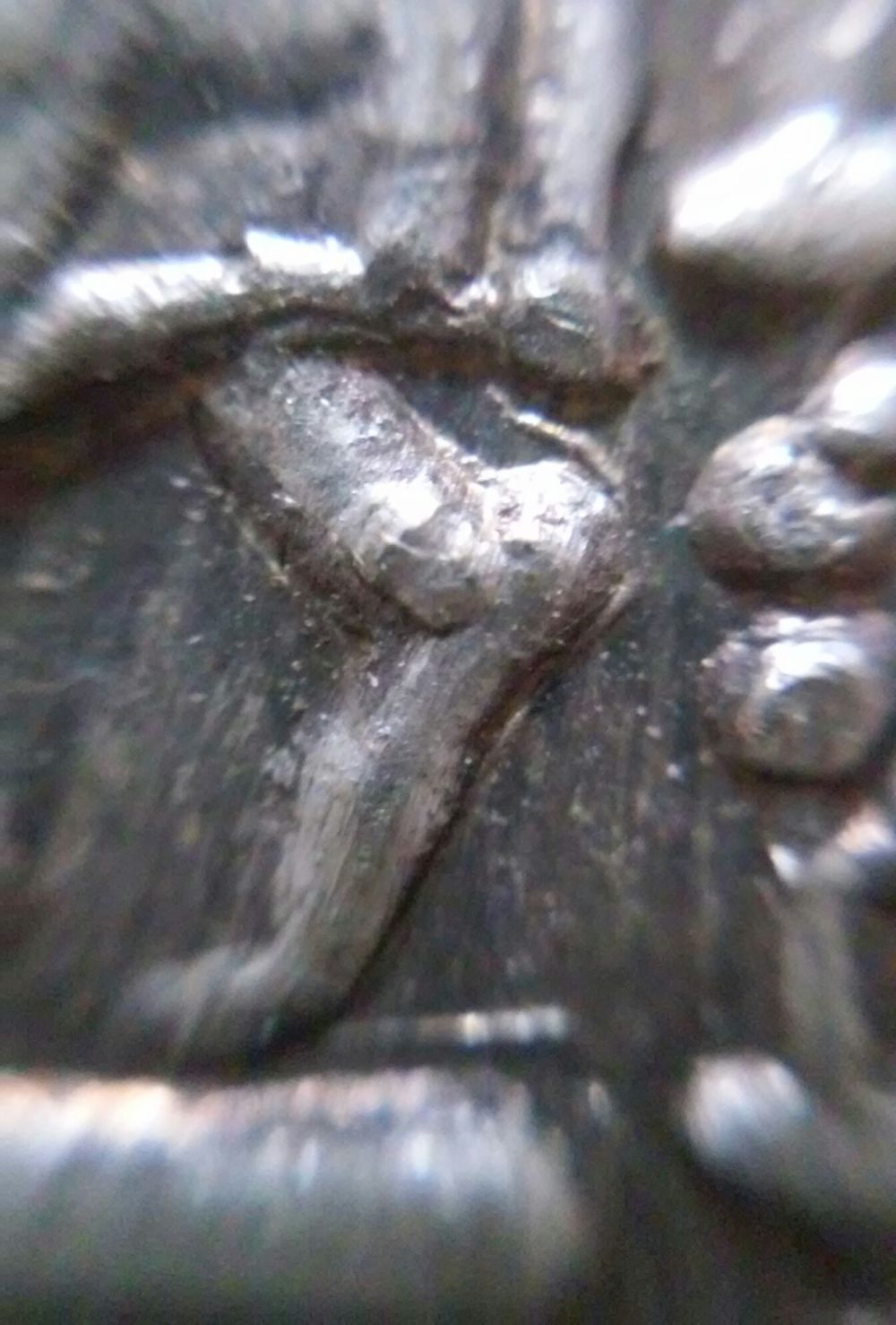 Most important, I thank you all for your opinions. |
|
Moderator
 United States
23731 Posts |
Those lines are very odd. At magnification I would expect to see flow lines for the strike, but not lines like this.
|
|
Moderator
United States
34542 Posts |
Quote:
Those lines are very odd. Ron, just spit-balling here... Is it possible that the die cutter "roughed" out a sketch on the die prior to actually making the design and that is what we are seeing? It is something that some painters will do, but I've never heard of this sort of thing with coins. I don't think that they don't look like any sort of doubling from the coin moving slightly in the dies in between hammer strikes.  "If you climb a good tree, you get a push."
-----Ghanaian proverb
"The danger we all now face is distinguishing between what is authentic and what is performed."
-----King Adz
|
|
Pillar of the Community
United States
7067 Posts |
Quote:
Is it possible that the die cutter "roughed" out a sketch on the die prior to actually making the design and that is what we are seeing?...I've never heard of this sort of thing with coins. That's exactly what it is. I agree that, added to the red flags mentioned in this thread, it's another cause to condemn the coin. However, be aware that guidelines can be seen in genuine examples too on occasion, particularly circles inscribed to help the engravers. Such circles were often used on dies for later Parthian drachms, so the die cutters knew where to place the beads of the borders. From an Artabanos II drachm of mine, for example: 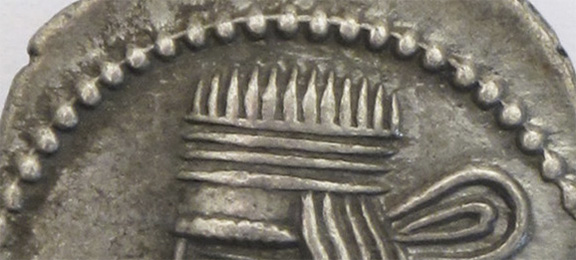 A line below, used not for engraving motifs, but rather for die alignment in this example from Ancient Joe at Cointalk: 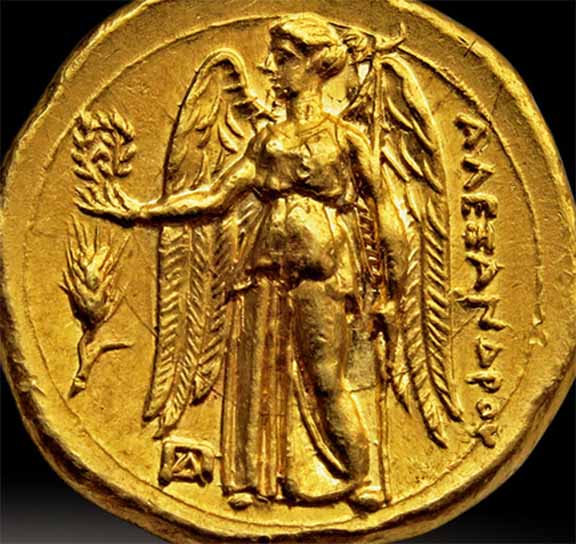 And an example from Martin (maridvnvm), posted at Cointalk...the circle used as a guide for the engraver of the legend: 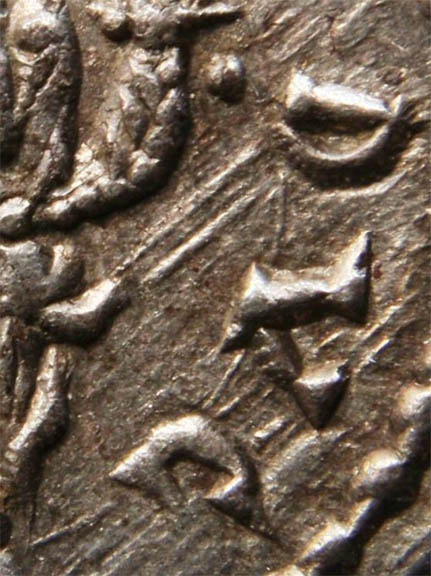 |
|
Moderator
United States
34542 Posts |
Ok that is super-interesting. Thanks Bob!
"If you climb a good tree, you get a push."
-----Ghanaian proverb
"The danger we all now face is distinguishing between what is authentic and what is performed."
-----King Adz
|
|
Moderator
United States
23731 Posts |
Dave the thought crossed my mind but I wouldn't think the die cutter would leave those lines on the finished die. I use to seeing lathe lines on large Ptolemy coins but those are different from these. I really have no explanation for them, however Bob's explanation does make sense. I wish David Sear was a member he would know the answer.
|
|
Pillar of the Community
United States
2843 Posts |
Quote:
If you do an XRF analysis, look for trace metals, not the purity of the silver. Sooo, I got to the XRF guy today, he said that it was 100% silver. I was looking over his shoulder and I thought I saw a trace amount of gold. like .1% Would a genuine example be nearly pure silver? I started this thread certain of this coin's fakeness, and not I am unsure... Can we please get a new smiley face that has dollar sign eyes for "Caught the get-rich-money-bug"? |
|
CCF Advertiser
United States
1318 Posts |
While I don't have a reference for this next statement I would highly doubt any ancient silver coin is 100% silver ever. A couple of years back someone let me play with a handheld XRF instrument and I scanned so many coins I had at a show I was selling at. Ancient ores are so random, impressively so, for trace elements. Only something modern would be that fine silver. My opinion only of course.
|
|
Pillar of the Community
United States
2843 Posts |
Quote:
Only something modern would be that fine silver. My initial thoughts as well. My second thought was- why silver at all? This is a question that always troubles me about counterfeiters. Why the devoted attention to some details, and the ignorance of others. They can google just like the rest of us. |
|
Pillar of the Community
United States
549 Posts |
Two more things condemn it as fake. Look at the crossbars on his throne. They are not precisely horizontal. They almost look as if drawn with perspective. That never happens on genuine Alexanders. Also, the upper torso is too frontal.
|
|
Moderator
United States
34542 Posts |
@BS, thanks for following up with the XRF info. This has been a really awesome thread in my opinion.
"If you climb a good tree, you get a push."
-----Ghanaian proverb
"The danger we all now face is distinguishing between what is authentic and what is performed."
-----King Adz
|
| |
Replies: 28 / Views: 3,805 |







 First Page


 Posted 04/22/2017 10:43 pm





