| Author |
 Replies: 9 / Views: 1,926 Replies: 9 / Views: 1,926 |
|
|
Valued Member
United States
161 Posts |
|
|
|
|
Rest in Peace
United States
2668 Posts |
Uh, Hash money? Or something like that.  |
|
Pillar of the Community
Belgium
2895 Posts |
remove the lastic before taking pictures please. you can search this (old) book: https://www. Dangerous site - not allowed! /s/c6cidiqnu6hpsu4/Catalogue_Chinese_Coins_7thcBC-621AD.pdf?dl=1 edit: please find the link to the catalog here: https://en.numista.com/forum/topic60083.htmlIt is safe to download Edited by Petrus
06/17/2017 2:42 pm
|
|
Pillar of the Community
United States
7067 Posts |
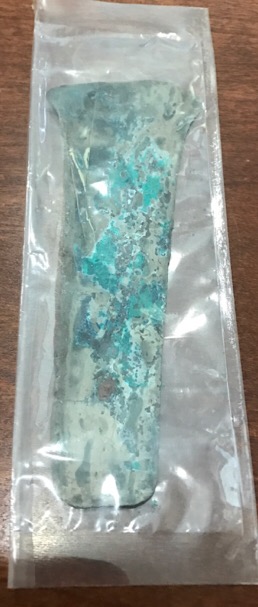
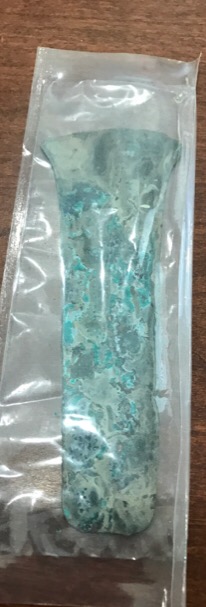
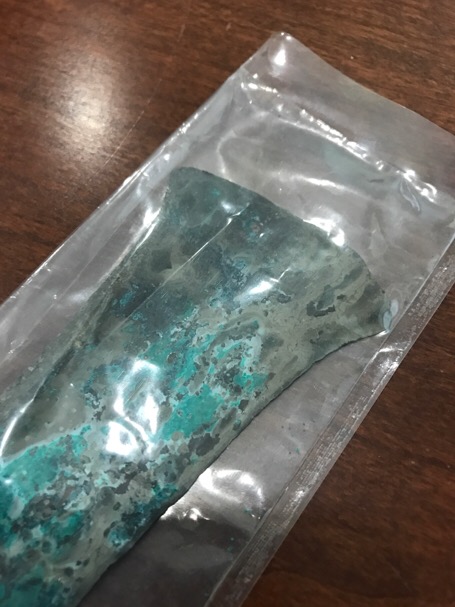
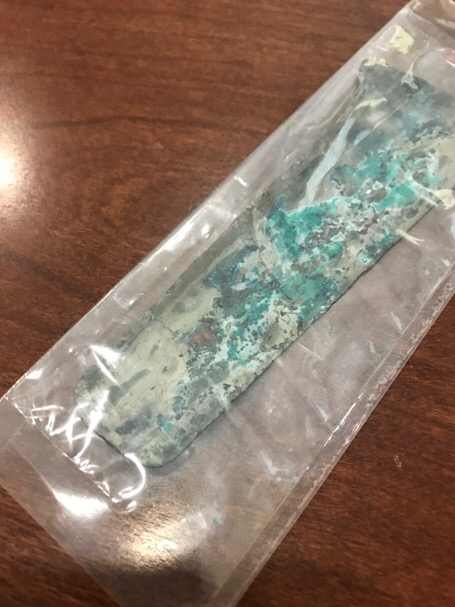
Not Chinese. It's an example of Pre-Columbian hoe money.
|
|
Pillar of the Community
United States
7067 Posts |
To contribute a bit more info, the OP example is of the Guerrero-Michoacan type of hoe money, and dates c. 1200 - 1520 AD. You'll occasionally see these listed as Aztec money, but they are not. Rather they are likely from the Tarascan or other west Mexico cultures of that period. Some examples, below. 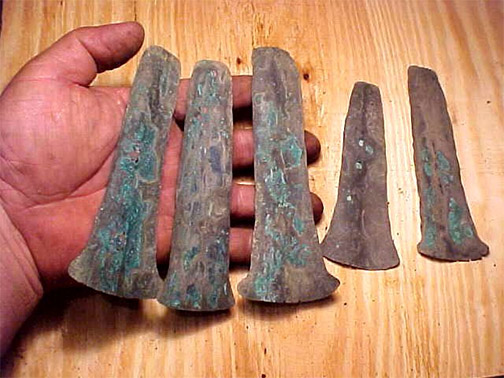 (treasurenet.com) 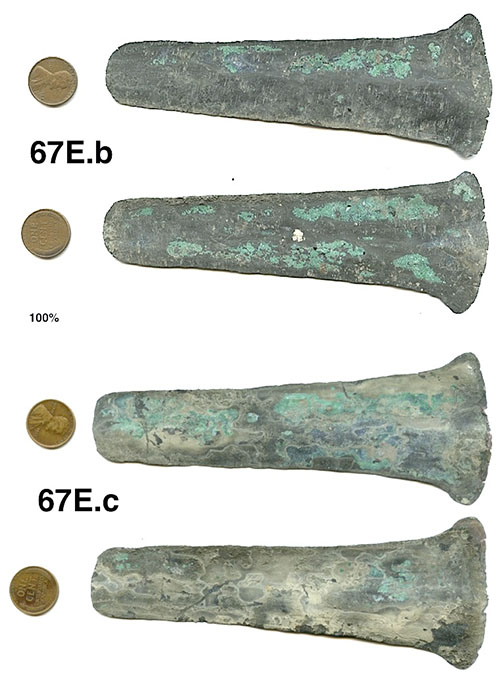 (coincoin.com) 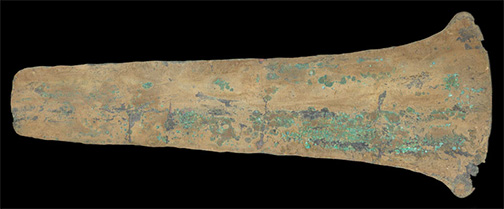 (anythinganywhere.com) 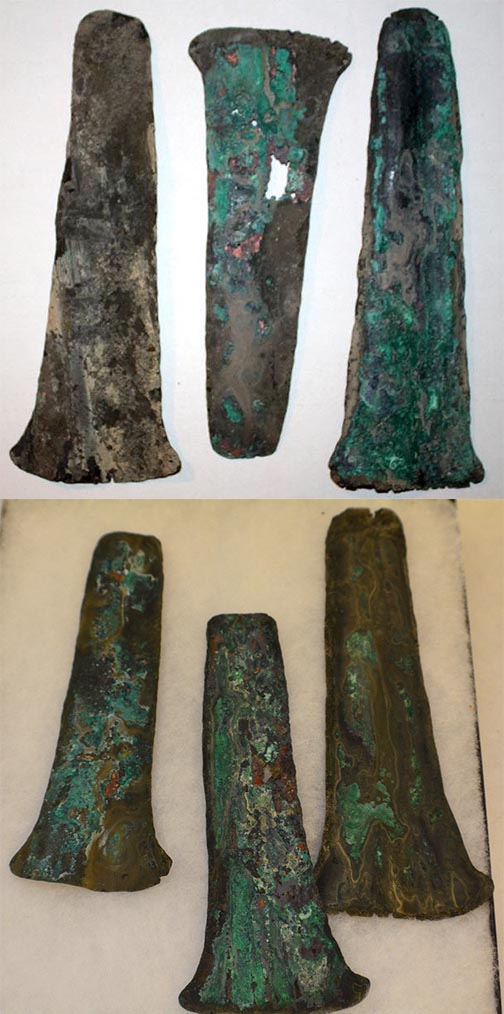 ( ebay) |
|
Valued Member
United States
344 Posts |
Hash money? Pre- Colombian hoe money? What side of coin community did I find myself on?  Cool find for an estate sale though. Btw I don't recommend flexing it  |
|
Valued Member
 United States
161 Posts |
|
|
Pillar of the Community
Belgium
1194 Posts |
first time I see this kind of money . Hoe money , if you say this in Dutch :Hoe money = Hoe geld , it means : what , is this money ? albert
|
|
Pillar of the Community
United States
6370 Posts |
Thank you Bob! I have one of these and had no idea what it was.
|
|
Pillar of the Community
United States
7067 Posts |
Yeah, I had remembered seeing one of these at a meeting of the local ancient coin club. Somebody had passed around as a show-and-tell. Like the Chinese spades you wrote about recently, Thomas, these are likely derived from actual tools but are far too flimsy (note Rmassey210's comment "...it is flexible") to be anything other than what they are: money.
Some excerpts from "The Hoe Money of Central and South America" by James Martin:
"...archeaologists and numismatists specializing in Mexican coins concur that these hoe, or axe, shaped metal artifacts were used as money...If you review the earliest bronze money of China you can follow the transition of money development from the bronze 'spade,' used as a tool to turn earth and to weed crops, to the proto-coin that was used as money. The proto-coin soon represents a certain standardized weight of metal and can no longer be used as a tool even though it still resembles one. As the transition progresses the money soon looses [sic] all visual relationship to the original tool...In a similar way the hoe money system developed in South America and was quickly adopted in Central America..."
|
| |
Replies: 9 / Views: 1,926 |
|












 Posted 06/17/2017 2:32 pm


