



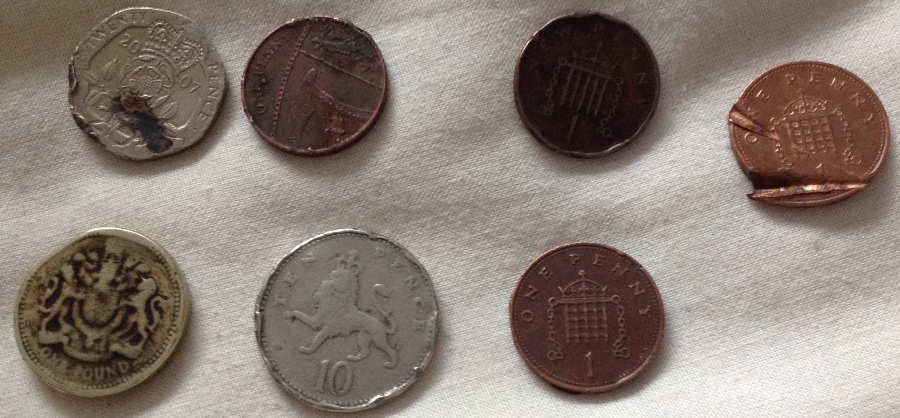
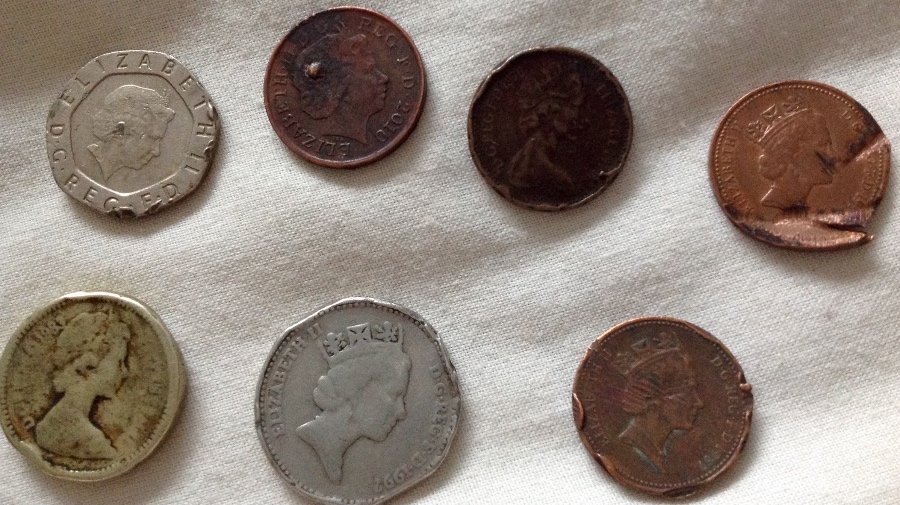
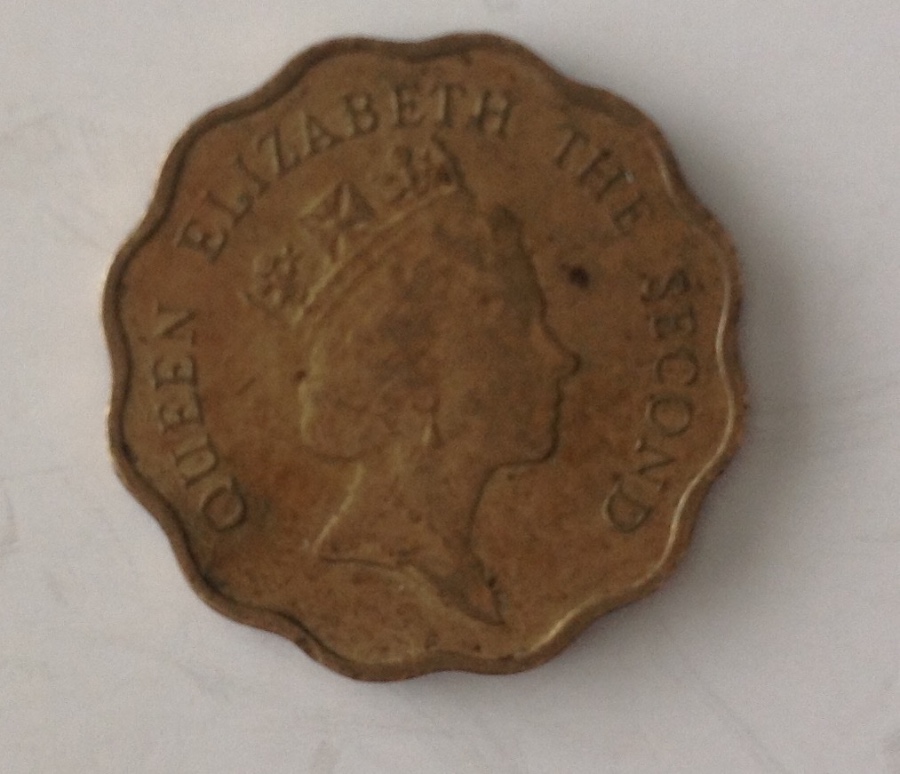
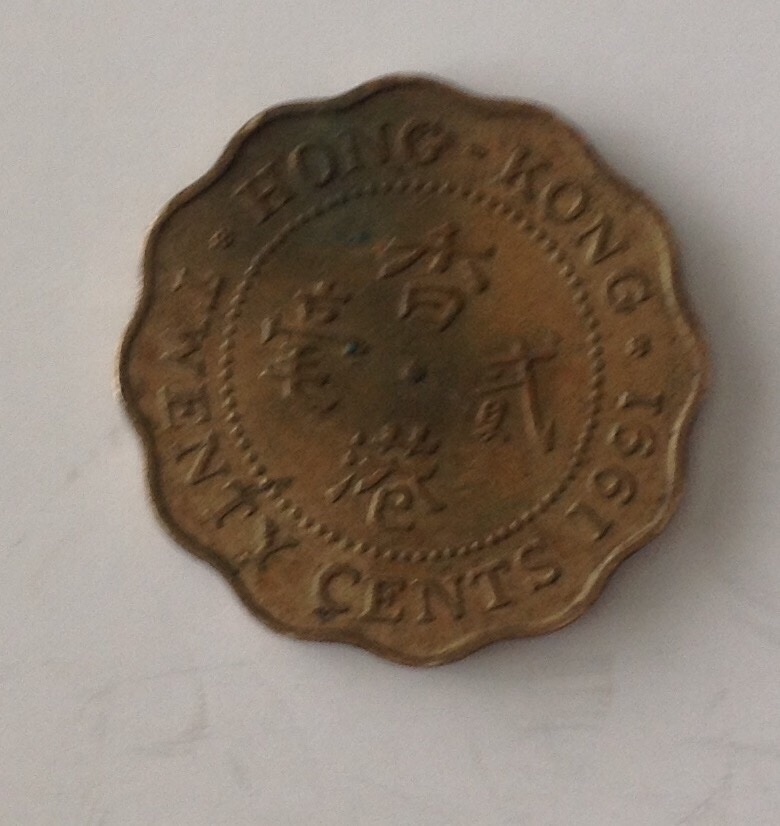
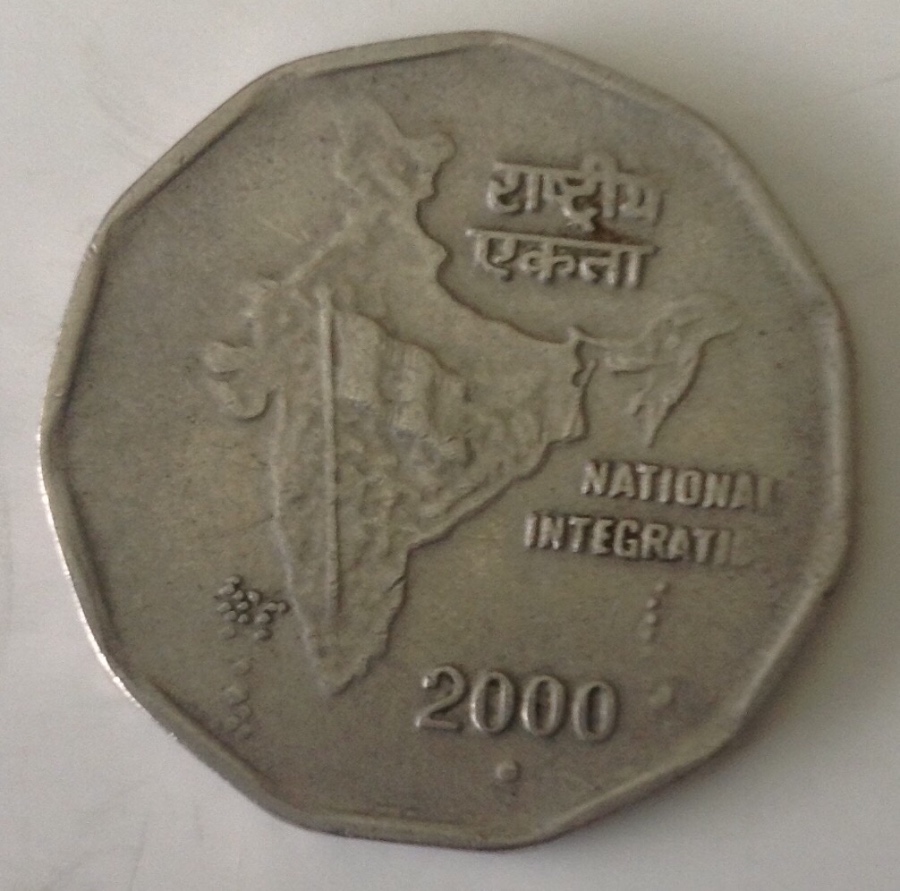
Any possible or reasonable explanations for what fate these coins could have endured in the past to make them as they are pictured today
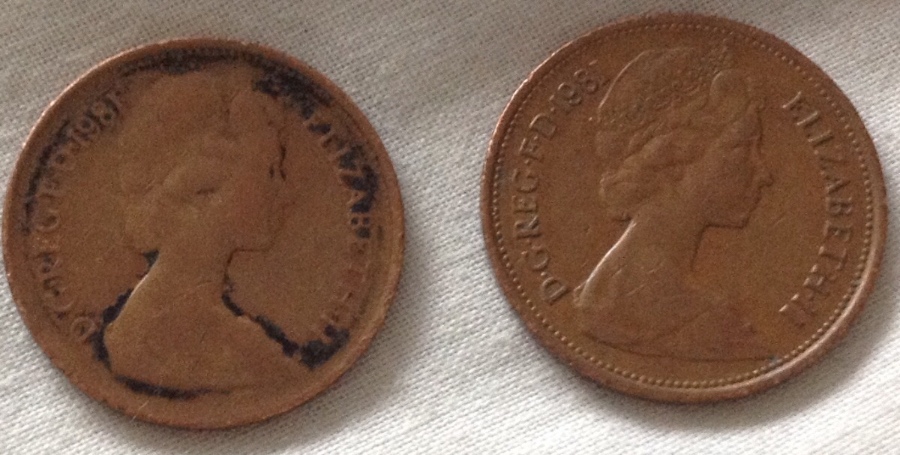
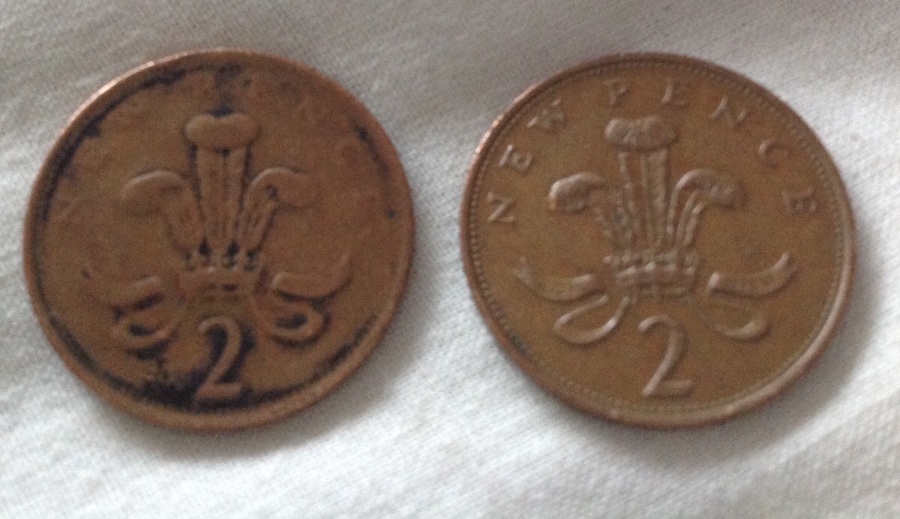
First 2 pics relate to a 1981 2p coin that is smooth to touch and has what appears to be black shadowing on various parts, compared to the other 1981 pictured with it.
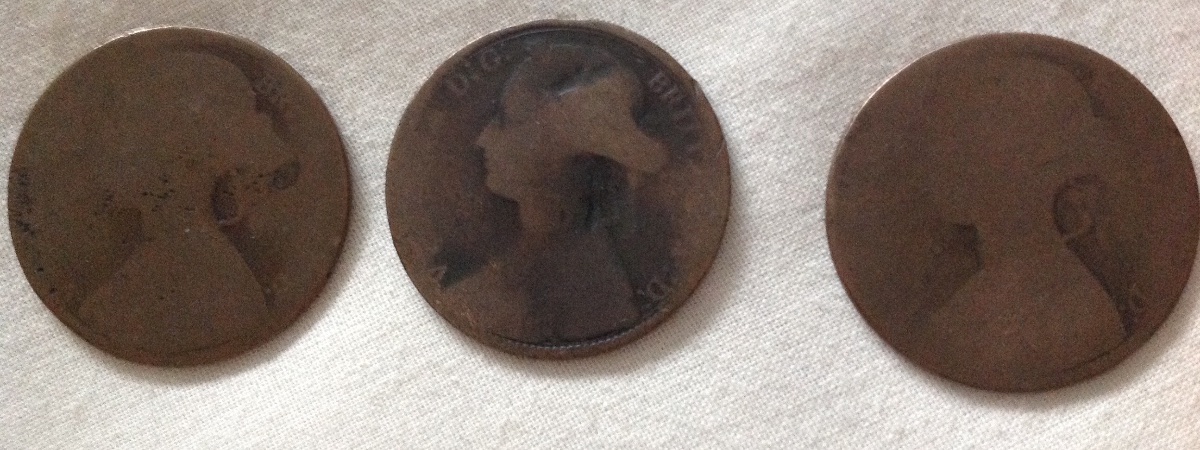
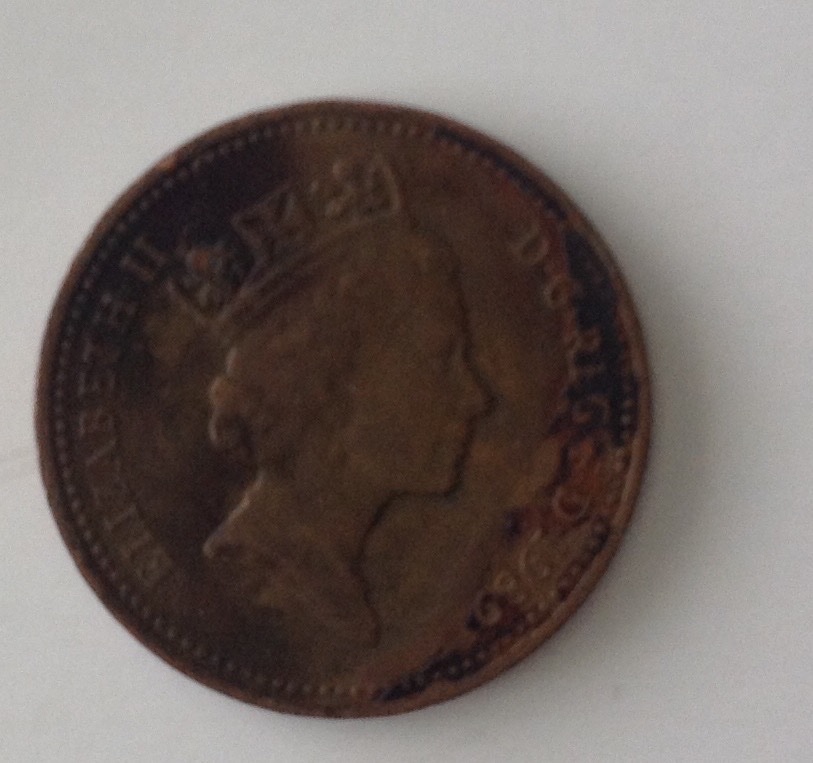
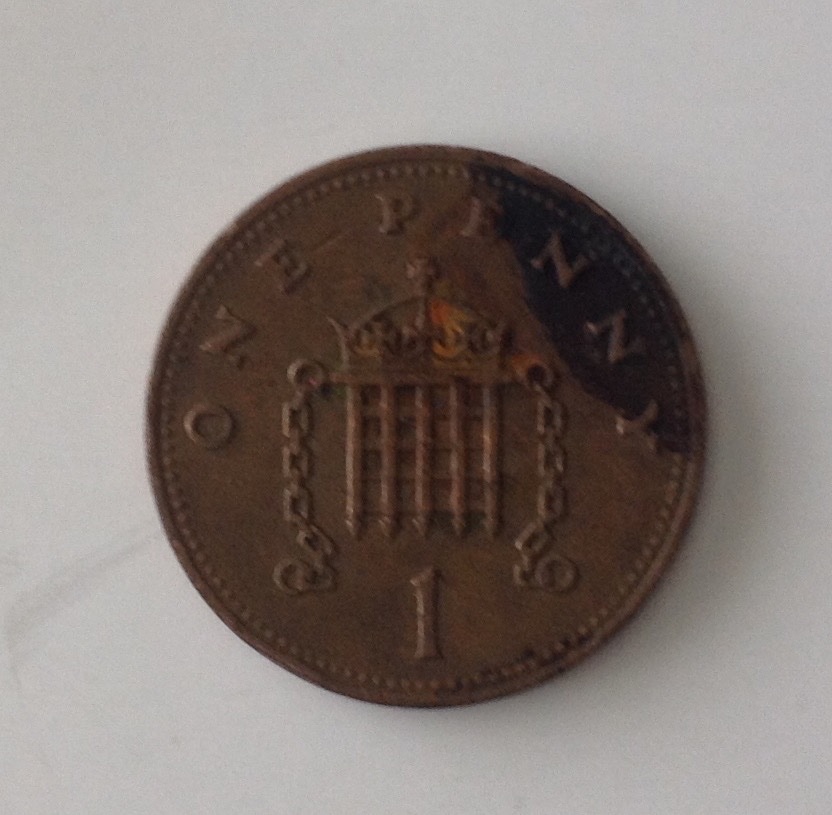
The next pictures are the early large one penny (possibly bun head)
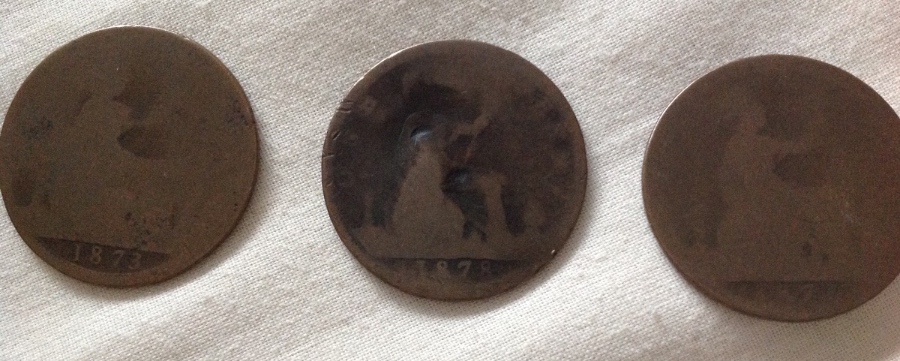
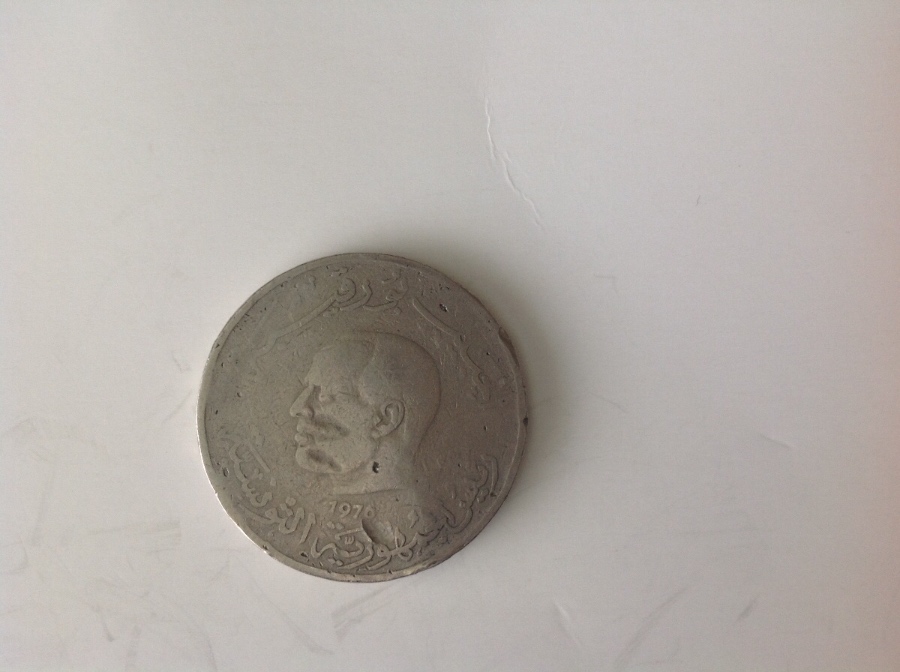
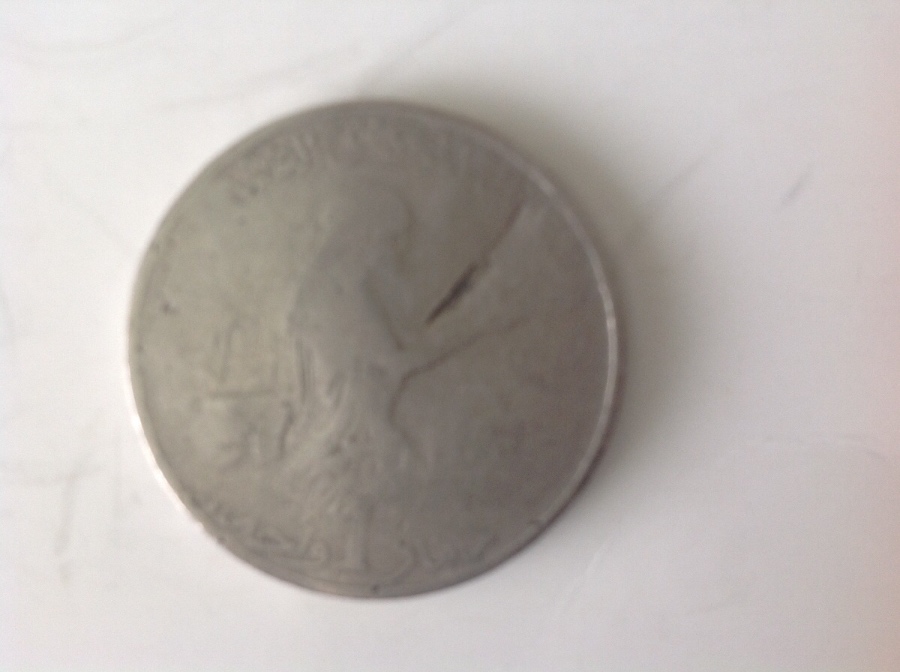
The last ones are a small selection of coins I'm curious about.
Most have simply circulated to the worn point you've photographed. Those with darker toning is from extended contact with a material causing toning or corrosion, such as laying in the dirt, laying with other coins for long periods, or just the gunk picked up during circulation.
Those with cuts have simply been damaged, possibly intentionally.
The badly damaged British Maklouf portrait penny was probably dropped on the grass and hit by a lawnmower - I've found similar coins in parks after the grass has been cut.
Can you tell me how the 2p coin became smooth you can't feel any of the lettering, date etc, would that have been filed possibly? The 10p has what appears to be extra metal overlapping it, would you have an explanation for the cause possibly?
I am not very familiar with all of the British coinage, however looking at the 2p you are asking about, makes me believe it is what is called a Dryer Coin, all of the devices get flatted, and the rims normally get bent over. this is from tumbling around in the dryer.
Disclaimer: While a tremendous amount of effort goes into ensuring the accuracy of the information contained in this site, Coin Community assumes no liability for errors. Copyright 2005 - 2026 Coin Community Family- all rights reserved worldwide. Use of any images or content on this website without prior written permission of Coin Community or the original lender is strictly prohibited. Contact Us | Advertise Here | Privacy Policy / Terms of Use