| Author |
 Replies: 9 / Views: 2,025 Replies: 9 / Views: 2,025 |
|
|
Pillar of the Community
Canada
638 Posts |
Is this a DD 1966 Silver Dollar? 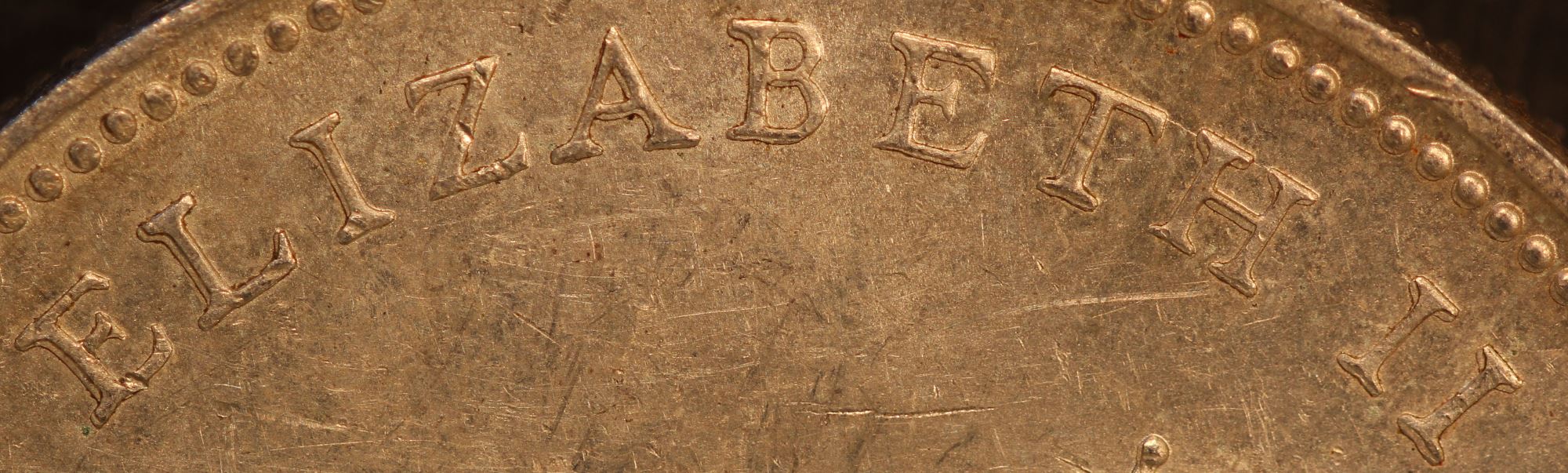 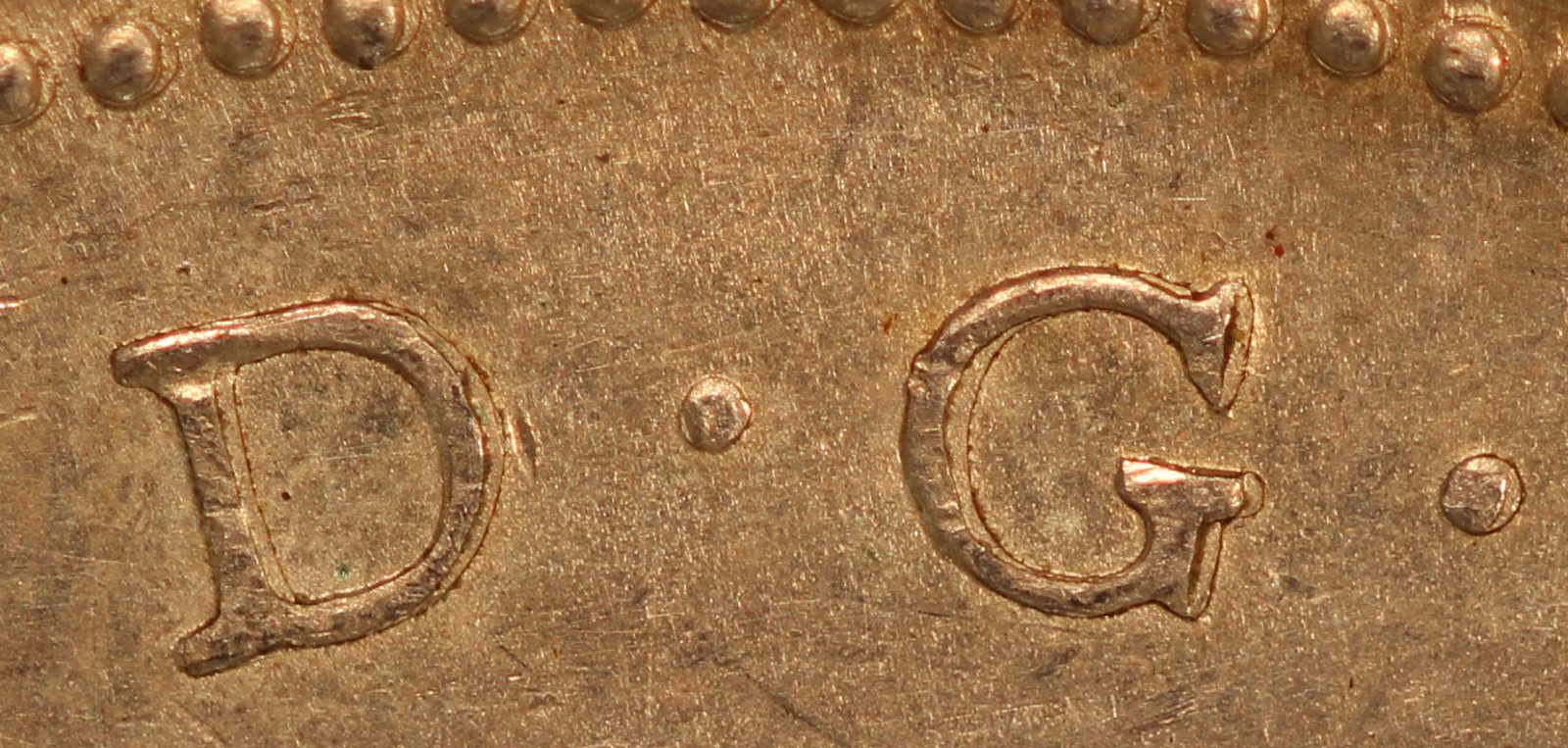 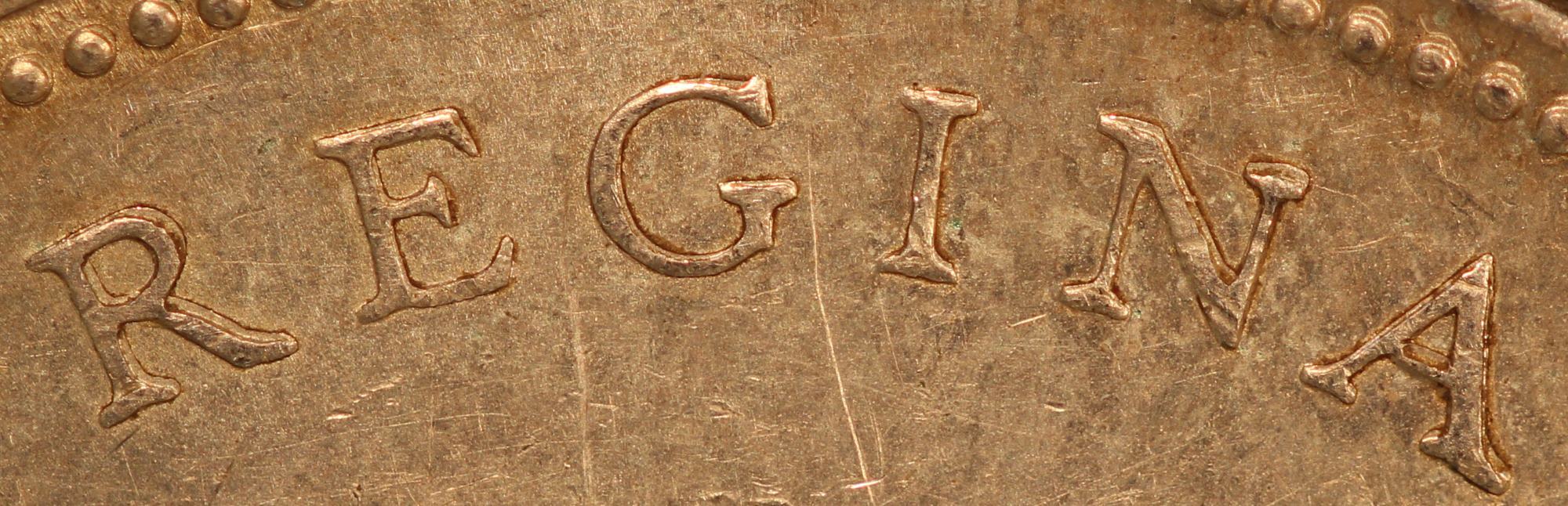 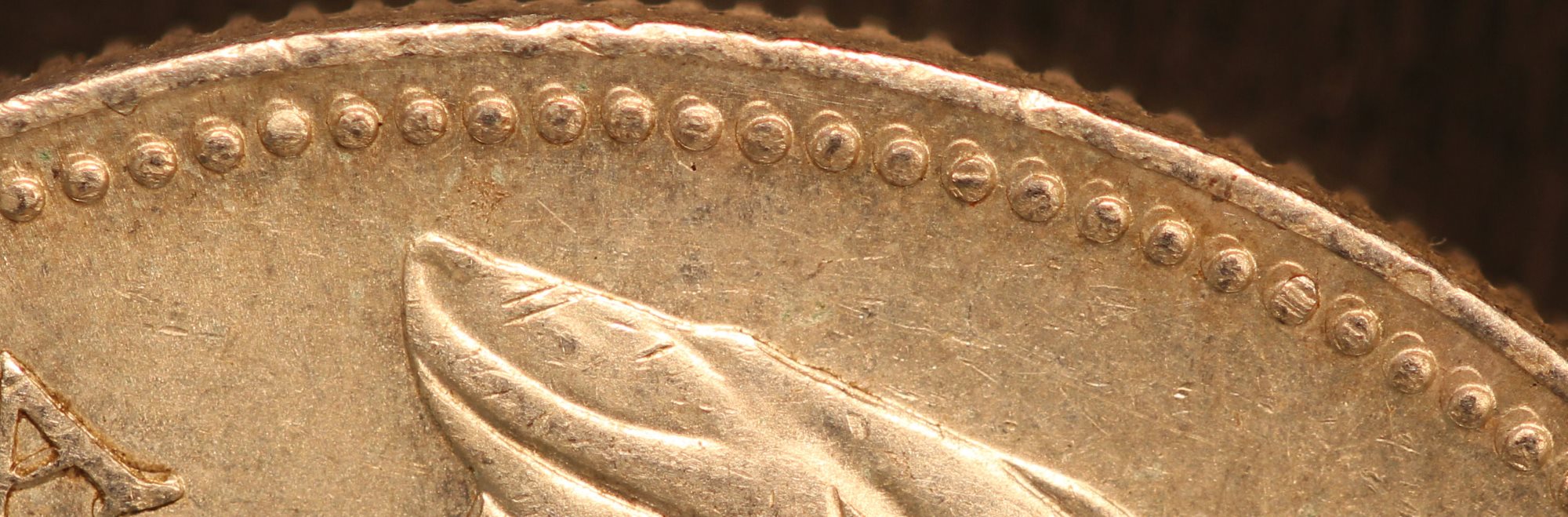 Thanks MG |
|
|
|
Valued Member
United States
406 Posts |
|
|
Moderator
 United States
23522 Posts |
Keep in mind, a true doubled die is going to have a second impression which is an exact copy of the first. In this case, that's most obvious on the G - note the shape of the top serif "double." It's distinctly different from the "original," and should show the same curvature. This is impossible with Die Doubling, and characteristic of Machine Doubling. I've never liked the term "machine doubling," because it's deceptive and inaccurate for what's actually happening when it's created. It should be more accurately called "machine smearing." But it's the term we use, so we're stuck with it.  |
|
Pillar of the Community
Canada
1463 Posts |
I agree that would be MD, and also think super Dave saying "machine smearing" is maybe more appropriate. Has it been considered that this sort of doubling can be as much a result of improper annealing? Brittle metal has a hard time flowing and pucking into the small areas of a die when struck, while the larger devices on the coin remain relatively normal in appearance.
I notice this phenomenon does not appear on roman coins where the metal is almost red hot before entering the dies, I would expect a wonky hammer strike to create this sort of thing, so the doubling or smearing may be more to do with the condition of the metal rather than strike itself?
|
|
Moderator
United States
23522 Posts |
Quote:
I notice this phenomenon does not appear on roman coins where the metal is almost red hot before entering the dies, I would expect a wonky hammer strike to create this sort of thing, so the doubling or smearing may be more to do with the condition of the metal rather than strike itself? I believe the anomaly of MD to be directly related to the speed of the strike and the accuracy of the machinery. A slower or faster strike and/or more tightly-toleranced machine parts would not allow the wandering required for this much movement during the miniscule time the die was in contact with the coin. I'm thinking a certain narrow percentage of speed setting, in conjunction with the necessary machine looseness, is the only way MD can manifest. Were it a derivative of planchet preparation, I would think we'd see a far higher prevalence of this doubling. Another consideration is, I'd think the edges of the phenomenon would be much less sharp, characteristic of metal flow rather than metal placement, were annealing to be a contributing factor. And this is very minor movement; it just looks big because the images are big. If I've measured correctly, the maximum displacement visible in these images I measured the D) is 0.25mm. But it's even, consistent movement; the metal was physically deposited there. The retreating die just moved during the upward stroke. |
|
Pillar of the Community
Canada
1463 Posts |
I think is important to discuss this. I thank you for your explanation. I'd add, a specific amount of force is required to strike an annealed planchet is say x amount of tonnage, while a brittle plancet may require double the force conceivably to achieve full strike. if the blank is hard, be it age hardened from older left over blanks, or improper annealing the hardness of the blank itself can cause slight movement in dies when struck, on the other hand a softer blank would not cause movement. The answer I suppose would be to view flip over double struck coins in collar that have been immediately work hardened by first strike, is Machine Doubling present on second strike? This would prove or disprove my point? Further more,I notice that Machine Doubling happens in batches, 1962 double nickel eg, is it conceivable that those may have been improperly annealed, or in fact force of strike issue? Edited by Alan
08/17/2017 1:49 pm
|
|
Pillar of the Community
 Canada
5646 Posts |
Mechanical or Machine Doubling is caused by the die being slightly loose in its holder/keeper. The "smearing" does NOT occur during the actual strike ... it is the millisecond after the strike, when the press is removing the die from the planchet. If you look in any book on 'Errors", machine or Mechanical Doubling is NOT included in the "striking" section because it happens just AFTER the "strike" As soon as a floor worker tightens down the screws, the "smearing" stops and you get good clean strikes again. As the die loosens further, you will get more "apparent" offset or even a directional change. You can find many coins of the same date that have more of the design elements involved (for instance the number of letters involved)or further apparent offset on those already affected. Again, all this disappears once the screws/holders/keepers are tightened and re-aligned. There are 2 types/categories of MD .. push doubling and slide doubling. Edited by okiecoiner
08/18/2017 04:59 am
|
|
Moderator
United States
23522 Posts |
Quote:Further more,I notice that Machine Doubling happens in batches, 1962 double nickel eg, is it conceivable that those may have been improperly annealed, or in fact force of strike issue? Well, that's also explainable by the die becoming loose for a while - continuously striking MD coins - and then being tightened again. |
|
Pillar of the Community
Canada
1463 Posts |
I always wondered about Machine Doubling, thank you for sharing your knowledge on that. |
|
Bedrock of the Community
United States
79069 Posts |
|
| |
Replies: 9 / Views: 2,025 |
|








 Posted 08/17/2017 08:29 am


