| Author |
 Replies: 9 / Views: 1,689 Replies: 9 / Views: 1,689 |
|
|
Valued Member
Canada
160 Posts |
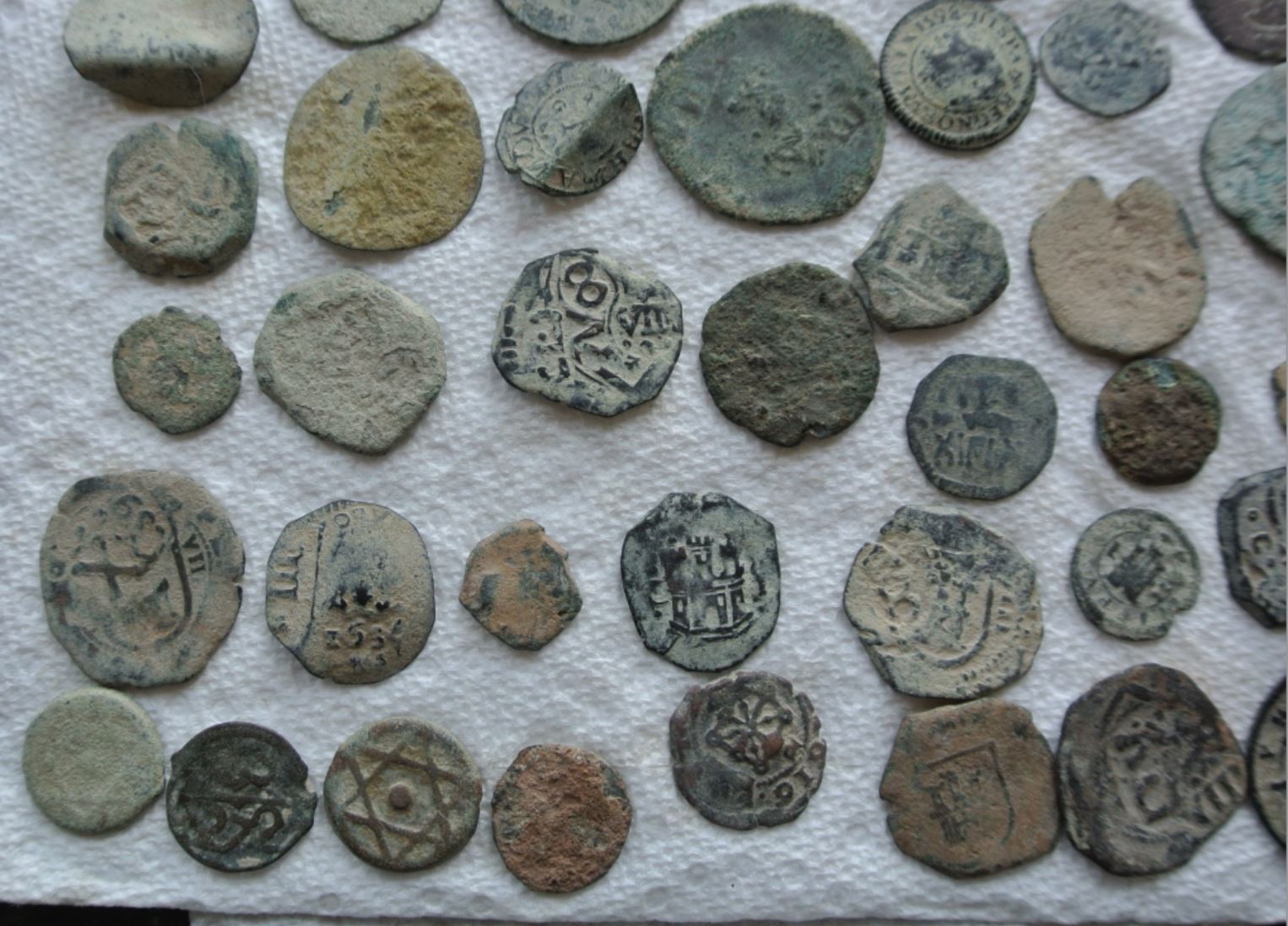
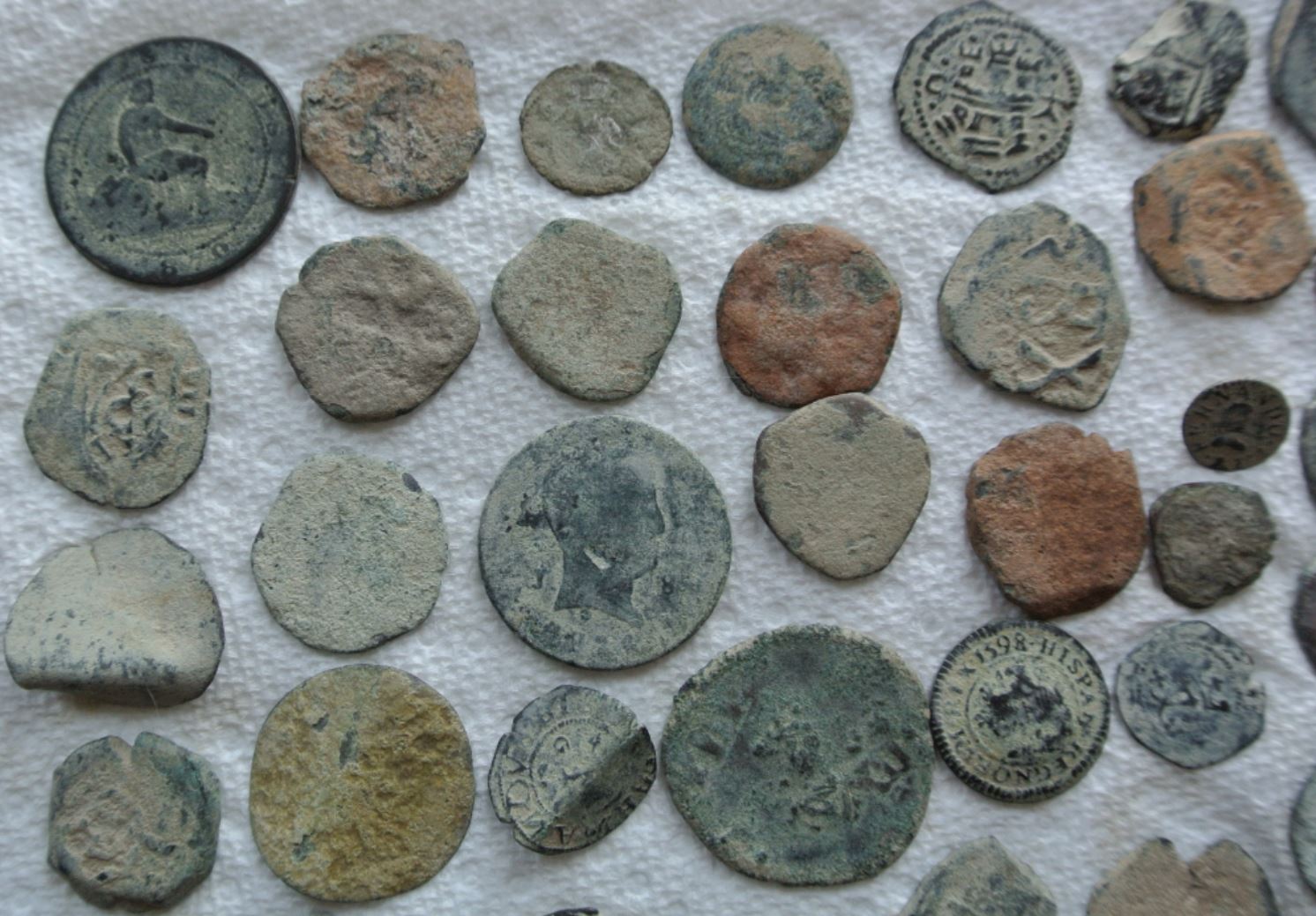
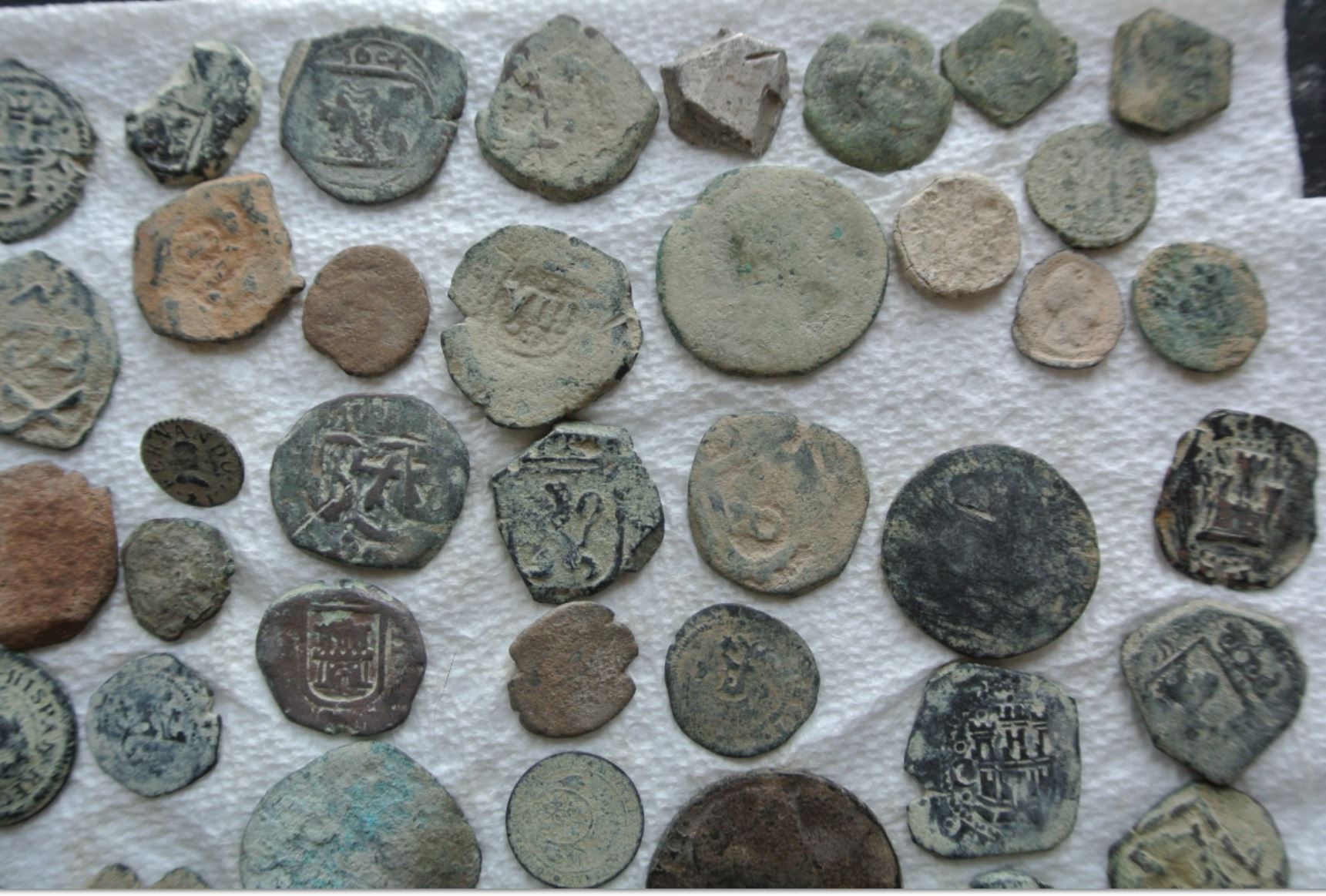
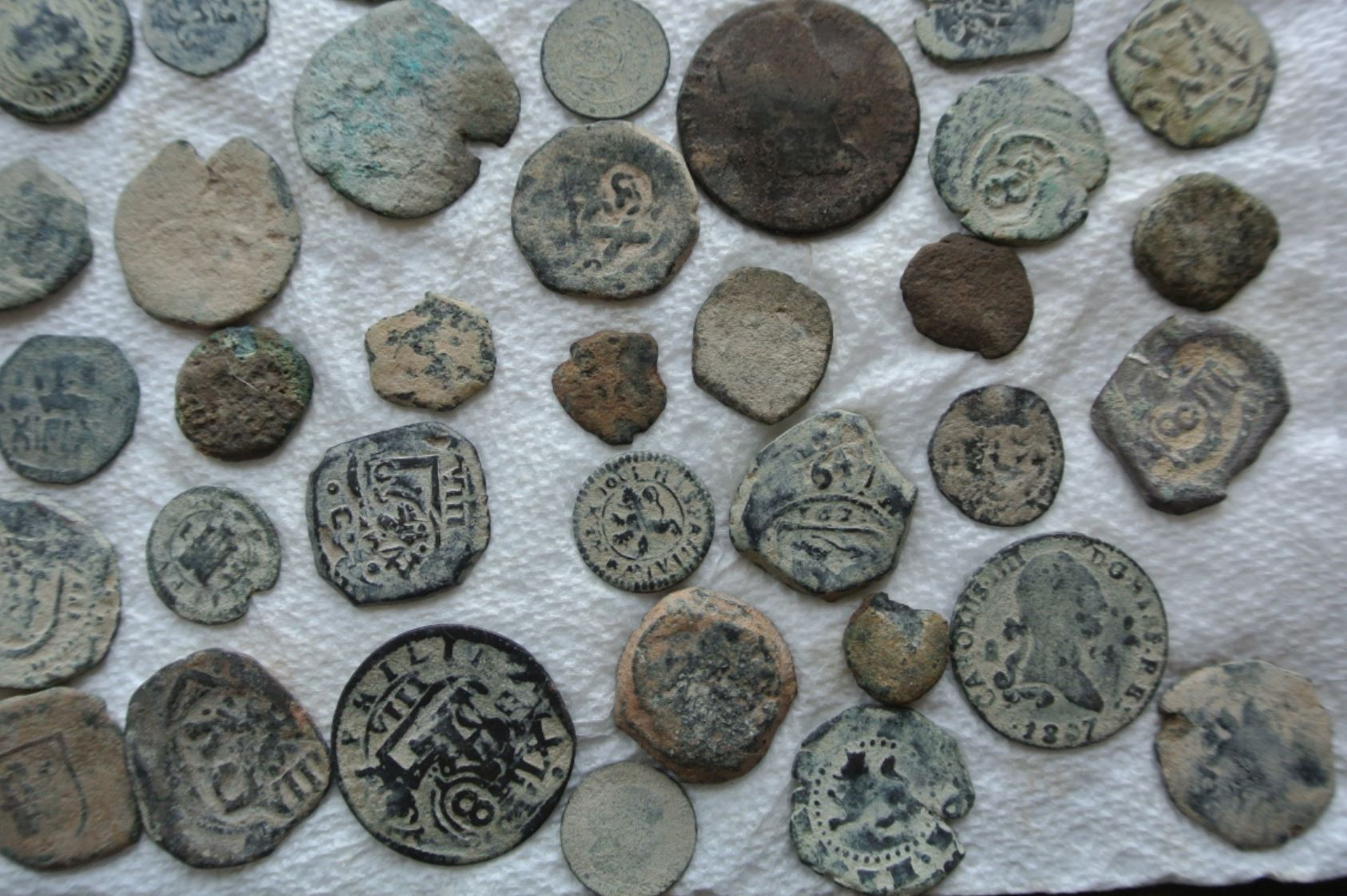
I won this lot of coins a while back and noticed a bit after that the seller is on the FORVM's fake seller list. I got the coins today and I was wondering if anything sees anything off about the coins and whether or not any of them could be fake. The majority of the lot consists of spanish coins, but there are some obvious romans and possibly Greek coins aswell. The original listing is here: http://www.ebay.ca/itm/90-Pirates-C....m2749.l2648I can take a close up photo if anyone sees something wrong with some of the coins. Here are some example pictures 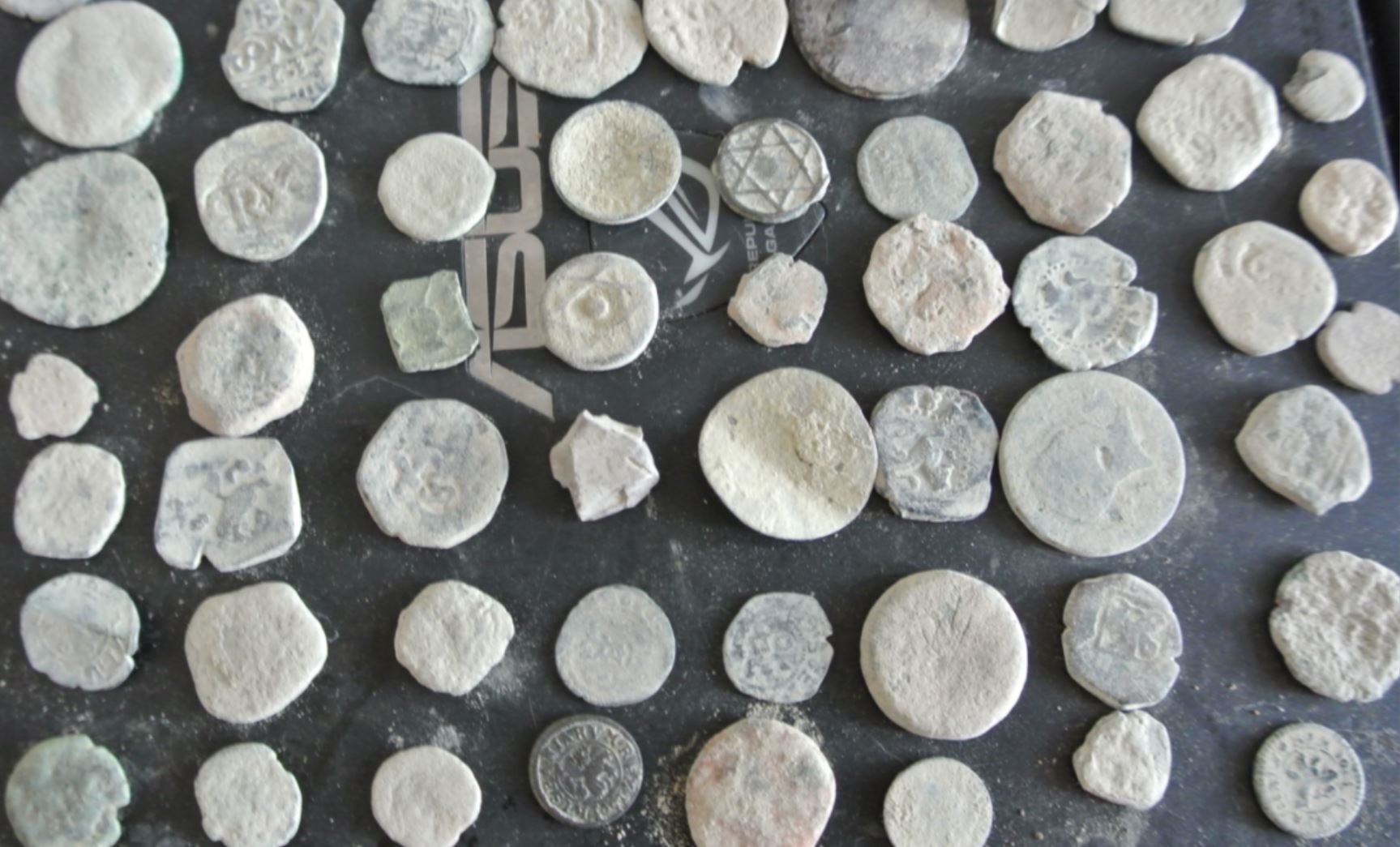 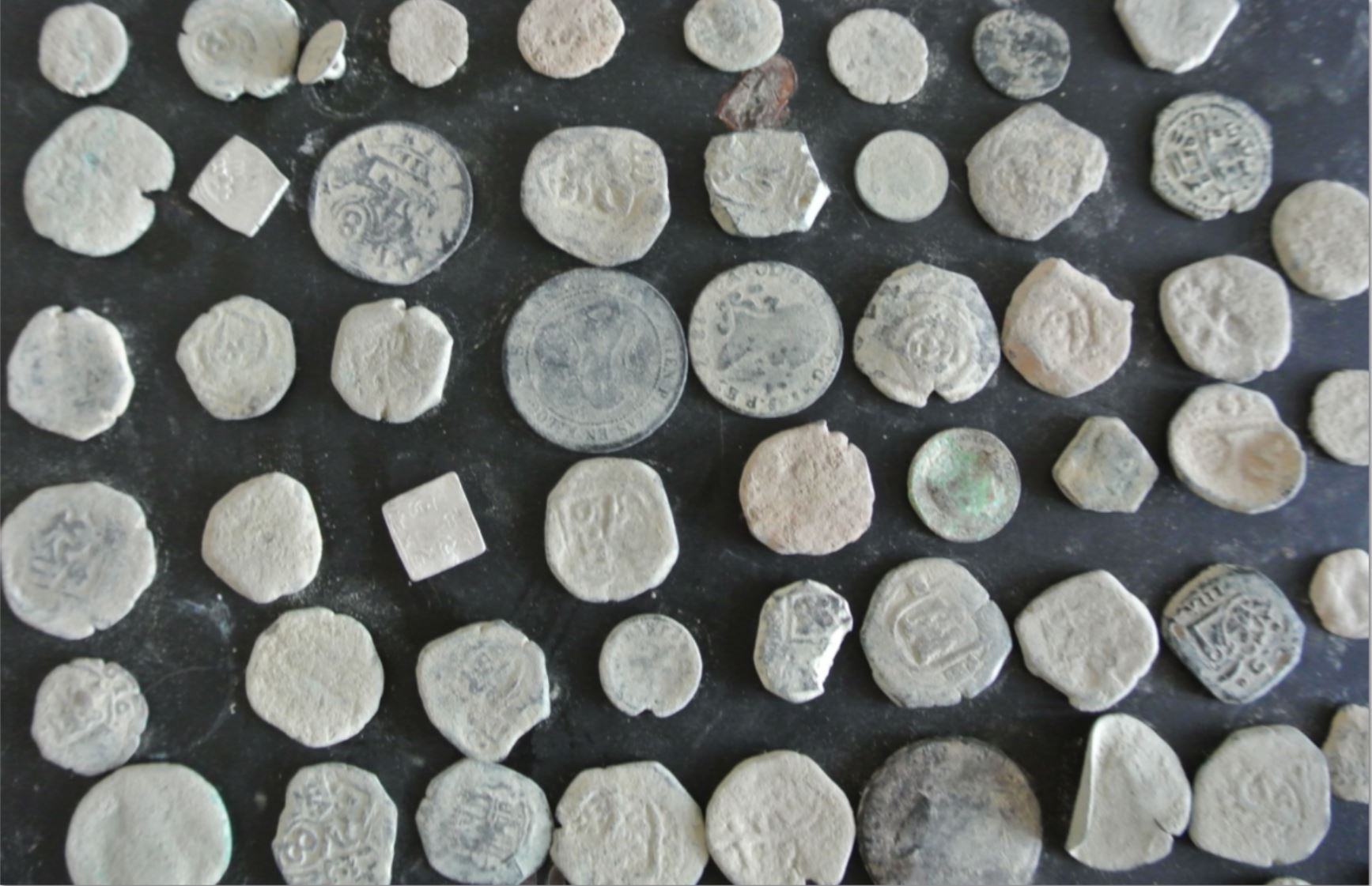 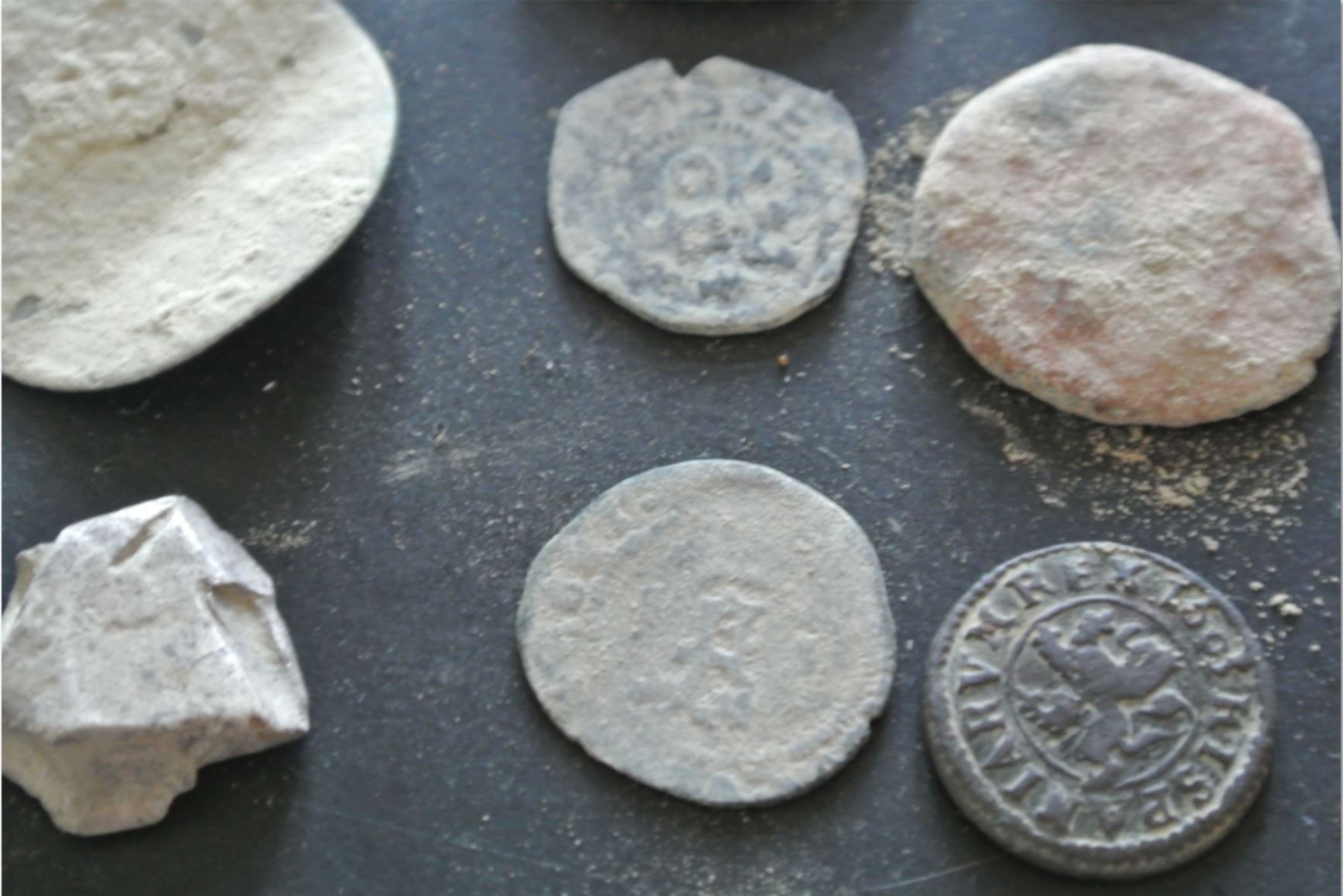 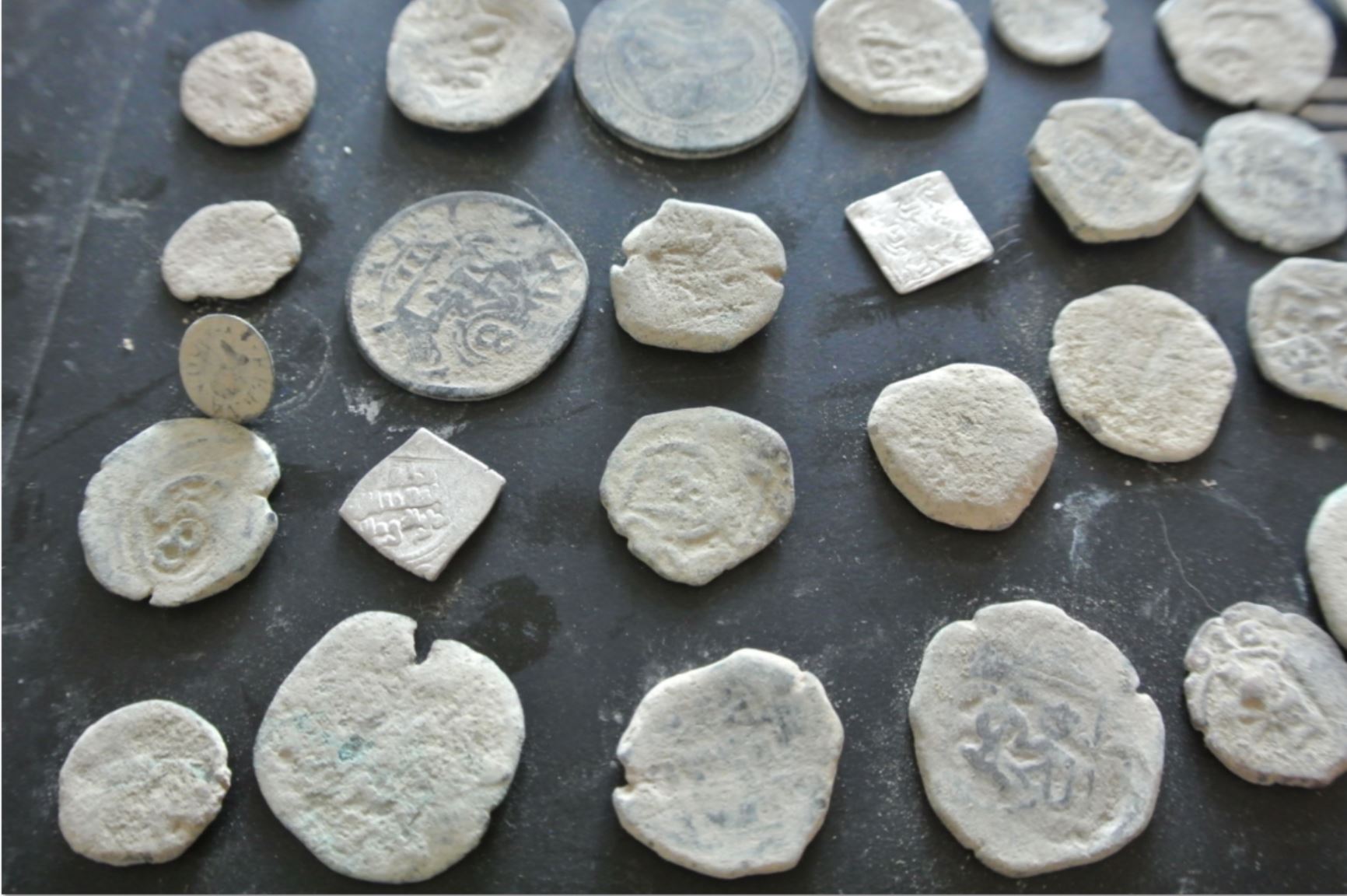 |
|
|
|
Rest in Peace
United States
17900 Posts |
Coins look a lot nicer in sellers photos. At less than a buck each you should do fine, even though about half look like lake skippers.
|
|
Pillar of the Community
United States
7067 Posts |
No red flags for me. They need a good cleaning, but all look genuine as far as I can tell. Should be fun attributing them.
|
|
Bedrock of the Community
Australia
21792 Posts |
I agree with Bob L and moxking. Even if there a few questionable coins in the lot, the price is OK. Actually, I maintain a 'black' collection of ancient coins for my own education. The way I figure it is, if they cost the seller more to produce them than than what they are selling for, that is OK. The thought did cross my mind that they have been buried in aggressive soil, just to make them more convincing. That would just be a challenge to me, to honestly authenticate as many as I can. Lots of effort and patience is sometimes required. "lake skippers" I will have to remember that term!  |
|
Pillar of the Community
United States
1962 Posts |
Has the look of a typical Spain dug lot - lots of cob maravedis, a few milled maravedis... plus encrusted Spain-dug Romans. That big round piece towards the right in the 1st pic looks to be a portrait maravedis piece, btw, not an ancient.
Nothing particularly intriguing there... guessing this is all legit lower-end dug material. I would say, though, a great technique for passing a few "better" fakes would be to mix in with a cheap grouping like this, don't say anything/pretend not to know better... then let people who think they're getting a good deal bid it up decently.
Not saying they use that exact technique... but several of the Spain sellers do peddle genuine cheap junk... but also sell better fakes (usually knowingly, occasionally not). Some even sell some genuine better pieces mixed in as well... there are some blurred lines there.
|
|
Pillar of the Community
United States
6130 Posts |
 all seems like low grade dug stuff; I would clean it and see if any can be improved on. I bought a few similar lots when I was dabbling around for an area of focus. Got a few nice coins and a whole lotta junk which I flipped back on ebay. This one is fairly homogeneous... I have seen lots ranging from pre-Roman celtiberian up to 1870s 5 and 10 cent coppers. I assume they just pile up the month's finds and divide into lots? I would be curious to see something like a blog of these detectorists... what coins they find where and which ones are found together. |
|
Valued Member
 Canada
160 Posts |
|
|
Pillar of the Community
United States
6130 Posts |
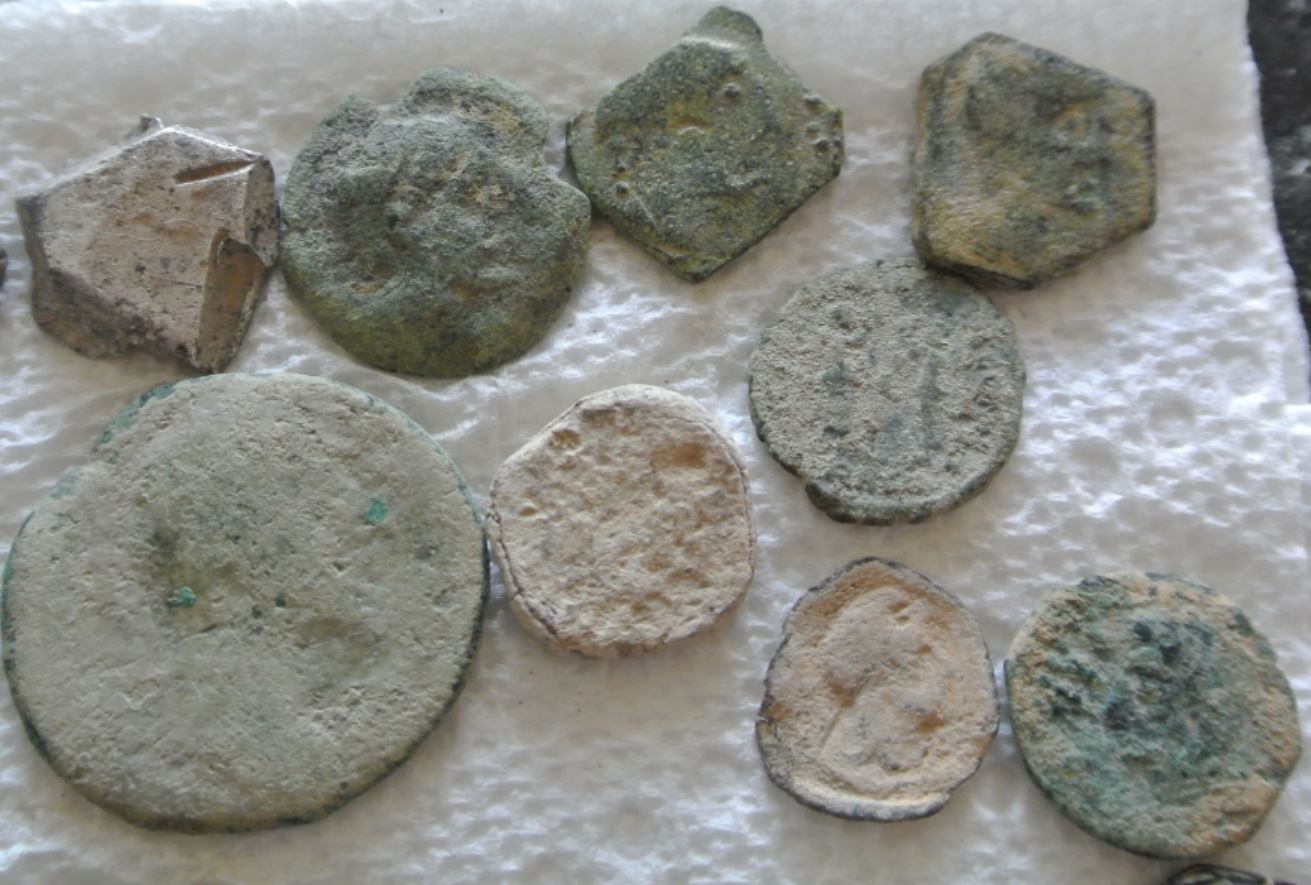
Some promising coins in the last pic. The three at the top (not that chunk of metal) are Celtiberian, Castulo if I am not mistaken. 1st or 2nd century BC. Common as far as celtic coins go, but could be worth as much as $5 each, depending on the reverse.
The two at the bottom also look promising.
|
|
Pillar of the Community
United States
7067 Posts |
Quote:
The two at the bottom also look promising One of which appears to feature a bust in Phrygian cap. |
|
Valued Member
Canada
160 Posts |
Here's a closeup of the bottom two coins. 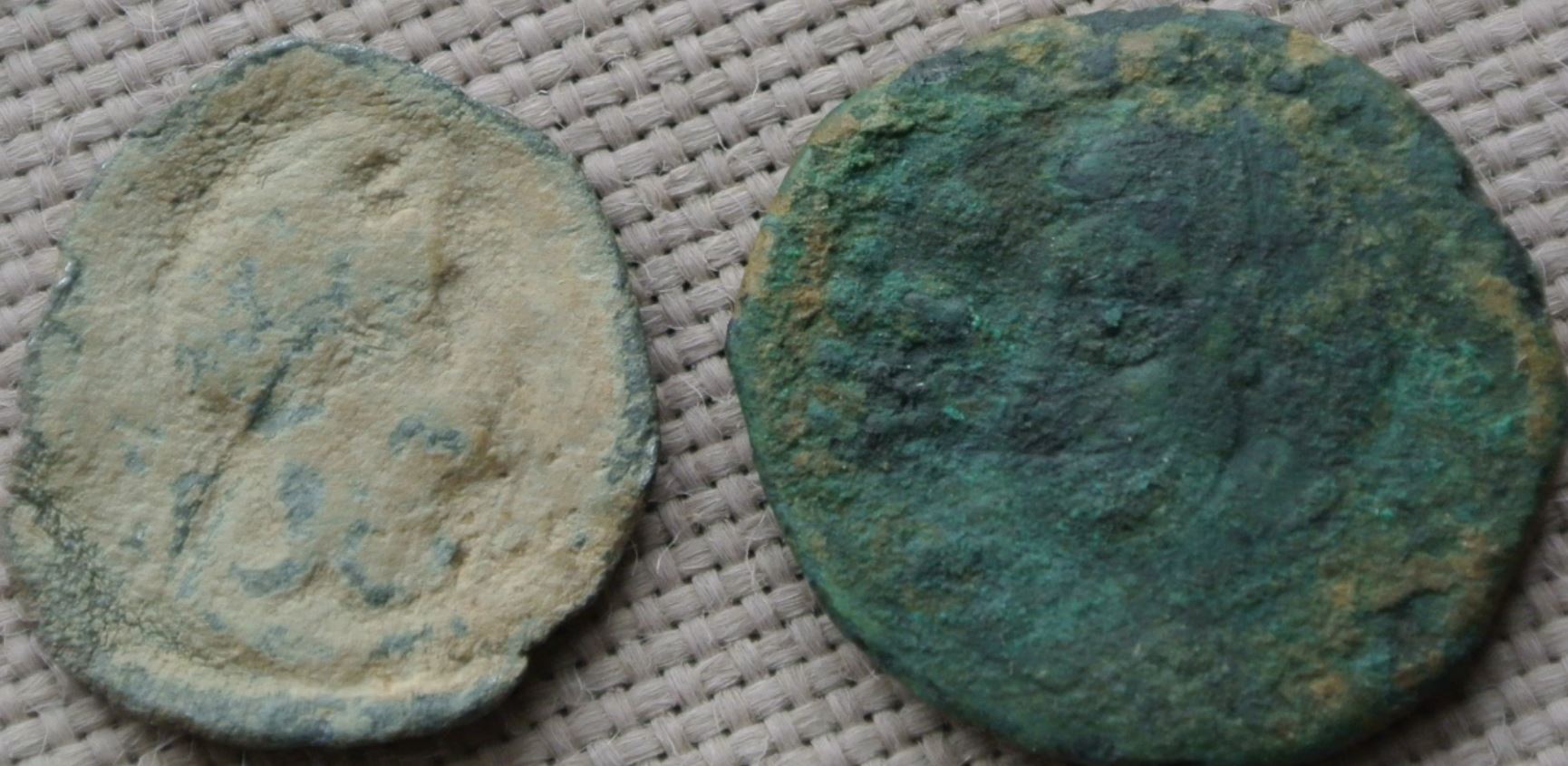 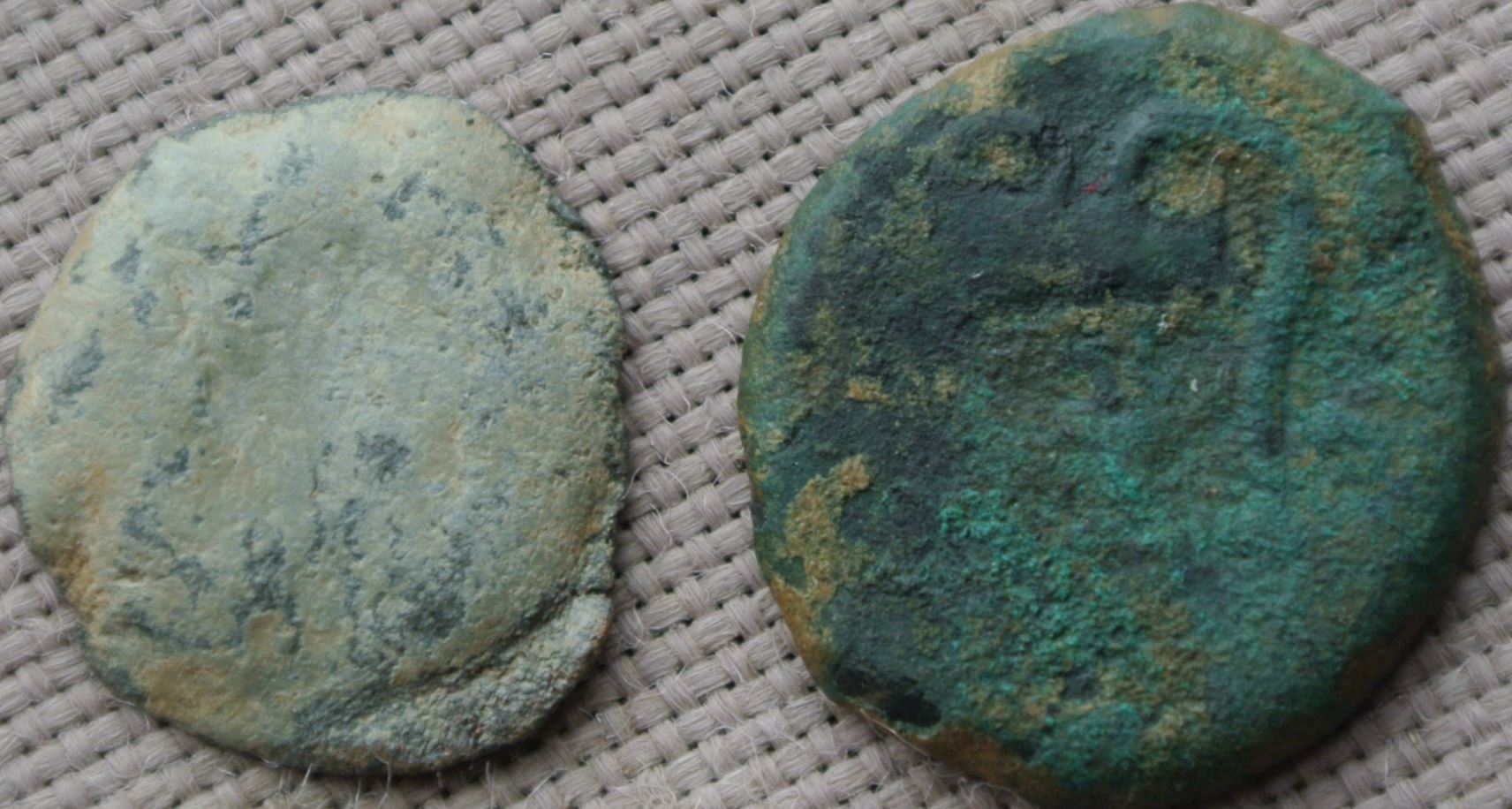 |
| |
Replies: 9 / Views: 1,689 |
|







 Posted 09/11/2017 8:24 pm