









 Posted 09/18/2017 2:15 pm


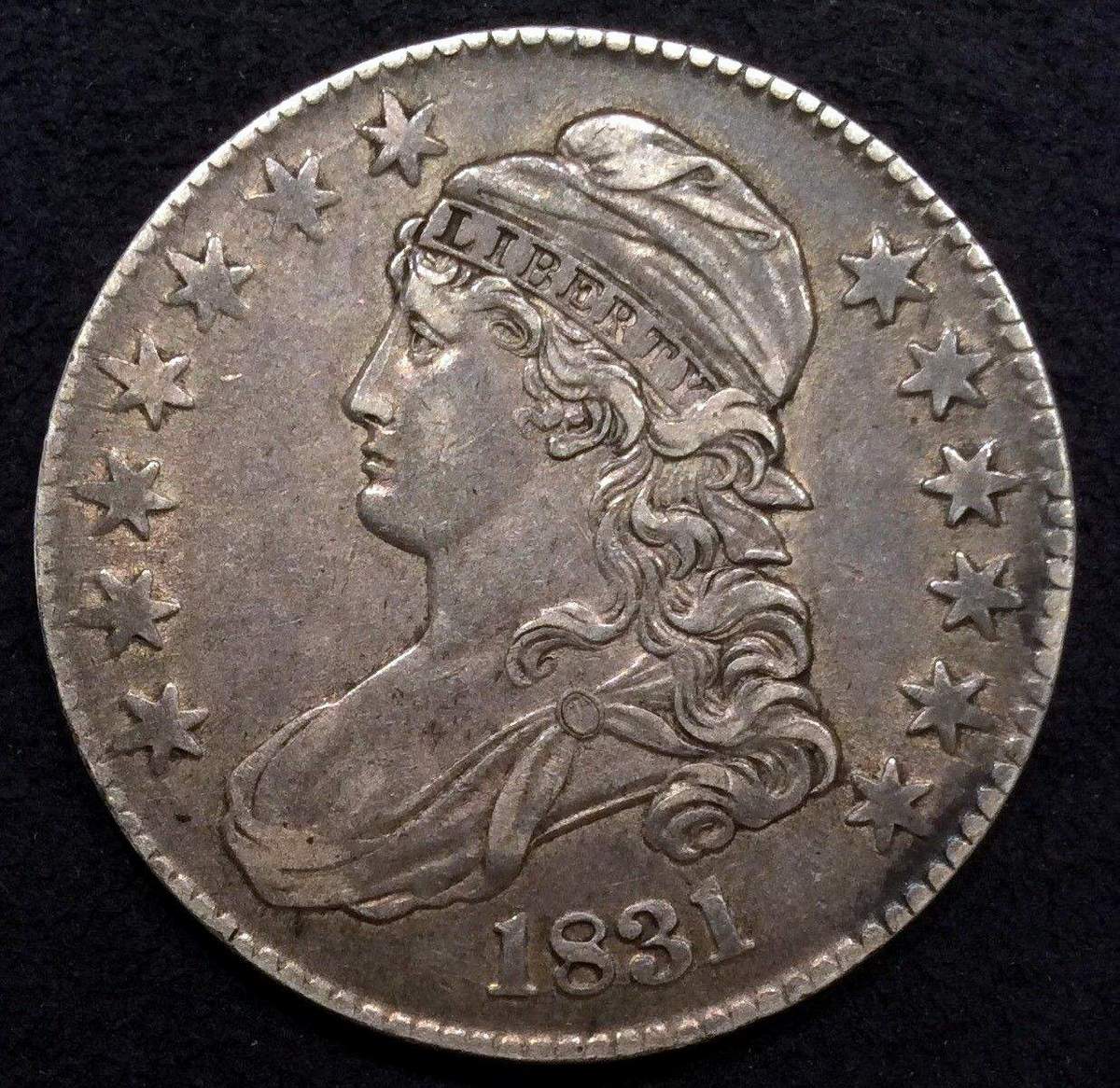
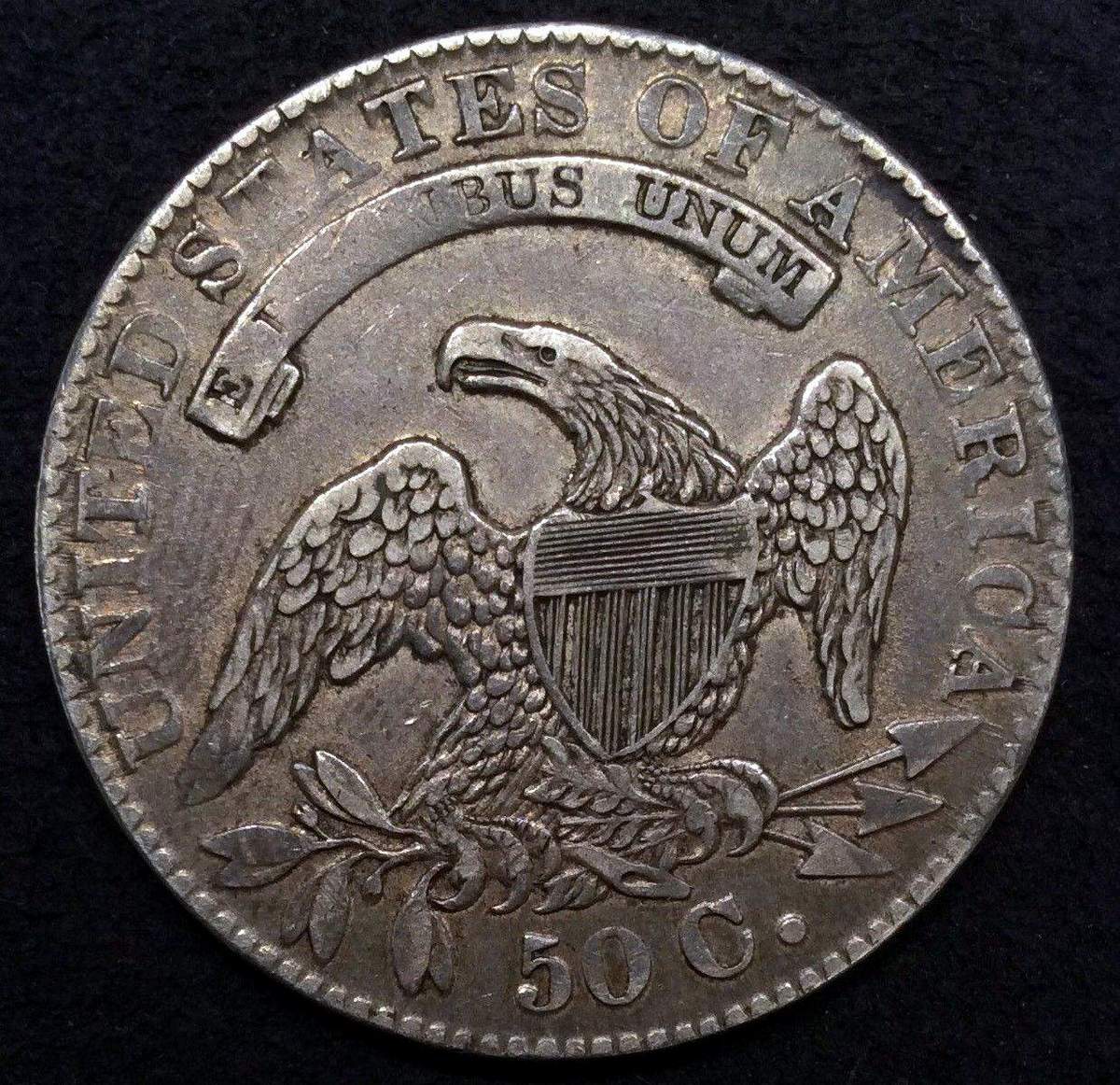
The 1831 is typical weakness of strike caused by that spot being opposite of the greatest need for metal fill on the obverse, on the bust. On this example, there's some weakness noted in the bust itself, too. With that in mind, the true technical grade is probably a bit higher than first glance would indicate; I have it as a pretty good VF, and O-111.
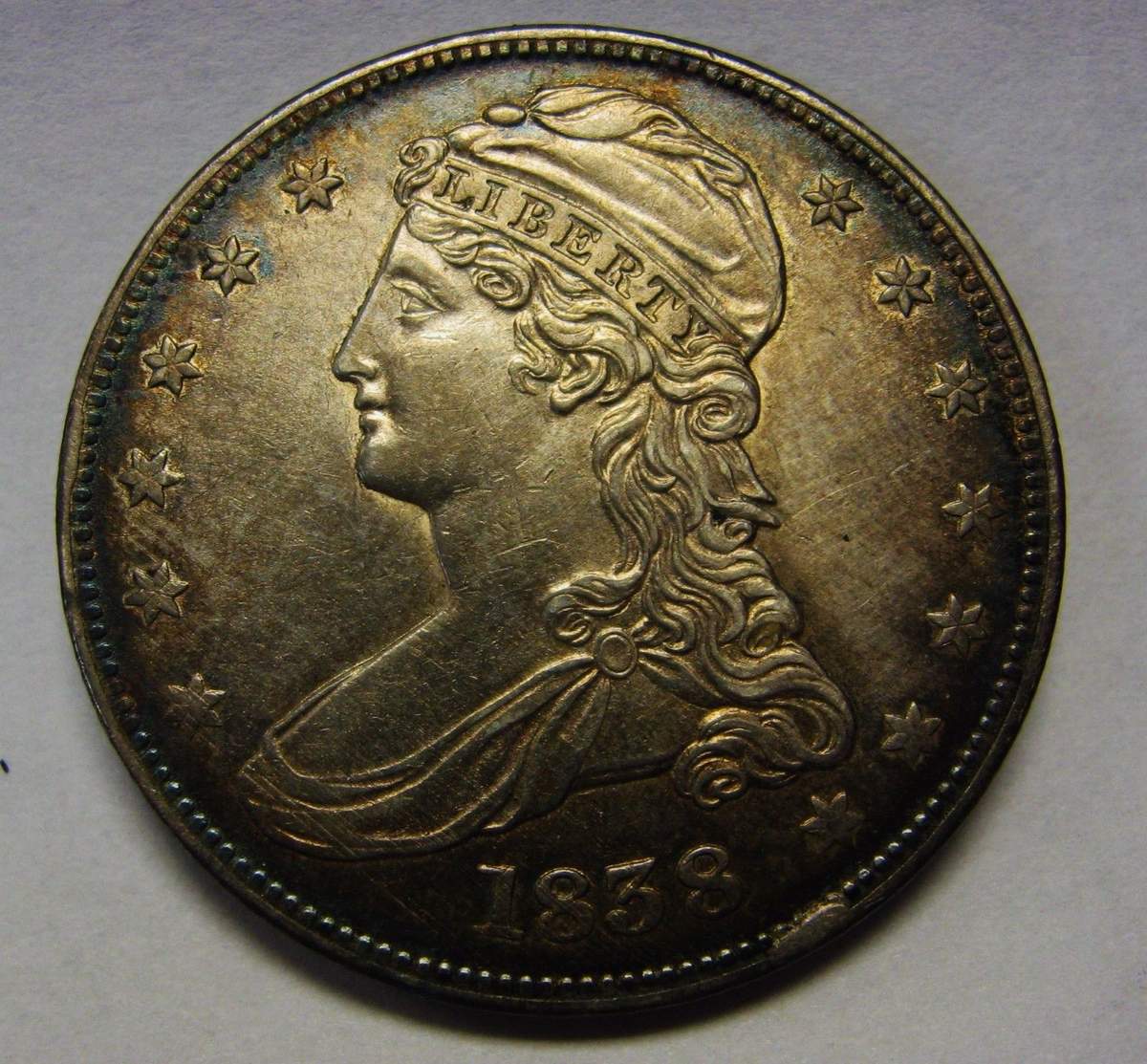
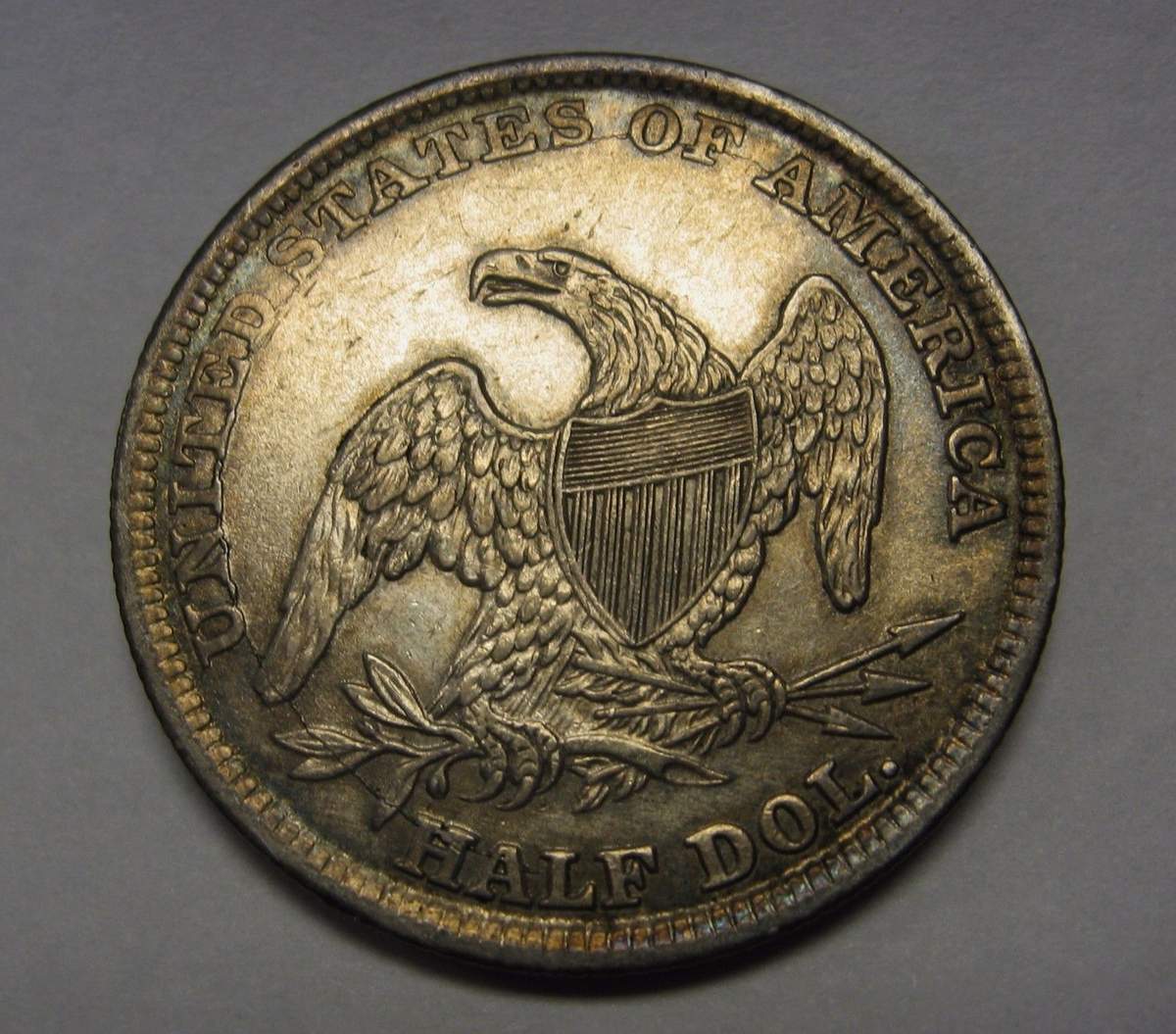
The 1838 is an interesting coin indeed. The surfaces are likely not original - I see evidence of hairlining - but the resulting coin doesn't lack eye appeal. The huge reverse die crack is indicative of the reverse shared by GR-13 and GR-14; the rim Cud at 5:00 obverse proves it as the much rarer GR-14 and a near-terminal die state, to boot. This one would get attention; PCGS appears to have only a single example in an attributed slab although NGC has a few more. It was the die pair - in an earlier state - used to strike a couple of the Proofs known for this issue. In the grand scheme of Reeded Edge Half varieties, it's kind of a biggie.
The 1838 is an interesting coin indeed. The surfaces are likely not original - I see evidence of hairlining - but the resulting coin doesn't lack eye appeal. The huge reverse die crack is indicative of the reverse shared by GR-13 and GR-14; the rim Cud at 5:00 obverse proves it as the much rarer GR-14 and a near-terminal die state, to boot. This one would get attention; PCGS appears to have only a single example in an attributed slab although NGC has a few more. It was the die pair - in an earlier state - used to strike a couple of the Proofs known for this issue. In the grand scheme of Reeded Edge Half varieties, it's kind of a biggie.


