| Author |
 Replies: 9 / Views: 1,202 Replies: 9 / Views: 1,202 |
|
|
New Member
United Kingdom
5 Posts |
Guys/gals, I'm new to this forum and after some help as I've a coin that has passed through family generations that I'm unaware what it is, whether it's a fake or a real roman coin. I do know it's been in the family for at least 60 years, but that's all. Any help or advice would be greatly appreciated. Thank you and regards Chris PLEASE SEE IMAGES IN 2ND POST 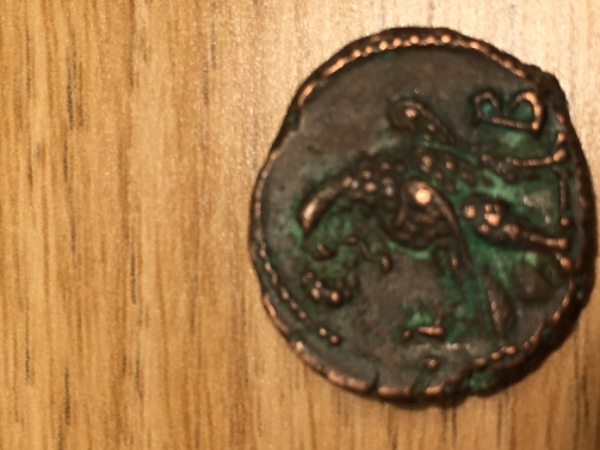 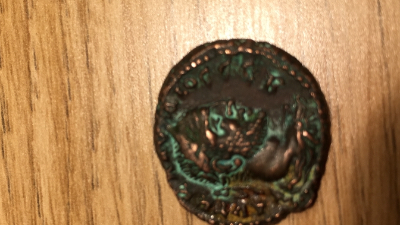 Edited by Clbradbury
10/05/2017 4:50 pm
|
|
|
|
New Member
 United Kingdom
5 Posts |
Apologies just realised how bad them images are....hopefully these are better. 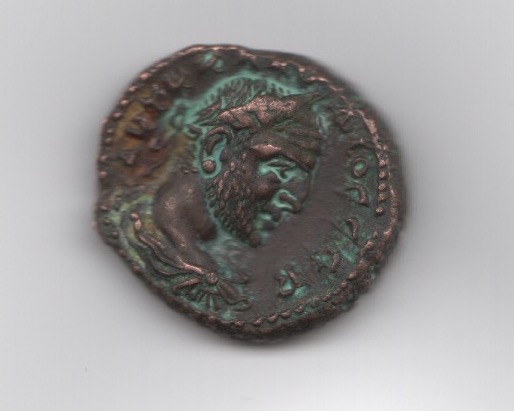 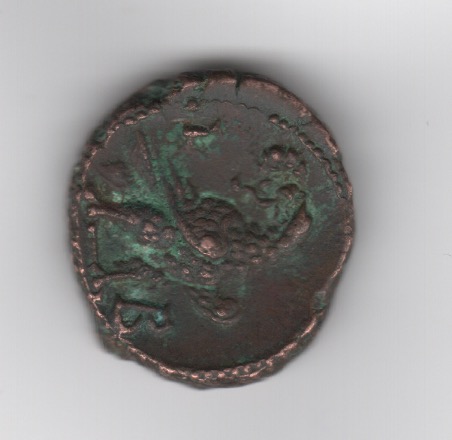 |
|
Pillar of the Community
 United States
3098 Posts |
It looks to be a Claudius II Gothicus (268-270 AD) AE tetradrachm from Alexandria.
Paul Bulgerin
|
|
Moderator
 United States
23731 Posts |
 to the community These were struck in Potin, this one looks a little odd though. |
|
New Member
United Kingdom
5 Posts |
Thank you both, and I really appreciate the replies. What do you mean by a little odd?
|
|
Bedrock of the Community
Australia
21793 Posts |
The pictures seem to confirm that the coinage alloy is potin.
Typically, potin is an alloy of copper, with a high percentage of tin and lead and lead in the alloy.
melting point of copper 1083 deg. C
melting point of lead 327 deg. C
melting point of tin 232 deg. C
That yields an alloy with a paste range of around 700 degrees. where the tin and lead are melted, but the copper is not. However they are in metallic solution; that is the definition of an alloy.
I would assume that the blanks for Alexandrian potin tetrdrachms were heated before striking to soften them, thus extending die life considerably.
If the coin blank is relatively thick, as the Alexandrian potin tetradrachms are, the edges of the coin result a characteristically rough appearance.
From this point of view, the coin seems to be genuine to me.
However, I am also inclined to agree with echizento that is coin looks to be a bit odd, with the sort of green patination it has in in the devices.
|
|
New Member
United Kingdom
5 Posts |
Sel, thank you for taking the time to reply. Really appreciate your time and your knowledge. The coin is quite thick with rough edges as you mention.
Regarding the green colour, I don't know if this has occurred due to the nature in which the coin has been stored. In at least the last 30 years the coin has been stored loose in a tin with a large quantity of copper coins.
What are your thoughts?
Again thank you so much for the reply
|
|
Pillar of the Community
United States
797 Posts |
All of the Alexandria Tets I have come across have had this green on them. Mine are not in as nice of condition either.
|
|
Moderator
United States
23731 Posts |
I'm wondering if it wasn't exposed to a damp enviornment? The patina and the green highlights make me think it might have been.
|
|
New Member
United Kingdom
5 Posts |
Thank you everyone for you comments, with this information I've also been able to connect a few things together. As before this coin was passed down from my grandfather and I'm not sure if it went further back than that, but my grandfather was also stationed in Alexandria when he was in the navy, so guessing the coin has come from here. Thank you again!!
|
| |
Replies: 9 / Views: 1,202 |
|




 Posted 10/05/2017 4:55 pm





