| Author |
 Replies: 15 / Views: 1,605 Replies: 15 / Views: 1,605 |
|
|
New Member
Ireland
12 Posts |
Hi! I've been looking on ebay to buy Morgan dollars and I've been having a little difficulty trying to grade the coins. I've done a lot of research and looked at images/examples of each grade, but I'm having a hard time trying to pinpoint exactly what makes a coin MS-60+. For example, I see a lot of Morgan dollars that are in great condition but in the pictures have these frosty-isa fields. I have no idea if this is because of the camera and it actually has a fabulous luster or if its because it has a frosty back. How would you grade that type of coin? So I guess my question is in general, how do immediately differentiate between circulated an uncirculated. Thanks! 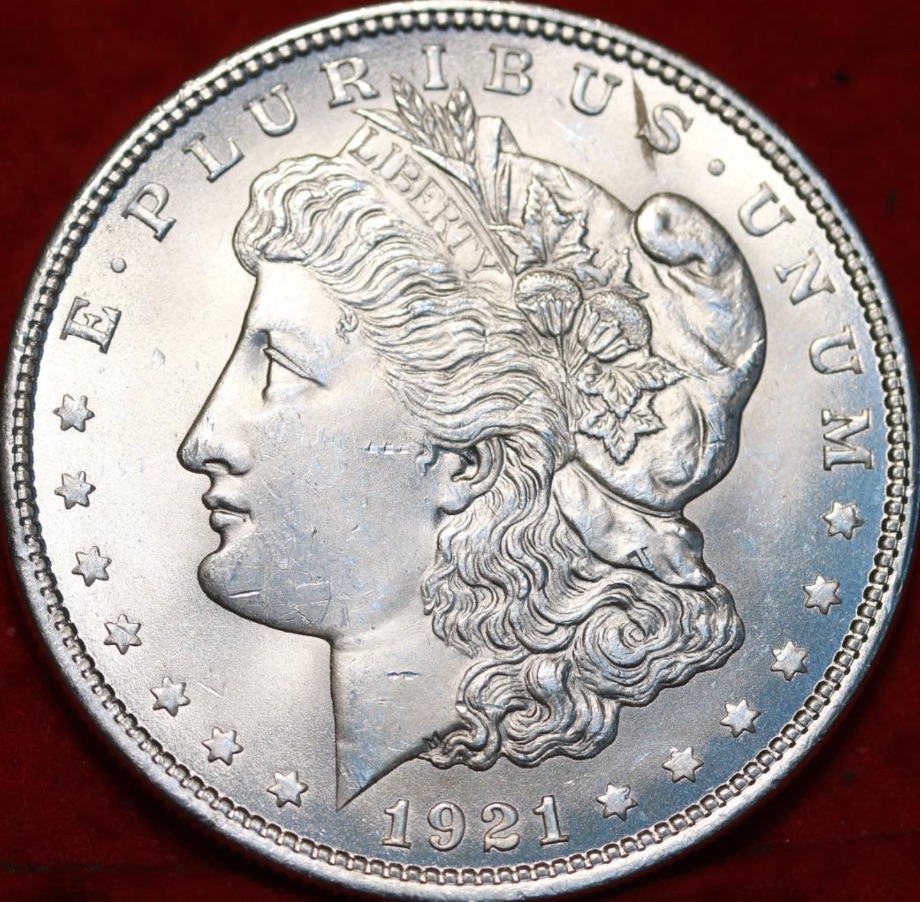 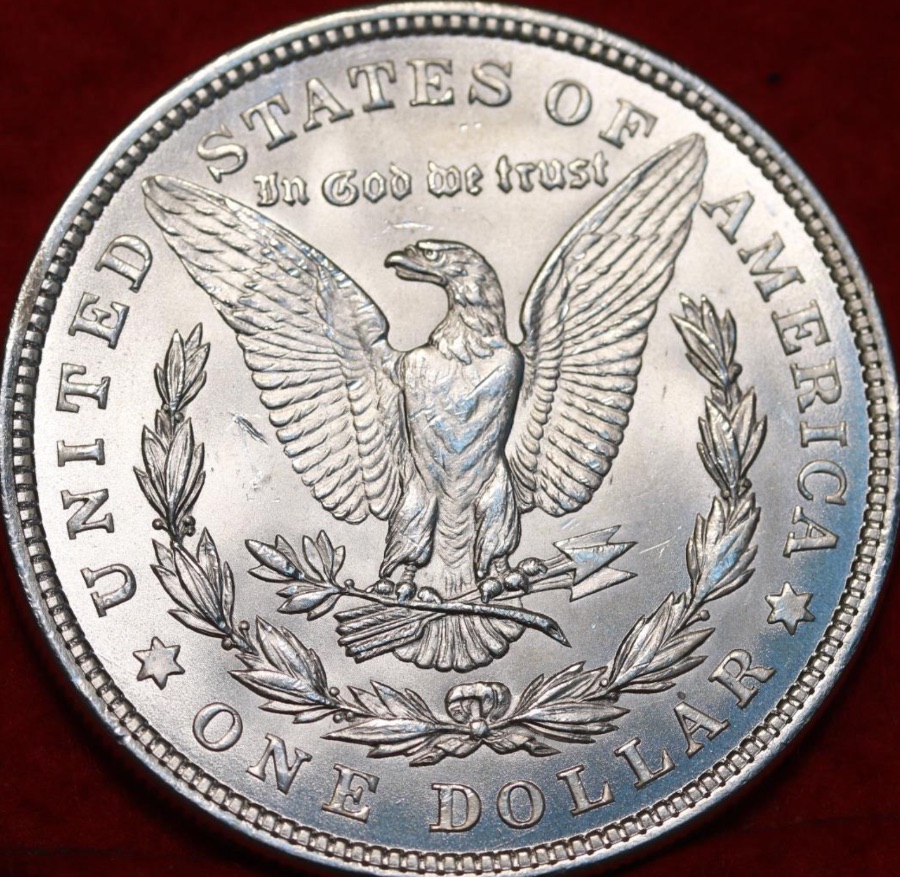 |
|
|
|
Moderator
 United States
56855 Posts |
|
|
New Member
 Ireland
12 Posts |
Thanks! I have actually looked at photograde, and it seems that to be deemed uncirculated, the coin must have fabulous luster. I'm just wondering what a coin with frosty field like this would be graded or if its just the camera.
|
|
Rest in Peace
United States
17900 Posts |
If you would like to compare a nearly endless view of coins graded by NGC and PCGS, go to the sold category at Heritage. TPG s aren't perfect but they will be much more accurate than most sellers self assessments. Look at any grade, any date and/or mint mark and as you see great photos you will begin to get a feel for grading and what to look for. If grading were easy, there wouldn't be any TPG s. It takes work and practice. Edited by moxking
11/03/2017 07:49 am
|
|
Pillar of the Community
Canada
586 Posts |
Don't forget to add your own opinion to the coin. If its for flipping purposes then yes, use the online references solely. But if its for your own private collection, you got to love the condition as well.
Some have toning, rainbow staining, frosting and also just being very dirty. This doesn't affect the grade, but some collectors seek these attributes and may pay up for them. I would also try to familiarize yourself with spotting signs of cleaning and polishing as this can play a role in the value.
|
|
Moderator
United States
56855 Posts |
|
|
Pillar of the Community
United States
5825 Posts |
IMO you should step back a bit and make a couple decisions first before you get to grading. 1. Is the coin authentic? Or a fake/counterfeit? In the case of the coin shown that's rather easy. A 1921 Morgan doesn't have enough value to merit faking counterfeiting. 2. Is it original? Or has it been altered? That covers a whole bunch of situations but boils down to whether it's been cleaned or otherwise altered. Cleaning is the most common alteration. And in the case of your coin IMO it's been cleaned. Why do I think so? There is no toning. The surfaces are flat in in reflectivity; there is no "life" there. It's most likely been dipped. The surfaces are the same EVERYWHERE. 3. Finally it's time to grade it. I high recommend getting the following book: The Official American Numismatic Association Grading Standards for United States Coins. And also look at a LOT of coins that have already been graded by the respected TPG's such as PCGS and NGC. The mark in front of the ear is called a "bag mark" and is a minor defect. Put 1000 coins like your Morgan in a bag at the Mint and they are going to cause problems. That particular mark is caused by a hit from the reeding on other coins in the bag. All of the marks require an in-hand inspection by an experienced numismatist. IMO your coin could grade anywhere from AU-55 to MS-64. It require considerable experience and an in-hand inspection to nail the down. But the cleaning would result in the coin getting an "AU DETAILS" or "UNC DETAILS" grade and in the case of a 1921 Morgan reduce it to bullion value. |
|
Rest in Peace
United States
17900 Posts |
The Morgan dollar "buttons" are showing this sites examples, not individual coins for comparison. They come from Heritage and 1892 is what's showing now. |
|
Moderator
United States
195559 Posts |
 to the Community! Your post was moved to the appropriate forum for the proper attention.  |
|
New Member
Ireland
12 Posts |
Thanks everyone for all the help! I can see there's a lot more that goes into grading a coin than just taking a quick look. Thanks especially @kanga for all the advice. Very clear-cut and easy to follow and I'll certainly be more aware now before even considering buying something.
|
|
Pillar of the Community
United States
1871 Posts |
Kanga gave some really good advice to back up a little. If you are only trying to determine AU vs MS, then you need to learn how the coin wears. An AU coin will show wear from circulation. The high points will wear first. Look at a ton of examples to learn where to look on any type of coin you are going to acquire. If you are trying to be more specific, like you want >MS-63 or something, then you need to get a little more specific with the grading. As far as luster goes... well, I've found that on ebay you have to be very careful. The way a picture is taken can make the coin look different than it does in hand. The seller's lighting setup might not show luster well. other sellers might have overexposed pictures which will make the coin appear "shiny" until closer inspection. This is when it's really important to know how a specific coin wears over time. Also, if a coin is scanned with a scanner, rather than photographed with a camera, it will not show luster and will look "cleaned." Also, follow kanga's advice and learn what a cleaned silver coin looks like. |
|
Moderator
United States
23522 Posts |
But wait! It's not complicated enough yet!  Strike quality varies widely in the series, even to individual years and mints. Die quality deteriorates as the dies age. The artifacts of these can pretty closely mimic "wear," so it's also necessary to learn about strike quality and die wear. You know you're getting it right when your first reaction is to  . |
|
Bedrock of the Community
United States
94367 Posts |
to the CCF! |
|
Rest in Peace
United States
17900 Posts |
Frog posts a welcome. I was waiting for his REAL advice  |
|
Pillar of the Community
United States
1339 Posts |
This is an awesome site,for a free education on coin grading...!Cant beat it
|
|
Rest in Peace
United States
10625 Posts |
And then, when you really get into Morgans you'll be looking for die markers to figure out what the die pairing ( VAM number) is before you even begin to determine the grade.... to CCF! |
| |
Replies: 15 / Views: 1,605 |
|










 Posted 11/03/2017 07:28 am


