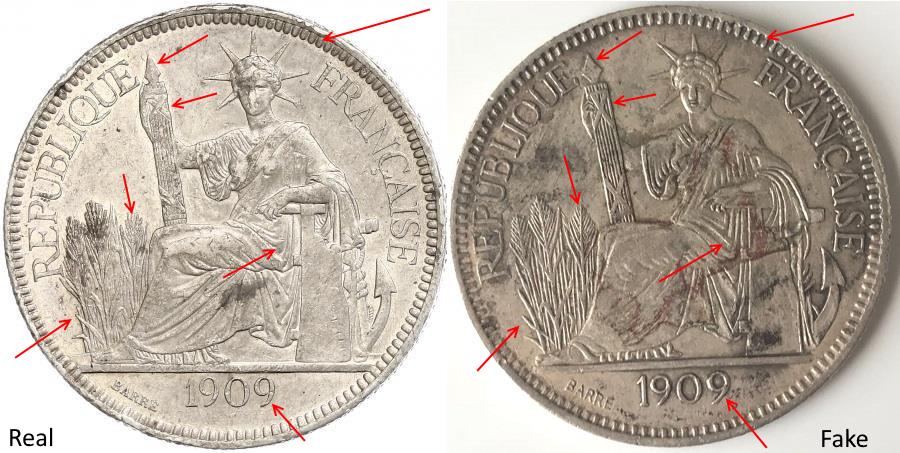
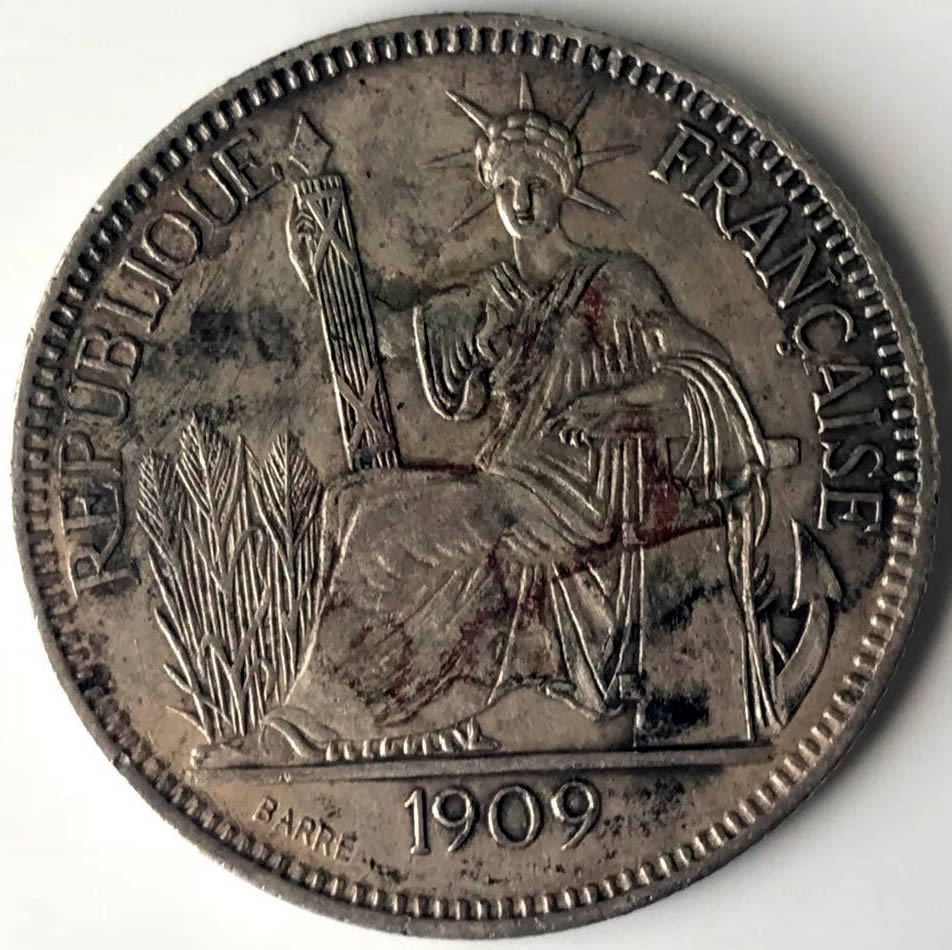
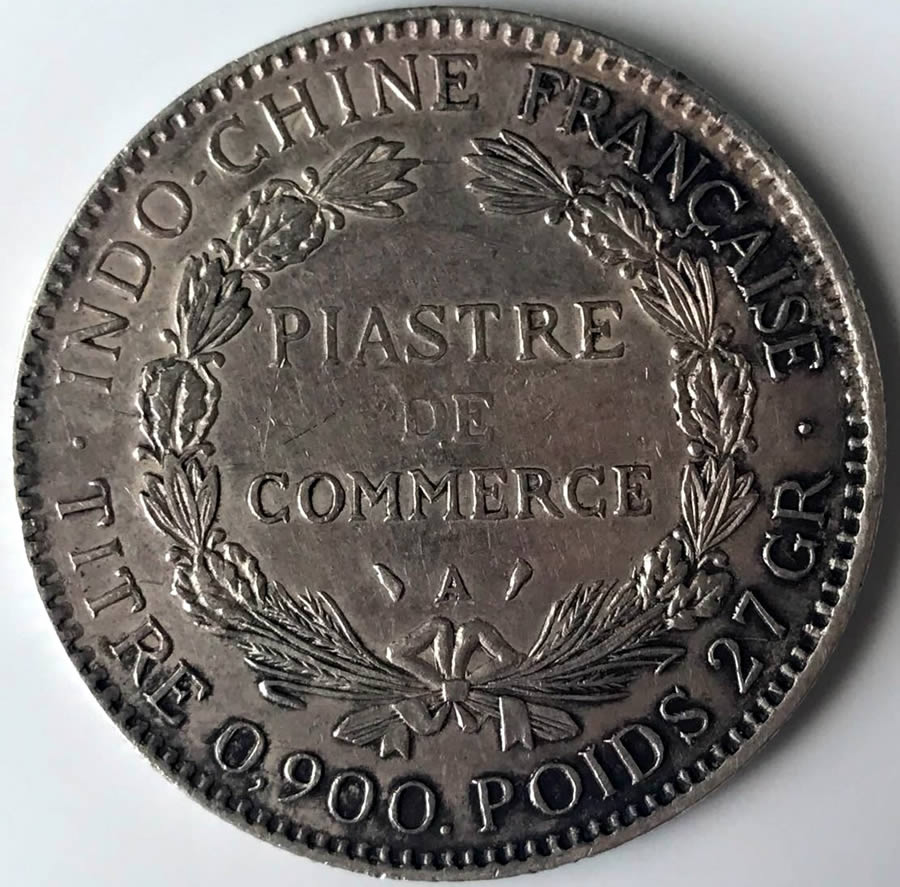
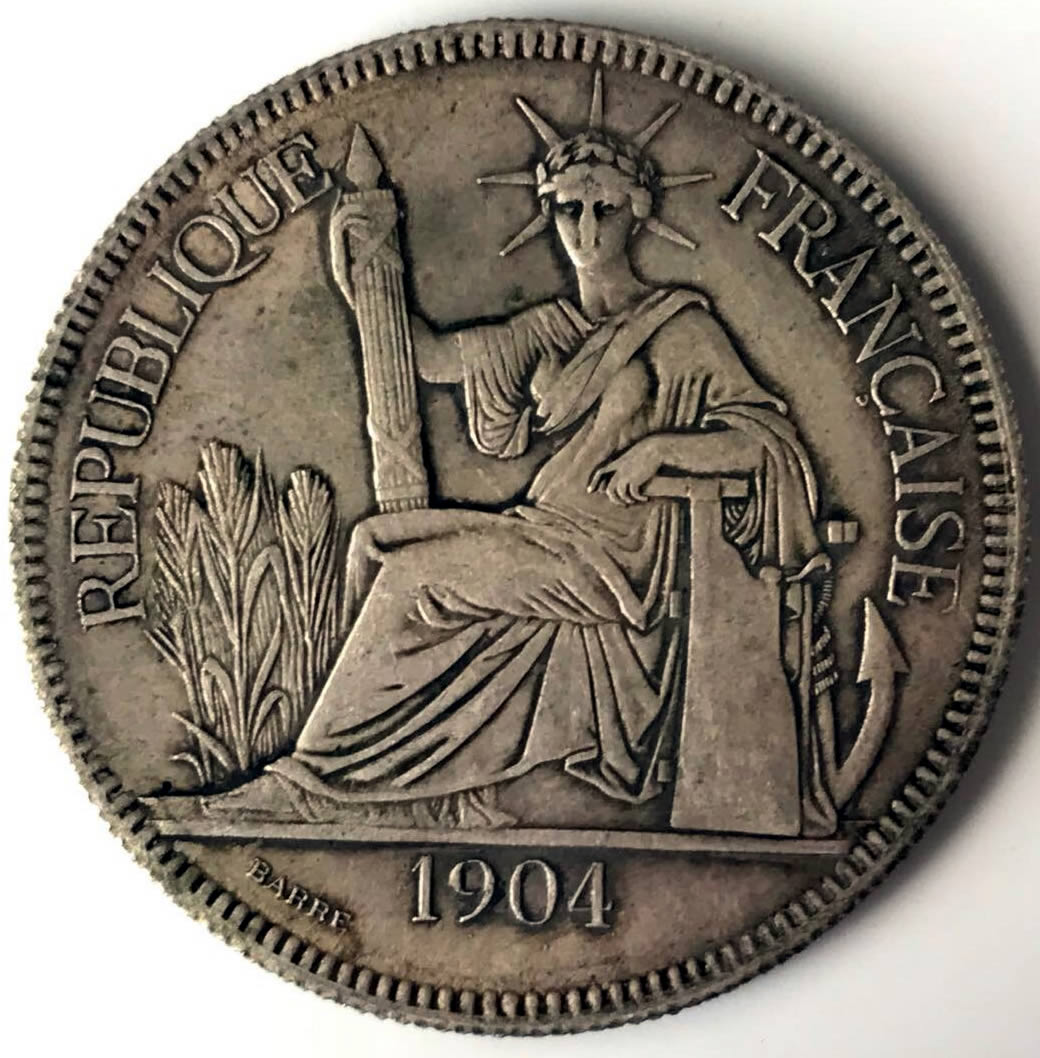
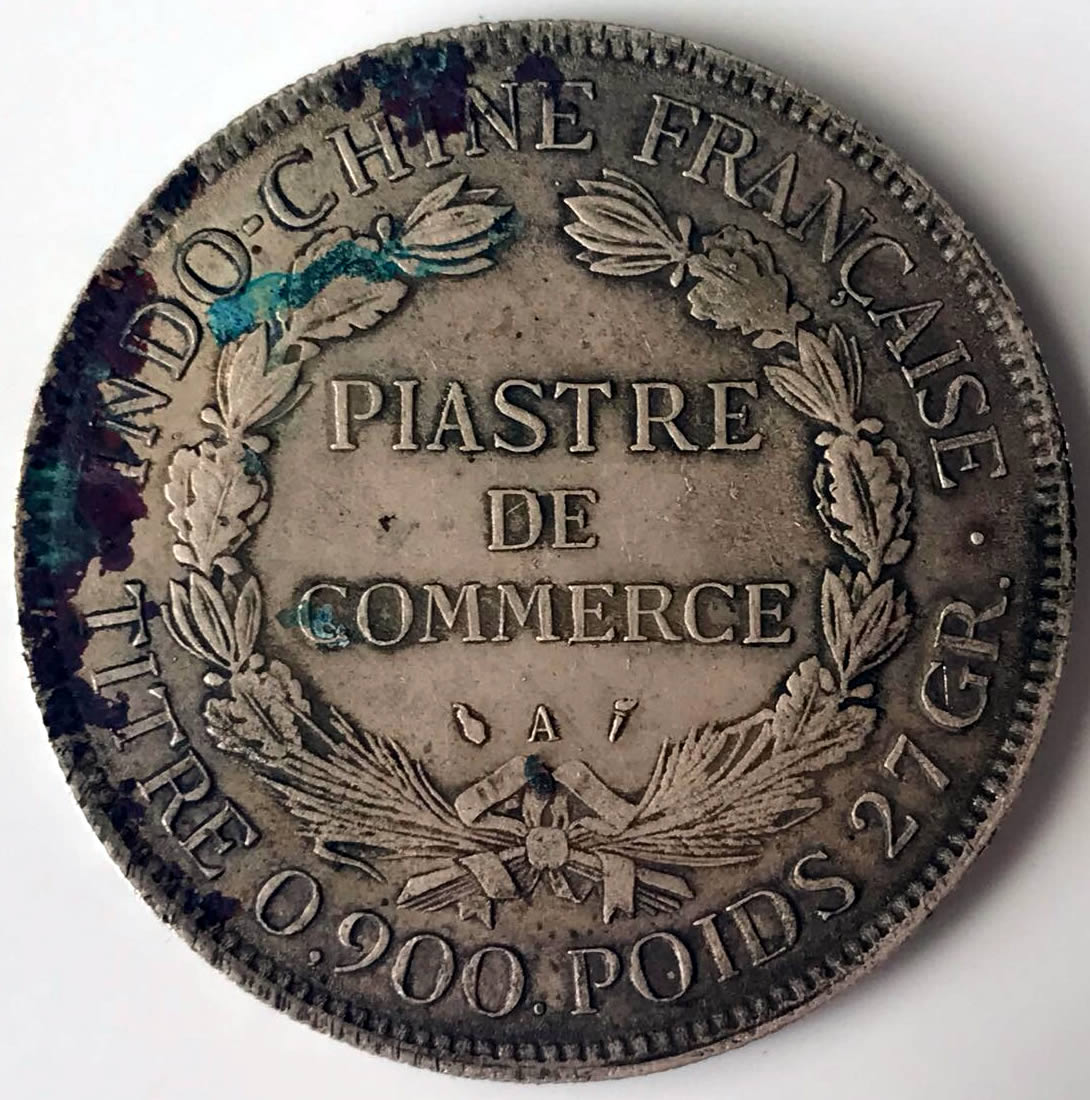
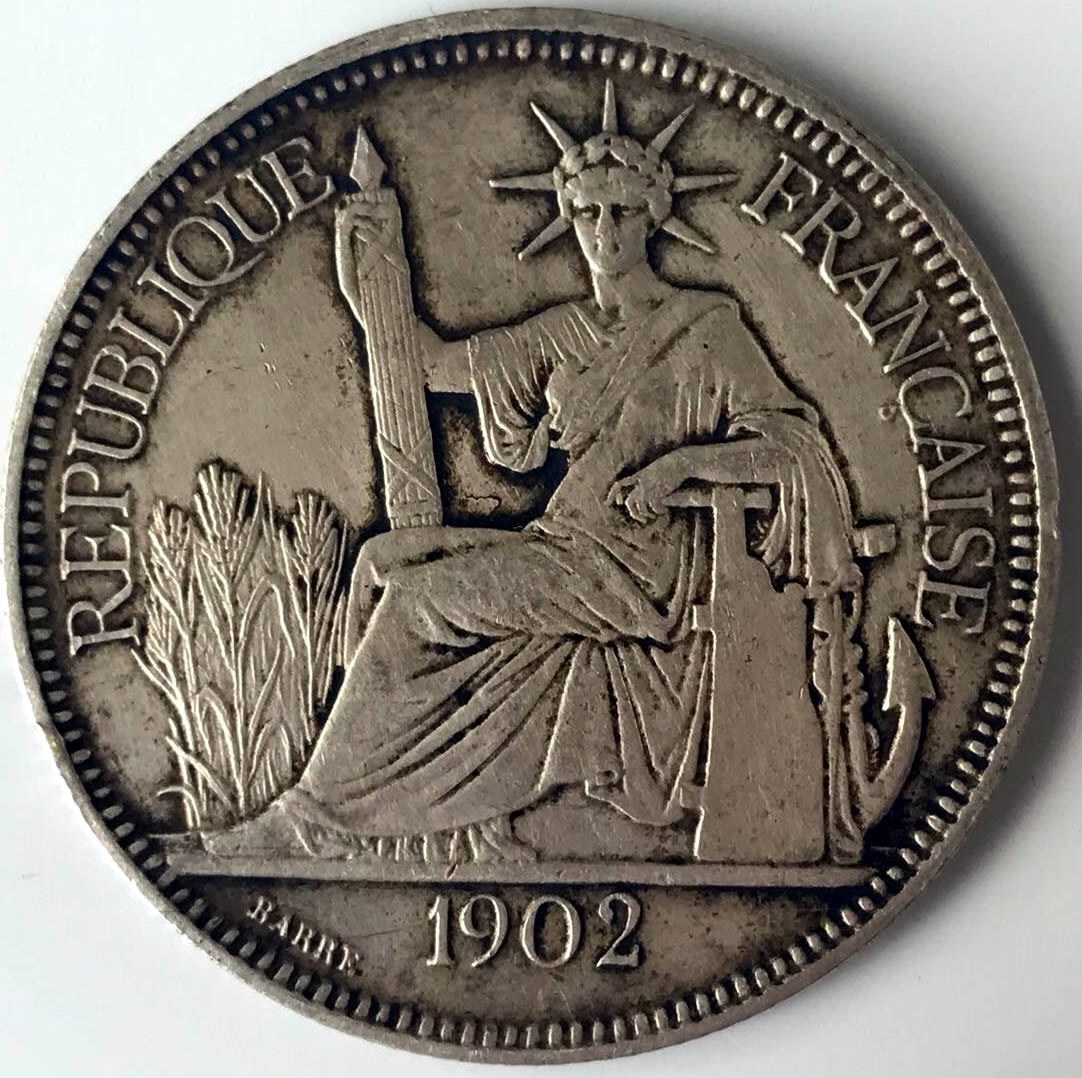
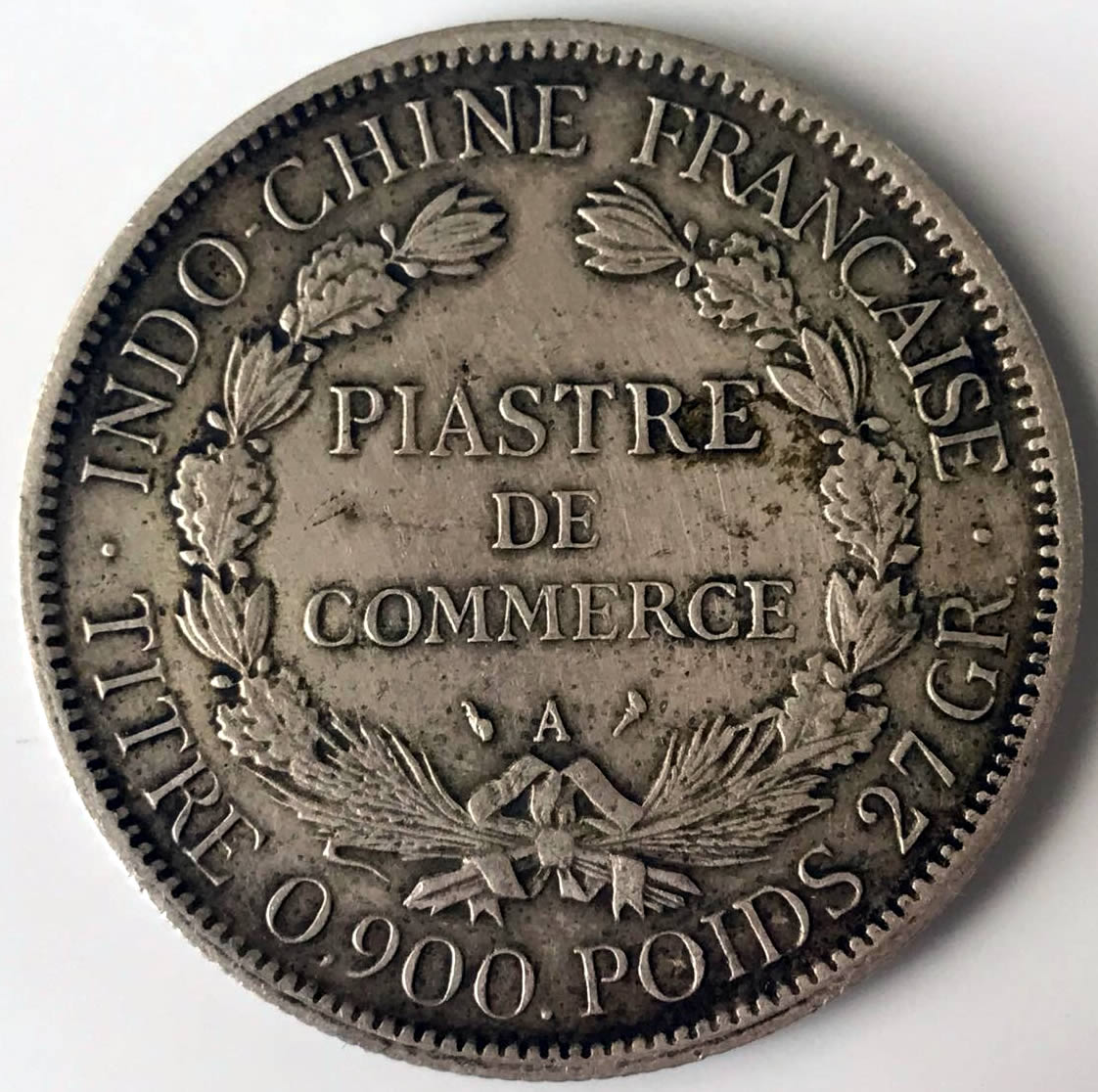
I agree all three coins are bad forgeries made recently to deceive novice collectors.
This case and discussion that follows points to some flaws in thinking that need to be corrected.
First and easiest is the edge. You obviously noticed the odd reeds that are seen on the one and only picture of the edge you posted. The doubled reed is not possible on a genuine coin of the type. There are also numerous irregularities on the edge. The reeds are not identical in thicknesses and spacing between them varies.
Most of these poor cast fakes can be spotted by the way the edge reeds are added AFTER the coins were cast.
The second point is summed up in your question;
Quote:
I think they all fake too, but giving the fact that it's all sound like silver with proper weight, could it be struck on real silver ?
You can not rely on ring and weight alone to identify silver.
When looking at an unknown metal - the best way (only simple and inexpensive way) to determine if an item is 90% silver or not is to determine the item's density. Coin silver (900 fine) is a mix of silver and copper. The density varies according to the alloy percentages. 900 fine silver is 10.30 not 10.31 or 10.29.
That method has been around for a long time and is accurate. Most of these poor cast copies will be closer to 9 than 10.
XRF can be used (much more costly) but you need to use a cleaned surface to get accurate results. The cleaning has to be abrasive NOT ACIDIC. Acids will deplete surface copper and alter the readings. However, abrasive cleaning destroys value.
The normal methodology that I follow when reviewing any coin starts with weight. A coin that is out of the tolerance limit based on weight is not genuine.
Next I examine the edge - unaided visual - then 10X then 30X or higher depending on what you see. About 9 of 10 Chinese counterfeits or numismatic forgeries can be identified.
The next step if needed is an examination of the faces of the coin at 10X - 30X. Cast texture is obvious. Then look for indications of a transfer technology - engraving - casting - electro-galvanic action - impact transfer etc. etc.
The next step is confirmation of design against a known genuine example. Deviations need to be explained. Here a knowledge of how original working dies were produced is essential.
Next is density. If every test above is fine - density will still work to prove the coin has deficient silver. The only readily available alloy that can easily replicate the density of silver is a mixture of lead and tin. Used for at least two centuries this alloy is easily cast at low temperatures - its only flaw is no ring at all.
On the subject of ring, there are copper alloys that can be made to ring very much like silver. I suspect that is what you have run into.
Overall the ring test is not a precise test. A cracked flan or invisible lamination lines can effect tone and duration. Good luck locating genuine examples of French Indo-European Piasters.










 Posted 11/15/2017 6:10 pm