| Author |
 Replies: 10 / Views: 4,214 Replies: 10 / Views: 4,214 |
|
|
Valued Member
United States
136 Posts |
New ebay purchase and I am wondering if this Indian Head cent is a proof example or just a regular mint state. The toning and thick rims are whats making me think this may be a proof, but I am not sure. Thanks for the help and sorry for the sub-par images. 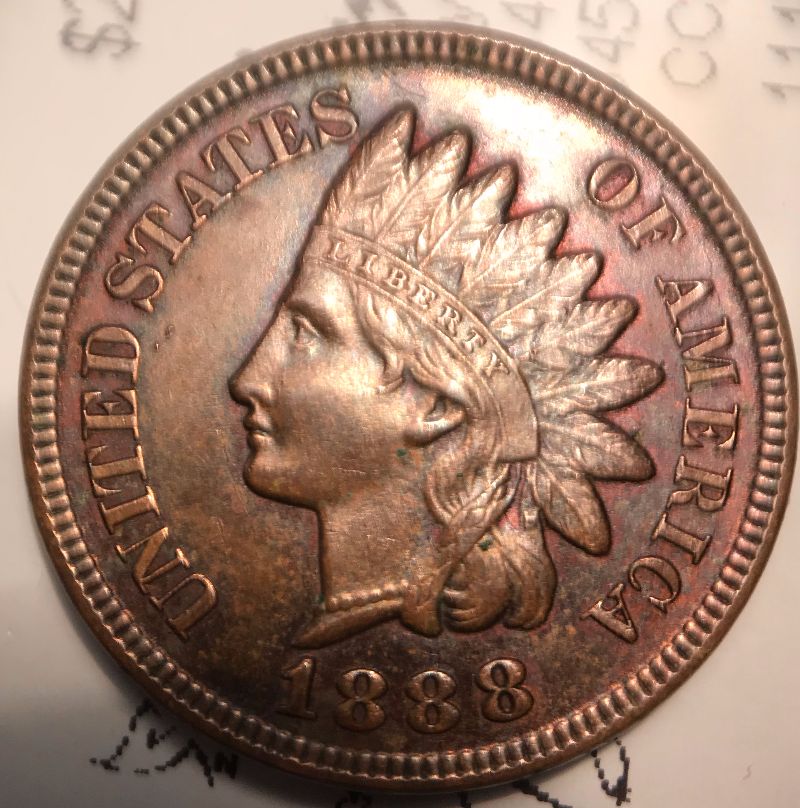 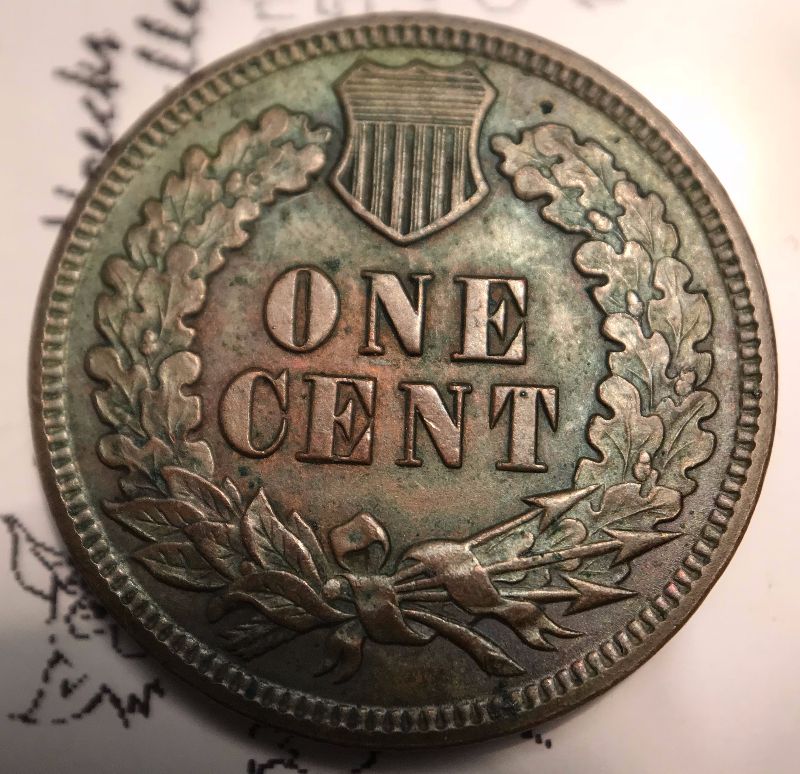 Here is a picture from afar 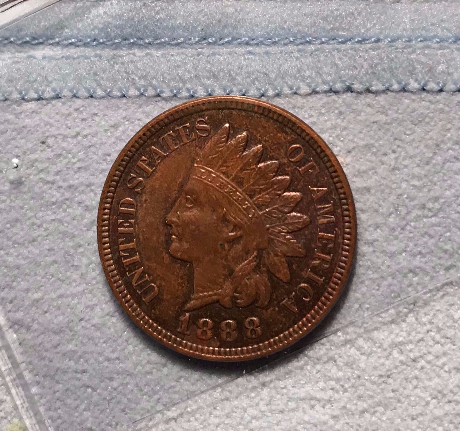 Edited by Eric19
11/27/2017 01:40 am
|
|
|
|
Pillar of the Community
Canada
586 Posts |
My understanding of |Proof, is its a separate strike from the strike done to circulated coins. The dyes are made specifically for Proof strikes. More acid is used which creates a cameo finish, also and multiple strikes are done also to create extremely sharp edges and details. That's said I would say, no it is not a proof coin. MS certainly.
|
|
Rest in Peace
United States
18456 Posts |
I'm no expert on classic proofs ,but I have to agree just a nice business strike IHC.  |
|
Rest in Peace
United States
17900 Posts |
Business strike that appears to have been cleaned without completely toning back yet. Window sill candidate for Retone.
|
|
Pillar of the Community
United States
8137 Posts |
I think it's a regular mint state coin. The details would be much sharper if it as a proof.
|
|
Pillar of the Community
 United States
5716 Posts |
Strong strike, but not proof. In fact, I'm not convinced it's MS. There might be a trace of wear on the ribbon and lower hair, and it looks like an old cleaning.
|
|
Bedrock of the Community
United States
17884 Posts |
Unfortunately not a proof. Quote:
My understanding of |Proof, is its a separate strike from the strike done to circulated coins. The dyes are made specifically for Proof strikes. More acid is used which creates a cameo finish, also and multiple strikes are done also to create extremely sharp edges and details. Pretty much correct for modern proofs, but almost completely wrong for 19th century proofs. Back then the dies were NOT specially made other than the field polishing, they did not specifically try to create cameo devices they were just the result of the polishing of the fields and not the devices, and they were struck with a single blow at very high pressure using the medal press. The planchets may have been polished though before striking. |
|
Bedrock of the Community
United States
94367 Posts |
Agree cleaned and re-toning, definitely not a proof.
|
|
Pillar of the Community
United States
1023 Posts |
Whats going on above the A in America?
|
|
Bedrock of the Community
United States
94367 Posts |
Die crack. Eric - Get to a show or a good LCS. Once you have seen a proof Indian cent, you will not mistake a regular strike for one again.  Edited by Coinfrog
11/27/2017 5:41 pm
|
|
Valued Member
 United States
136 Posts |
Hi all, Very sorry for the delayed response. I appreciate all the help and feedback given. Quote:
Pretty much correct for modern proofs, but almost completely wrong for 19th century proofs. Back then the dies were NOT specially made other than the field polishing, they did not specifically try to create cameo devices they were just the result of the polishing of the fields and not the devices, and they were struck with a single blow at very high pressure using the medal press. The planchets may have been polished though before striking. Thanks for the explanation conder. I think what confused me about this coin was what you said that the die were not specifically made to create cameo devices, an effect I observed on many proof indians from 1888. Quote:Die crack. Eric - Get to a show or a good LCS. Once you have seen a proof Indian cent, you will not mistake a regular strike for one again. I need to go for sure! It would definitely be an experience and a great opportunity to meet some "experts" like Rick Snow for the first time. Again, thanks all for the responses. Eric |
| |
Replies: 10 / Views: 4,214 |
|







 Posted 11/27/2017 08:28 am





