| Author |
 Replies: 13 / Views: 4,301 Replies: 13 / Views: 4,301 |
|
|
New Member
United States
11 Posts |
|
|
|
|
Pillar of the Community
 United States
2843 Posts |
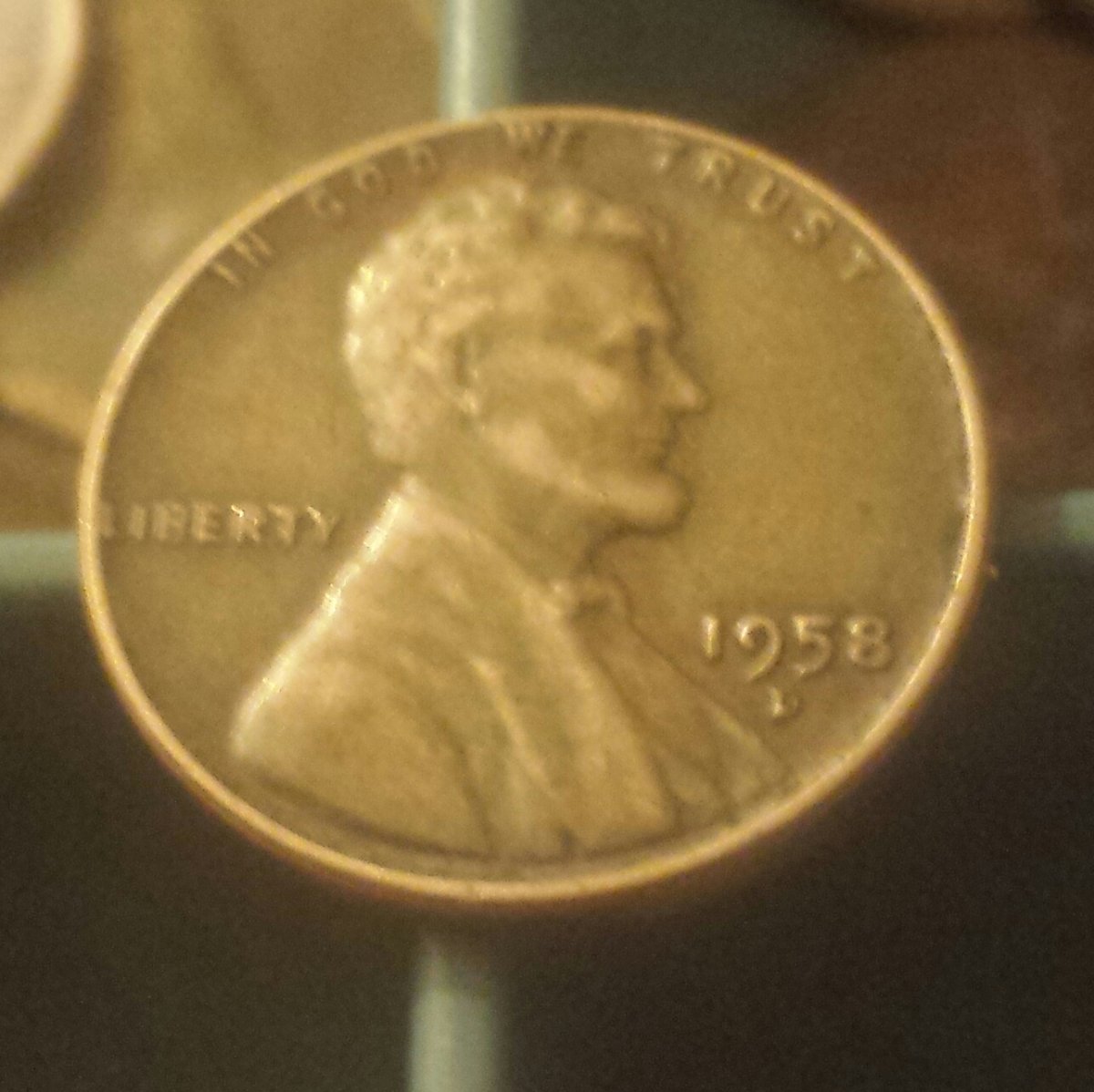
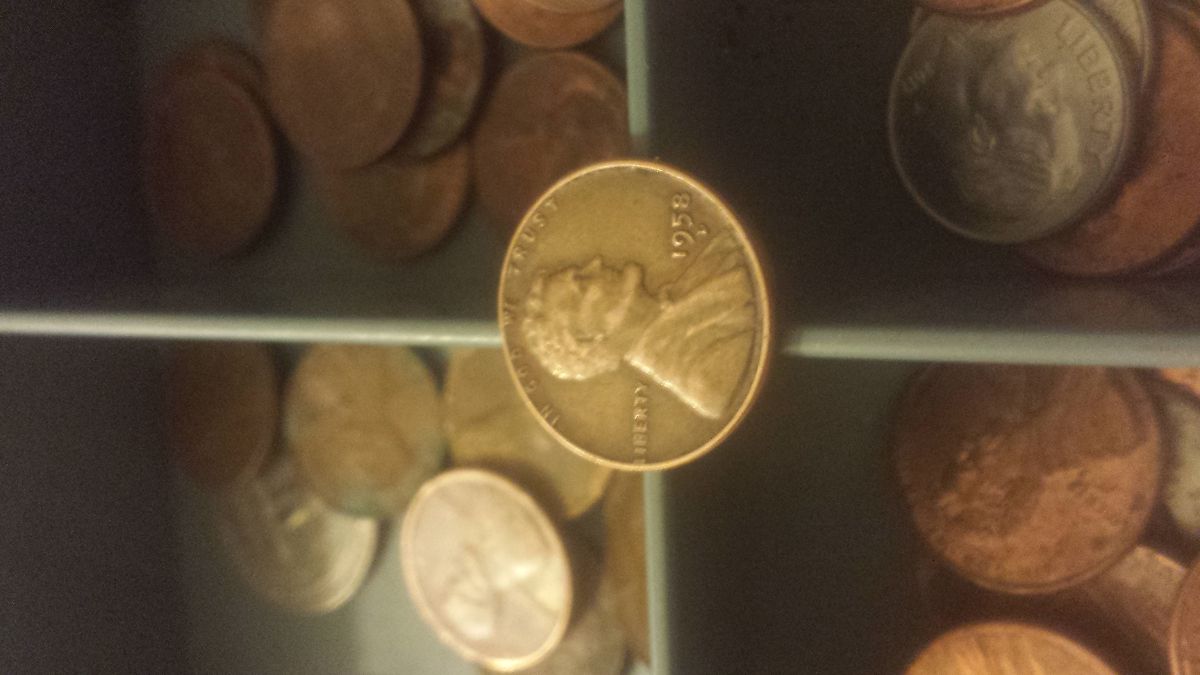
Reading is good, but can be misleading. Look at photos of a true 1958 DDO and see how distinct and clear the doubling is. Your coin is not the very rare DDO. Sorry. |
|
Rest in Peace
10197 Posts |
The minute you say "double struck" you are out of the realm of "doubled dies", one is striking other is hubbing manufacture. Be best to read up on books that tell you how the error is done than an arbitrary get rich quick book. Thousands of folks have been through here claiming to have won that great coin lottery, most all but one are sorely disappointed. Hope you're not.
Edited by Crazyb0
12/12/2017 3:31 pm
|
|
Moderator
 United States
56855 Posts |
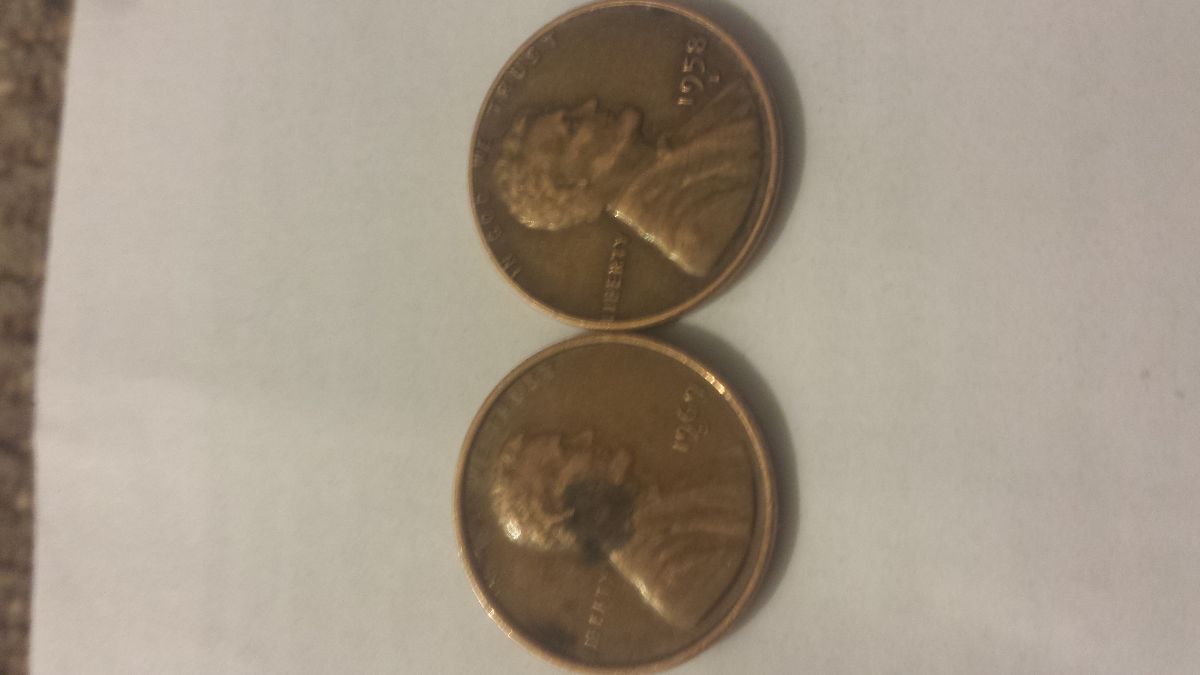
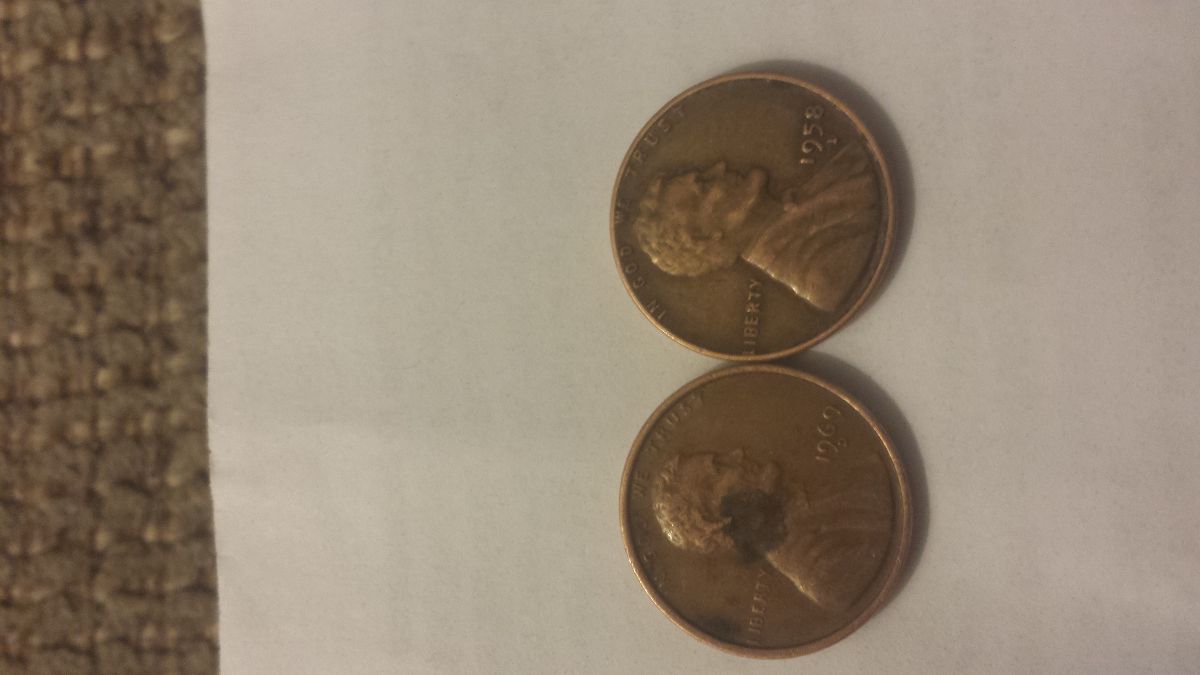
 to CCF. Your coin is a Denver mint coin not the Philly one. Also need "clear" photos. Please orientate photos properly in the future.I look forward to seeing your other finds. John1  |
|
Bedrock of the Community
United States
94367 Posts |
Agree with above comments, better pics next time please! to the CCF! |
|
Valued Member
United States
186 Posts |
Reading further on coin errors would be helpful, but let me make a brief explanation. First of all, if you see that there is a doubled die error worth a lot on a 1958 cent, you will not find it on a 1958-D cent. It was made in a different location across the country. The term "doubled die" means that the die--the thing that strikes the coins--was pressed twice. That's why the famous 1958 doubled die is only found on the 1958 cent, because only that specific die with the error struck them. That's also why your coin needs to look pretty much the exact same as the famous one to be worth as much. Hope this helped.
|
|
New Member
 United States
11 Posts |
So would it still be worth something since it does have the overlay error and also what about the indenting shape of the coin.. I have been reading a lot but there's soooo muchhhh lol
|
|
Moderator
United States
196100 Posts |
to the Community! |
|
Pillar of the Community
United States
3463 Posts |
to the forum! I'm no sure what you mean by overlay error? Can you elaborate on hat some? |
|
New Member
United States
11 Posts |
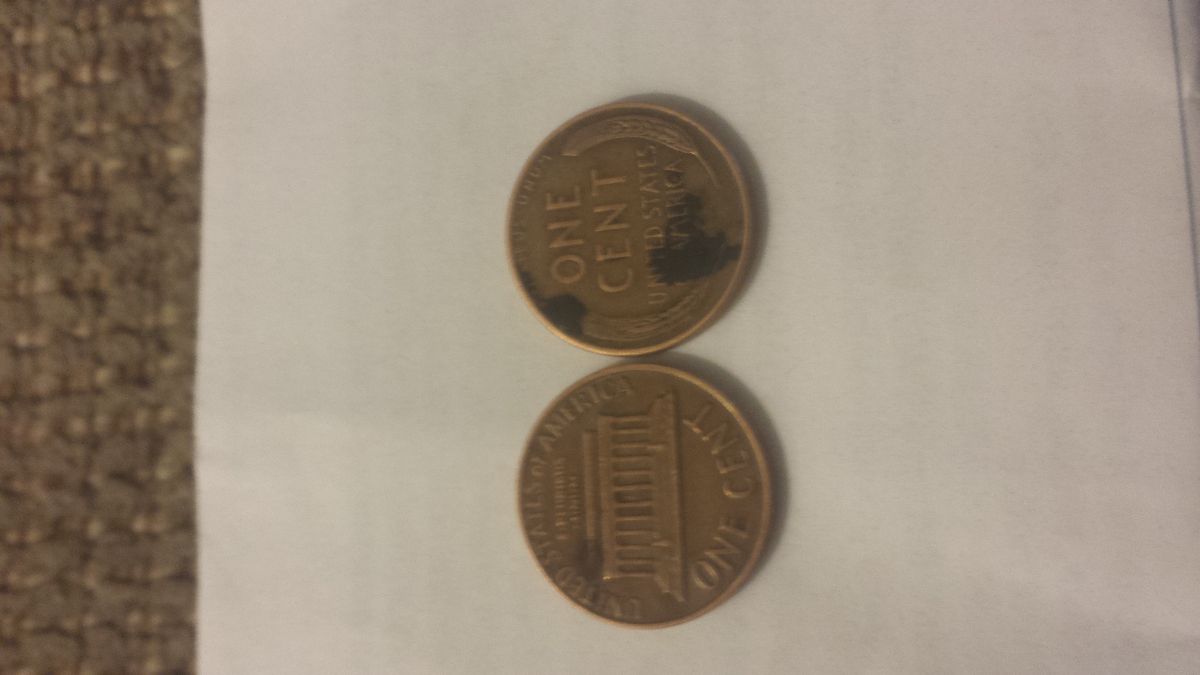
By overlay I mean on the 58 you can see the l in liberty is almost off the penny but the penny seems to have been struck in the center.. also I was reading that the way the ear is on the 69 shows it has some type of error. Maybe I should just take HD front and back pics of all my pennies and upload them. Seems to me almost every penny has 1 or moread errors. Also on the 58 penny you can see like black grease. I haven't cleaned it but I can't make out any letting under the grease.. is that a possibility or is it just dirty
|
|
New Member
United States
11 Posts |
And just to be sure, I've read a few times that highly detailed coins like the 58 pictured is a doubled coin and the way to tell is the raised well outlined letter and all.. so is it doubled or is it just less worn than the other
|
|
Pillar of the Community
United States
5196 Posts |
, in order for us to help you we need much better pictures and close ups of the reverse and obverse of your coins, until then it'll be a guessing game. Stay here and you'll learn how to tell from an error from something else. |
|
Pillar of the Community
United States
3463 Posts |
I think I am starting to understand. You mean the "L" of LIBERTY is almost off the edge of the face?
|
|
Rest in Peace
10197 Posts |
Tim, The "L" being on the edge is what is known as die flow, not an error, quite common on later LWC's because of overworking the dies. Metal flows outward on the dies, stretching and "moving" the devices towards the edge. Notice IGWT also. This is also called Die Deterioration, read about it in an article I wrote here: http://goccf.com/t/301753&whichpage=3 |
| |
Replies: 13 / Views: 4,301 |
|











 Posted 12/12/2017 3:28 pm


