






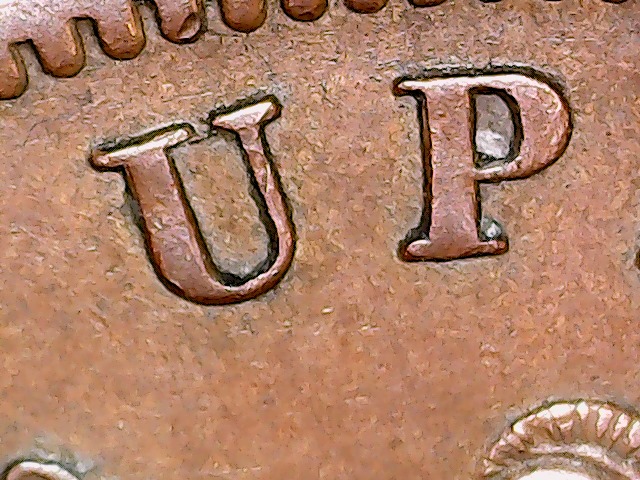
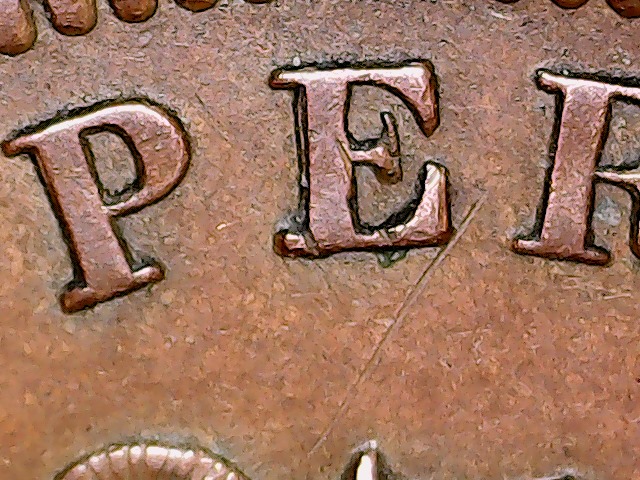


 Posted 01/14/2018 3:31 pm


#65279;
282 R-7 The inner Dots within the obverse Rosettes are small
Dots are: 5 X ½ 4 X 3 ½.
Obverse Characteristics:
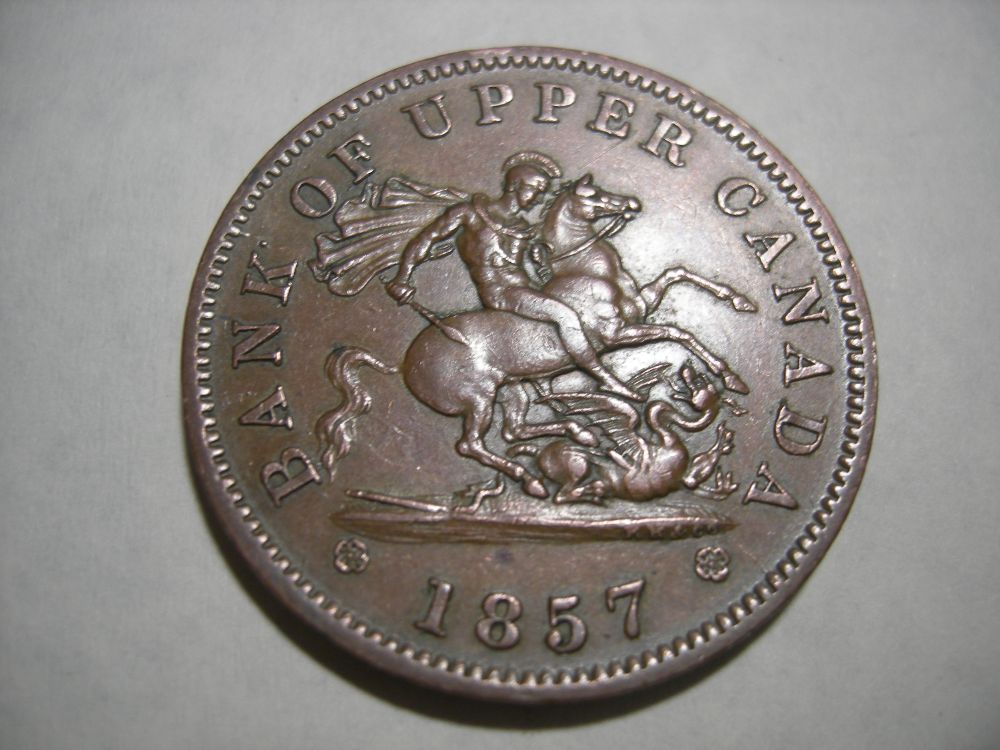
The Mantle to the left of the Man's right Arm is heavy and complete.
A long heavy horizontal crease is centred in the void betwixt the lower outline of the
Mantle and the pleat of the 6th and 7th Mantle Folds.
The 6th and 7th Mantle Folds touch.
The outline of the 6th Mantle Fold has a slight inward curve. The outline is a bit shorter than usual. The hollow void is 'bulb' shaped.
A heavy line curving upward is below the Man's right Arm. A short line above.
The lower line is long, heavy, and extends nearly to the Man's Body. The line has three
levels of depth. The first 1/4 of the line is narrow and rather thin, the second 1/4 is
considerably wider and thicker, while the last half of the line is fully struck. An upper and lower nub is at the end of the line. The upper line is thick, heavy, and much shorter, being distanced from both the Man's right Arm and the Man's Body.
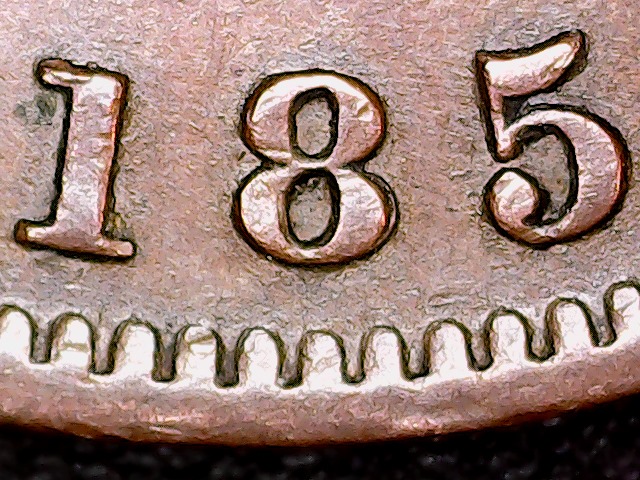
The 7 is on-line betwixt the 3rd and 4th Denticle to the right of the 5.
The top of the 7 is slightly higher than the top of the 5.
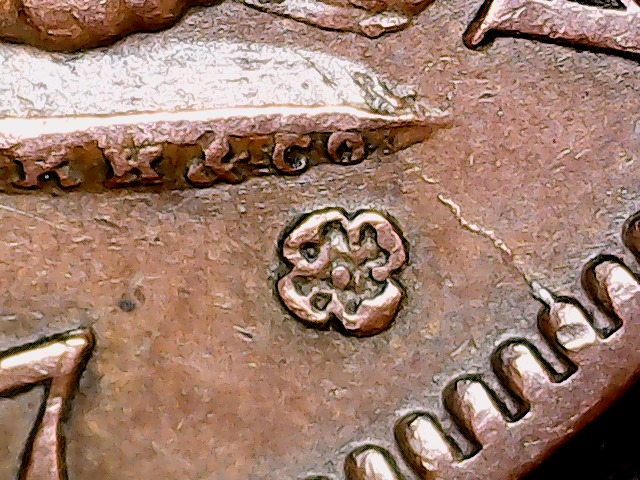
An imaginary line across the top of the 7 is on-line with the vertex of the upper and left Lobes of the right Rosette.
The lower circle of the 8 is re-cut to the right.
Two Knobs are on the Dagger Hilt, the upper Knob is round and smaller than the lower.
The lower Knob is somewhat 'bowl' shaped, and clearly separated from the Man's right
Hand. The lower Knob is smaller than usual. The upper Knob is circular, larger thus far
than any of the previous, centred atop and fully attached to the lower Knob.
The F in OF is re-cut.
The lower end of the left Bridle Rein is weakly attached to the Neck of the Horse.
The left Leg of the Dragon is perfect.
The inner Dots within the obverse Rosettes are small. The Dot within the right Rosette is small, but the Dot within the left Rosette appears to be even smaller.
From broken dies.
A Die-Crack to the right Ground.
This rather straight jagged Die-Crack is from the right-section of the 2nd Denticle
to the immediate right of the right Rosette, extending to the underside of the right ground, slightly to the right of the initial 'o' in the Abbreviation.
A Die-Crack is to the Mantle.
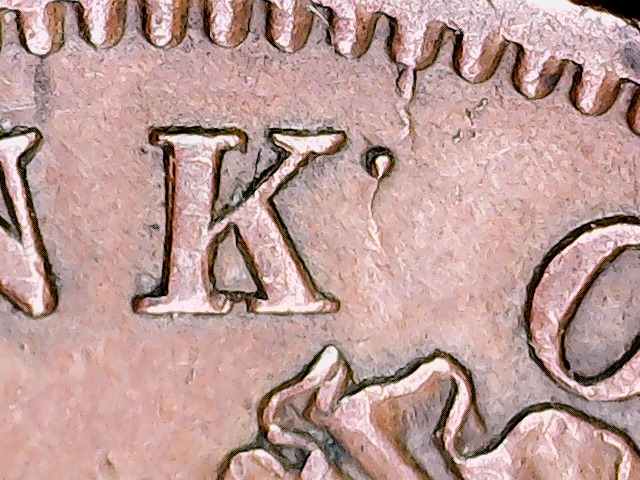
Mid-state die states shew a wide Die-Crack extending from atop the centre of the Denticle to the immediate right of the K in BANK, and extending a short distance into the field.
Latter die states have the upper section of the Die-Crack heavier and exiting to a
large boldly struck Dot, in the field, on-line with the Serif of the right Arm of the
same letter. The Die-Crack weakens considerably, and continues to the mid-section of the edge of the 5th Mantle Fold. Another large boldly struck Dot is in the void of the same Mantle Fold.
Reverse Characteristics: The same as varieties 298 and 319.
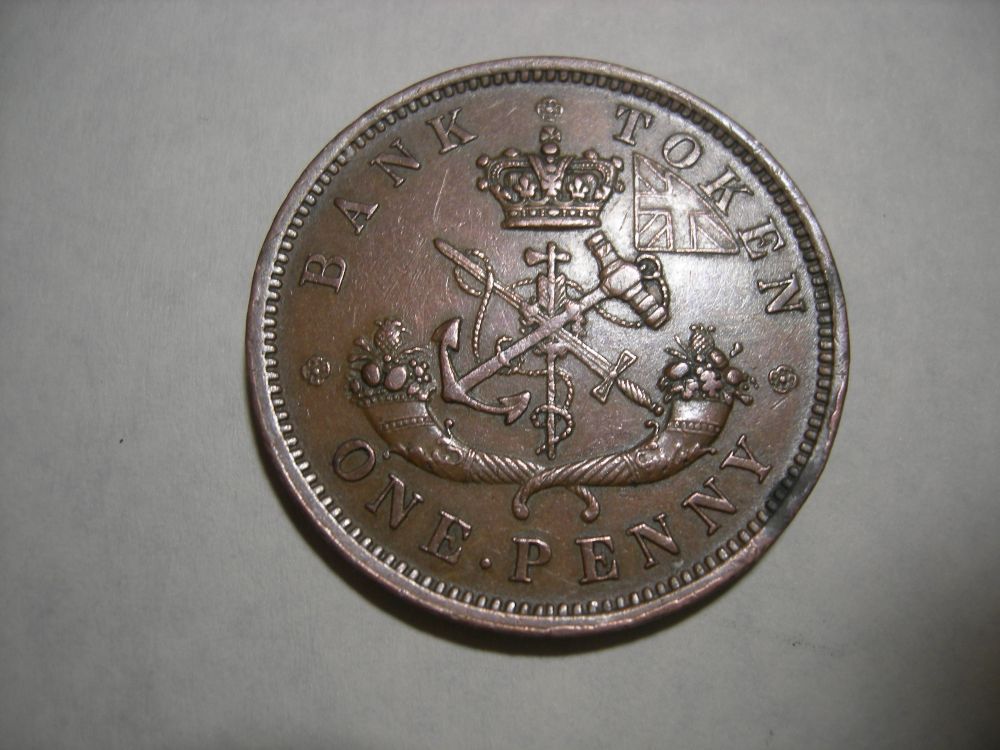
The Anchor Rope Dots are: 5 X ½ 4 X 3 ½.
The relief of the Dots in the sector to the left of the Sword is poorly cut. The terminal Dots are distant from the Anchor Rope. The Dots are separated from each other, especially the upper three. The ½ 4 Dots within the second sector are well defined. The 1st ½ Dot to the right of the Sword is small and oval and butts up against the right-side of the Sword. The group of 4 Dot are of nearly uniform size and shape, and aligned in a neat row, the 1st Dot being a trifle lower. The relief of the third sector is poorly cut. The upper Dot is oval shaped, placed horizontally, and joined to the right-side of the Fledgling, and joins to the 2nd Dot. The 2nd and 3rd Dots are larger, the 3rd Dot being well separated from the 2nd and ½ Dots. The ½ Dot is as a short heavy horizontal line which butts up against the Anchor Shaft.
Note - The details may not be readily discernable on lower grade specimens.
The Anchor Ring is perfect.
Two Grass Blades shew; the upper is faint.
The lower Grass Blade is short, horizontal, and clearly visible. The Blade is away from the fruit and points to the right section of the upper Lobe of the right Rosette. The upper Grass Blade is fainter than the lower, and is above the left section of the lower.
Note - Diligence must be exercised here. The upper Lobe is understood as having the orientation of the Rosette Denticles at 6 o'clock. The first impression one has is the blade points to the left Lobe, but what appears to be the left Lobe is actually the upper Lobe.
Three Oak Leaves are betwixt the Anchor and Sword to the left.
The lower left Oak Leaf is heavy and shaped like a 'thumb,' rather than a leaf. The lower Oak Leaf does not extend to the Anchor Shaft.
The Oak Wreath Stem to the Anchor Shaft is weak and does not extend to the Anchor
Shaft.
The left Anchor Brace is narrower than the right Brace and extends to the vertex of the
Fluke.
The Anchor Rope Dots terminate with two Dots. The terminals of the Dot nearly meet.
A faint Dot is to the left of the terminal Anchor Rope Dots.
Note - The Dot may not be readily discernable on lower grade specimens.
From perfect and broken dies.
Note - Doctor Courteau made no mention of having perfect dies.
Thus:
282 Perfect - no Die-Cracks.
282A A light Die-Crack to the right point of the Ground.
282B Die-Crack as above, plus a Die-Crack is to the Mantle.
Note - Only the first Die-Crack was noted by Doctor Courteau.
This is the Die-Crack progression.
Nice Token. AU-50.
doug
282 R-7 The inner Dots within the obverse Rosettes are small
Dots are: 5 X ½ 4 X 3 ½.
Obverse Characteristics:
The Mantle to the left of the Man's right Arm is heavy and complete.
A long heavy horizontal crease is centred in the void betwixt the lower outline of the
Mantle and the pleat of the 6th and 7th Mantle Folds.
The 6th and 7th Mantle Folds touch.
The outline of the 6th Mantle Fold has a slight inward curve. The outline is a bit shorter than usual. The hollow void is 'bulb' shaped.
A heavy line curving upward is below the Man's right Arm. A short line above.
The lower line is long, heavy, and extends nearly to the Man's Body. The line has three
levels of depth. The first 1/4 of the line is narrow and rather thin, the second 1/4 is
considerably wider and thicker, while the last half of the line is fully struck. An upper and lower nub is at the end of the line. The upper line is thick, heavy, and much shorter, being distanced from both the Man's right Arm and the Man's Body.
The 7 is on-line betwixt the 3rd and 4th Denticle to the right of the 5.
The top of the 7 is slightly higher than the top of the 5.
An imaginary line across the top of the 7 is on-line with the vertex of the upper and left Lobes of the right Rosette.
The lower circle of the 8 is re-cut to the right.
Two Knobs are on the Dagger Hilt, the upper Knob is round and smaller than the lower.
The lower Knob is somewhat 'bowl' shaped, and clearly separated from the Man's right
Hand. The lower Knob is smaller than usual. The upper Knob is circular, larger thus far
than any of the previous, centred atop and fully attached to the lower Knob.
The F in OF is re-cut.
The lower end of the left Bridle Rein is weakly attached to the Neck of the Horse.
The left Leg of the Dragon is perfect.
The inner Dots within the obverse Rosettes are small. The Dot within the right Rosette is small, but the Dot within the left Rosette appears to be even smaller.
From broken dies.
A Die-Crack to the right Ground.
This rather straight jagged Die-Crack is from the right-section of the 2nd Denticle
to the immediate right of the right Rosette, extending to the underside of the right ground, slightly to the right of the initial 'o' in the Abbreviation.
A Die-Crack is to the Mantle.
Mid-state die states shew a wide Die-Crack extending from atop the centre of the Denticle to the immediate right of the K in BANK, and extending a short distance into the field.
Latter die states have the upper section of the Die-Crack heavier and exiting to a
large boldly struck Dot, in the field, on-line with the Serif of the right Arm of the
same letter. The Die-Crack weakens considerably, and continues to the mid-section of the edge of the 5th Mantle Fold. Another large boldly struck Dot is in the void of the same Mantle Fold.
Reverse Characteristics: The same as varieties 298 and 319.
The Anchor Rope Dots are: 5 X ½ 4 X 3 ½.
The relief of the Dots in the sector to the left of the Sword is poorly cut. The terminal Dots are distant from the Anchor Rope. The Dots are separated from each other, especially the upper three. The ½ 4 Dots within the second sector are well defined. The 1st ½ Dot to the right of the Sword is small and oval and butts up against the right-side of the Sword. The group of 4 Dot are of nearly uniform size and shape, and aligned in a neat row, the 1st Dot being a trifle lower. The relief of the third sector is poorly cut. The upper Dot is oval shaped, placed horizontally, and joined to the right-side of the Fledgling, and joins to the 2nd Dot. The 2nd and 3rd Dots are larger, the 3rd Dot being well separated from the 2nd and ½ Dots. The ½ Dot is as a short heavy horizontal line which butts up against the Anchor Shaft.
Note - The details may not be readily discernable on lower grade specimens.
The Anchor Ring is perfect.
Two Grass Blades shew; the upper is faint.
The lower Grass Blade is short, horizontal, and clearly visible. The Blade is away from the fruit and points to the right section of the upper Lobe of the right Rosette. The upper Grass Blade is fainter than the lower, and is above the left section of the lower.
Note - Diligence must be exercised here. The upper Lobe is understood as having the orientation of the Rosette Denticles at 6 o'clock. The first impression one has is the blade points to the left Lobe, but what appears to be the left Lobe is actually the upper Lobe.
Three Oak Leaves are betwixt the Anchor and Sword to the left.
The lower left Oak Leaf is heavy and shaped like a 'thumb,' rather than a leaf. The lower Oak Leaf does not extend to the Anchor Shaft.
The Oak Wreath Stem to the Anchor Shaft is weak and does not extend to the Anchor
Shaft.
The left Anchor Brace is narrower than the right Brace and extends to the vertex of the
Fluke.
The Anchor Rope Dots terminate with two Dots. The terminals of the Dot nearly meet.
A faint Dot is to the left of the terminal Anchor Rope Dots.
Note - The Dot may not be readily discernable on lower grade specimens.
From perfect and broken dies.
Note - Doctor Courteau made no mention of having perfect dies.
Thus:
282 Perfect - no Die-Cracks.
282A A light Die-Crack to the right point of the Ground.
282B Die-Crack as above, plus a Die-Crack is to the Mantle.
Note - Only the first Die-Crack was noted by Doctor Courteau.
This is the Die-Crack progression.
Nice Token. AU-50.
doug


