"VN" isn't an abbreviation. The "V" is really a "U", and "un" is Spanish for "one".

Long before the Italian Fascist Party twisted it for their own ends, the fasces was long used as a symbol of the authority of the government to write laws for it's citizens, and to punish those who choose to break those laws.
The fasces was a badge of the ancient Roman Republic, and can be found on ancient Roman coins, like
this one. The bundle of thirty rods symbolized the right of the state to apply corporal punishment, and the constraints on that punishment (thirty beatings with rods was the maximum corporal sentence allowed under Roman law). The axe symbolized the right of the state to apply capital punishment (Roman citizens were executed by beheading).
As for other countries that have used it, there are numerous, though more commonly found before WWII than after it. Mussolini's Italy, of course, is one of only a few monarchies to adopt it. Revolutionary France replaced the royal coat of arms with the fasces, a design copied by the rebels on Haiti. On the coins of French Indochina, Lady Liberty holds it high. The Swiss canton of St Gall has it on their coat of arms.
Several other Latin American countries employ it on their coins, too: most notably, Cuba (where it hides behind the coat of arms); some early Columbian coins have it, and even some post-Empire Mexican coins.
Don't say "infinitely" when you mean "very"; otherwise, you'll have no word left when you want to talk about something really infinite. - C. S. Lewis









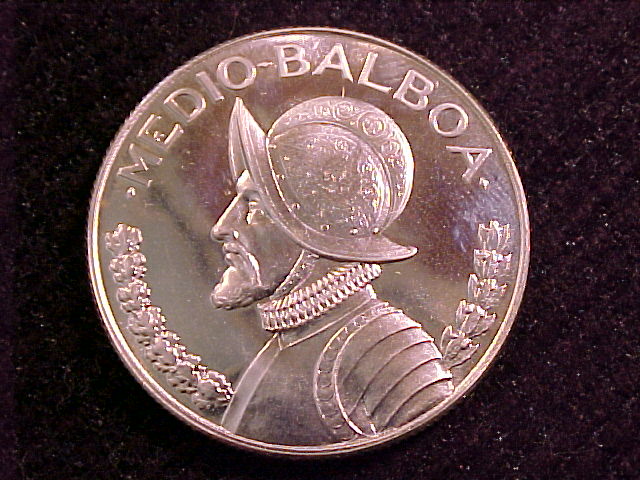 MVC-777F.jpg
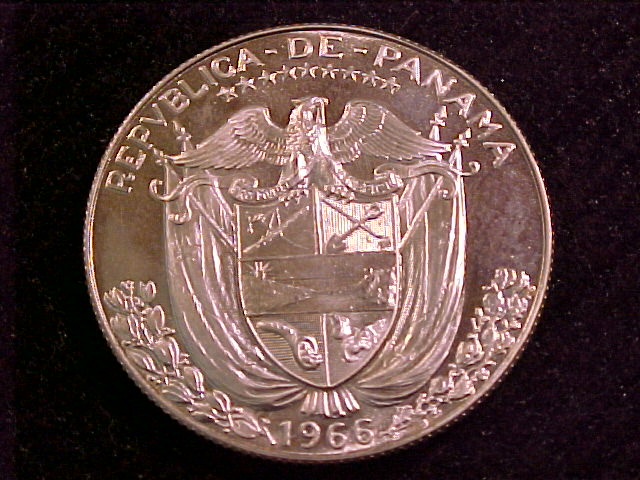 MVC-778F.jpg
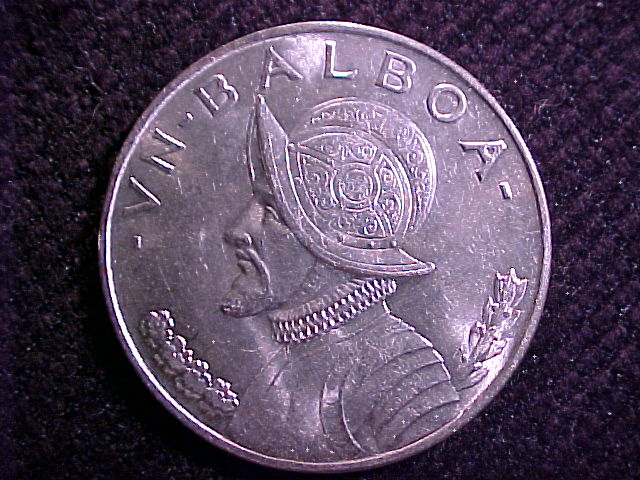 MVC-779F.jpg
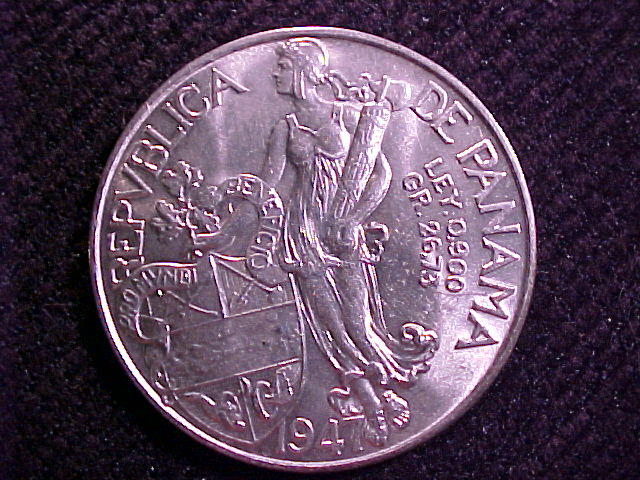 MVC-780F.jpg


 Posted 05/21/2008 08:06 am


