| Author |
 Replies: 13 / Views: 3,256 Replies: 13 / Views: 3,256 |
|
|
Valued Member
United States
414 Posts |
Hi Folks. I wanted to get some your feedback on this Ducaton I recently purchased. It looks good but there are couple of things that just don't sit quite right with me. Here are the specs: 32.25g; slightly larger than suggested at around 43mm (not perfectly circular, ranges from 42.9 to 43.4), surfaces are somewhat porous, which from what I gather is common for the type. I looked it over using my triplet and I'm fairly certain this isn't a cast. One of the things that irks me is that it sounds a bit more "hollow" than what I'd expect (perhaps due to the porosity?). Anyway, here are some pictures (my apologies, had to get creative with the edge pics, my phone focus wasn't cooperating) so any feedback is greatly appreciated. (Pro Photo) 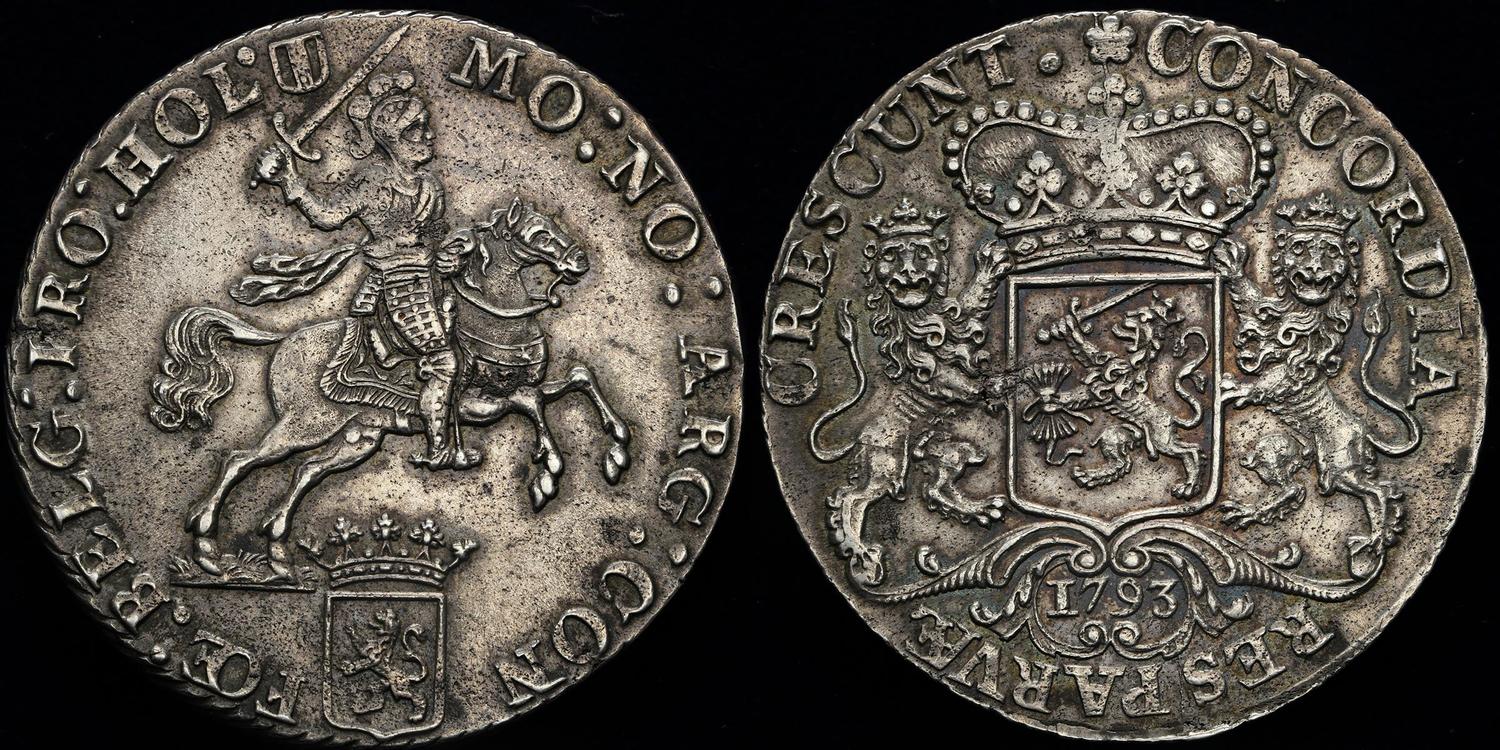 (Home Photos) 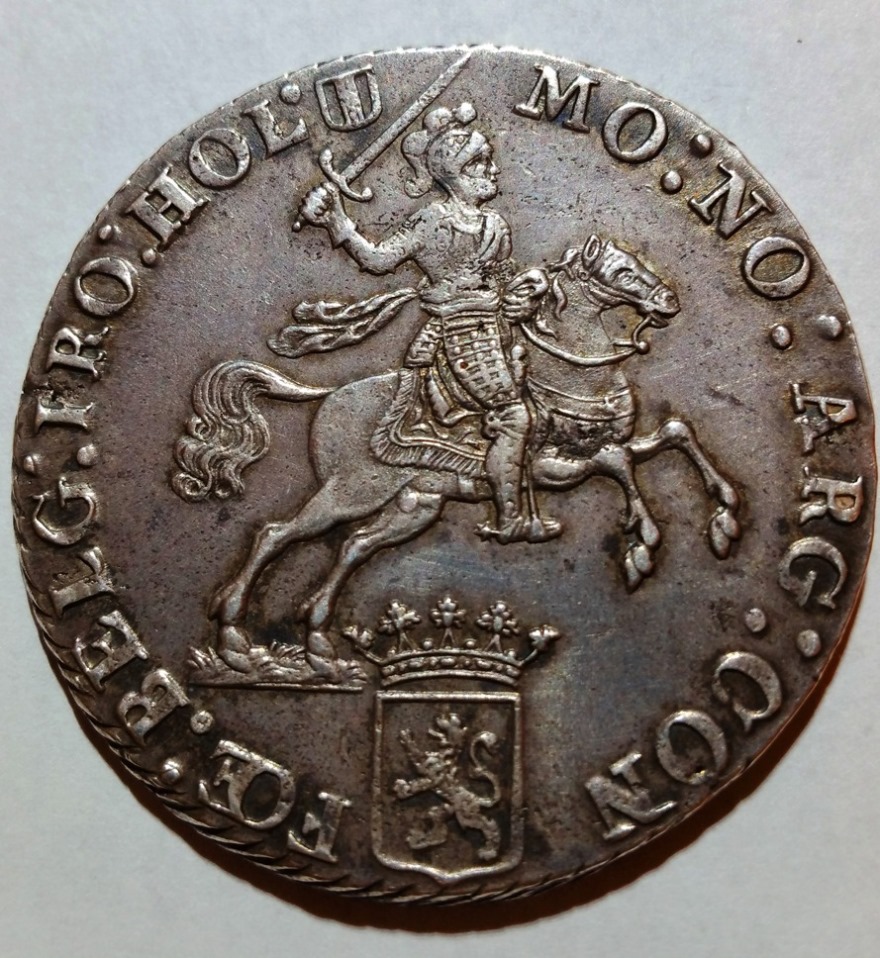  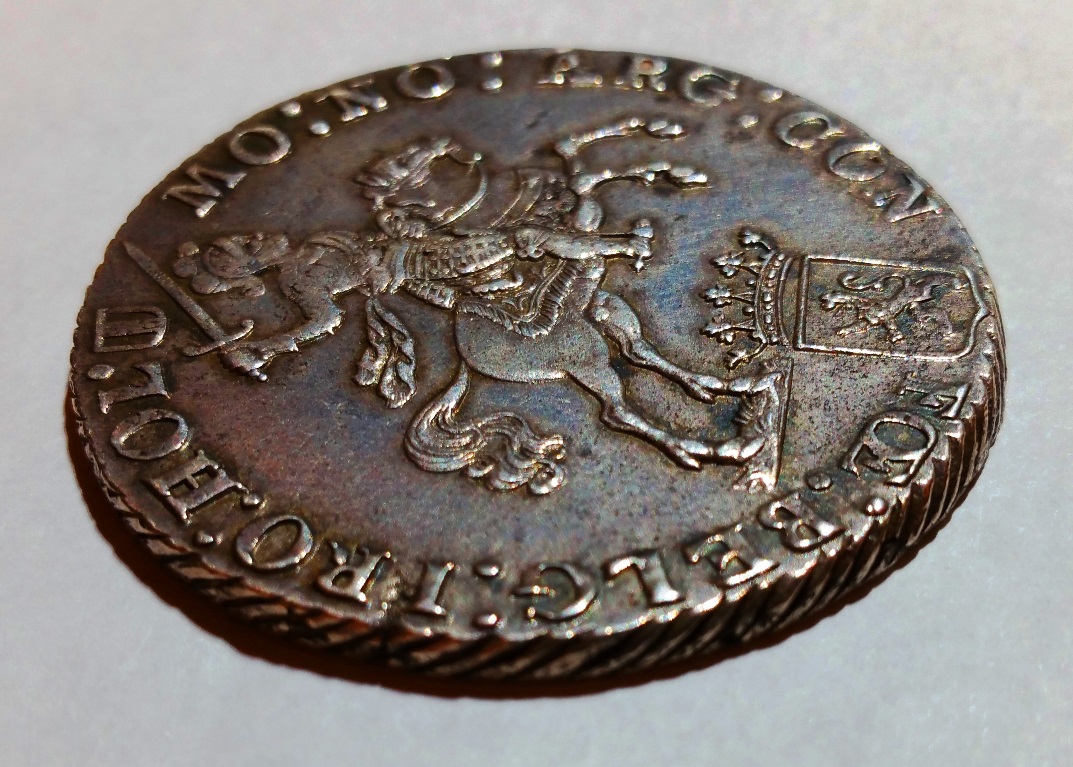 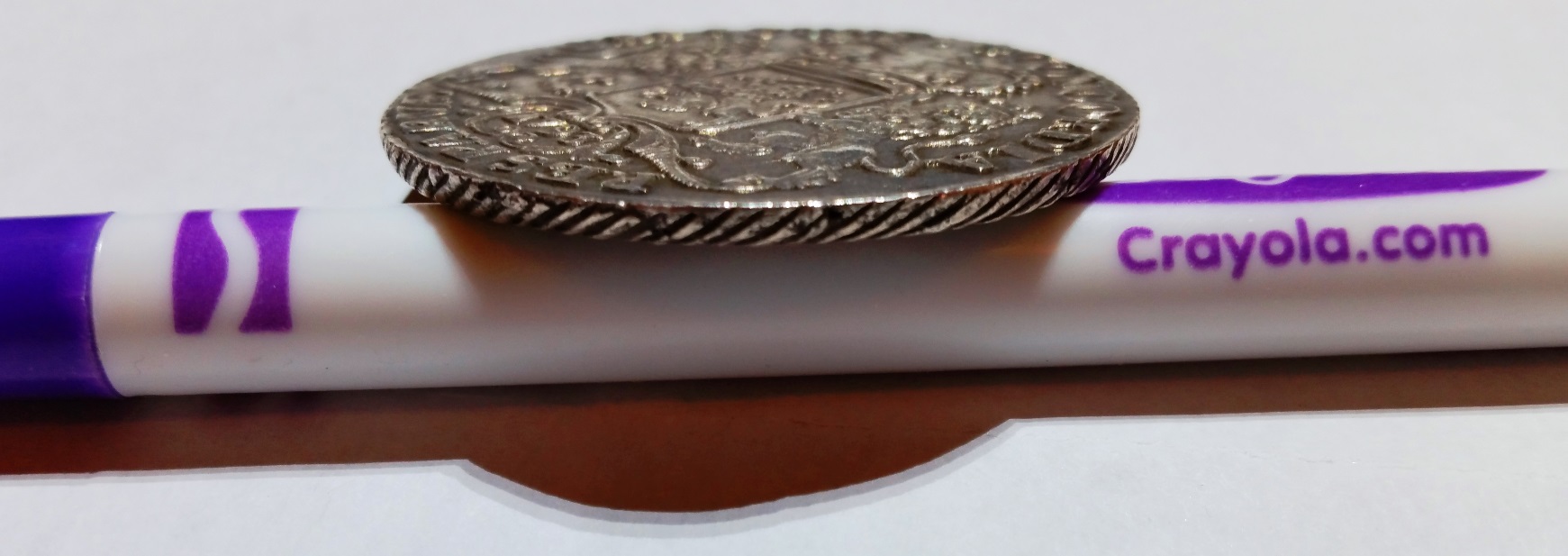 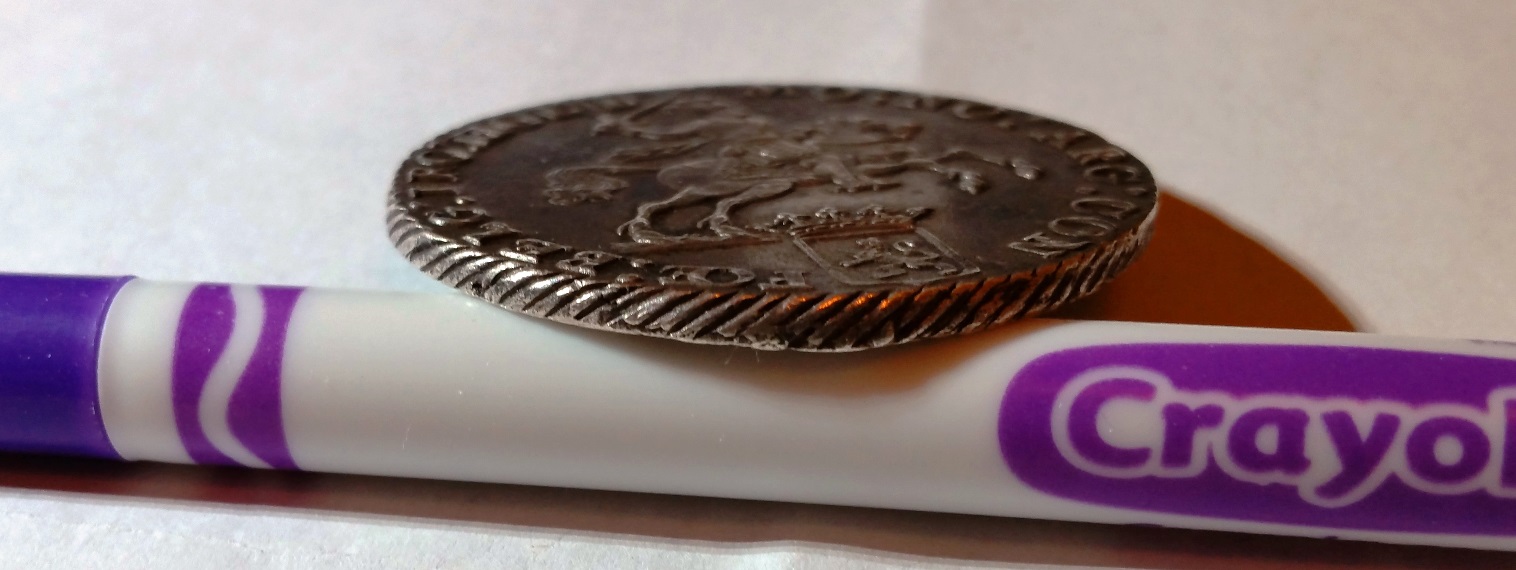 |
|
|
|
Pillar of the Community
United States
1962 Posts |
It's legit. Just some very slight planchet porosity as made. Nice toning, hugging the right places (as your good photos show). The rim business is obviously curious at first sight, and despite being reasonably familiarized with Riders, I did look at a few others to compare. Just appears to be an effect where a bit of extra metal at the periphery gets smooshed down on itself during strike. See below... the other two shown are also Holland province (1792 and 1793). Looks rather close to what's sometimes seen on (specifically) Lima mint colonial portrait reales. 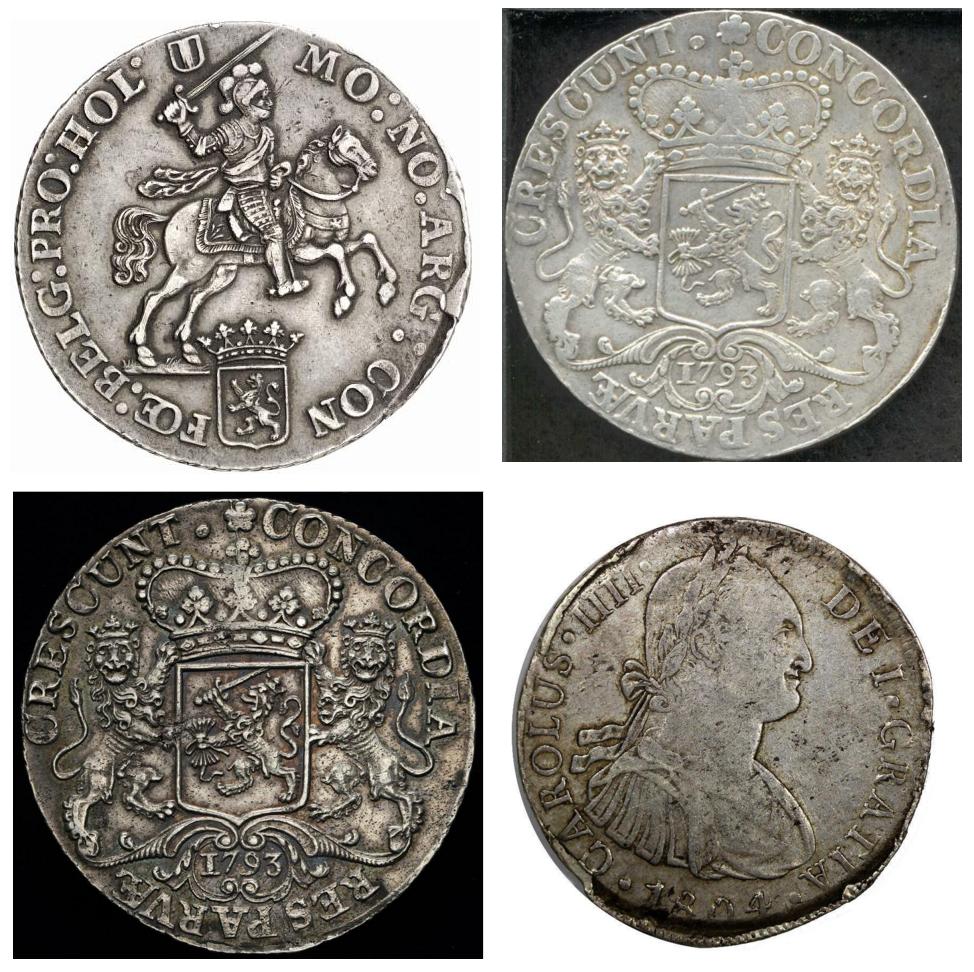 |
|
Pillar of the Community
United States
1962 Posts |
|
|
Pillar of the Community
United States
3184 Posts |
For something like that, I would want it slabbed. I hope you send it in to NGC or PCGS to get it slabbed
|
|
Valued Member
 United States
414 Posts |
Realeswatcher, thanks so much for your input - I really appreciate it. I had three rubs with the Ducaton
1. It doesn't sound like most silver coins. This is easily explainable due to the coin's age and porosity. Fine no problem there.
2. The rim/edge "unevenness". I inspected the edge under 15x magnification and the edge looks fine. No visible tooling marks or anything to indicate a forgery. The edge wire like design is smooth and even and your explanation makes perfect sense. Your examples were tremendously helpful. I also looked up edges of some known Ducaton forgeries and most are very poorly executed and stick out.
3. This one is what I can't explain as easily. As I mentioned originally, the diameter of the coin is around 43mm (shortest I measured was 42.9 and longest was 43.4) where the norm is around 42mm. This doesn't sound like a huge variation but it's fairly substantial. If one was to calculate the coin's weight per surface area the following can be derived:
A. A=Pi*R^2 = 1,452.20 mm squared (using 43mm diameter)
B. Taking the above and dividing by 32.25g one obtains a weight distribution of 45.03mm squared/gram (assuming density is consistent and the weight is evenly distributed across a unit of area)
C. A "normal" Ducaton's area is 1,385.44 mm squared(assuming 42mm diameter)
D. The variation in area between my Ducaton and a "normal" Ducaton is 66.76 mm squared
E. Using the weight distribution of 45.03mm squared/gram, the weight delta resultant from the "extra" Area is 1.48g
So my final conclusion is if this Ducaton was of proper diameter, it would weigh not 33.25g but rather 31.77g, a much too material variation from the specified weight, especially given the minimal wear observed. So the question then becomes is this a forgery? Is the coin larger than it should be merely to attain correct weight or am I just paranoid?
Anyhow, that's how my crazy mind works. As for the three links you posted, are you certain all these are forgeries? I mean I can certainly see the argument why one would think so but I am unable to rule any of them a forgery with a high degree of certainty, but that's probably because I'm not very knowledgeable about the series.
The first comes from a fairly reputable German auction house I've dealt with in the past with great results. You think this one is a cast copy?
The second one is just ugly and the weight is well off. The silver peeling off at 9 o'clock on the lion side doesn't help either. Strong case for a forgery.
The third looks OK but weight is well off
|
|
Pillar of the Community
United States
1156 Posts |
Edited by jgenn
01/31/2018 12:54 am
|
|
Pillar of the Community
United States
1962 Posts |
Some waste of time math there (you think the planchet's too wide, understood)... followed up by "I am unable to rule any of them a forgery with a high degree of certainty, but that's probably because I'm not very knowledgeable about the series." Frankly, if you can't automatically tell those first two I linked are not genuine just by sight, we're starting from scratch here. We're talking probably decade-old fakes there... If nothing else, you DO see that those specimens are "twins", yes? I don't know what the in-practice observed "norm" planchet diameter is for Holland province... in those years... and what fluctuation occurs. I don't think you do either. I do see that that handy-dandy site Numista (they of the Rarity Index!!) says "42mm". Apparently that's for all 125+ years of the series? And that's exactly a case of how having a little bit of knowledge can hurt you. Here is a 1780 Holland that our reliable contributor wonghinghi reported as 42.9mm: http://goccf.com/t/154378#1409199This guy reported his unfortunately eaten 1760 piece as 44mm: http://goccf.com/t/299419More 43mm: https://www.ma-shops.com/henzen/ite...0158&lang=enhttps://www.ma-shops.com/henzen/ite...5886&lang=enhttp://coins.lakdiva.org/netherland...toon_ag.htmlJust knowing from experience that there was definitely variation over the years, a little plus/minus on the diameter (even within a year) wouldn't concern me unless absolutely proven otherwise. Combined with what the coin looks like... I don't see a problem here. Edited by realeswatcher
01/31/2018 02:12 am
|
|
Valued Member
United States
414 Posts |
@jgenn - I'll be honest, I've never calculated SG before and haven't even heard or thought of using it to test coin authenticity up until a few months ago when I joined this great community. It's 1AM now and I'm brain dead but I will definitely do so. I believe the ducatons have a very high silver fineness so I'll need to know the SG of different silver contents. Any link you can post that has a table laying out SGs by content would be appreciated. The trick with this coin would be to accurately measure the volume as the coin is a bit oblong.
@realeswatcher - Thank you for your always honest and often blunt feedback, even if it stings a bit. I do mean that earnestly. I do not even begin to assume that my knowledge or understanding comes close yours nor are my eyes as trained as yours are. I am certain you've been at this far longer than I. I am a novice, I admit that freely.
I noticed the similarities in the two specimens in question, most obviously the splotch in front of the horse's face, but does that automatically make these two clones? Are you suggesting both are cast copies? I kind of feel like a kid who knows some algebra and was thrown into an advanced calculus class and was asked to extrapolate a logical conclusion to problem based on some given bits. With what knowledge I have (which apparently isn't much) I just can't do so.
|
|
Pillar of the Community
United States
1156 Posts |
|
|
Pillar of the Community
United States
5362 Posts |
cableguy815 If you have followed the discussions on specific gravity, you likely realize that I believe it to be one of the best ways to diagnose forgeries and counterfeits. Provided it is done correctly. Results derived from measuring the coin and calculating the volume mathematically are simply not going to result in a correct SG except accidentally. That is because a coin is not a regular shaped disc. None of the surfaces are smooth. A high grade rider such as yours is impossible to measure accurately enough. I am unaware of any form of computer assisted volumetric calculation that is more accurate than SG. I have long felt that eventually a computer program will have that capability but not yet. I know that computers are now used to measure the volume of subdural hematomas but the accuracy is in adequate to calculate a coin's volume. Use of a liquid and calculating volume based on displacement is as accurate as the scale accuracy used and is more accurate than the most advanced computer at this time. Archimedes principle which was first stated in 250 BC is now considered to be a fundamental law of physics. The definition is: Quote:
Archimedes' principle states that the upward buoyant force that is exerted on a body immersed in a fluid, whether fully or partially submerged, is equal to the weight of the fluid that the body displaces and acts in the upward direction at the center of mass of the displaced fluid. The words sound complex but the theory is simple. An object immersed in any fluid is supported by an upward force that is equal to the amount of liquid displaced by the object. 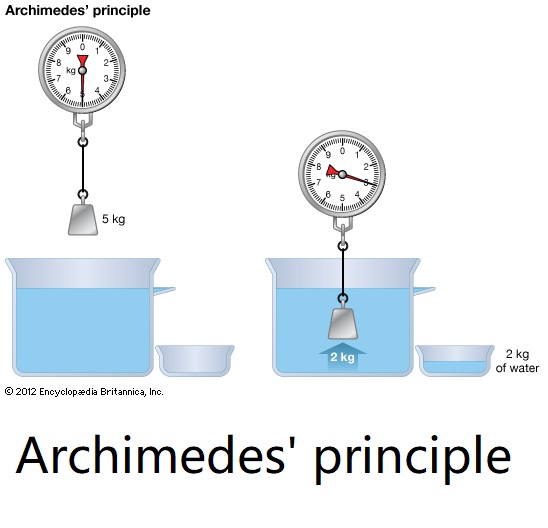 Density is defined as the weight of an object divided by the volume of the object. 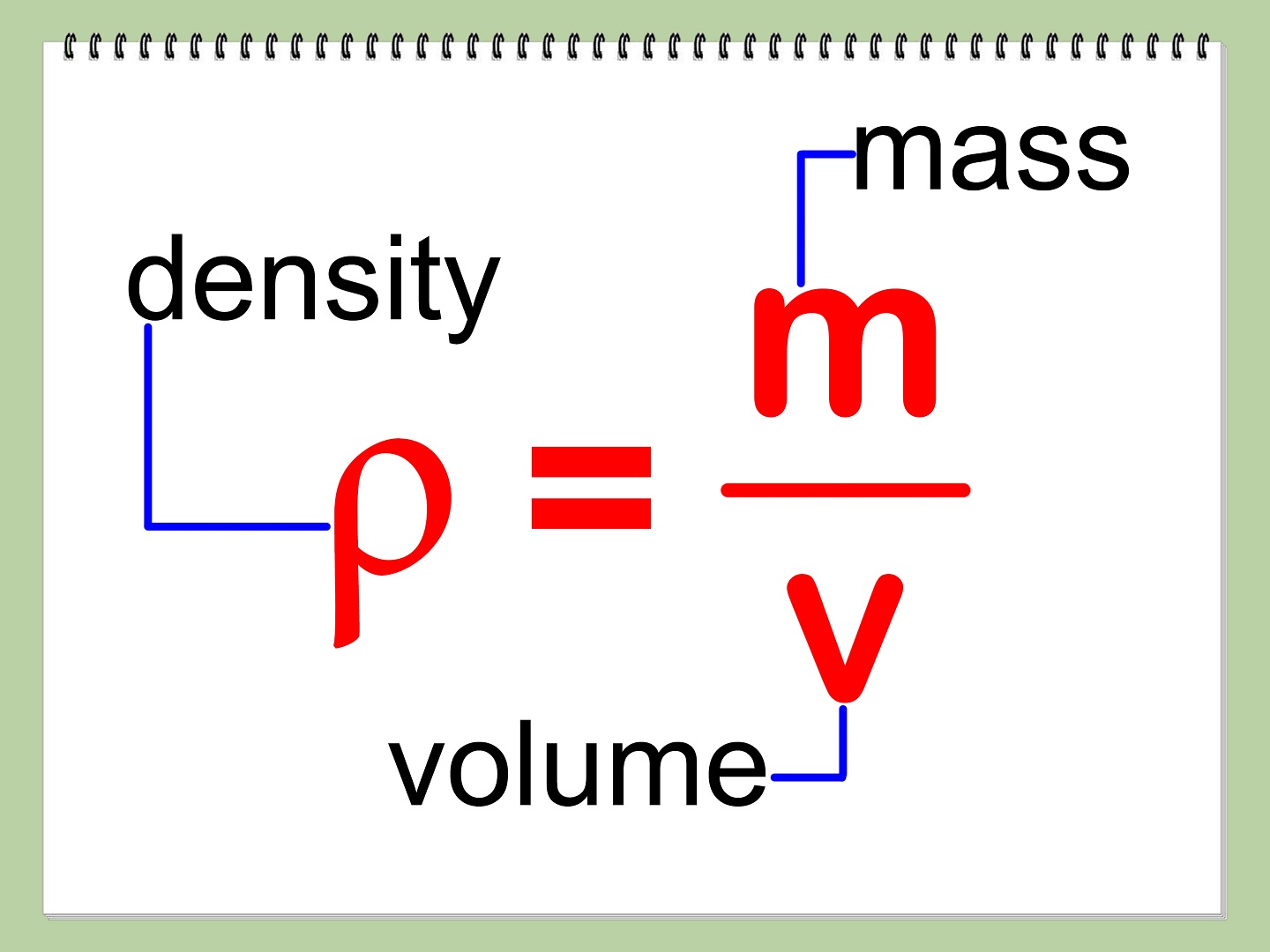 So if you know how much the liquid weighs per cubic centimeter the volume of the object is the buoyancy force divided by the weight of the liquid in one CC. For water the weight is ONE GRAM per CC. So if a coin looses 2.5 grams when immersed the volume is exactly 2.5 CC. The weight of the coin in air divided by the volume is the density. Accuracy of the measured density is controlled by the accuracy of the scale used. Most digital scales have an accuracy of +/-0.2% of the amount being weighed. For a 27 gram coin that is 27g x 0.002 or +/- 0.054g. This difference in weight would produce a range of apparent SG of 10.10 (780 fine) to 10.53 (990 fine) for a coin with a correct SG of 10.307 (903 fine). So you need a more accurate scale. I use an analytical balance that is accurate to 0.001 g. Here the deviation is +/- 0.0005 g and the effect on SG of a 10.307 (903 fine) genuine coin is 10.305 (900 fine) to 10.308 (906 fine). That is well within the range of the mint tolerance in Mexico City in 1800.
|
|
Valued Member
United States
414 Posts |
Sorry for the delayed response, I was out of town for a bit.
@Jgenn - thank for that information.
@Swamperbob - thank you sir for taking the time and effort to put out such a detailed response. Ever since I joined CCF, I have made a point to follow all of your responses because you often times speak about SG testing. As I mentioned before, I have never thought of using SG for coin authenticity verification. The concept is pretty rudimentary and the story of Archimedes is well known to me, but I guess I never really connected the dots.
I have watched several videos online about SG testing and they all pretty much do the same water test you outline below. I do have some qualms about dipping the ducaton in water, even if it's just for a short bit - don't want to mess around with it's appealing toning.
I have several questions based on your response:
1. I need a better scale it would seem. I have scale that provides weight to .01g but I'm not sure how accurate it is. Considering I bought it for $15, probably not accurate enough based on what you mentioned below. Any brands you recommend?
2. What do you use to suspend the coin as you're dipping it in water? Does it matter? I see a thread being used in the videos.
3. Have you ever had some undesired effects on a given coin from dipping it water?
@Realeswatcher - I am still interested in your opinion about your views on the non-authentic ducatons. I have read some of your previous responses in older threads and remember you discussing the philosophical difference between yourself and swamperbob, where you are more keen on not over-divulging information for fear that it gets into the wrong hands, whereas swamperbob's preference is to be the educator who believes knowledge is never a bad thing (sorry for the crude generalization). I can understand your reluctance to answer and will understand if you do not elaborate further, whatever your reasons may be. Either way, I thank you again for the input.
|
|
Pillar of the Community
United States
1962 Posts |
I do have some qualms about dipping the ducaton in water, even if it's just for a short bit You must live in the Hard Water Belt... buy some distilled! I really don't think these need detailed analysis - if you do, you need to peruse, study, and compare specimens until you don't: 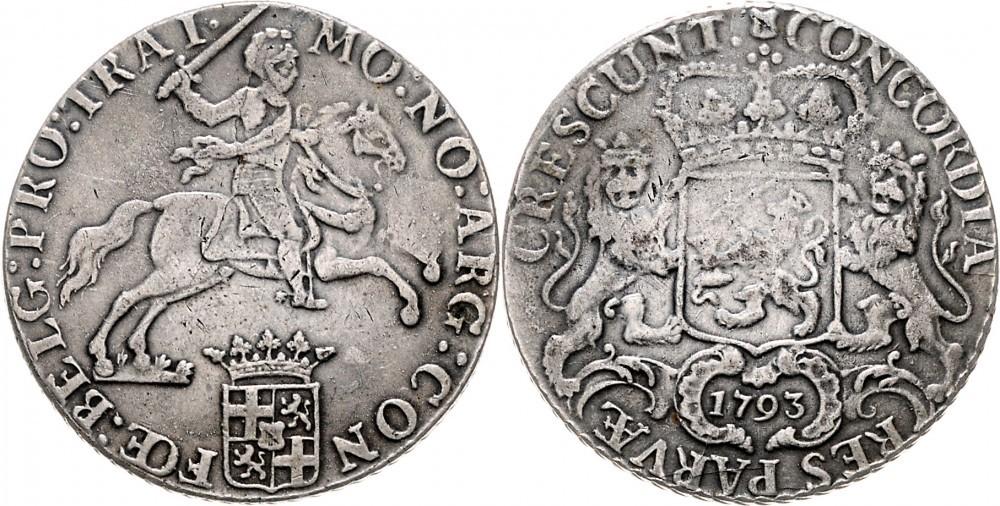 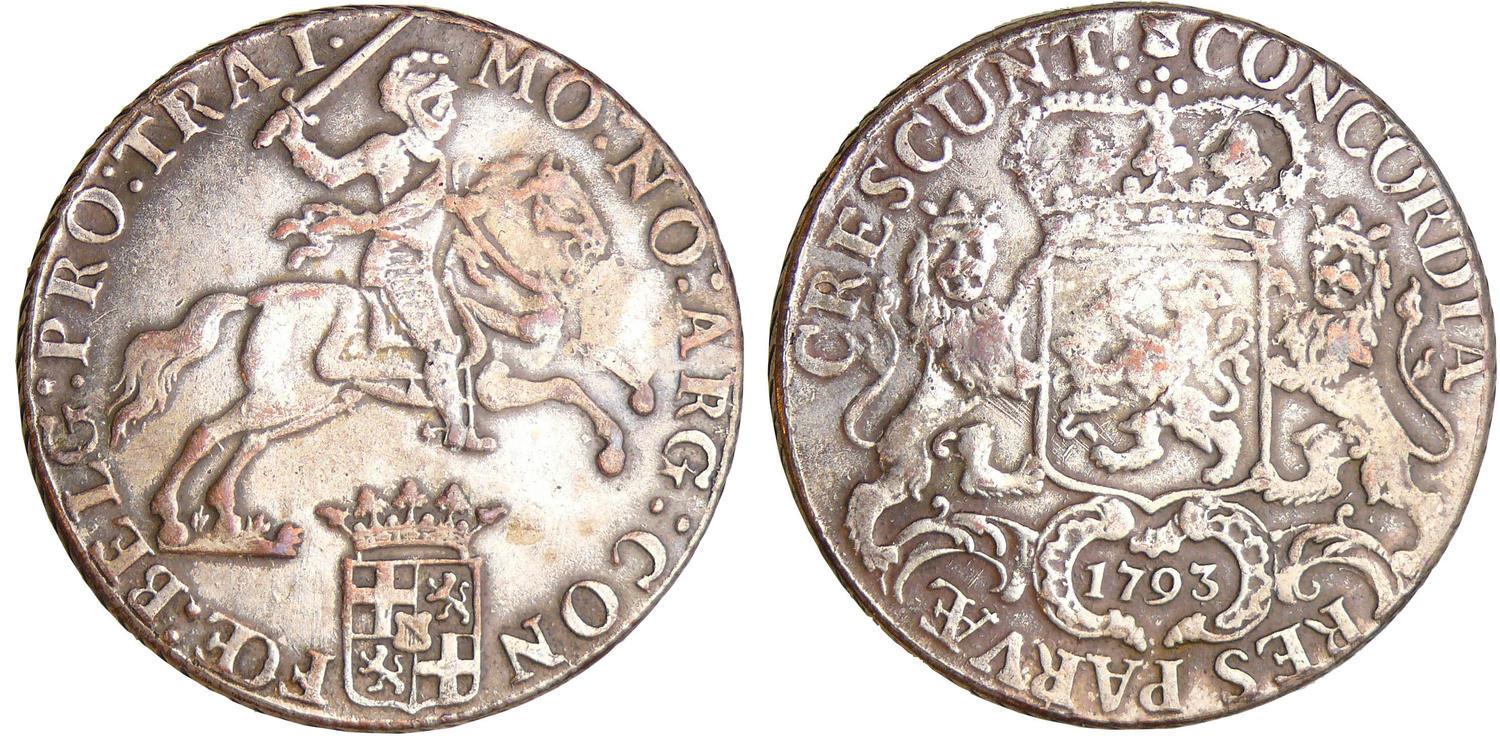 |
|
Pillar of the Community
United States
1962 Posts |
I still see zero problem with the coin in question. This is NOT a questionable surface whatsoever - that's good skin!:  |
|
Valued Member
United States
414 Posts |
So I took some time to practice calculating SG and got SGs for the ducaton that ranged from 9.5 to 10.1. I used the volume approximation method Swamperbob laid out in an older post. As I suspected, calculating the volume was immensely difficult. I suspect the key culprit to be the measurements of the coin's height. I was using a caliper, as that is the most accurate tool I have, and despite my best efforts was getting heights ranging from 2.1mm to 2.4mm. Any attempts to average out/smooth the large variations produced improvements but the ultimate conclusion was still not meaningful. It would seem the only way is to dip the coin. Quote:
You must live in the Hard Water Belt... buy some distilled! Not really. I believe NY water is touted to being one of the best. Irrespective, distilled water is not a bad suggestion. Still, that idea of dipping this coin in water is not sitting all that well with me. Quote:
I really don't think these need detailed analysis - if you do, you need to peruse, study, and compare specimens until you don't: I agree completely; one's study never ends as there are always more things to learn. I'm only 33 so I expect it to be a LONG journey before I come to such a point. It'd be incredibly foolhardy to think otherwise. Let me ask you this, and it maybe a naïve question, but if the two are cast clones why does only the top example have that vein in "Parvae"? |
| |
Replies: 13 / Views: 3,256 |
|








 Posted 01/30/2018 04:29 am


