











 Posted 02/05/2018 01:30 am


I also think that the Roman Provincial series is under rated.
Probably a leftover from the fact that the Romans in most cases, would not allow the Roman provinces to mint their own gold and silver coins. Bronze coins in the early Empire had a token value, not an intrinsic value.
That allowed the central government to have more control over the money supply.
The only 'provincial' gold coins coins were from the Bosporus on the eastern edge of the Empire, where Roman control was more tenuous.
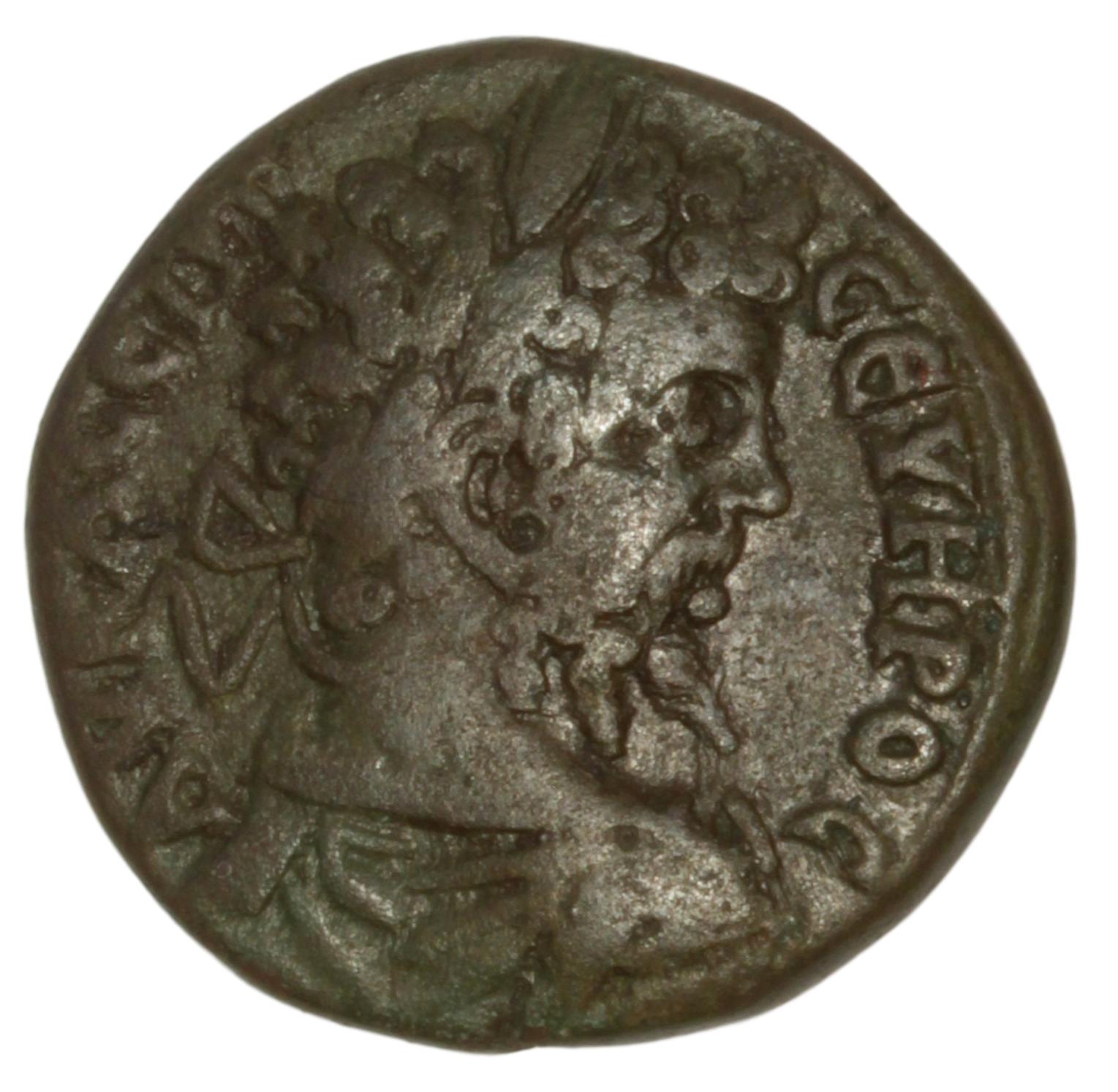
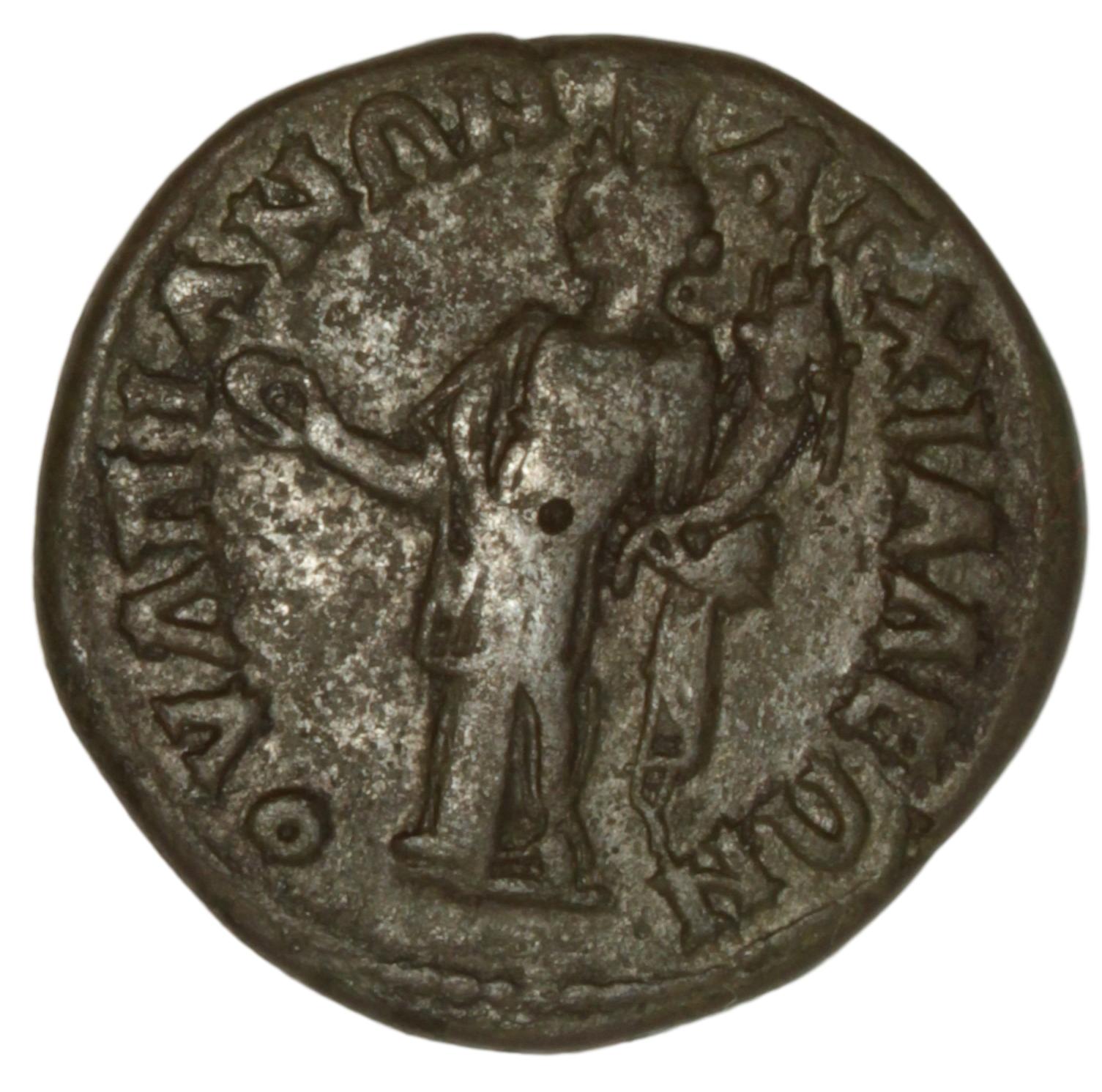
This particular bronze piece of Septimius Severus has all of the lettering obviously intact, and thus makes it a more desirable coin.
"Roman Imperial Coins" by David Sear, is an excellent introduction to the subject, and with the assistance of this book, it is easier to search the Vcoins website for similar coins, and thus get a much better idea of the current value.
If you haven't got a copy of Sear's book, then time can be spent on the Wildwinds site looking for a match, but using the book provides a quicker path to identification.
Probably a leftover from the fact that the Romans in most cases, would not allow the Roman provinces to mint their own gold and silver coins. Bronze coins in the early Empire had a token value, not an intrinsic value.
That allowed the central government to have more control over the money supply.
The only 'provincial' gold coins coins were from the Bosporus on the eastern edge of the Empire, where Roman control was more tenuous.
This particular bronze piece of Septimius Severus has all of the lettering obviously intact, and thus makes it a more desirable coin.
"Roman Imperial Coins" by David Sear, is an excellent introduction to the subject, and with the assistance of this book, it is easier to search the Vcoins website for similar coins, and thus get a much better idea of the current value.
If you haven't got a copy of Sear's book, then time can be spent on the Wildwinds site looking for a match, but using the book provides a quicker path to identification.


 . Love the chocolate patina on it too


