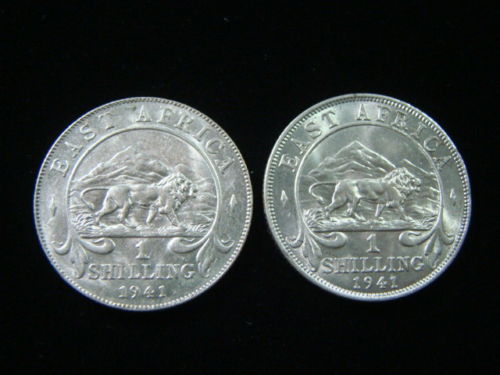
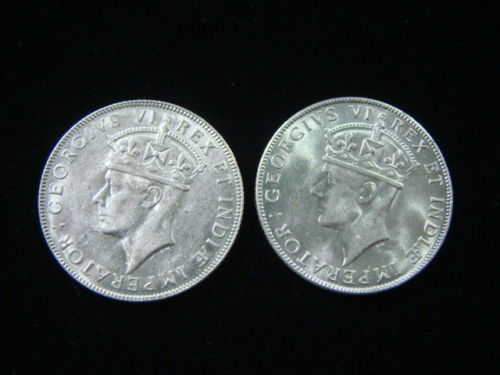
The curious case of the British East Africa 1941 Type II. shilling (KM# 28.2) made me scratch my head:
I came across this coin on a major online auction site and did some digging about it. This Type II. coin is being offered anywhere between $1,800 and $18 dollars, slabbed and unslabbed. The Type I. (KM# 28.1) goes only for $28 in MS-60 (Krause).
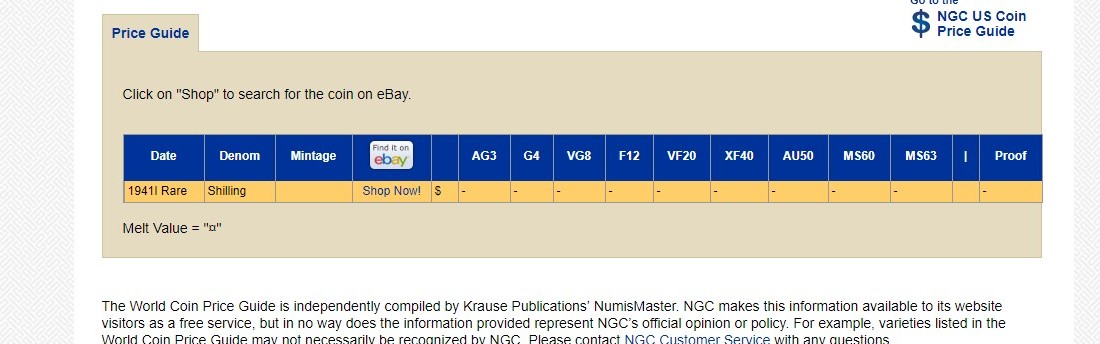
Krause does not have a price for this coin. One would assume that that's because it's very rare. But I was able to pick up a few of the Type II.-s within a span of two months, some in AU or even in UNC condition (IMO).
So is it possible that this Type II. coin is actually quite common but there are no records how many were Type I. vs Type II.? Thus Krause cannot, or will not place an estimate on it?
Would that explain the wildly varying asking prices for the Type II.? Or Krause cannot place a value on it because of the wildly varying prices? The chicken or the egg first?
If one of these is the case, Who fixes such discrepancies in the "coin collecting world"? The market?
Or it's hard to identify the types and collectors just don't bother? Or the two types do not spark a lot of interest?
NGC writes about this coin in their online price estimate which is based on Krause (see it below):
"Note: REV; Type I, thin rim and short milling, EAST AFRICA further from edge than Type II, larger loop on right side of coin below diamond in legend. Edge reeding spaced out"There are couple of threads already on the two types:
http://goccf.com/t/118969http://goccf.com/t/270892










 Posted 02/08/2018 08:48 am


