| Author |
 Replies: 10 / Views: 2,520 Replies: 10 / Views: 2,520 |
|
|
Pillar of the Community
United States
1122 Posts |
Ok, so every year I do a coin cleaning project in my class (History teacher). Not a lot of time for the traditional long process of cleaning cleans. So we try the usual soak - scrub - soak - scrub etc etc. We experiment with Electrolysis also. I tried a new solution to clean, very well knowing that it will strip the patina. But in about a day (longer for some) and some scrubbing the coins will be clean. Problem is that the coin looks completely new - not a good look for a 1600 year old coin. So I tried this new solution (Bead Butter). Smell like sulfer so I guess it's the key ingredient. Anyway here's the before and after. My first test is with this Theodosius I: 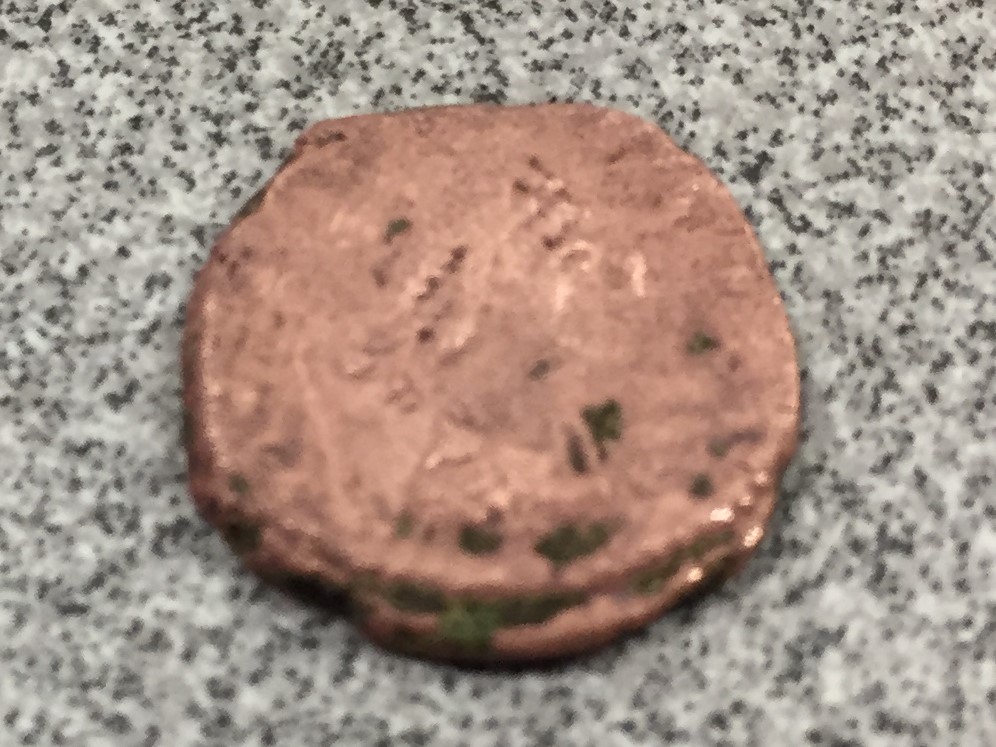 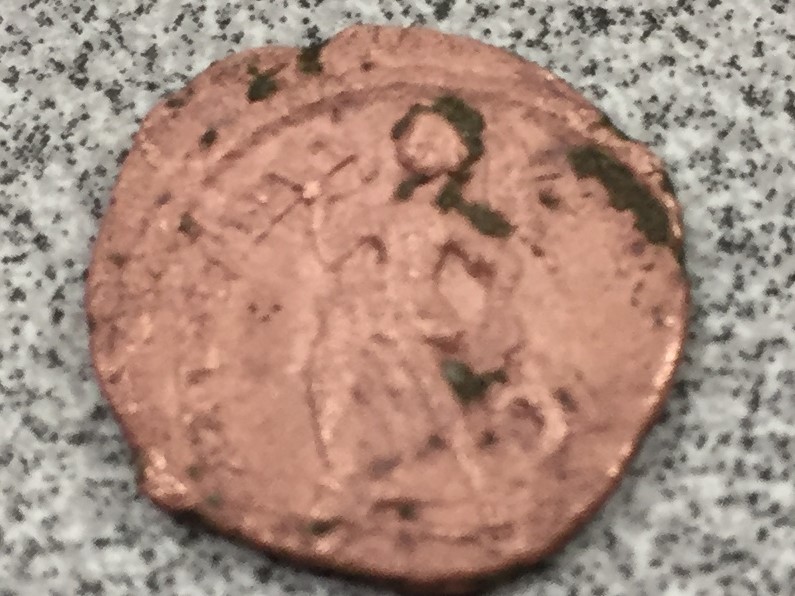 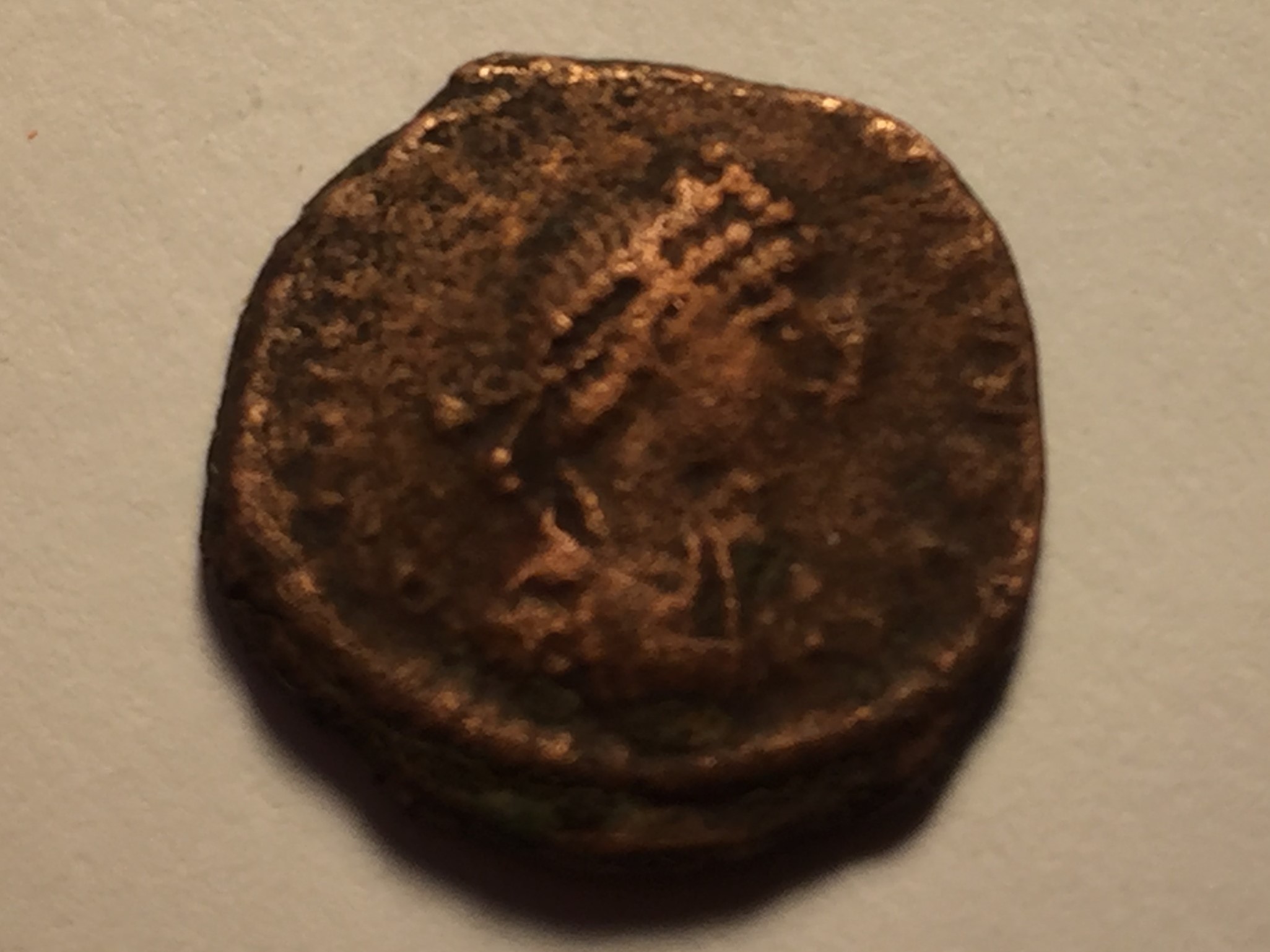 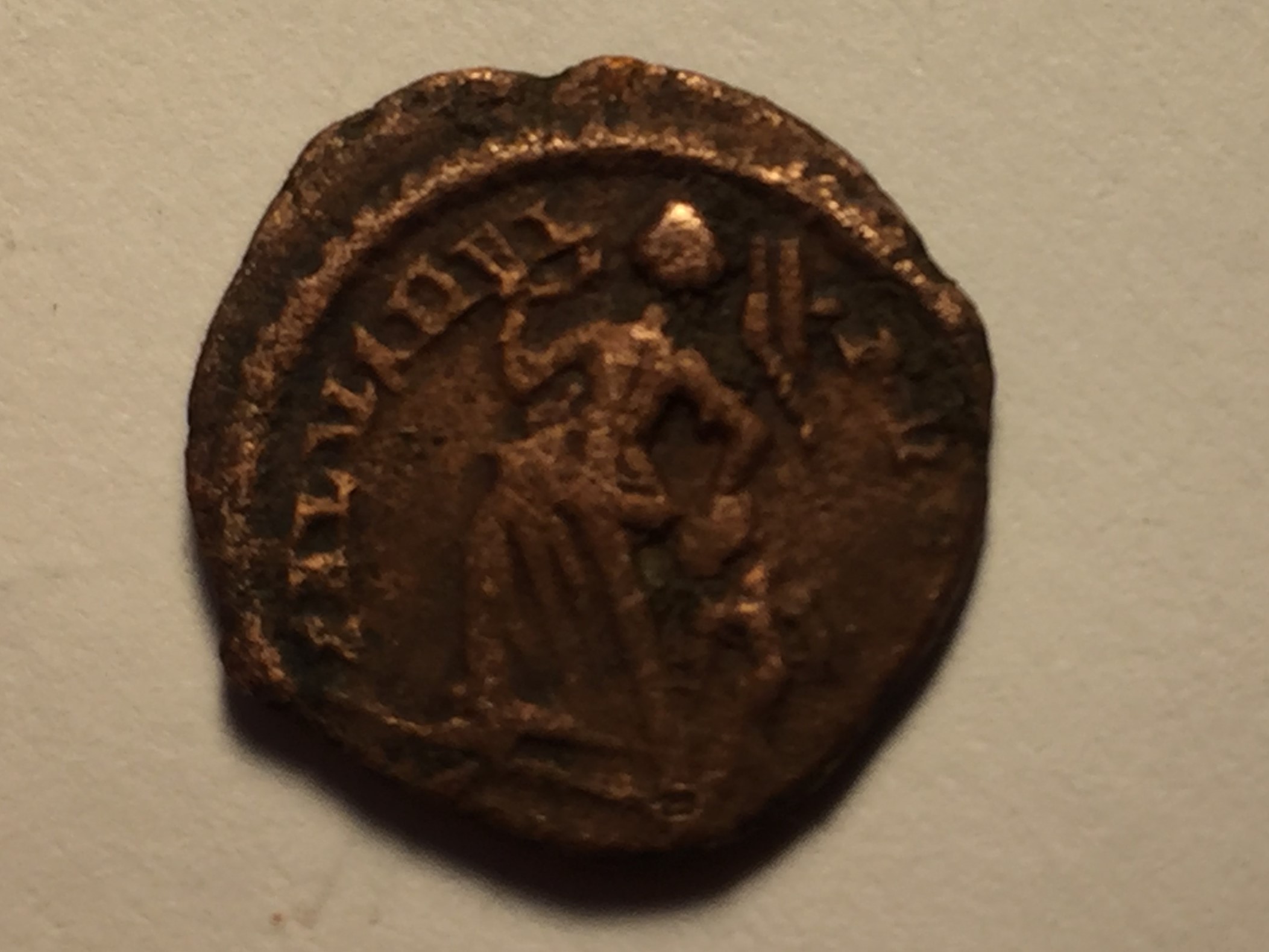 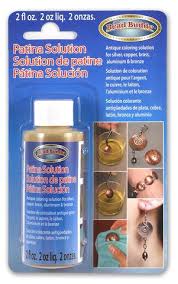 Of course you can soak more or less for darker/lighter Edited by travelcoin
02/17/2018 1:46 pm
|
|
|
|
Pillar of the Community
United States
7066 Posts |
Wow. I'm not a fan of artificial patinas, but this is a huge improvement over the stripped clean look.
|
|
Pillar of the Community
 United States
1122 Posts |
Bob, I used it because the sulfur in the liquid has a natural reaction to the metal - so it would be considered a chemical reaction. Even when you leave your penny or roman copper/bronze out in the sun, it will get darker (this too is a chemical reaction). I'm just speeding it up by a couple of months. The toning on the coin I would consider to be natural but the original/natural patina can never be restored. Unless someone finds it buried again 1000 years from now. It's a hotly debated topic natural/artificial  I would put paint, shoe polish (even that has a chemical reaction) and other patina kits (ink/paint based) under artificial. Thanks for looking! Edited by travelcoin
02/17/2018 2:26 pm
|
|
Pillar of the Community
United States
7066 Posts |
Good point - natural, not artificial, in terms of the chemical reaction. But with just a bit of help along the way.  Your result above is indeed a big improvement over the stripping. |
|
Pillar of the Community
United States
3487 Posts |
Basically "Liver of Sulphur"
Believe it or not it is essentially liquid Drano with sulphur added.
It has its uses for special cases.
With ancients the rules are different
Toning and or darkening can be done by several different ways.
An extended bath in olive oil or a short term burial in a flower pot (don't fergit fertilizer !) will do the same.
A hundred years in a mahogany cabinet will do marvels !!!
|
|
Moderator
 United States
23731 Posts |
Not a fan either, but I must say the results do look natural. So it actually improved the coins appearance.
|
|
Pillar of the Community
United States
1122 Posts |
I'm not a fan of it either, but the students like to see results and I like to get them excited. Patience is a virtue that many middle school students don't have. So when I buy a lot of uncleaned for them, I do cherry pick the good examples and clean them the old fashioned way. It takes longer, but I have it as an ongoing project. Here is properly cleaned Theodosius we did last year. 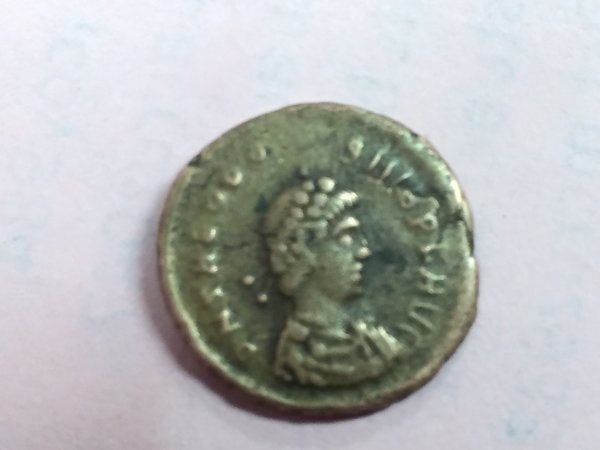 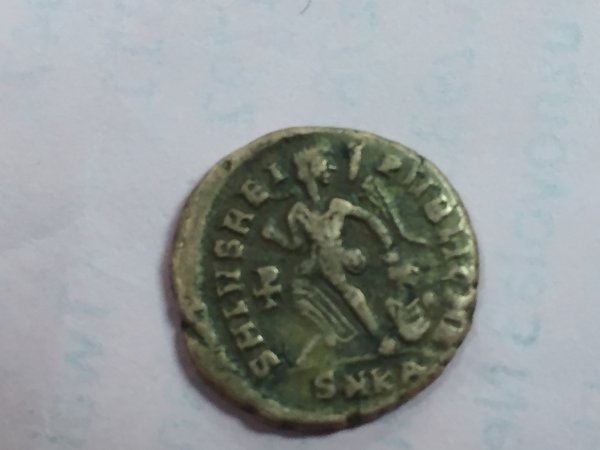 Edited by travelcoin
02/17/2018 3:37 pm
|
|
Pillar of the Community
United States
616 Posts |
Nice jobb on the Theodosius.
And kudos to you for being the kind of teacher I wish I had more of as a kid - or my kid had more of.
Edited by jskirwin
02/17/2018 4:07 pm
|
|
Rest in Peace
United States
17900 Posts |
An interesting result. Certainly not going to hurt stripped coins.
|
|
Valued Member
Canada
66 Posts |
At the end of the day you have saved a piece of history and this will live on.
This is what is important in my opinion.
|
|
Pillar of the Community
United States
1122 Posts |
jskirwin thank you for your kind words and everyone for your replies! We will be starting in about a month - I'll keep everyone posted with I hope some great finds.
|
| |
Replies: 10 / Views: 2,520 |
|










 Posted 02/17/2018 2:24 pm


