| Author |
 Replies: 18 / Views: 1,382 Replies: 18 / Views: 1,382 |
|
Valued Member
United States
92 Posts |
I have this '58 D cent that is showing what appears to be a break on the left wheat leaves... it appears the broken area may even be a Retained Cud as there is significant difference in the wear pattern from one side of the break to the other...(though the break seems to be confined to the device and does not look to extend into the field? ) Please have a look and let me know your thoughts.. as always THANKS! 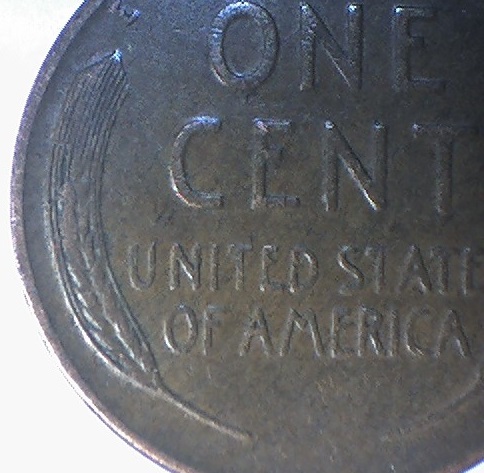 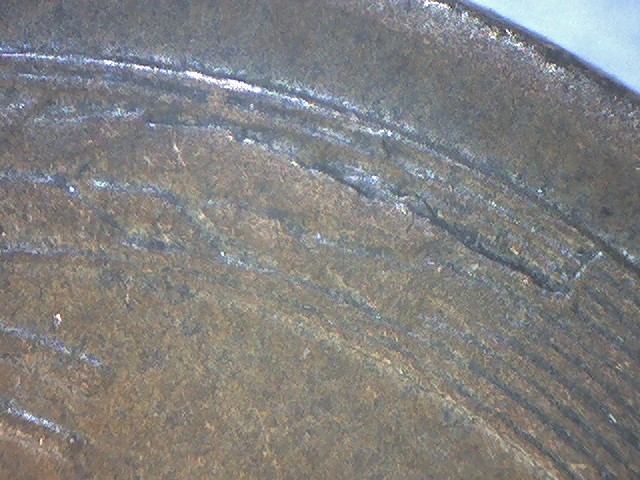 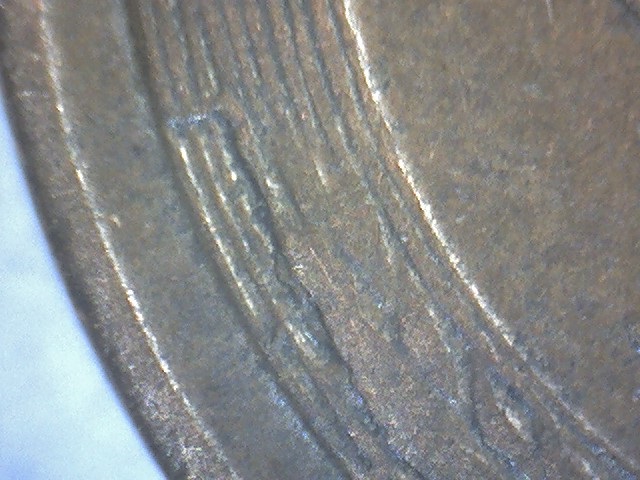 |
|
|
|
Rest in Peace
10197 Posts |
Die collapse, part has broken and been pushed further into the die, causing design to have different levels, instead of falling off die, buoken piece has sunk into the die. Surrounding area has deteriorated and broken off as die breaks.
Edited by Crazyb0
02/26/2018 12:54 pm
|
|
Bedrock of the Community
United States
62064 Posts |
I would call this a die break. It is beyond the die crack stage. The wheat lines are not out of alignment. The grains outside edge of still straight. So the die had not started to separate yet. It will strike many more coins like this.
|
|
Valued Member
 United States
92 Posts |
thanks ... I am not disputing anything here just trying to learn something so please bear with me here....
the "broken area" seems to be sharper (less wear) indicating it is struck deeper into the coin than the surrounding design thus protecting it from wear.... IF this is the case.... that would require the reverse to be true on the Die... meaning, rather than sinking into the die it would need to protrude from the die further than the surrounding design in order to produce the deeper impression...
Is my thinking correct here?
again thanks
|
|
Bedrock of the Community
United States
62064 Posts |
The question is giving me a headache.... The die is a negative of a coin.  If something is raised on the coin, it is set deeper into the die. If something is level like the fields, then that is the outside part of the die. So if the die has a die dent on it, the fields would be the only area that would be touched and that area would be raised on the coin. 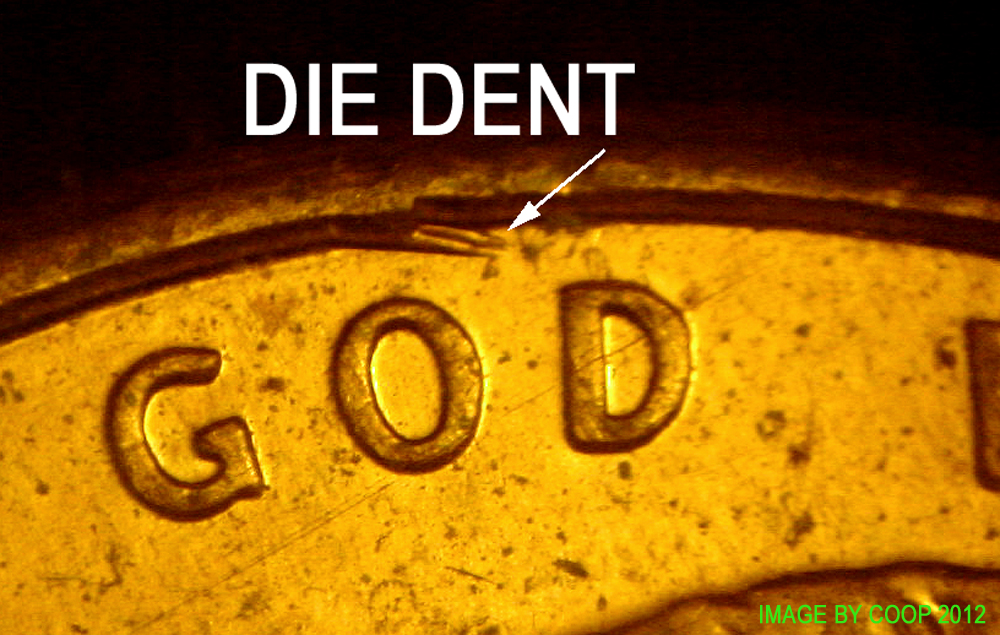 If something broke off the die, that would leave a void on the die, thus leaving a raised area on the fields or on the devices/design.  If there is a die crack, there is a void so the coin would show a raised line. 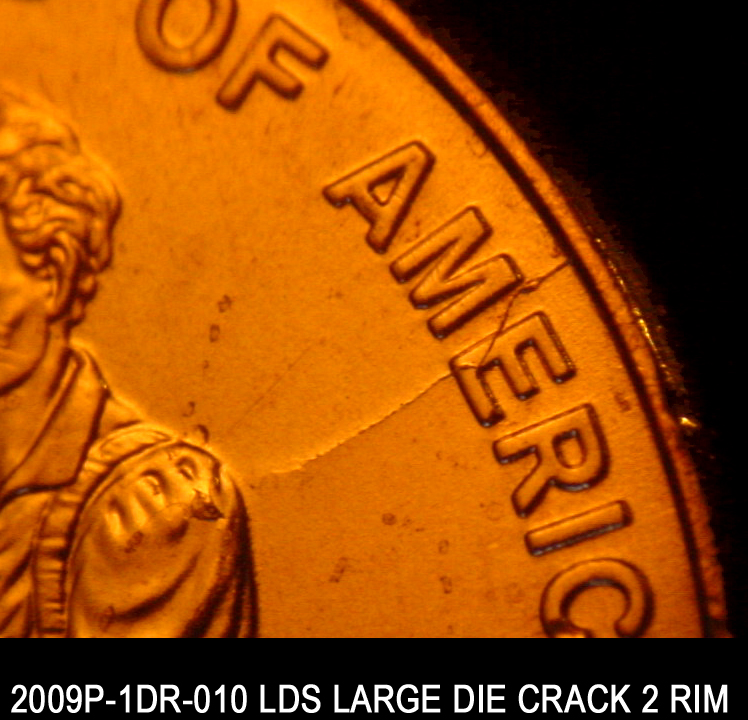 If there is a die break, some of the die material would have fallen out and leave a raised area on the coin. (Usually found on the design areas) 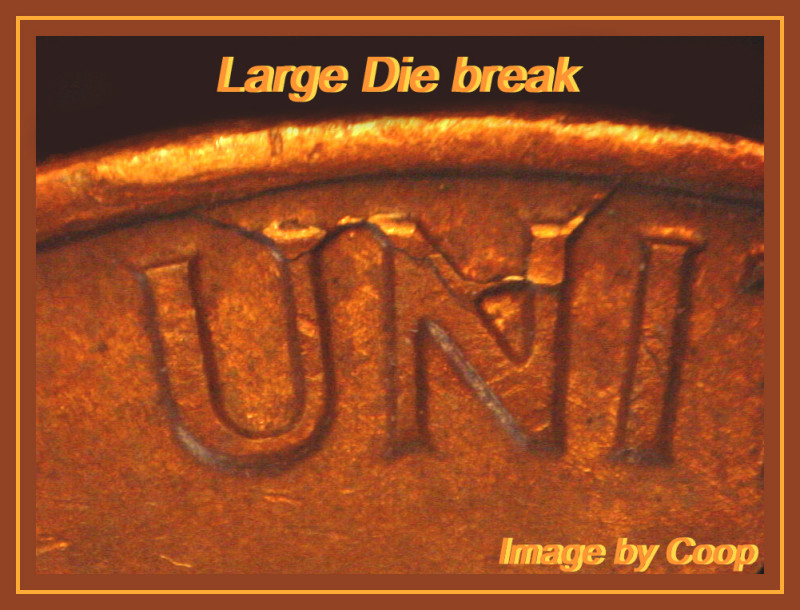 Circulation of the coin can wear down a raised device/design area or die crack. So when the coin is not BU it makes it harder to tell exactly what was there when it was a fresh coin. 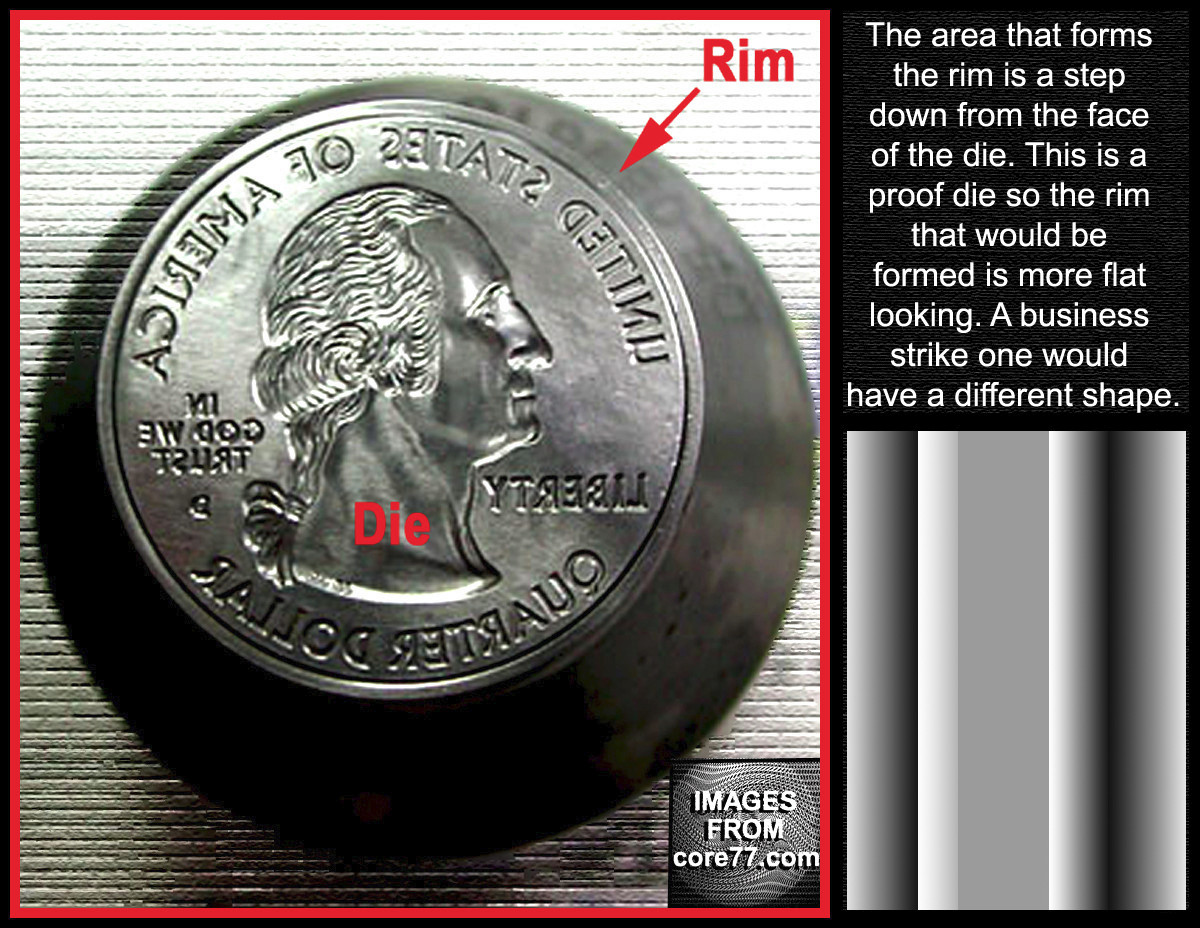 So to recap: A coin is the positive, the die is a negative to make the positive. Hope this helps a bit. Edited by coop
02/26/2018 2:24 pm
|
|
Bedrock of the Community
United States
94367 Posts |
 too the CCF! |
|
Valued Member
United States
92 Posts |
I think we both just said the same thing.... I just did not explain it as well.... what I see on this coin is cleaner sharper features in the area of concern... this would indicate a deeper strike ... as you stated above deeper strike means the feature sticks out from the die not recessed into the die..... trying to reason out why this area has less wear than the rest...
|
|
Valued Member
United States
92 Posts |
to clarify.... I am referring to the ridges within the design of the wheat leaf within the confines of the "break" not necessarily the crack or break itself... does that make any sense?
|
|
Rest in Peace
United States
17900 Posts |
Quite a nice find. Congratulations.
|
|
Valued Member
United States
92 Posts |
Perhaps it is my photography that is not good enough? maybe this will help to explain what I am "seeing" (not my intention to give you a headache!) 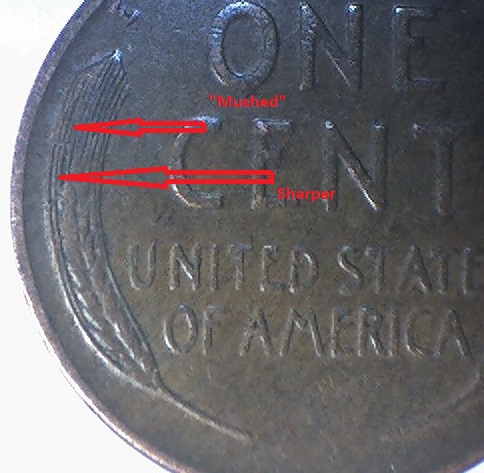 |
|
Valued Member
United States
92 Posts |
last image to try to show what I am seeing... the sharpness vs the worn area... 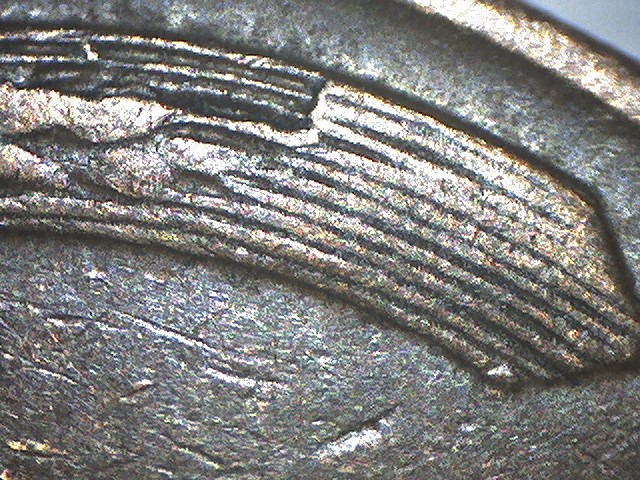 |
|
Bedrock of the Community
United States
62064 Posts |
I see the interuption as die crack line. But the wheat lines are straight in line with a break in between them. Usually with a Retained Cud, you will see an interuption, but the lines won't be the same. 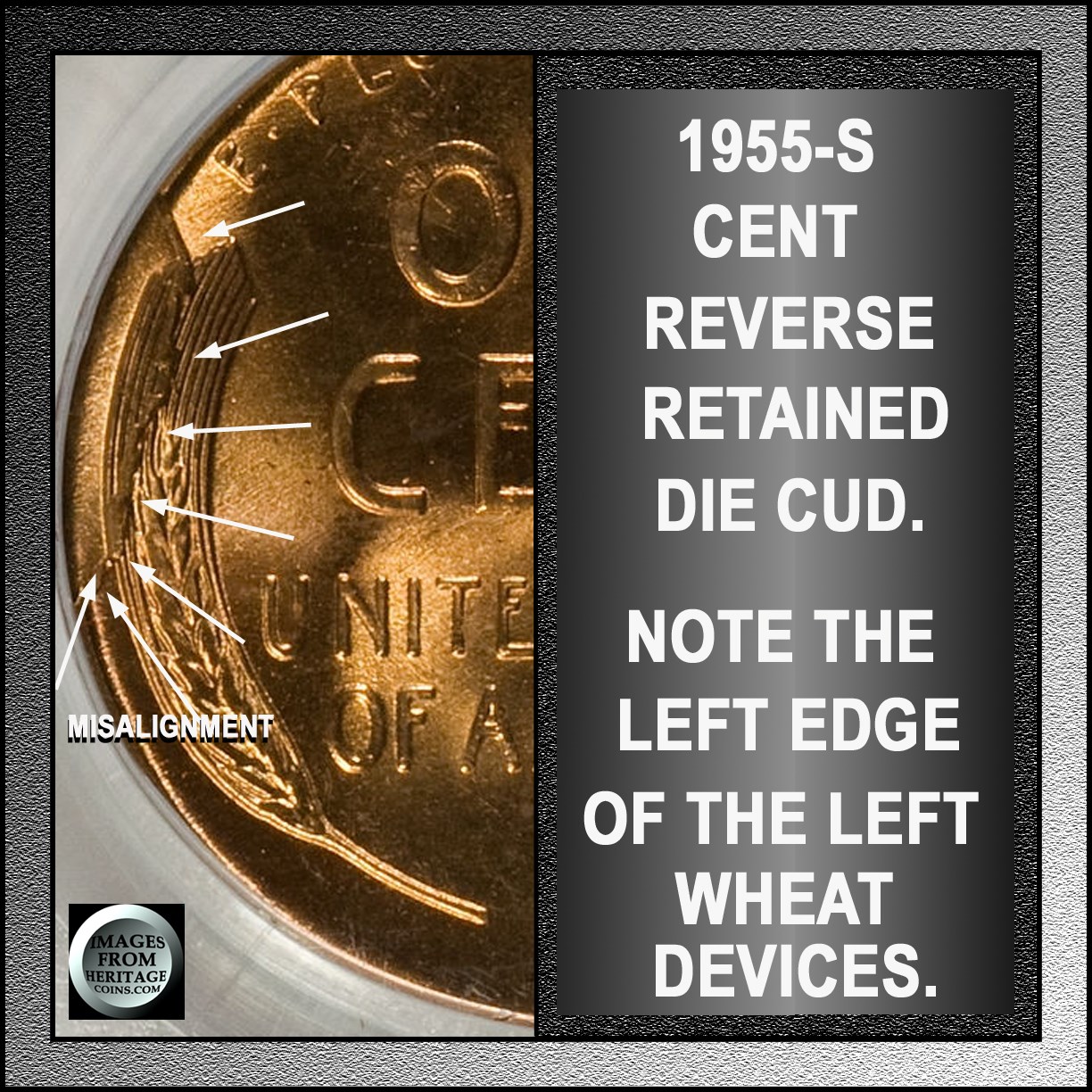 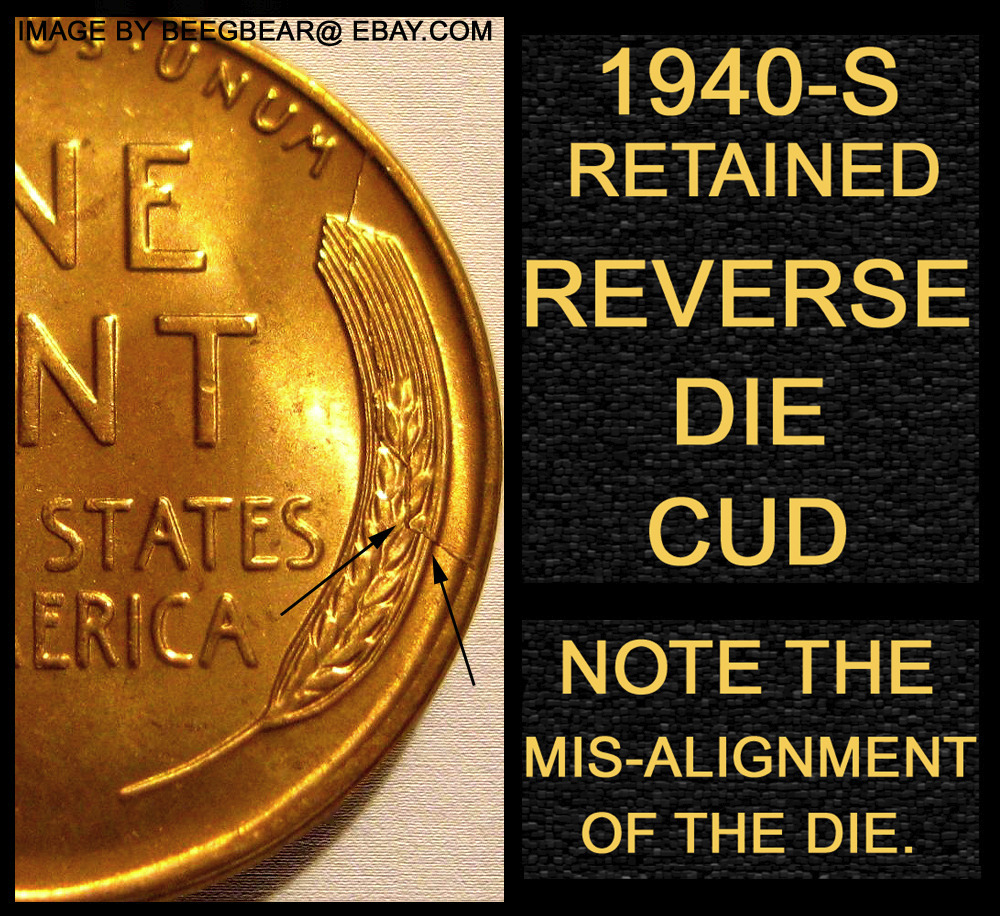 So far the die hasn't started this yet. Just the chipping of the area in the center on the wheat grains so far. Usually for a Retained Cud to start, the die cracks need to reach the rim on both sides. Your coin is not doing that yet. 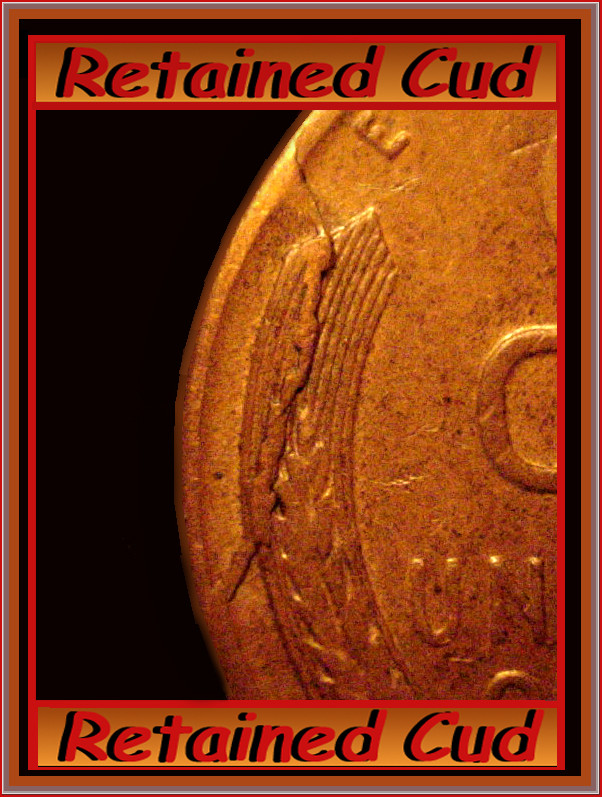 But it may have stayed contained there for the rest of its life or later on cracked to the rim on both ends. The chipping in the grains area is just loosing die material in a straight line that I referred to as a die break developing. (Loosing the die material in the void will leave a raised area on the coins. The deeper the break, the higher the die break will become. |
|
Bedrock of the Community
United States
62064 Posts |
That last image you posted show a lot better. (at least your image skills are improving) But the area after the cross line that looks like a miss alignment, looks like to me as the die crack going up the wheat line. Still trying to make a break for the rim, just hasn't done it yet.
|
|
Valued Member
United States
92 Posts |
Ok thanks I agree there is no displacement of the "lines" I must assume the reason they are sharper in that area is because the pushed up metal from the break protected that area from wearing the same as the rest.... not displaced just a little extra protection... does that seem logical to you?
|
|
Valued Member
United States
92 Posts |
BTW.. Coop you sure are quick with those example pics!! thanks..
|
|
Bedrock of the Community
United States
62064 Posts |
Well I have them on my image host. (Over 7,200 of them I've created through the years) The the areas you are looking on the lines going north on the wheat lines are probably die cracks are trying to reach an area to break out of the rim. The die may have been a Retained Cud or later on in it life. But it just isn't so far when your coin was struck. |
| |
Replies: 18 / Views: 1,382 |









 Posted 02/26/2018 12:59 pm


