| Author |
 Replies: 11 / Views: 1,243 Replies: 11 / Views: 1,243 |
|
|
Valued Member
United States
262 Posts |
|
|
|
|
Bedrock of the Community
United States
62064 Posts |
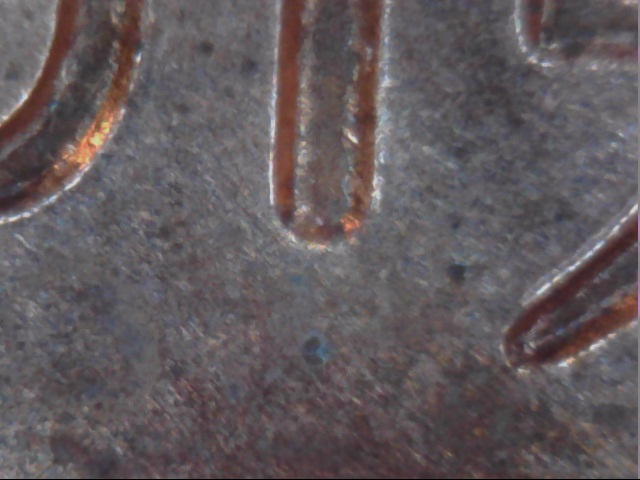
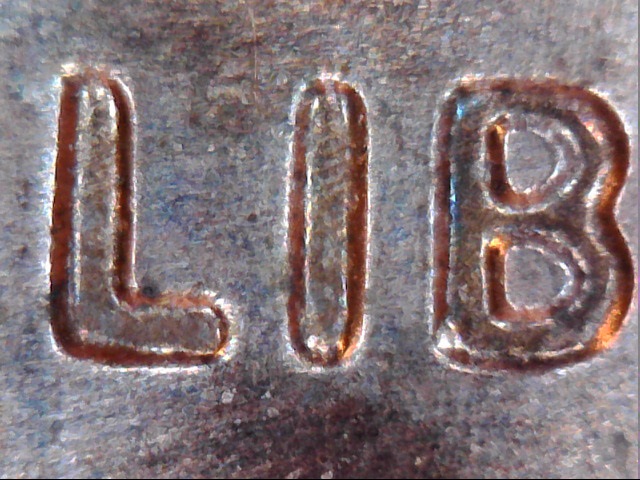
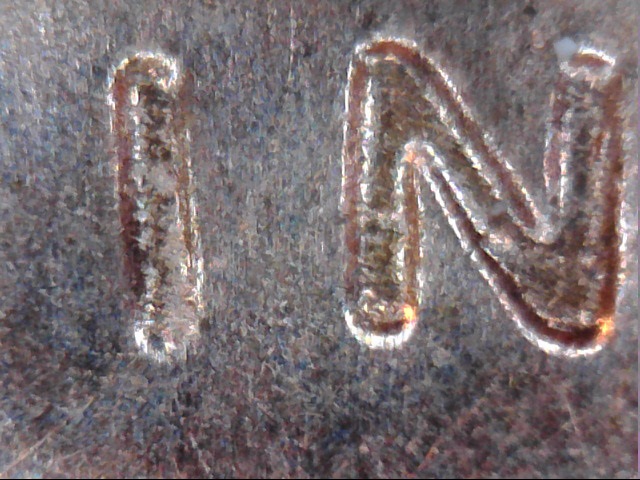
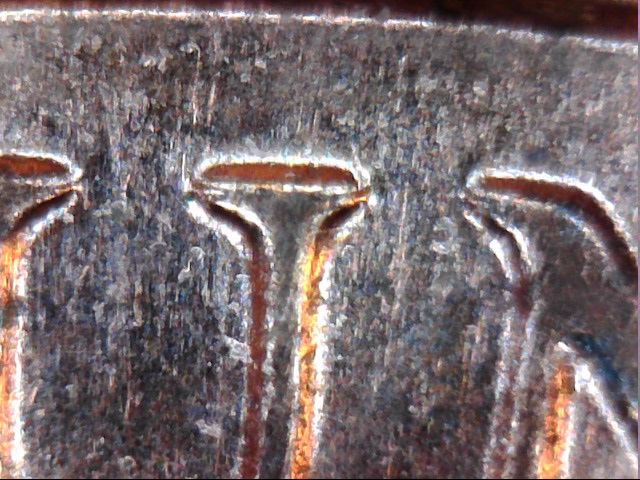
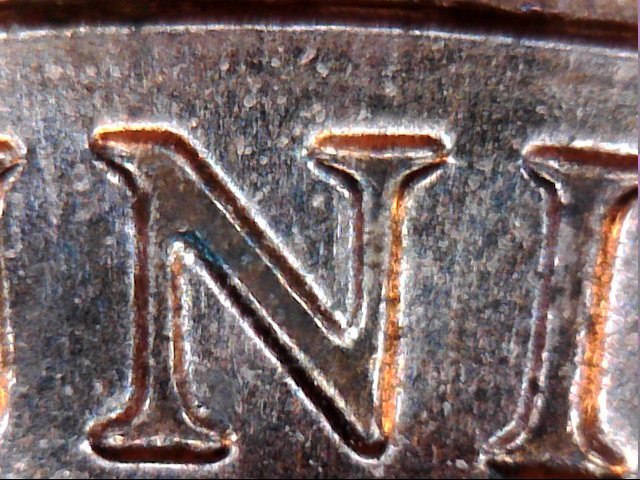
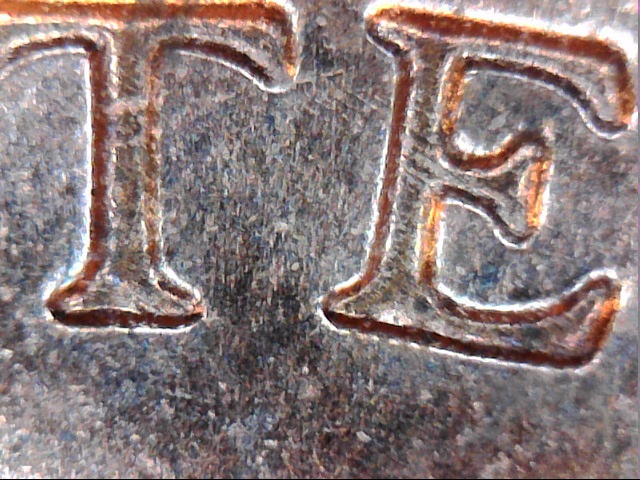
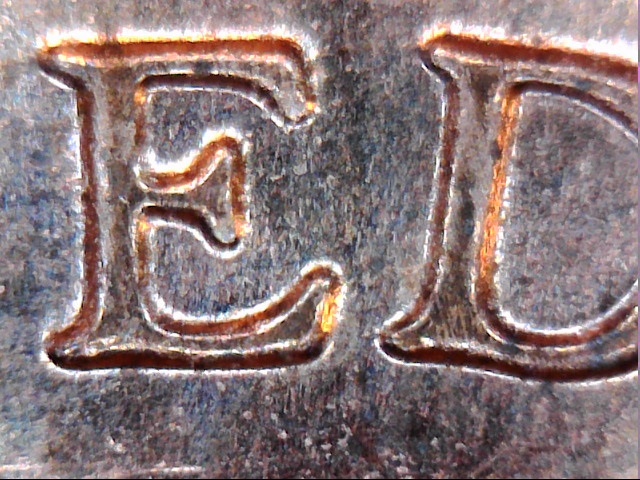
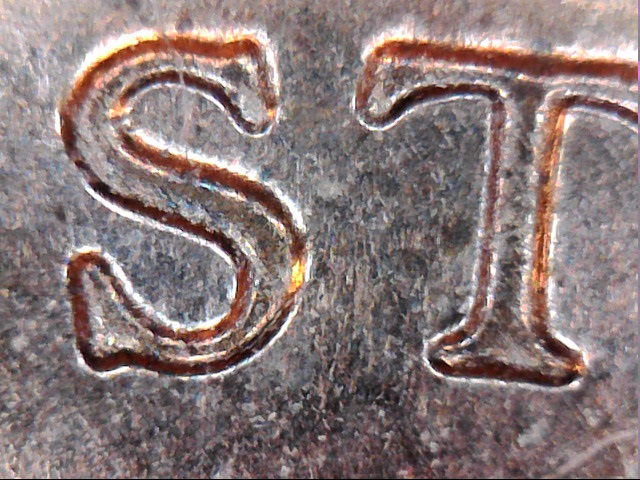
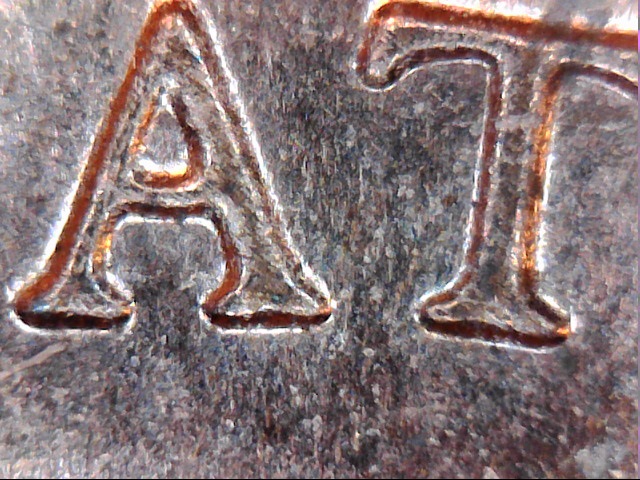
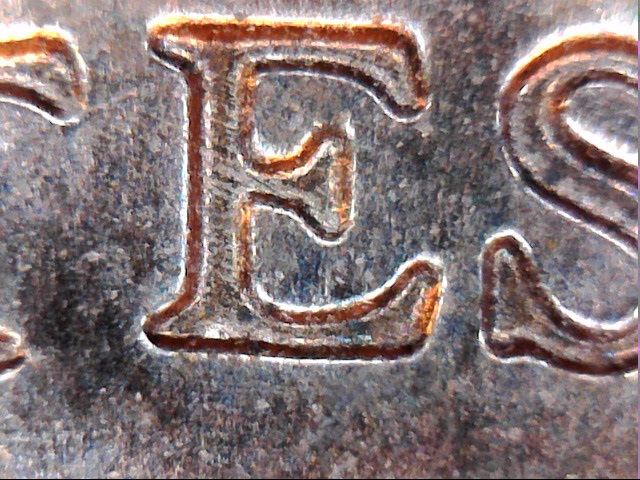
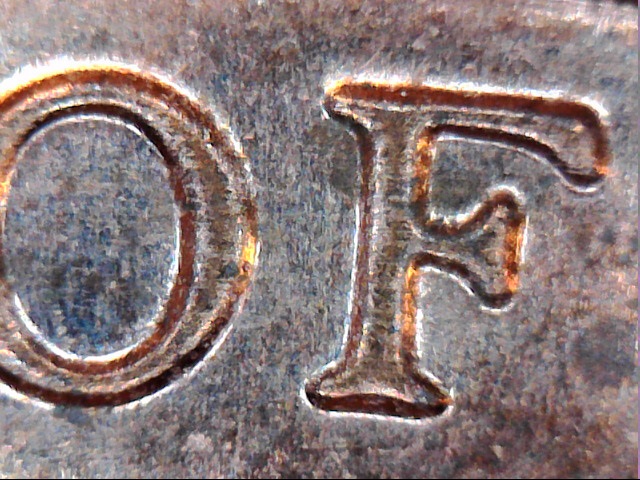
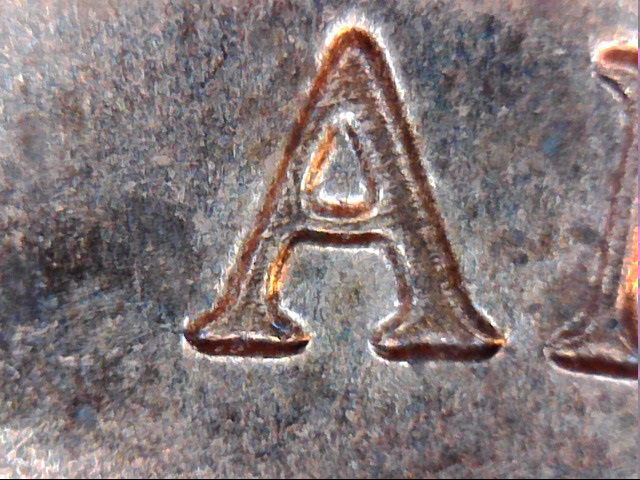
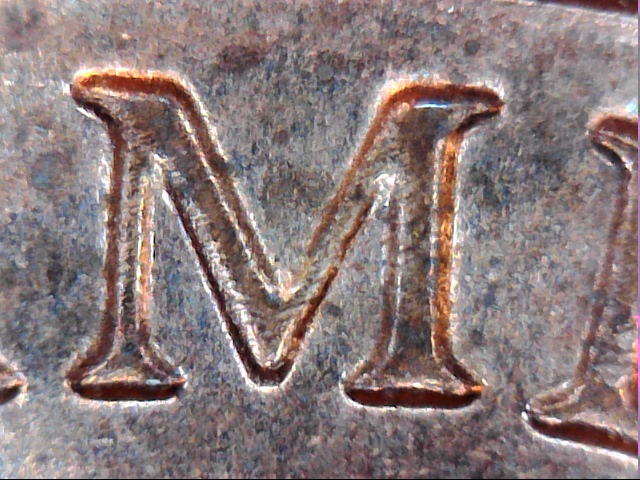
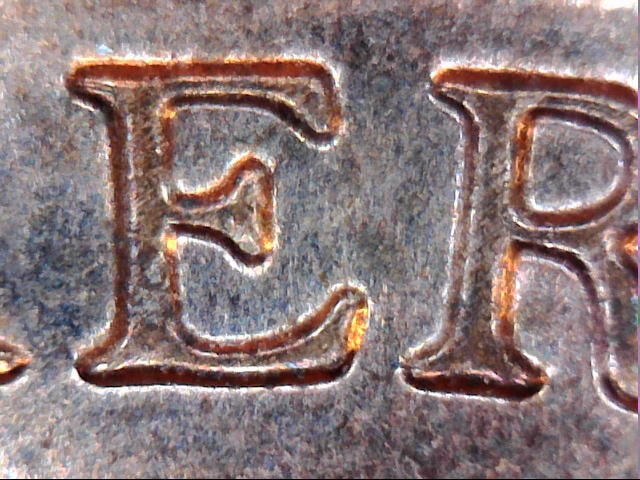
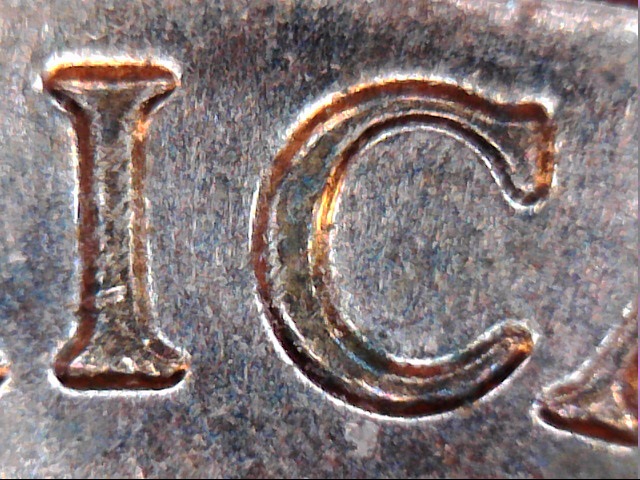
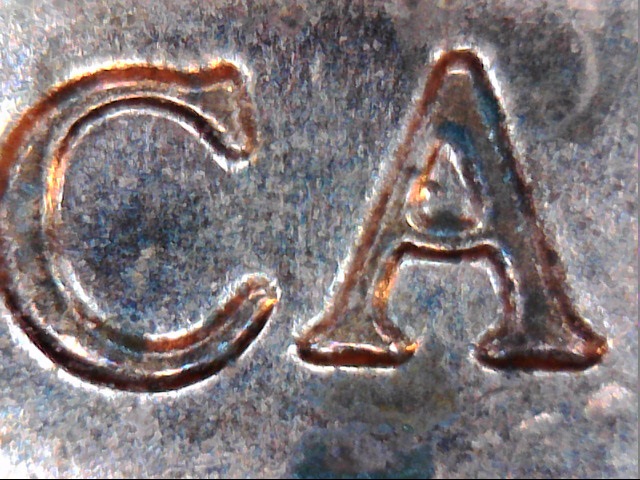
 You are looking too close. Each image should have from 3-5 devices per image. When you look too close nothing looks like something. What I'm seeing so far are normal sized devices. Look at the images on this page on the obverse devices: http://varietyvista.com/01e%20LC%20...5%20cent.htmNote the shape of these coins. The devices are distorted in shape when they are doubled. Your coin looks normal is shape. Hub doubling starts off with basics. If a die is hubbed with two different locations on the devices you will see a spread. The spread looks like a distortion on the current cents.  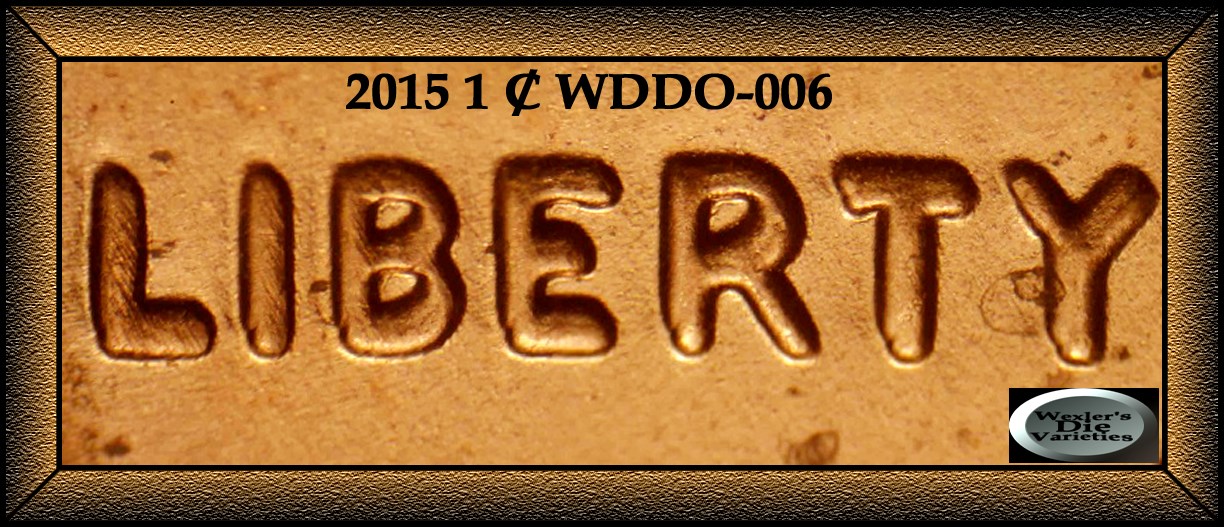 Note the shapes of these devices compared with a normal coin. That is what hub doubling will look like on the new cents. I'm not seeing that on the obverse images on your coin. I'm just seeing what they normally look like. I'm not trying to be the bad guy, just trying to help you get started with under standing what a doubled die is. Takes some time looking at these. And we will look again at what you have. But like I say 3+ devices for large devices (ONE CENT) and 5+ devices for smaller devices. (Everything else) We are here to help you, but the images only need to be so close. Too close gives us no reference point. Hop this helps. |
|
Pillar of the Community
7234 Posts |
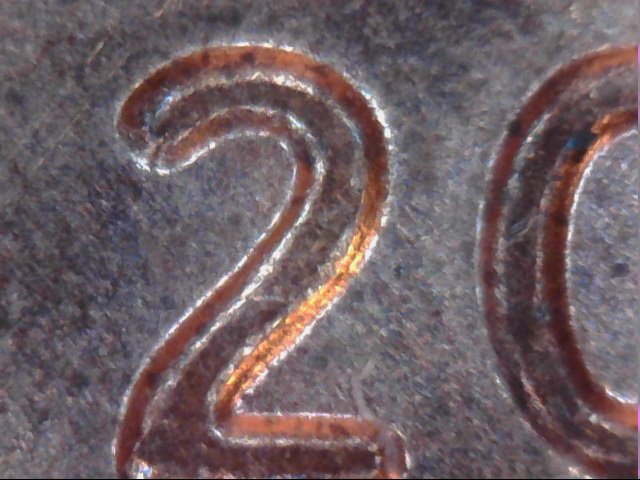
I don't know about doubling but your pictures show nice molecular structure in the fields.  |
|
Pillar of the Community
United States
4418 Posts |
It's neither DDO-003 or a new DDR. There's no extra thickness on your coin compared to a normal 2015 cent. Also, you're looking way too close! Like Coop said, 3-5 letters per image is best. |
|
Valued Member
United States
186 Posts |
I've got some questions. Why does it appear that there is a groove in the center of all the devices, like the middle of them is lower than the edges of them? Is it just the design or would it be something else? High bouncing MD? Also, it does look like there is notching on the UN on the reverse. Is that anything or does it have to do with the "valleys" in the letters?
|
|
Pillar of the Community
7234 Posts |
@Benji - coins under that much magnification show things that aren't even considered by a TPG. They look at coins at 10 Mag at the most just to prevent this from happening! Lots of Mag, have fun - Lots of mag, don't try to change the grading scale. |
|
Valued Member
United States
186 Posts |
I know it wouldn't be considered by TPGs and it isn't anything special, I've just seen it so much on modern cents and I don't know what it is so I'm curious.
|
|
Valued Member
 United States
262 Posts |
|
|
Pillar of the Community
United States
3644 Posts |
Happens a lot on copper plated zinc was real bad in early/mid 80's.the centers of devices corrode away first and have that sunken look often mistaken for doubling
Edited by Slamnbass
02/27/2018 01:26 am
|
|
Bedrock of the Community
United States
62064 Posts |
Why does it appear that there is a groove in the center of all the devices, like the middle of them is lower than the edges of them? Is it just the design or would it be something else? High bouncing MD?Coin contact can rub on the highest points of the devices. Sometimes it presses into the device especially on zinc cents.Also, it does look like there is notching on the UN on the reverse. Is that anything or does it have to do with the "valleys" in the letters?When you look too closely it will show the metal die breakdowns too easily. Even coin contact can leave mark on a coin. if hit in the right spot.On notching, there should also be show a spread. The spread is showing the difference between the hub misalignment during the die creation. 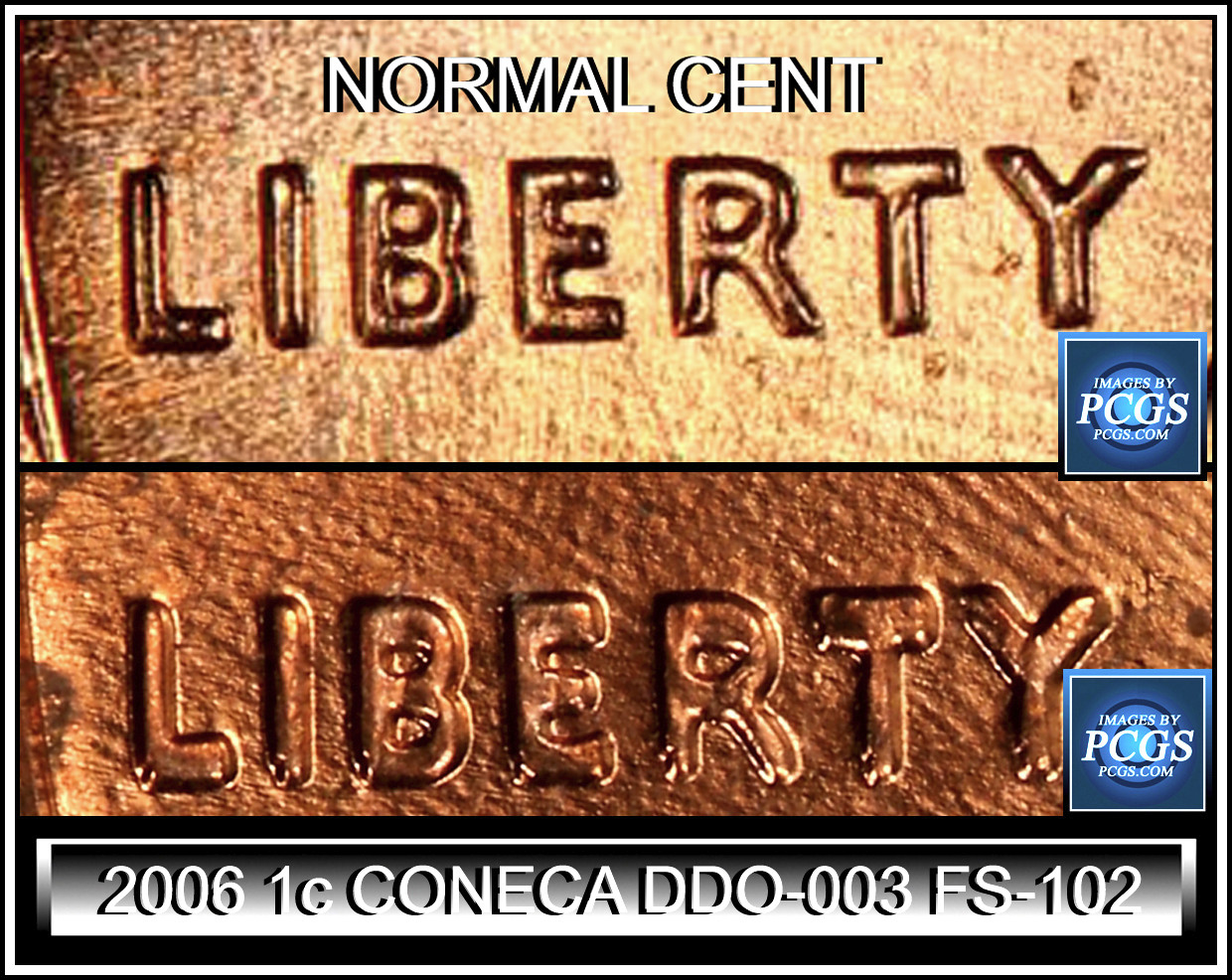 Note notching on lower left of the lower image. Note also the spread I'm speaking of. How it distorts the devices. (the image above is a normal coin) On normal coins you will not see a spread. But on doubled dies, you will see a spread. So if one notch is seen on a device, it might just coin coin damage on that one area. If it happens all across an area in the same area, then it may be a doubled die:  On this year there were two proof coins that had similar doubling, but looking at them side by side you can see slight differences of different hub doubling on the dies.  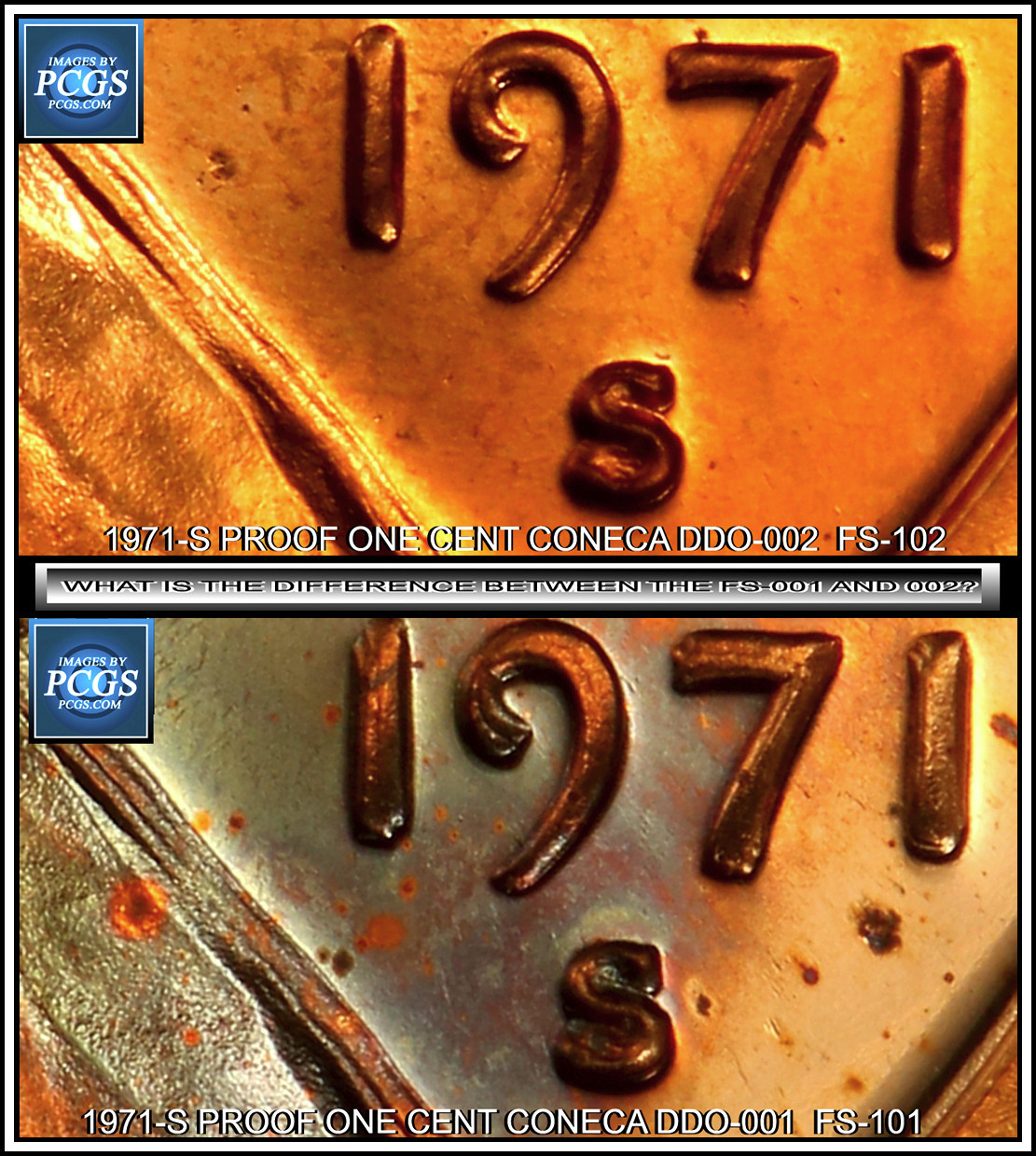  So if a doubled die is very strong, you can see it by the spread of the devices. How it affects them. Hope this helps a bit.
|
|
Valued Member
United States
186 Posts |
Thanks for the helpful information Slamnbass and coop. I've seen some "notching" and the sunken centers of the devices a lot lately and I'd been wondering what it was for a while.
|
|
Valued Member
United States
262 Posts |
Thanks a lot. Great information. Great pics.
|
| |
Replies: 11 / Views: 1,243 |
|









 Posted 02/26/2018 5:54 pm





