| Author |
 Replies: 13 / Views: 7,097 Replies: 13 / Views: 7,097 |
|
|
Pillar of the Community
586 Posts |
|
|
|
|
Bedrock of the Community
United States
79187 Posts |
Machine Doubling. Please take a look at this thread that Coop made. It will help you a ton. http://goccf.com/t/294649Here's what Coop said. Quote:On the ATB Quarters the reverse outer devices on the ring are incuse. (sunk into the coin) The die have raised devices that strike these into the coin. When the slightest machine movement happens it alters the devices. Sometimes making them larger that normal. Some think these are doubled dies. But they are just machine movement that causes these. So I've been wondering how often out of 100 random coins will we find this MD on this area? Here are my figures: 28% normal struck 72% MD (Letters larger on one end or the other) 58% of the MD has the devices outside of the normal design area. Here is what the ones that are outside of the normal area look like. They can be above or to the either side to qualify as this. One device or several. So a very large percentage of these quarters are affected. If you would like to save 100 of the ATB Quarters in your area, you could help add more information for this thread. Just 100 random ATB Quarters (not in OBW rolls) and see how many normal ones you find out of 100. How many are MD? I will be looking for your results. I was surprised that 72 percent were affected by MD. Errers and Varietys.
|
|
Pillar of the Community
 586 Posts |
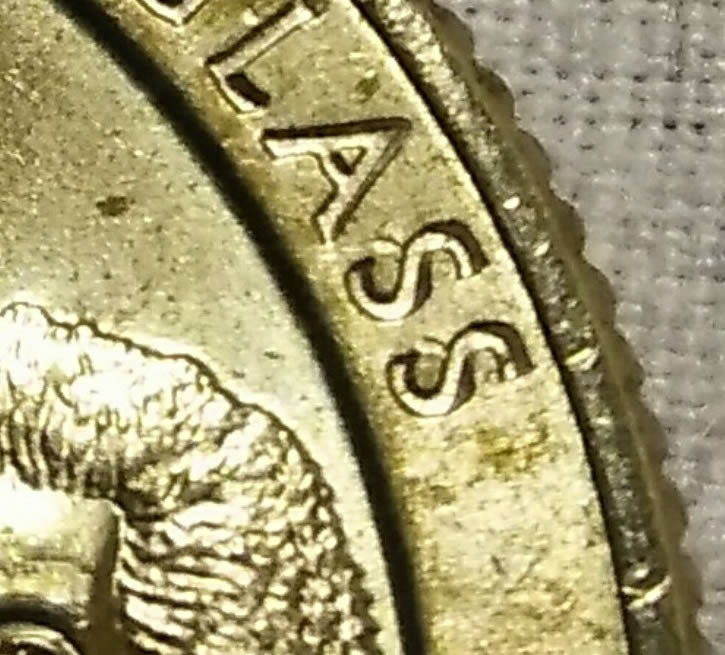
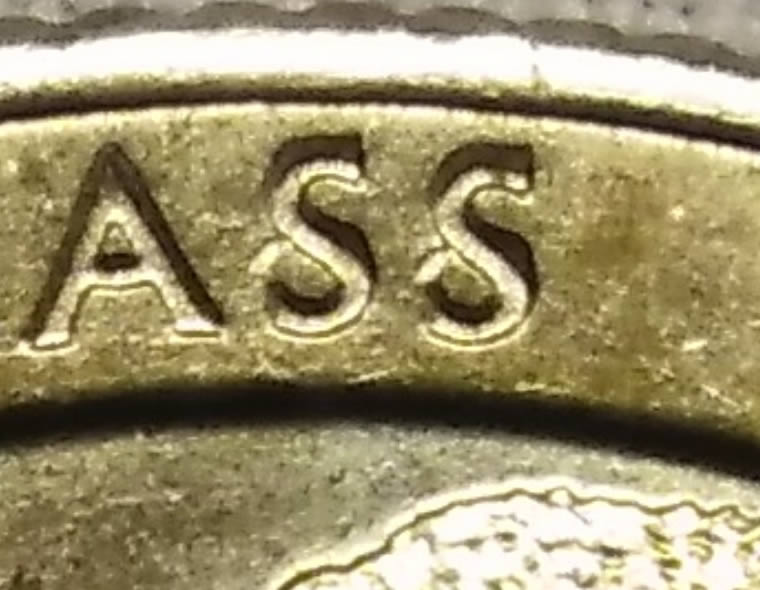
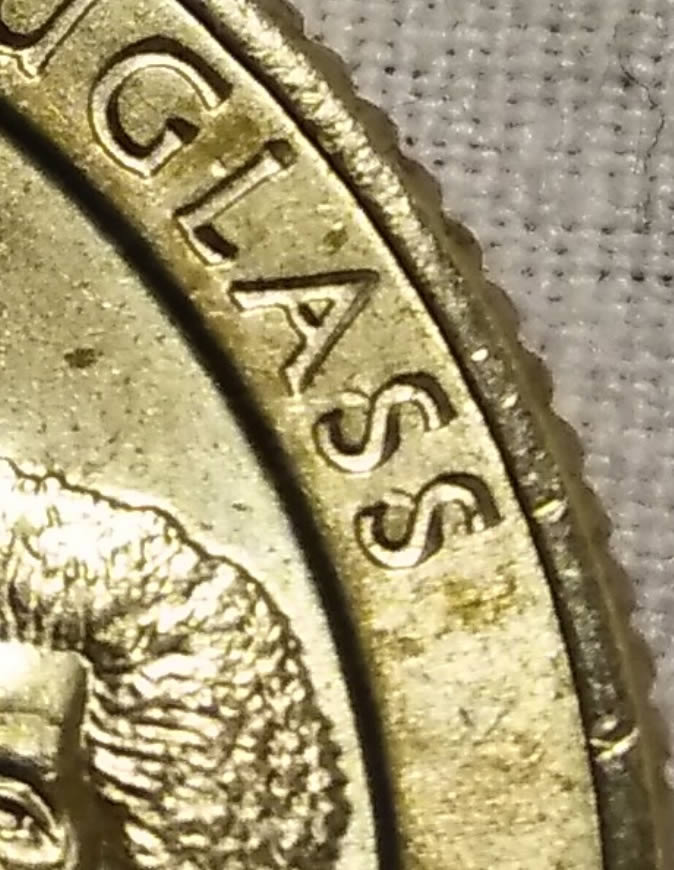
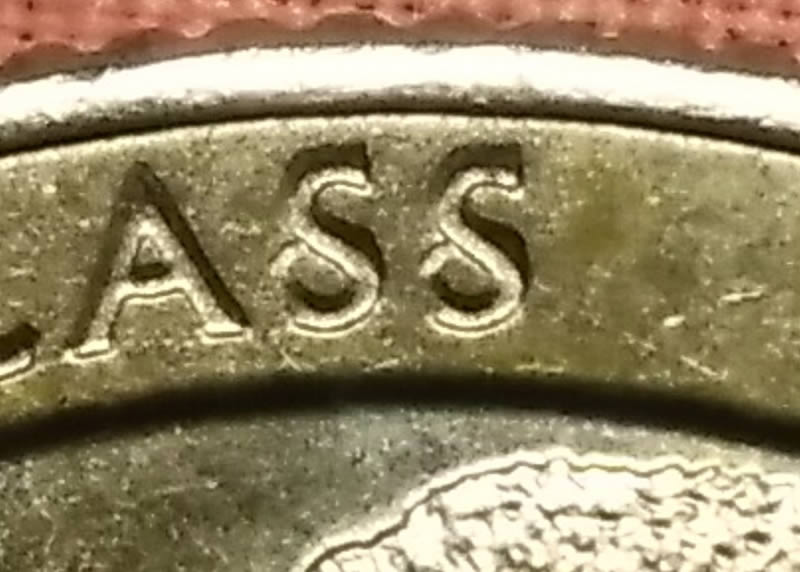
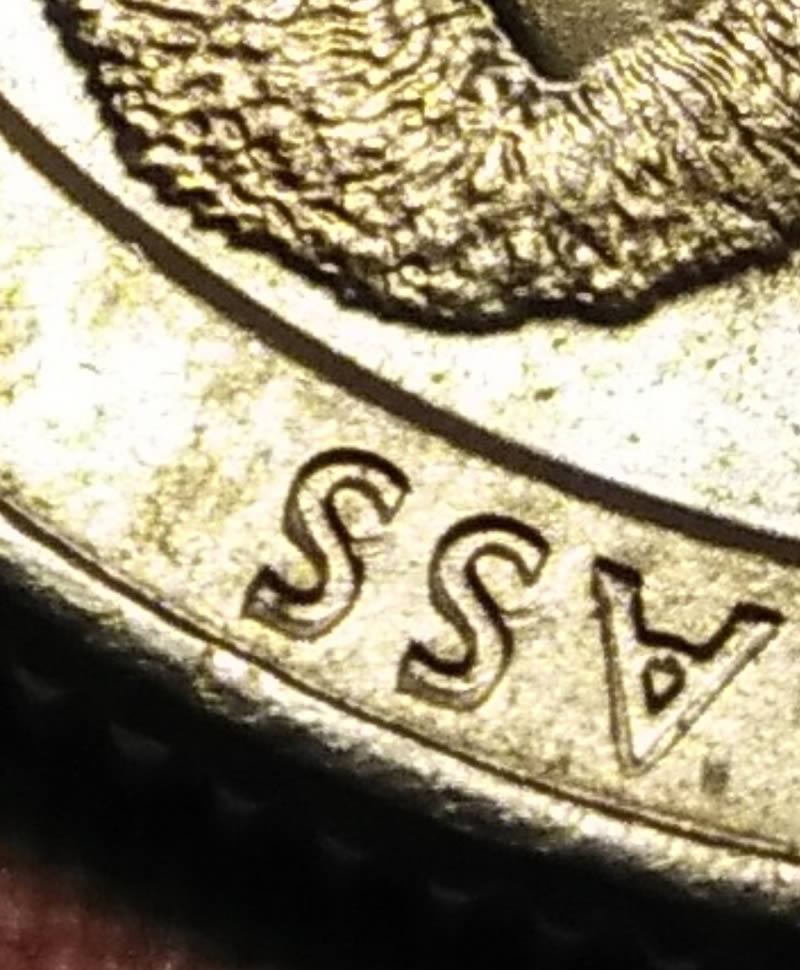
I know the coin has MD. Like he's said virtually all of the new quarters have some measure of MD. As a matter of fact it seems like the ones without MD are way more rare to the point that I've only come across a very few that have almost no MD and I think maybe only one or two out of 100 that have virtually none so I totally agree with his figures. The pictures you sent the link to show those kinds of examples which this coin obviously has but I was referring to the last two S's and the smaller, what look like reverse S's sticking out from the left of the lower part of the bigger S's. I didn't see an example of that in those pictures. I understand how MD happens and that doesn't explain how this occurred or else they would be in the same direction shadowing the larger letters. Unless I'm just missing something
|
|
Pillar of the Community
United States
4424 Posts |
|
|
Pillar of the Community
United States
8715 Posts |
|
|
Valued Member
Canada
496 Posts |
I can't see how MD resulted in those protrusion on the two Ss.It seems to also have one on the L.If they resembled part of the affected letters then sure but that doesn't seem as a likely cause with these.
|
|
Pillar of the Community
586 Posts |
Just to be clear, we are talking about these areas correct? 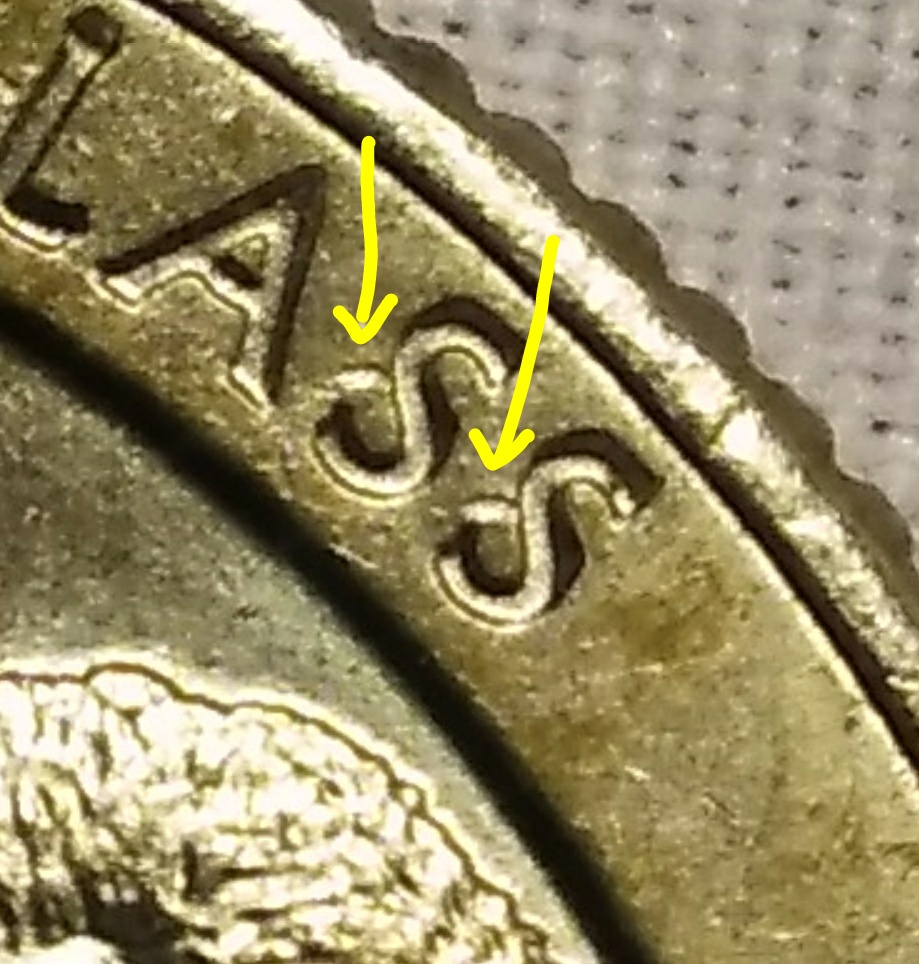 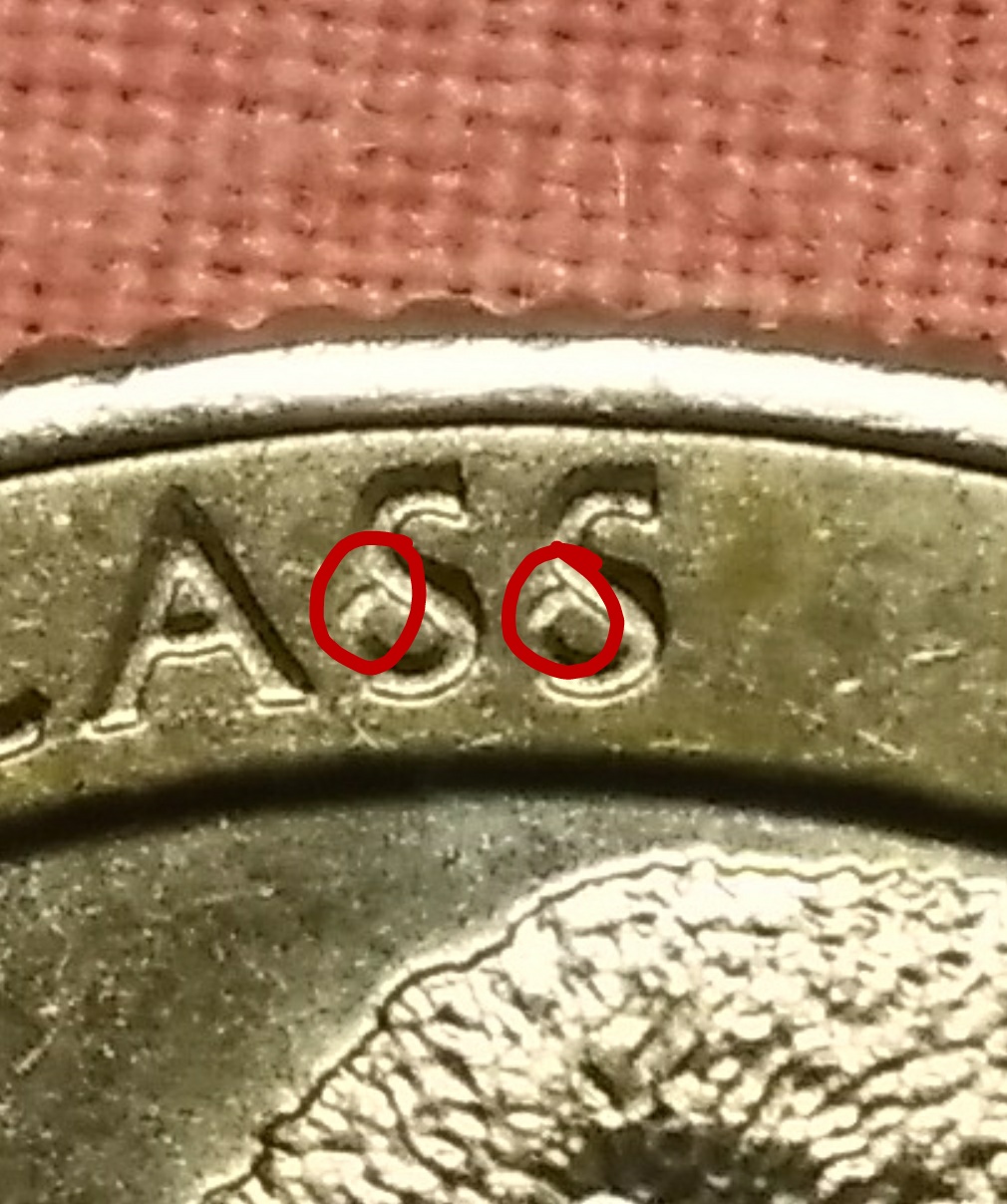 And if so is there a reason why all the other examples of MD give the appearance of doubling and on the incused makes them appear thicker and on these they are the opposite shape of the letter? Trying to learn all I can. |
|
Pillar of the Community
586 Posts |
Thank you dennman. I'm new to this so I don't have room to really question the more experienced but the examples everyone keeps giving me of MD which I'm very familiar with after thinking I found a million doubled dies early on in this journey, don't show any examples that remotely resemble this. I've looked through a ton of the new quarters and like I said earlier they almost all have MD but they all five the appearance of a thicker letter. These protrude out perpendicular to the letters almost as if the were put on top if smaller letters that we're reversed. ( Just using that as an example)
|
|
Pillar of the Community
United States
900 Posts |
I've never seen MD like this before. MD is usually the correct answer to the question "Does my coin have a double (sic) die?" But I don't see how a loose die would have created these marks. It looks more like a die gouge.
|
|
Bedrock of the Community
United States
62064 Posts |
The are also incuse marks, but not from a die, but from coin damage from contact with other coins.
|
|
Pillar of the Community
586 Posts |
The mark that looks the same on the L is in fact a gouge. I looked back at it again cause I thought maybe I missed that somehow but it just happens to look similar. The two marks on the S's however are not gouges. It would be easier to explain away to me or PMD if it was doubled in the same exact spot on each S. I would love to find out what could have caused this. |
|
New Member
United States
4 Posts |
I don't suppose it could be brush marks.?trails? So you think it's marks that happened after strike? I'm in refresh mode after a certain age it seems to much info to process then retain. I'm constantly in 1 of my 5 maybe 6 coin books..
|
|
Pillar of the Community
United States
1667 Posts |
Not sure what you think it might be besides "the tips of two smaller reverse S's sticking out". Are you thinking double die or double strike maybe? MD? contact marks? Or someone at the mint carefully placing 2 small reverse s tips under the double S's on the die? Is there anything elsewhere on the reverse that might suggest it was double struck or something, maybe by a capped die struck it first then they restruck it a 2nd time to try and wipe it out?
The lettering is incused, but the shadowing makes them look raised. What you are seeing could easily be minor scratches or lower points reflecting light differently. The lighting could be causing a trick of light, like how the letters look raised to me although I know they aren't.
I do know that 100x magnification makes everything seem to be bigger than it actually is, if you blow up a pen dot big enough you could probable see the shape of an animal or a letter out of it also. One overall picture of the reverse of the coin may help, but may not, the extreme close up helps to point out what your seeing, but joke aside, it blows it out of proportion.
|
|
Pillar of the Community
United States
4424 Posts |
These are fairly common on the ATB Quarters. I was always under the impression that it was caused by the coin making accidental contact with the die a second time after being struck, probably during ejection from the striking chamber. So maybe ejection doubling is a more precise way to describe this than Machine Doubling. |
| |
Replies: 13 / Views: 7,097 |
|











 Posted 03/08/2018 1:19 pm


