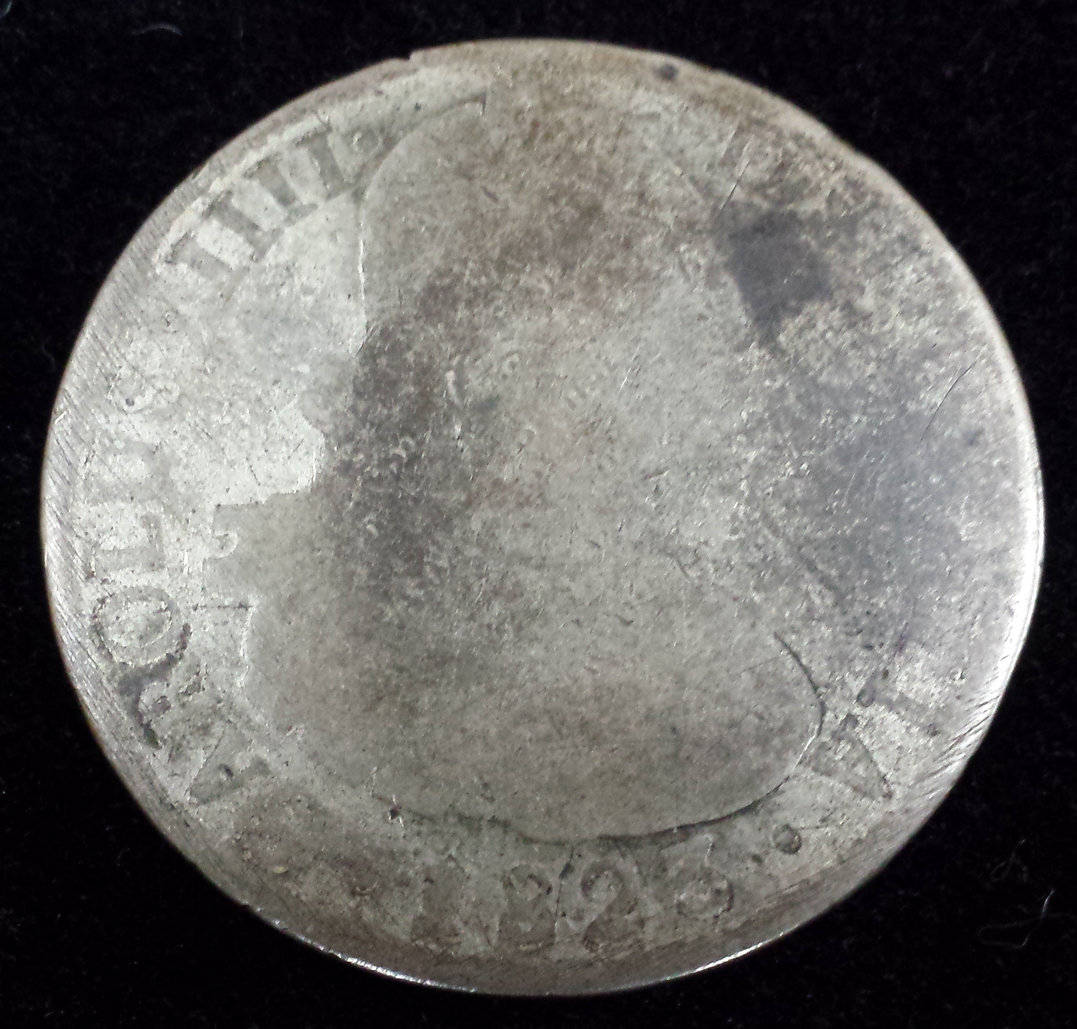
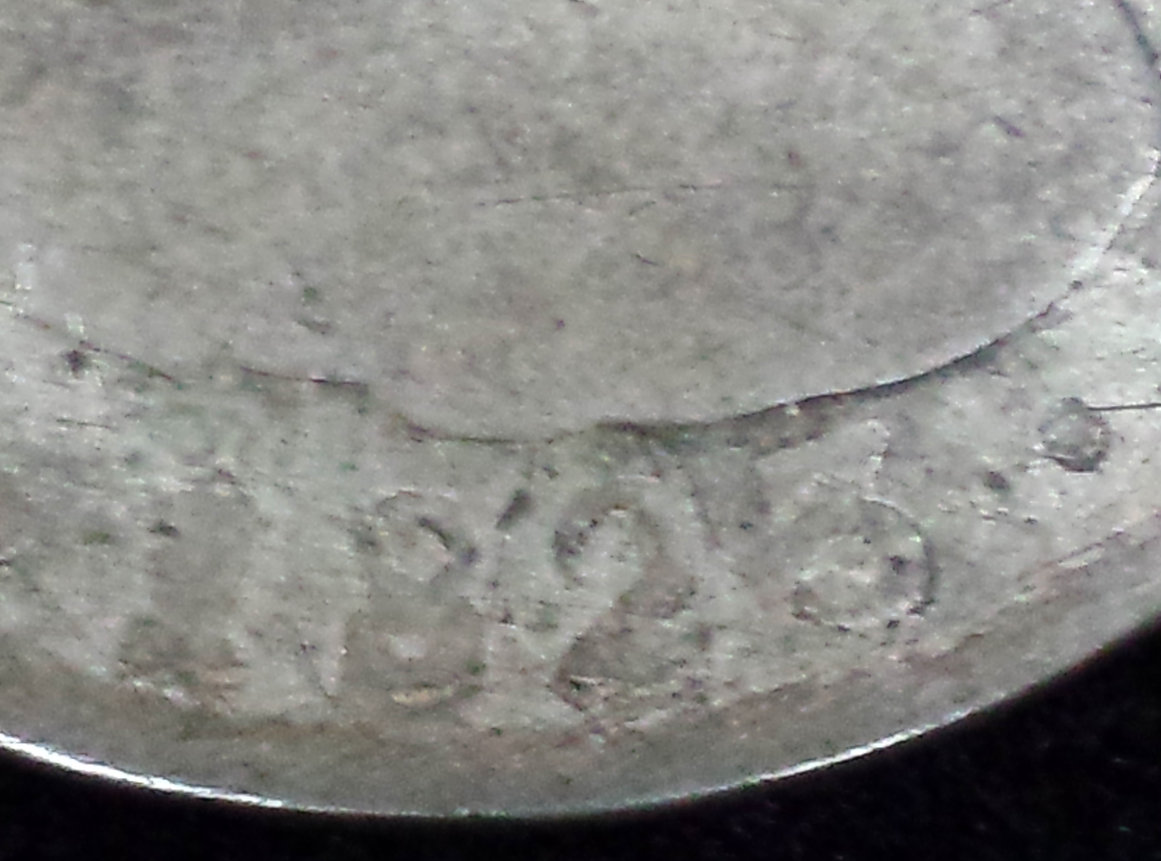
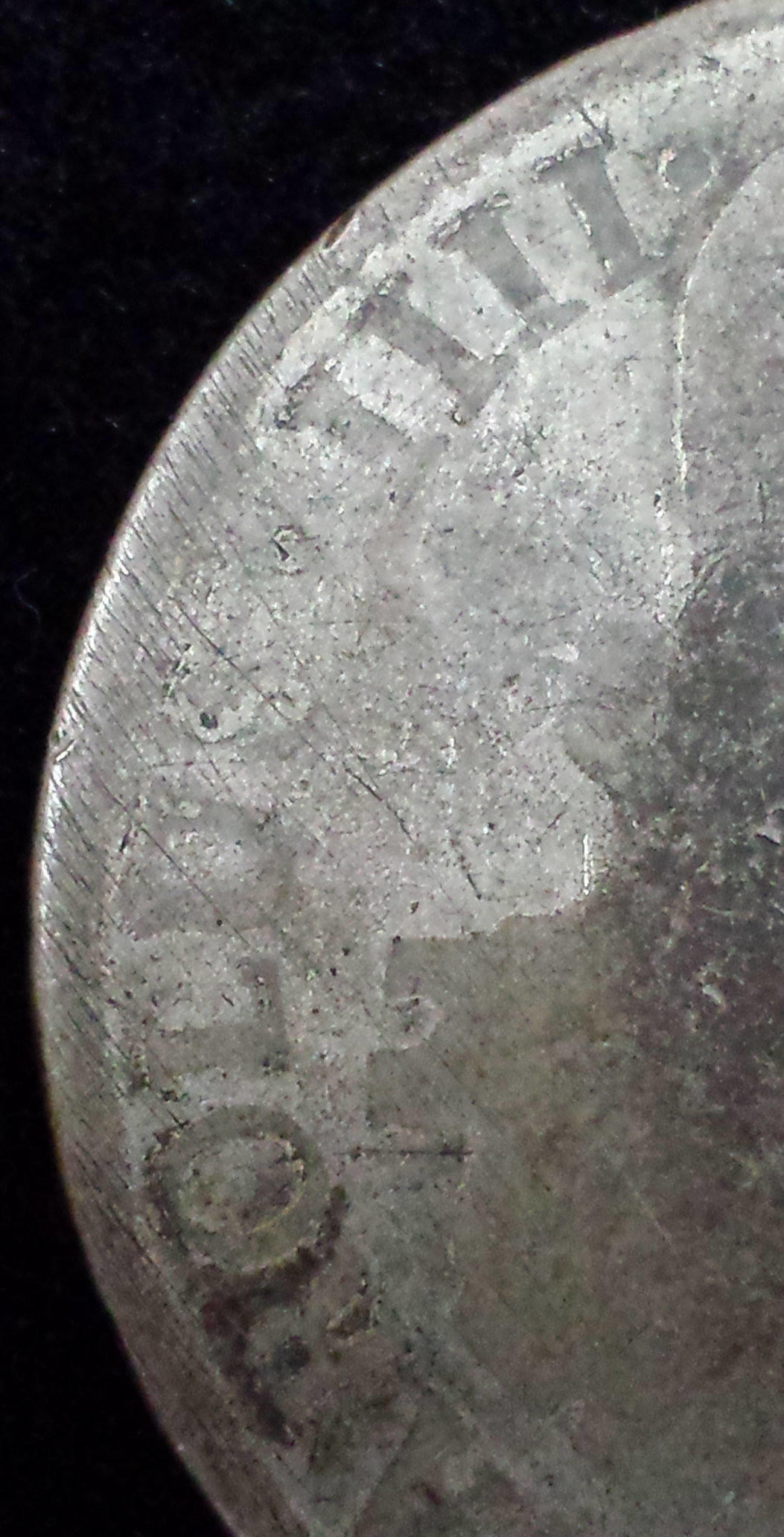
coloneljohn One thing that the publication of the book did was to bring to light quite a few new late date Carolus IIII coins. I have been able to add about 6 dates and new varieties to what was known at the time the book was printed.
For the most part these are coins made using transfer technologies that were not available until mid century. The largest number of new dates and varieties are from the 1870s. The 1850s and 1860s are entirely missing in the late date series.
I believe this date gap is logical.
Most forgers tend to make coins commonly seen in circulation. They do not copy seldom seen varieties because that would attract attention. They also rarely copy brand new issues because their fake coins never achieve mint luster like the genuine mint products. This means that the typical forger makes coins that have worn in circulation to lower grades VF or so. For dollar sized coins (per
Royal Mint studies) this means a typical coin made by a forger in 1850 would be dated no later than 1845 or so. If you check Riddell's book (printed 1845) you will find that the last common date is 1842. The coins dated later are far scarcer. Riddell did his work on the book from 1839 to 1844. So that alone indicates that he did not find new shiny fakes in circulation.
In the mind of the typical counterfeiter, there is a completely accepted belief that it is easier to pass a worn but familiar coin because it attracts little attention. Couple the foregoing with the fact that stable economy is a disincentive to forgery, and I believe the economic troubles of the mid 1870s was the triggering incident for a new expanded wave of forgery.
Above all else, counterfeiters need to make a profit margin to pay for their time and risk. The high price of Carolus dollars in China provided one such impetus. The prices were very high up to about 1850. However, during the 1850s and 1860s China intentionally slowed down the import of silver coin because the demand was not there. The Carolus dollars still circulating in China carried a premium over silver value of 25-35% but few were imported at that time.
England had extricated itself from the business of making full weight counterfeit silver Carolus dollars by about 1850. The deficit that England had faced in China in the 1830s and 1840s was eliminated by importing Opium to China (and starting two Wars with the Chinese to do so).
The US was in a different boat. It had no silver stocks to pay to China before it took the Rocky Mountains from Mexico in the mid 1850s. That war was a thinly veiled land grab by the US. The US Civil War in the 1860s delayed exploiting the new silver reserves for a few years. The discovery and development of the Comstock Lode in the late 1860s and early 1870s provided the raw materials (silver) for the Carolus dollars to be produced in the US. In 1869 an effort by the US Congress to make Carolus dollars legally in San Francisco failed because the Mexicans demanded a 15% share as a tariff.
The private manufacture of Carolus dollars in the US was undertaken in the late 1870s and 1880s. I firmly believe that this was the source of the late dated Carolus coins. Note that these late dated Carolus coins are always from the Mexico City mint (Mo). Why? The Chinese only paid a premium for Mexico City dollars. There was no point in making Lima or Potosi mint counterfeits. So in practice you do not find (any/many).
The largest recorded build up of silver reserves in China happened in the early 1890s in the period before the War with Japan (1894-96). It continued at least through the Boxer rebellion just after 1900. Imports of silver climbed rapidly at this time and the value of the Carolus dollar increased as well.
Once you put all the facts together, it is clear, at least to me, that the reason so many late dated Carolus dollars from the Mexico City mint exist was because they were made at the points of peak Chinese demand for silver to reap the highest value for silver paid anywhere in the world. These coins were dated 10 or more years BEFORE they were actually made and were produced to show minor wear (enough to eliminate mint luster without lowering the coin's weight more than a fraction of a gram.
I believe we will continue to expand the number of late dated Carolus coins. Remember that the greatest number of surviving counterfeits are the ones that either never got noticed or those with very low silver values. Counterfeits containing a high percentage (over 50%) of the original silver content are RARE. I believe these were melted not saved in collections. Copper counterfeits with very thin silver coatings were kept or disposed of in dumps because they were too expensive to reclaim. This means that most English silver counterfeits made before 1850 were destroyed. They were melted into Saycee ingots when worn, or they were melted when their counterfeit nature was discovered. Why? Because before 1850 the techniques for image transfer to steel dies was virtually non existent.
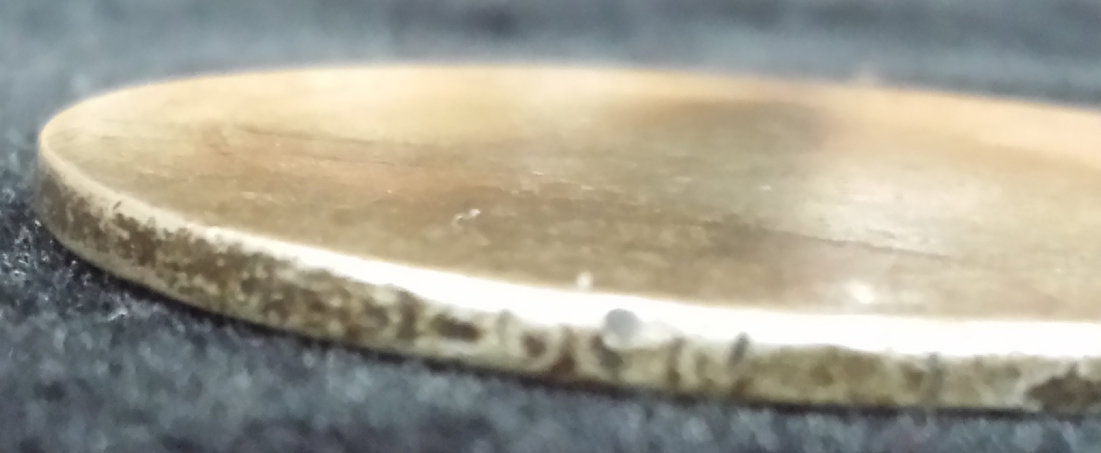
What have survived in extremely large numbers are the silver counterfeits made in the US with Comstock Lode silver. Since the US government viewed this counterfeiting operation as necessary, it is easy to believe that they assisted the makers logistically. These copies are FAR better quality and use the correct designs. Their failures are technological (die fields and edges) and elemental (trace contaminants). The counterfeiters did not know how to properly edge an 8R. Comstock silver was too pure. The gold had been extracted using technology developed about 1880. So today we can test for gold with XRF. Low gold levels - under 200 PPM are not Mexican and could not have been made before 1850. Also edges that are made wrong are also counterfeit.
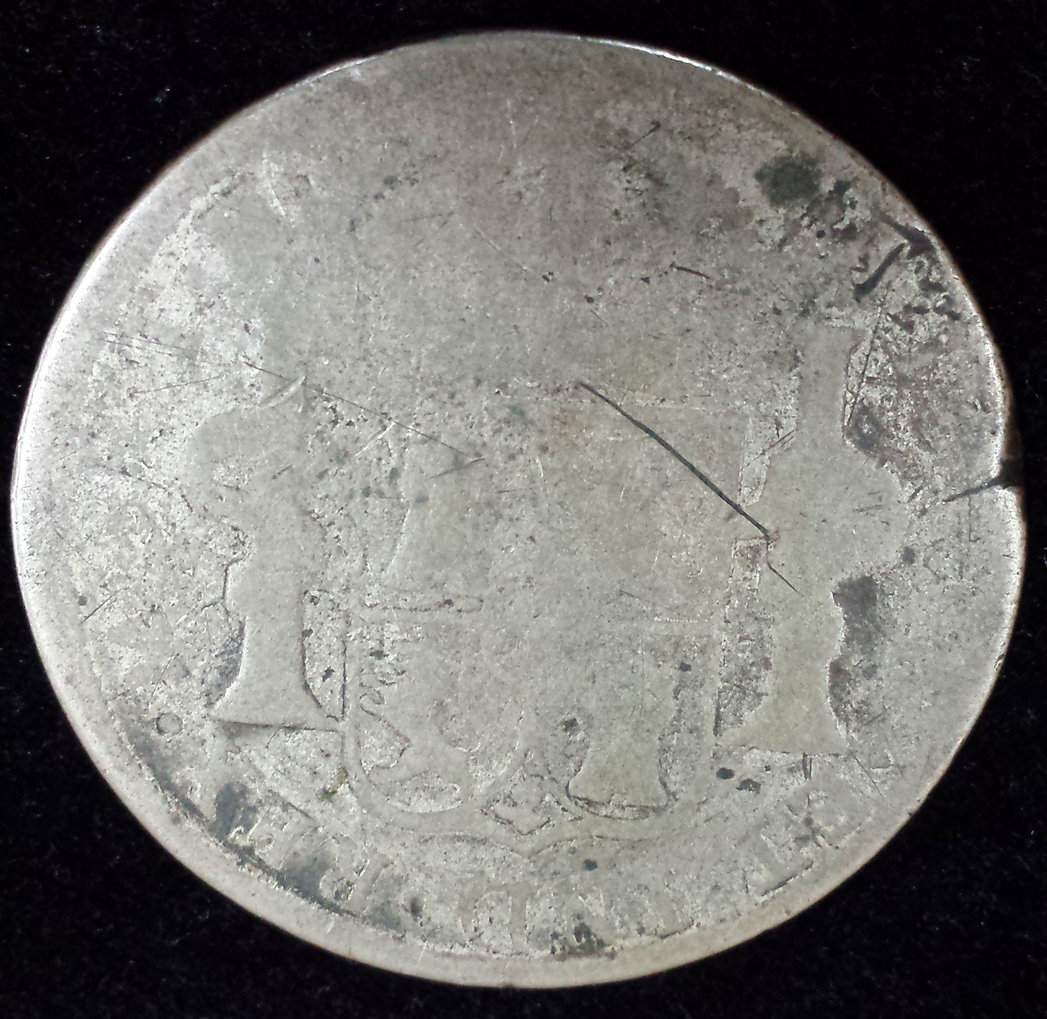
John may be right that you could get over $100 for your coin. However, I think you need a better market than the one we have now to sell such a low grade coin for that much.











 Posted 03/13/2018 12:39 am


 Gerguem!


