| Author |
 Replies: 10 / Views: 1,578 Replies: 10 / Views: 1,578 |
|
|
Pillar of the Community
United States
3479 Posts |
Another phrase I hear often on this forum. Yet no one has properly defined it.
What does it really mean? I suspect I know what others think it means but no one has ever(that I know of)explained it backed up with pictures. Does it imply that if I clean a toned coin it will reveal all this magical luster that was hindered by tarnish?
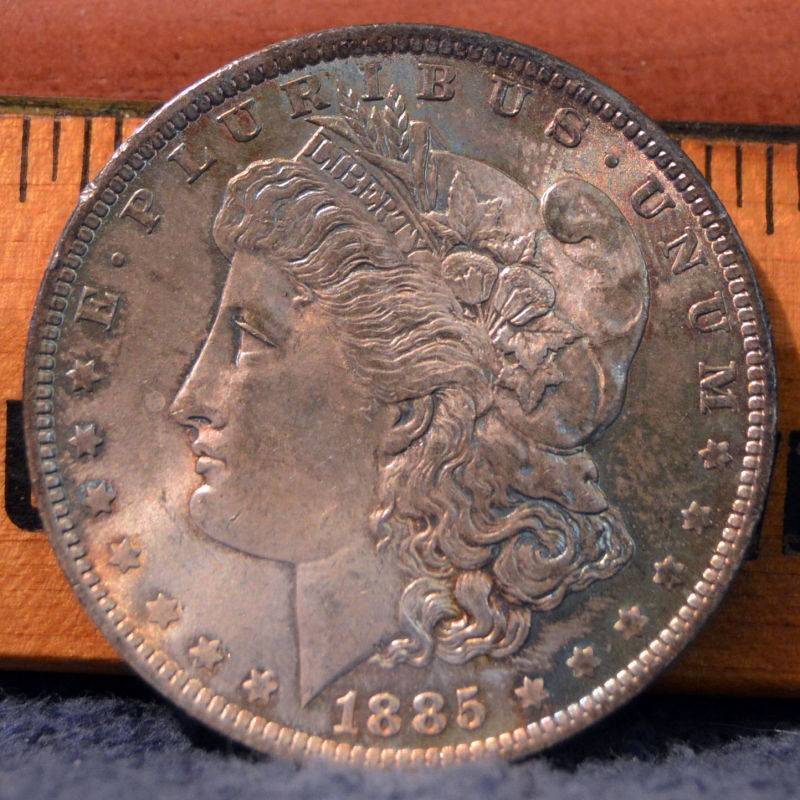
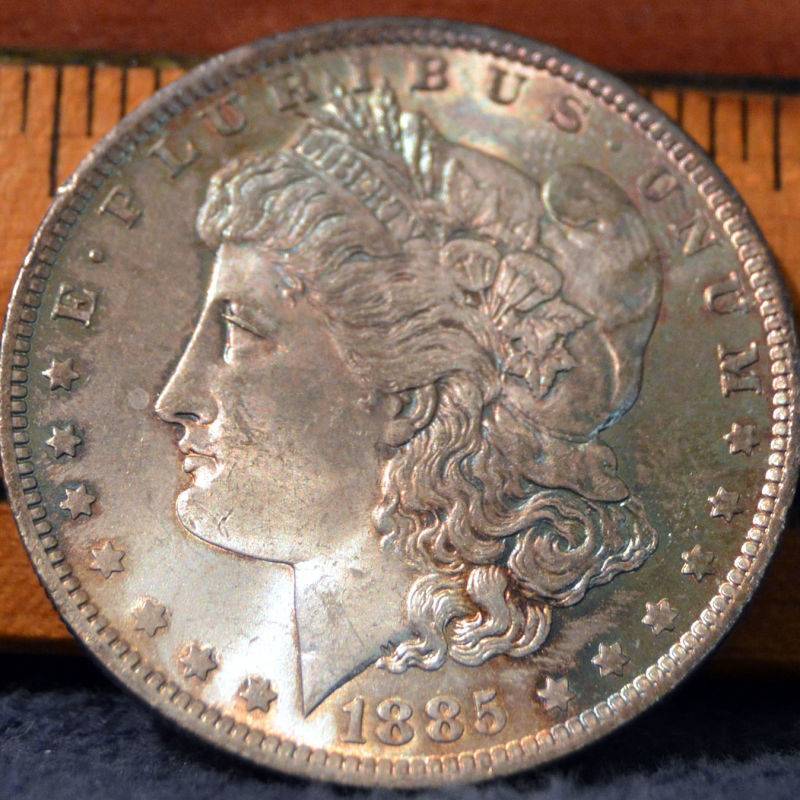
So post pictures of coins with luster under the toning or please clarify what the phrase means.
|
|
|
|
Bedrock of the Community
Australia
21792 Posts |
The most common term that public auction describers use is
"luster underlying the toning".
With full patination, luster tends disappear, although it still may be present on a high MS coin.
For this reason, I prefer 'just as struck blast white looking', a condition almost impossible to attain on a high MS silver coin, that may be 200 years since it was struck.
|
|
Pillar of the Community
 United States
5720 Posts |
I suspect you don't see pictures of luster under the toning because it implies that you can't see the luster well in the photos. I've tried to photograph a heavily toned, highly lustrous coin, and it's very hard to show the luster that you can easily see in hand.
|
|
Pillar of the Community
United States
5720 Posts |
Here's a photo of a Franklin I pulled off Heritage that probably has decent luster under the obverse toning. 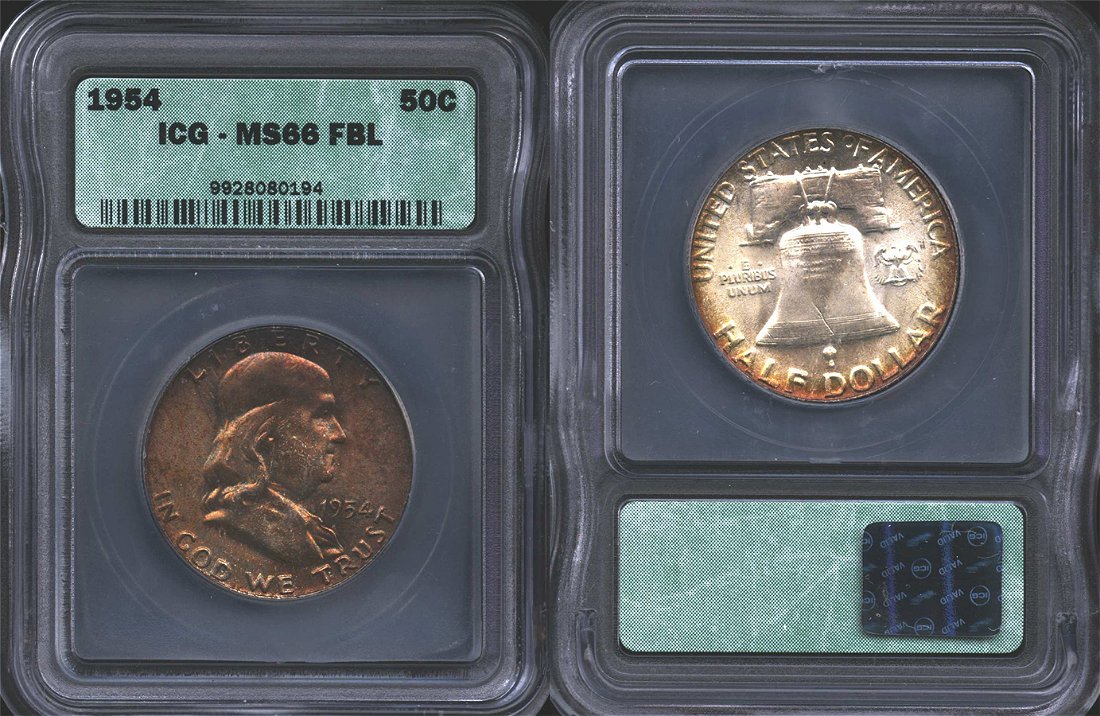 |
|
Rest in Peace
United States
18456 Posts |
I believe it can be hard to tell from photos of a coin that has luster and deep tone over it . This will happen to an MS silver coin that was kept in a tarnish inhibiting environment . Most often it's best to keep it that way ,unless you prefer the blast white look . Then just dip it in a silver dip for a couple of seconds .  |
|
Rest in Peace
United States
17900 Posts |
The old and nearly lost expression "cartwheel" most commonly used for Morgan dollars, is a good place to start. It is virtually impossible to photograph, unless you take many photos of the coin as it is rotated and tilted under the light. If the "bright area" moves around the coin without pause, even beneath toning, then it may be considered to have cartwheel luster. Luster is the result of the metal being pushed towards the periphery during striking and the striations that occur reflect light very well. Those striations are so small that when a coin is "dipped" it takes a small amount of the metal off of the coin, which decreased the luster. Luster is NOT decreased by toning. However, depending on the type of toning - that underlying luster may be difficult to ascertain. In other instances, if the toning is very even with few spots and splotches you might have that luster colored by the toning and the appearance of the luster is not shadowed, simply re-colored. |
|
Moderator
 United States
23522 Posts |
His Honor Potter Stewart, Justice of the Supreme Court of the United States, put it as well as it can be said when he rendered his concurrent opinion in Jascobellis vs. Ohio, to whit: Quote:
I shall not today attempt further to define the kinds of material I understand to be embraced within that shorthand description; and perhaps I could never succeed in intelligibly doing so. But I know it when I see it. |
|
Bedrock of the Community
United States
12057 Posts |
Member ANA - EAC - TNA - SSDC - CCT #890 "Most of the things worth doing in the world had been declared impossible before they were done." -- Louis D. Brandeis |
|
Pillar of the Community
United States
634 Posts |
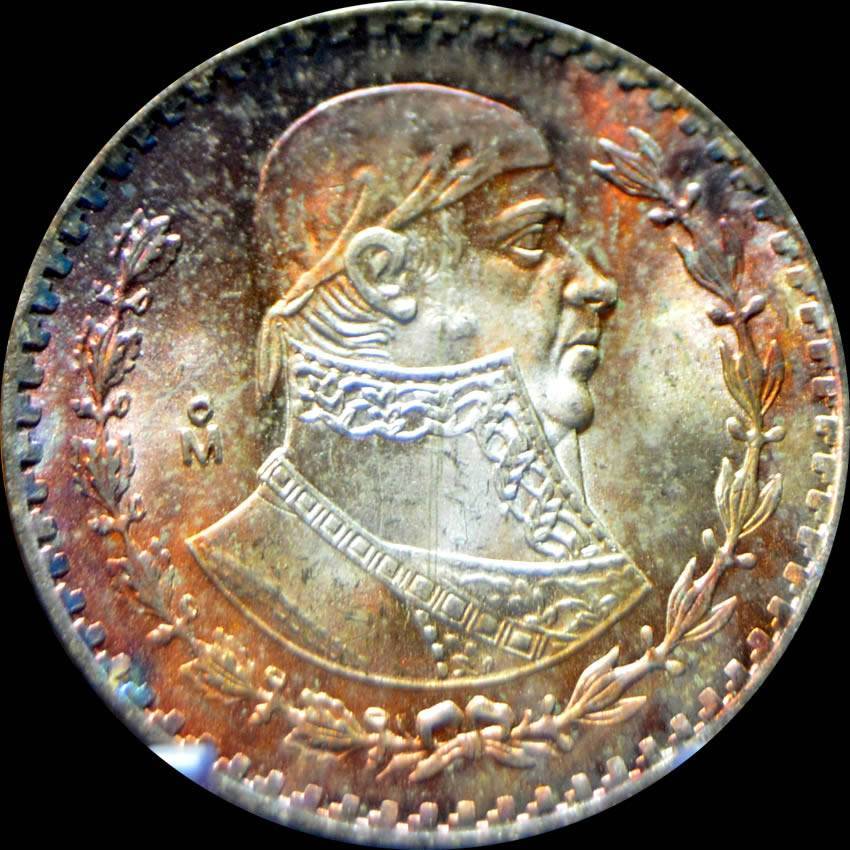
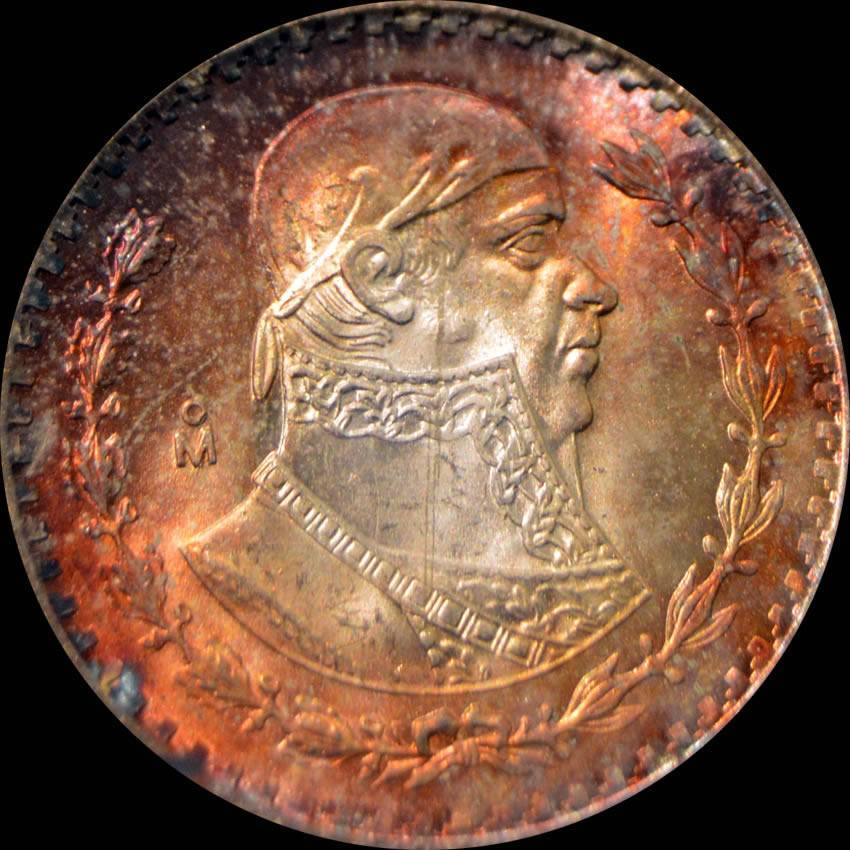
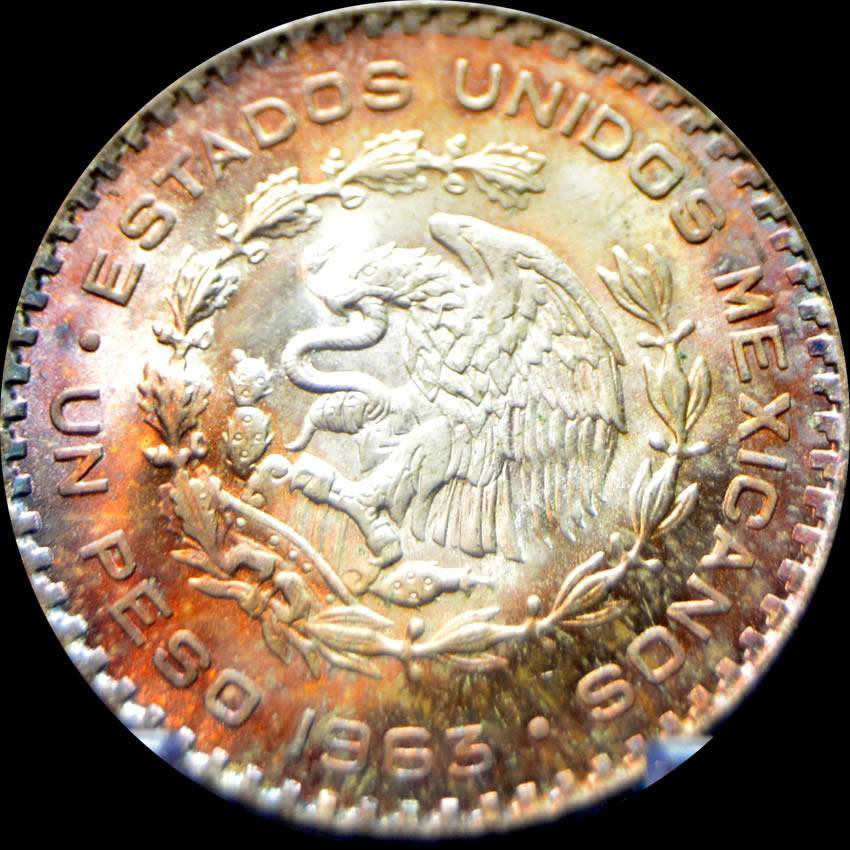
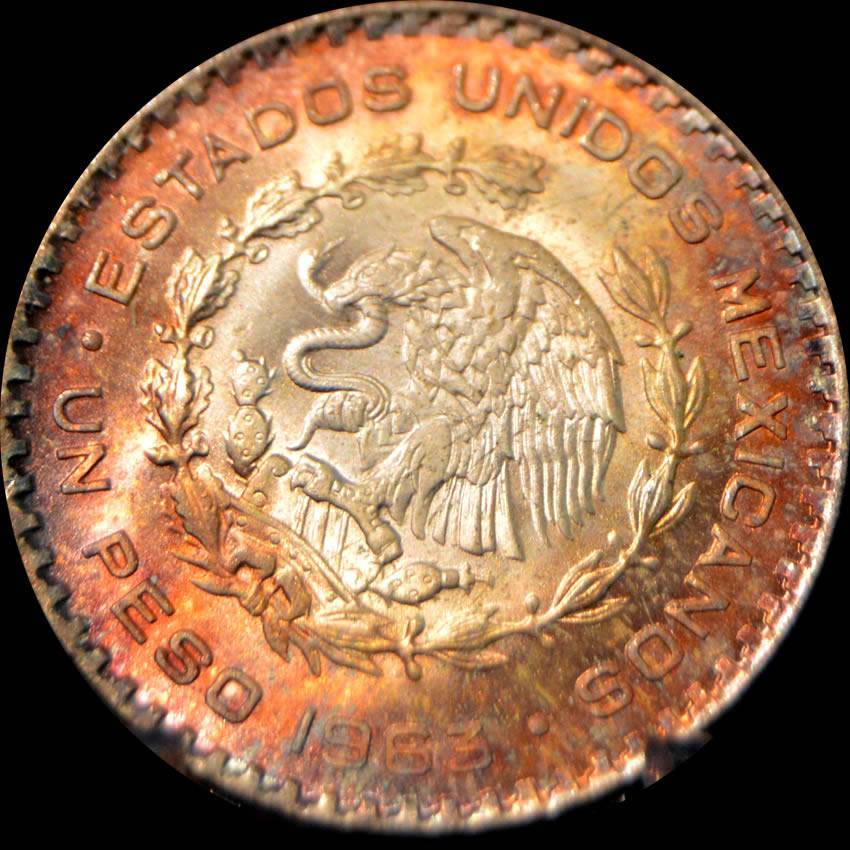
Beautiful peso, paralyse. That is a great example.
|
|
Pillar of the Community
Canada
1267 Posts |
Not my coin (this one sold in the neighborhood of $25k), but a great example of underlying luster. The more luster present under the toning, the more the colors pop. On this particular piece, the colors explode. 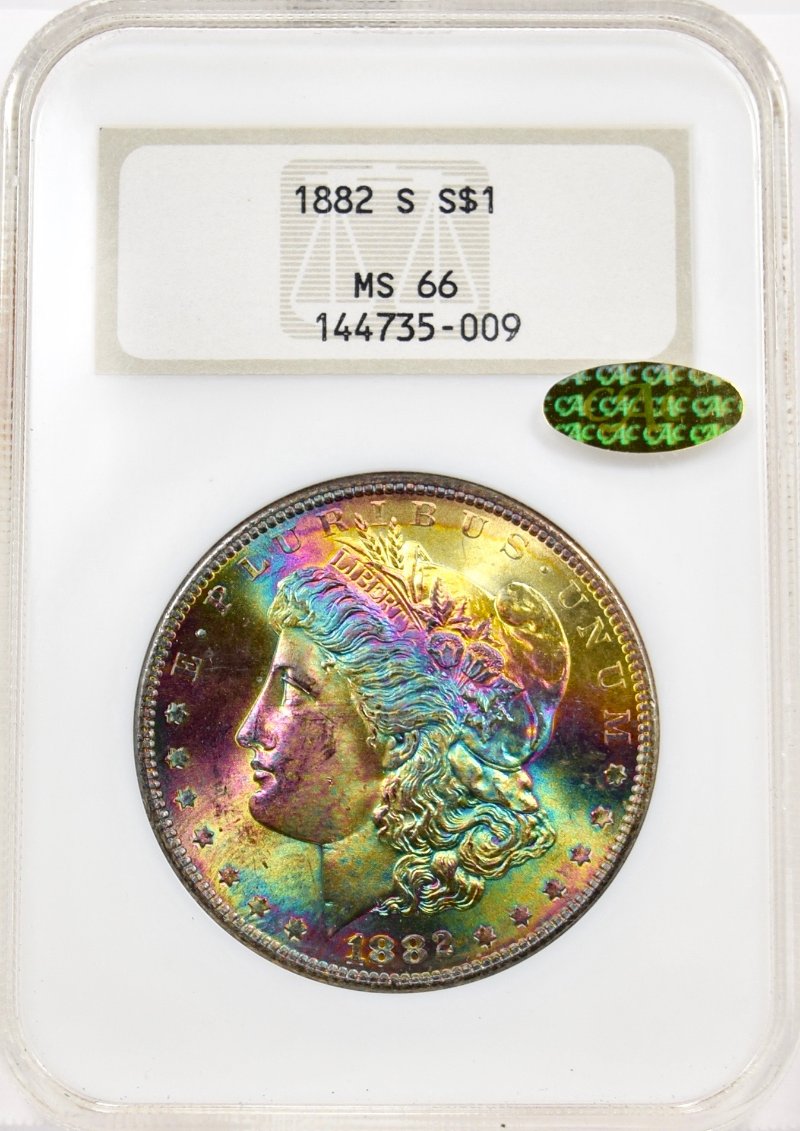 |
|
Pillar of the Community
United States
5720 Posts |
That's a great piece, but I don't think the toning is hiding the luster in that one!
|
| |
Replies: 10 / Views: 1,578 |
|










 Posted 03/30/2018 07:37 am