Out of 100 random quarters there were 70 out of 100 with some MD. 70%. True not all of them were strong MD, but none (0%) were a doubled die. The doubled dies are found in more of a central location. Here is a link to a thread about MD and the incuse devices on the
ATB Quarters.
http://goccf.com/t/313322&SearchTerms=coophome,ATBTake a look at it. It show where to look for doubled dies on the single squeeze dies. None are on the incuse devices area in the ring on the outside edge of the reverse on the
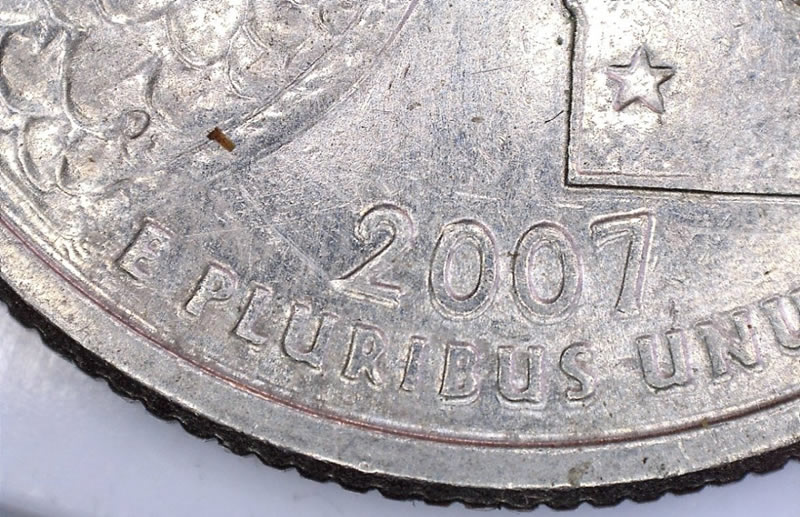
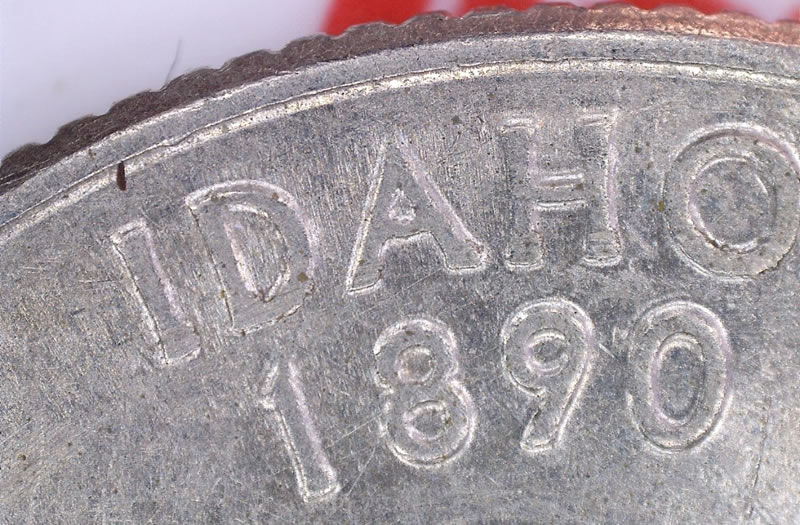
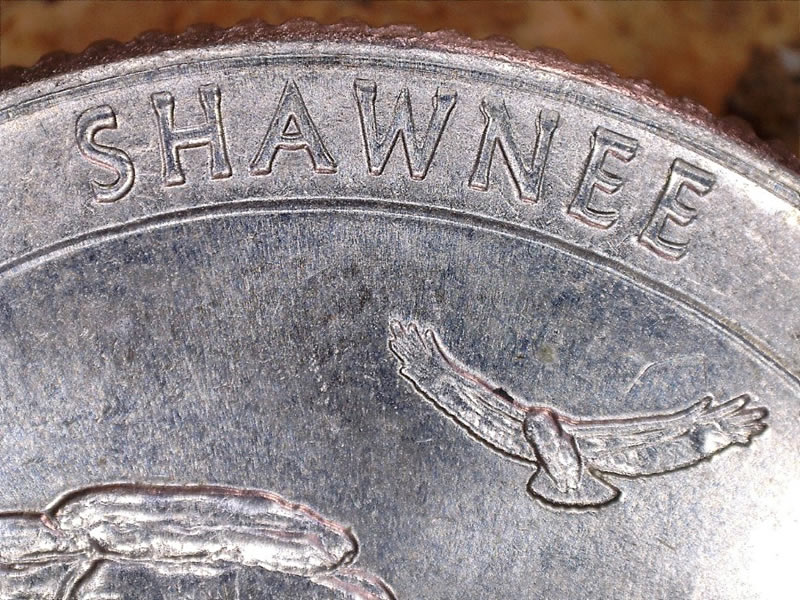
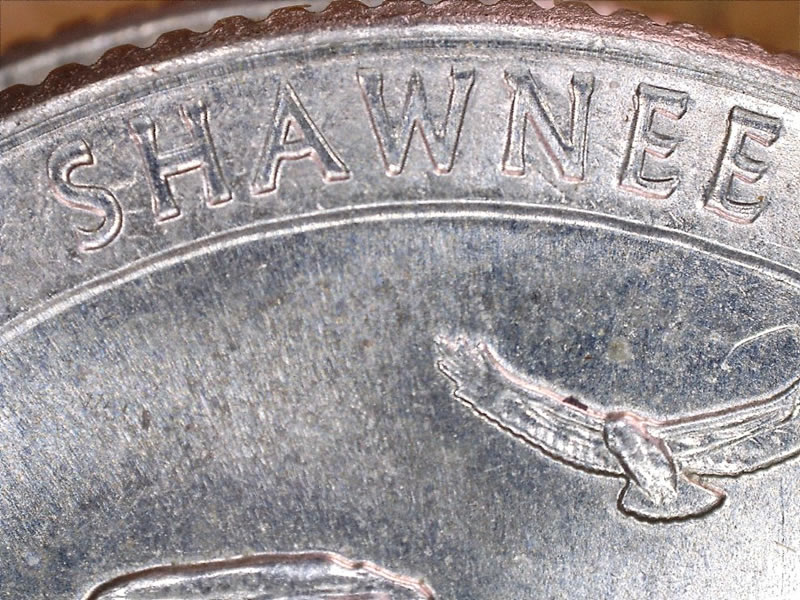
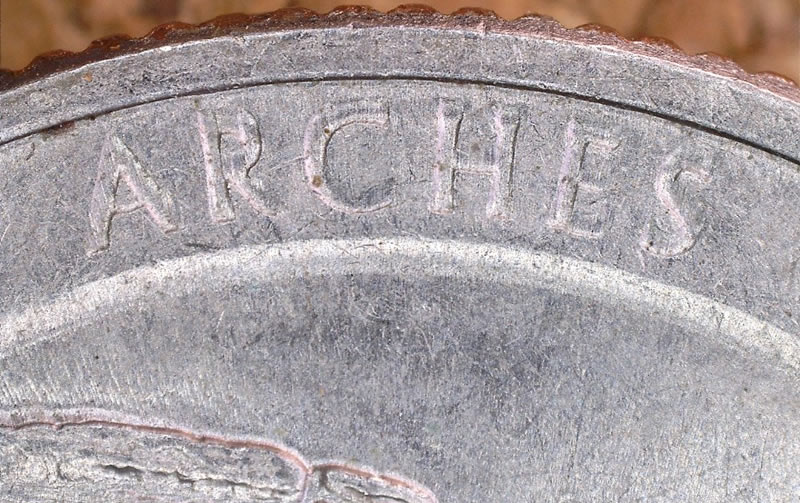
ATB Quarters. (On the incuse devices, they are raised on the die, (Incuse sunk in to the coin) Even the slightest movement before/during/after the strike alters these devices) On incuse devices, like the 'VDB' on cents, EPU on Shield cents and the
ATB reverse on the outer part of the reverse, if there were a doubled die on that area, these devices would be smaller, not larger. (just opposite to raised devices on coins)
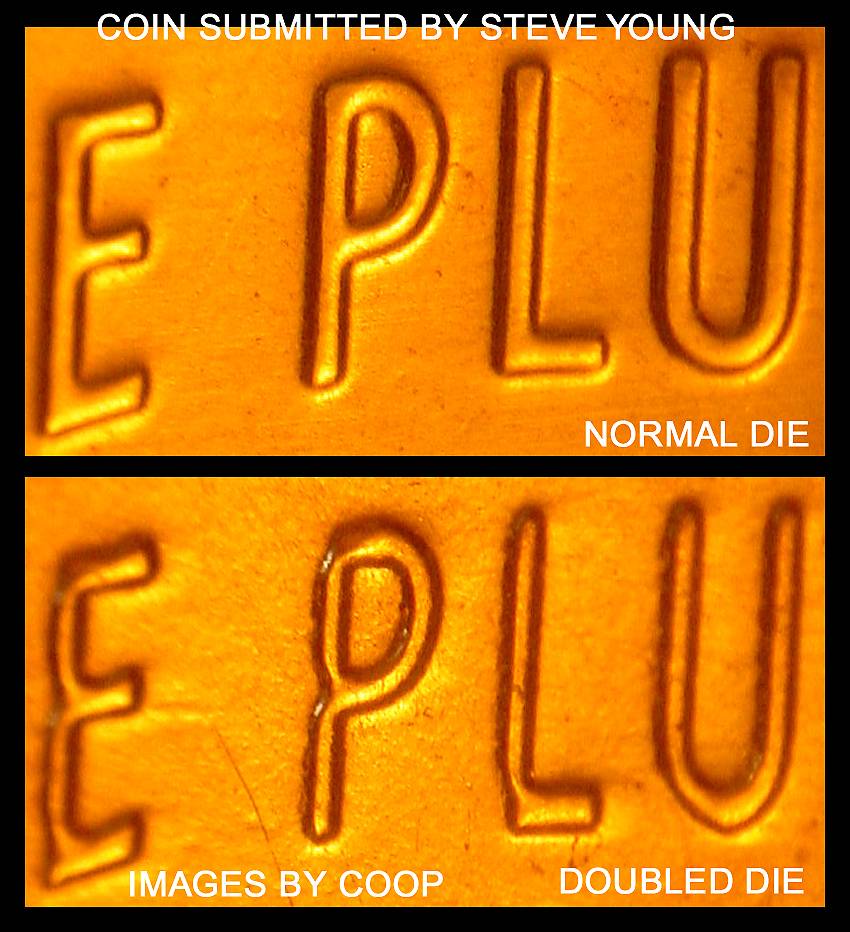
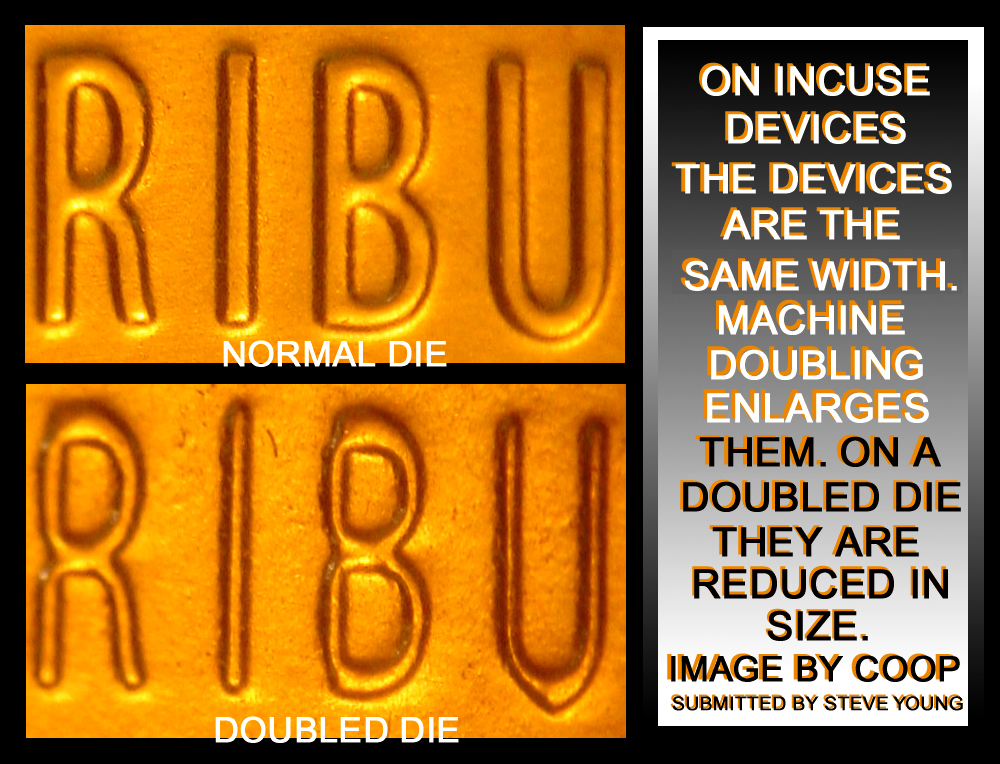
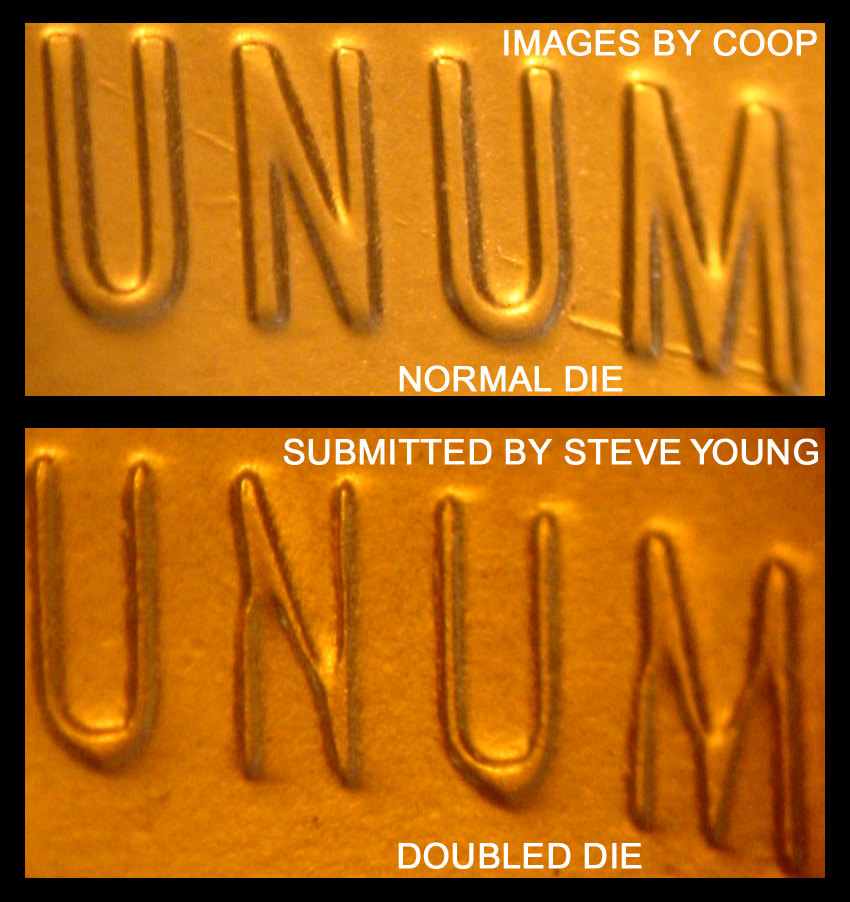
And on the VDB the
Machine Doubling could look like this:
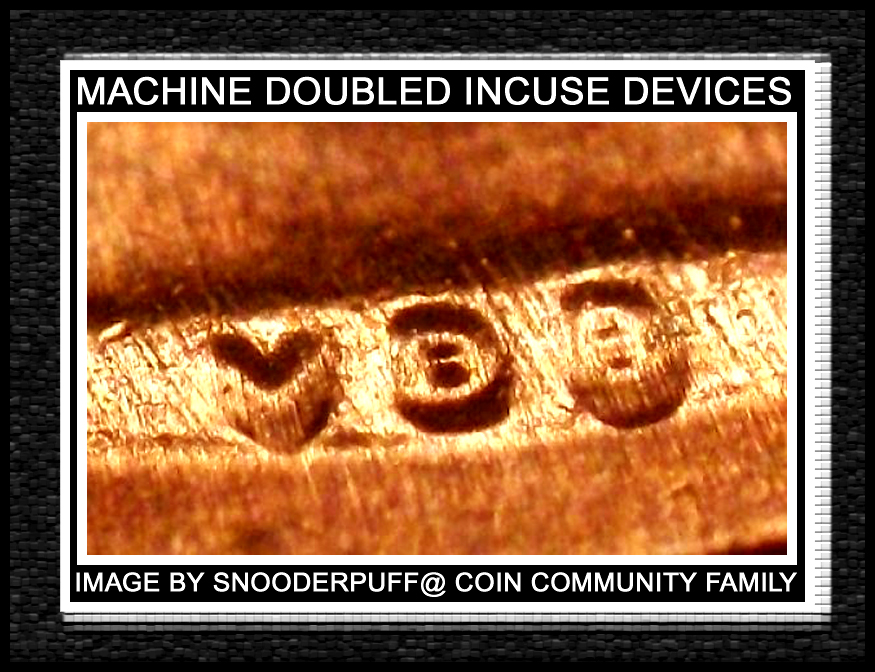
No know
DDO on the VDB or on the
ATB incuse devices are known. They probably will not happen as they are too close to the outside part of the coin.
Again, the doubled dies are usually on the central areas of the designs on all coins with with the single squeeze dies.That is just opposite the multi hubbed dies where the doubling is usually near the outsides of the coins. Thus the reason I mention multi hubbed dies (older style used for many years. The Single squeezed dies the newer method of creating dies. I would mention a certain year, but it was switch over slowly. (Somewhere in the 1980s) When see start seeing the
Die Deterioration issue raising it head. Thus the reason I often Mention Die wear on the multi hubbed dies. and
Die Deterioration on the single squeeze dies. Both are die wear. But different by appearance.
On the Multi hubbed dies the die wear starts on the devices and then flows to the rims:
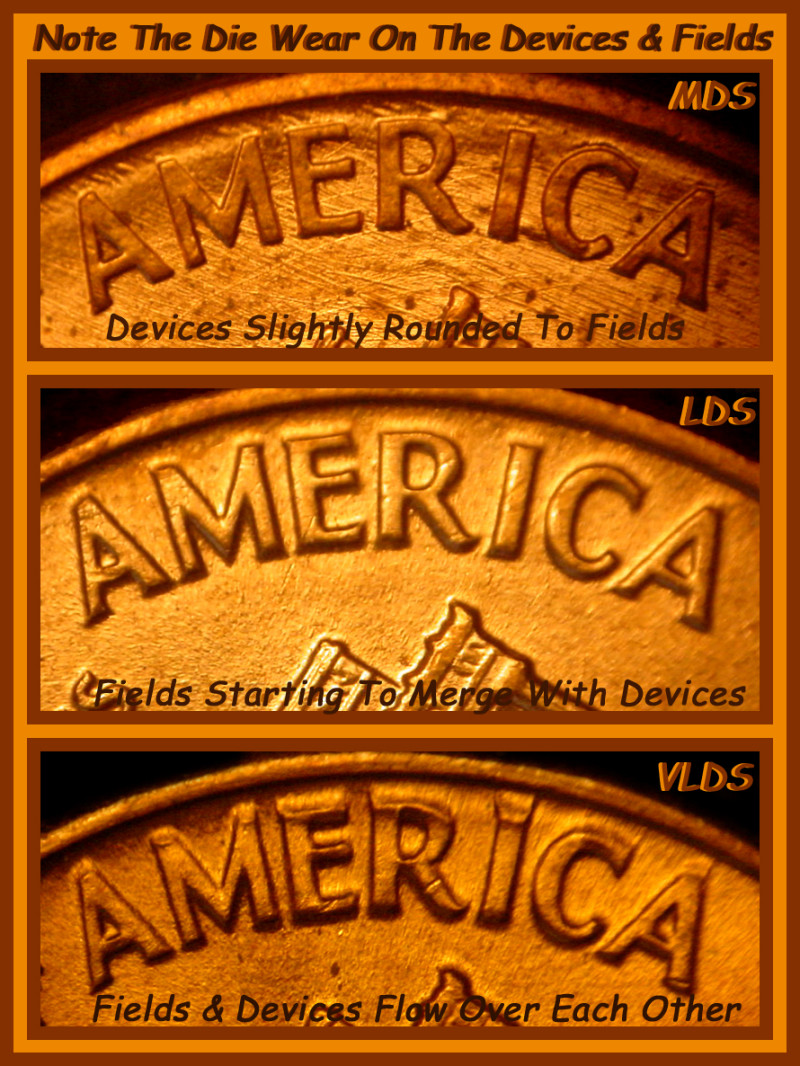
Note the MDS starts showing wear on the devices near the rim on the devices.
Note LDS starts to loose the edge of the same devices as the die wear more.
Note VLDS start to break down and loose the freshness of the devices in the rim direction.On the single squeeze dies the profile of the coins devices and bust/buildings are lower. Thus the dies wear differently. Instead of on the devices, now on the fields they are affected in the direction of the closest rims.
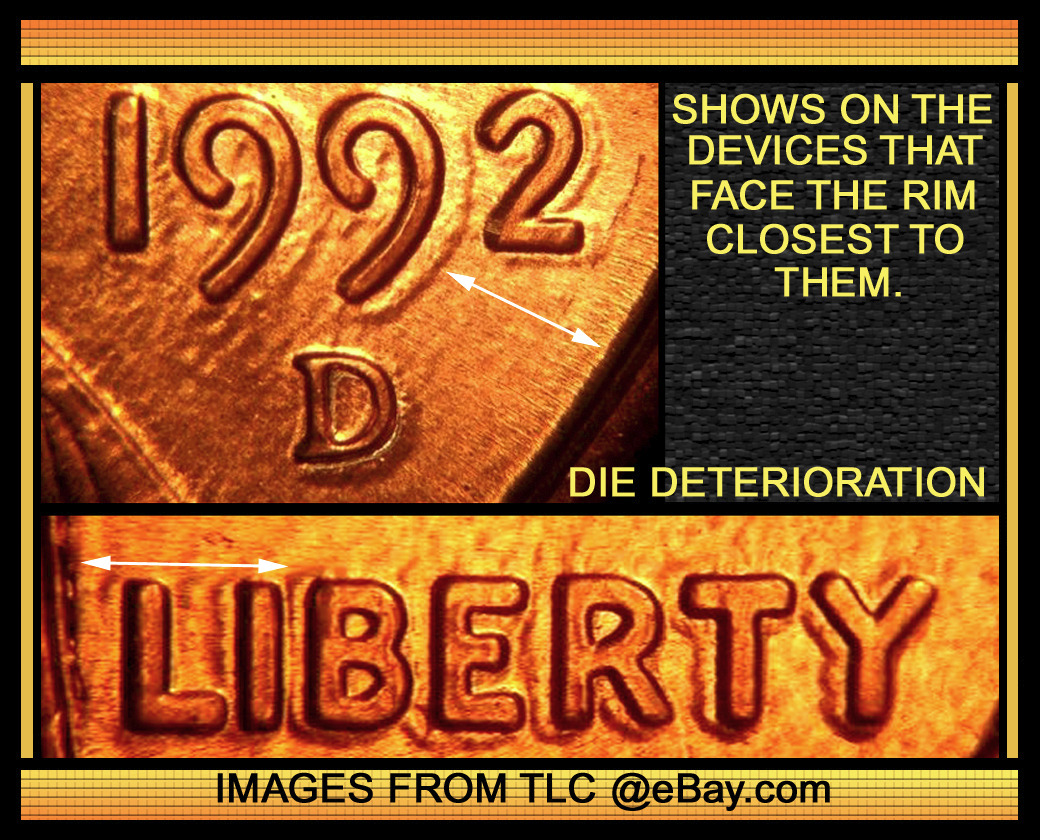
Note on the image the date. The devices are not affected by the die wear, but the fields are on the right side of the coin. (the direction of the closest rim)
Note on LIBERTY the die wear again show on the fields, (not on the devices on the left side of the devices)
On the Motto, all devices will show this on tops of all devices. So die wear is different on each of the two die creating processes. One affecting the devices (multi hubbed dies with the higher profile) The other on the fields next to the devices. (The single squeeze dies with the lower profile) So by determining which type of die wear is showing on the coins, then we can alter our searches. Why? Because the doubled dies will be different on the coin from the two styles of die creation.
Multi hubbed dies will show doubling more often on the outer devices of the coin stronger. (depending also on the class of doubling) Most the big
DDO /
DDR are on these areas of the devices.
The single squeeze dies seldom show doubling on the outside devices. (But sometimes it does happen if the hub process is altered from normal) Most of the time the doubled dies will show on the center devices and mid center devices. Examples: Bar cents on the DDR Memorial cants, (central) ATB DDRs more on the central area, States doubled dies DDO are more on the earlobe areas. (Wexler listing show all the DDO except one on that area for DDOs) Doubled ear cents are central located.But I mentioned one that type of single squeeze doubled die that doesn't follow the rules? Why? Becuase the process was changed. On normal single squeeze dies, they are hubbed just once. (this normally creates normal dies) But on the class 9 doubled dies, the hub makes a kiss on the die out of place, then snaps into the correct position. The kiss of the dies just touching can alter the central devices because of the shape of the die. But when it snaps into the correct alignment, then most of the kiss is removed.
But not all of it. A depression on the bay areas of the Memorial cents will be left unchanged because it is in the center of the die. The hub only alters the deeper devices. The incuse kiss marks will remain. Sound far fetched? Look at the Bar cents on the Memorial die series.
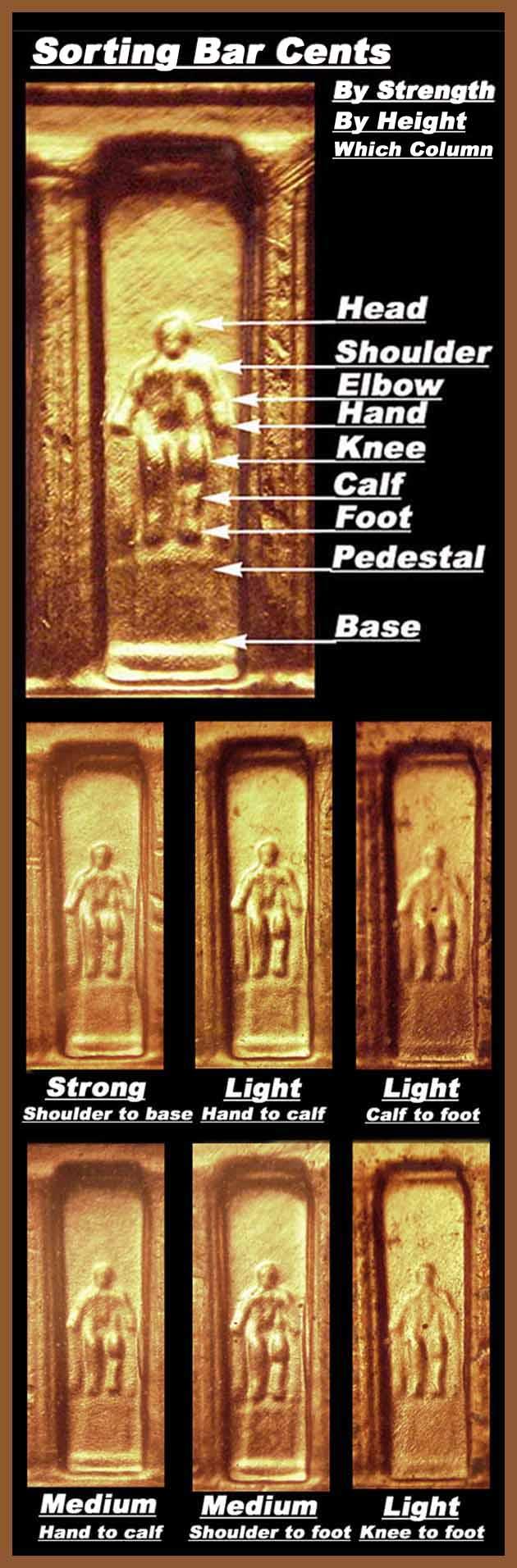
Those are the areas where the first kiss altered the die from being a normal die. It is now a doubled die because
the doubling is now on the die. But every once in a while the operator will restart the process backing out the hub. A kiss was made but something wasn't correct. So he hubs the die again. Then we have basically a multi hubbed single squeezed die. How is the different? If alters the outer devices with a second hubbing. Then we get the doubled dies that make us the happiest.
Single squeeze class 8 doubled dies on variety vista:
http://varietyvista.com/01c%20LC%20...1%20cent.htmhttp://varietyvista.com/01c%20LC%20...2%20cent.htmJust central areas are affected. Mainly on LIBERTY or Dates.
But note how this die was doubled:
http://varietyvista.com/01c%20LC%20...3%20cent.htmLook at how Most of the devices are affected? Listed as a
2006 1c DDO-003, 3-O-IV+VIII When translated it is die number 3- obverse -Class 4 + 8. Those are the fun ones. There are so many to list like this. I'll add them another time. Better post this before the site crashes and I have to do it all over again..
CoopHome incuse - raised single squeeze - multi hubbed dies









 Posted 04/09/2018 11:03 am






 MD isn't common as only a few per hundred might exhibit strong MD, but they are also not scarce because of that easy availability.


