| Author |
 Replies: 10 / Views: 1,937 Replies: 10 / Views: 1,937 |
|
|
Valued Member
United States
260 Posts |
|
|
|
|
Rest in Peace
10197 Posts |
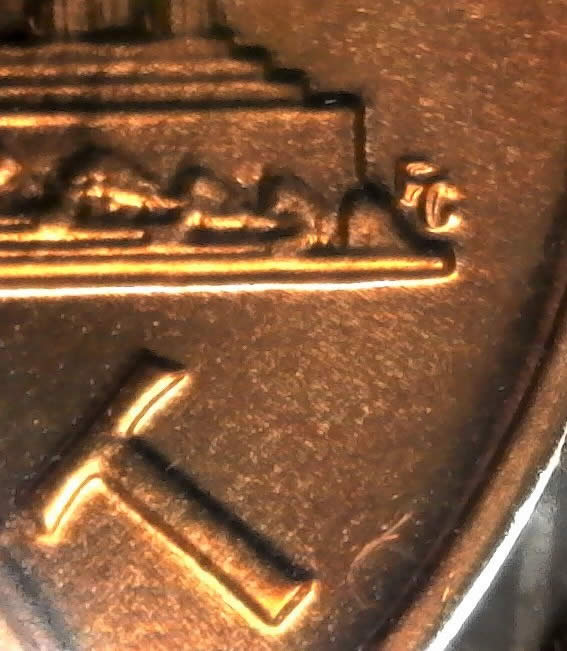
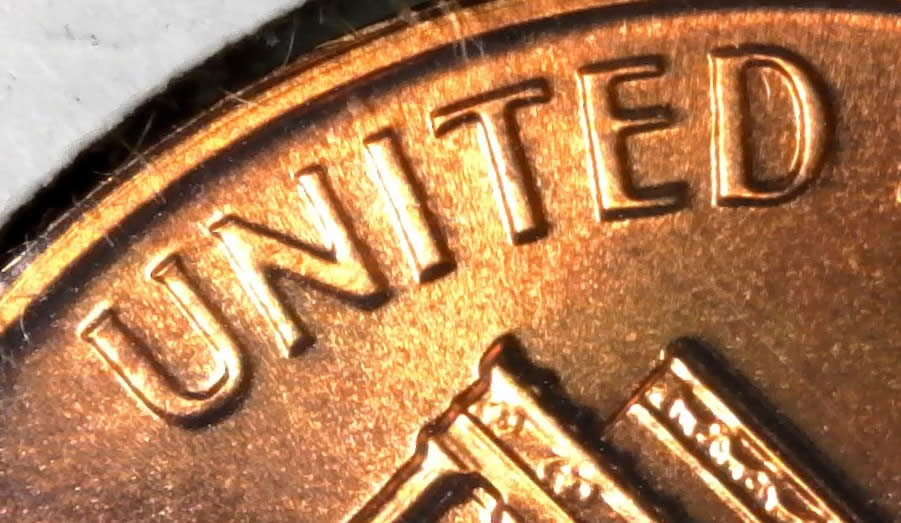
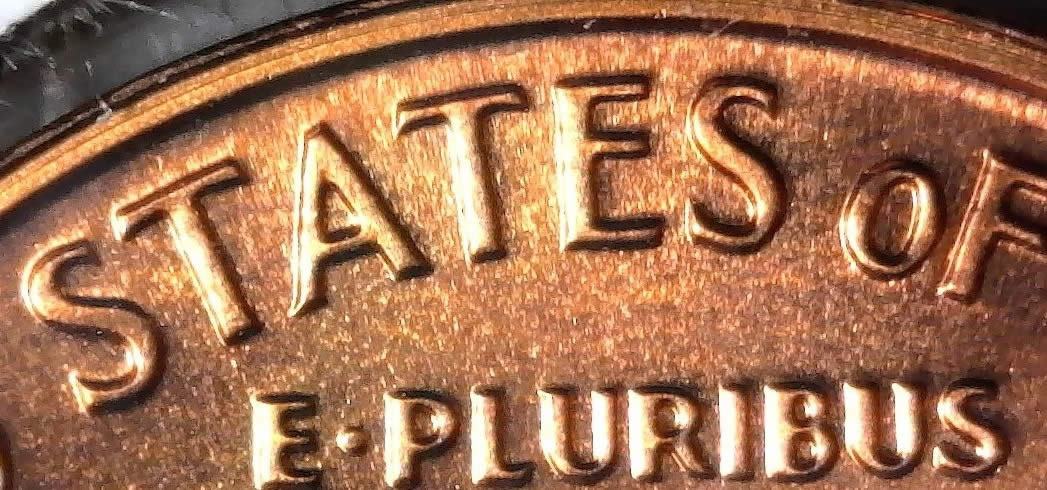
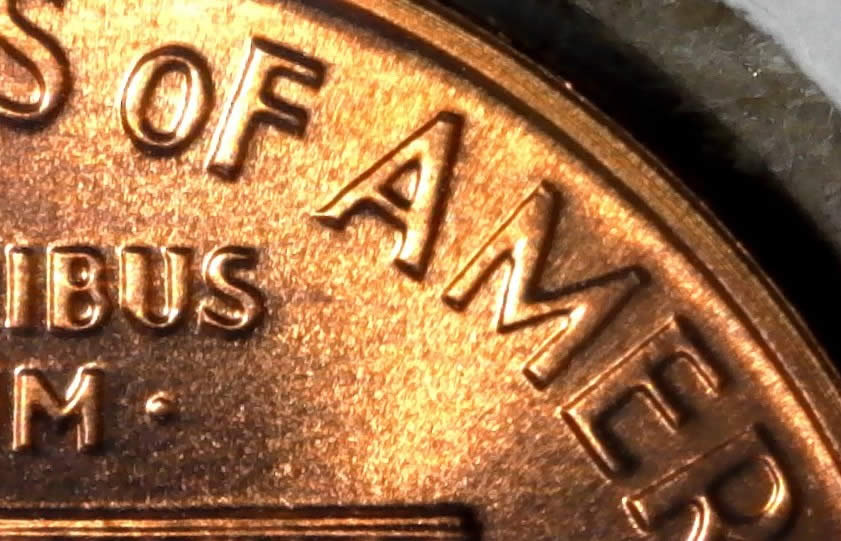
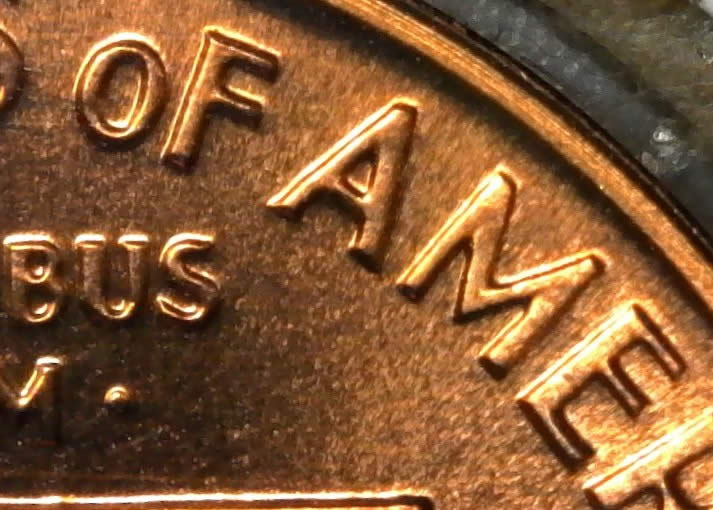
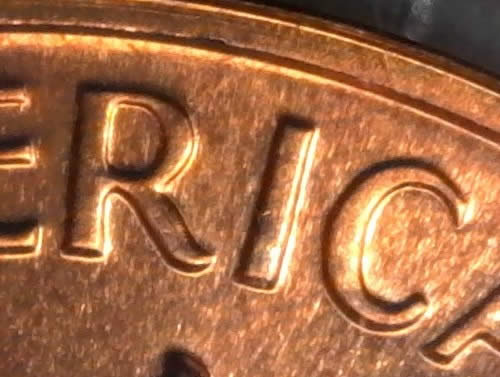
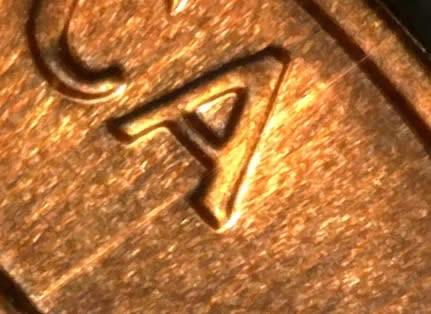
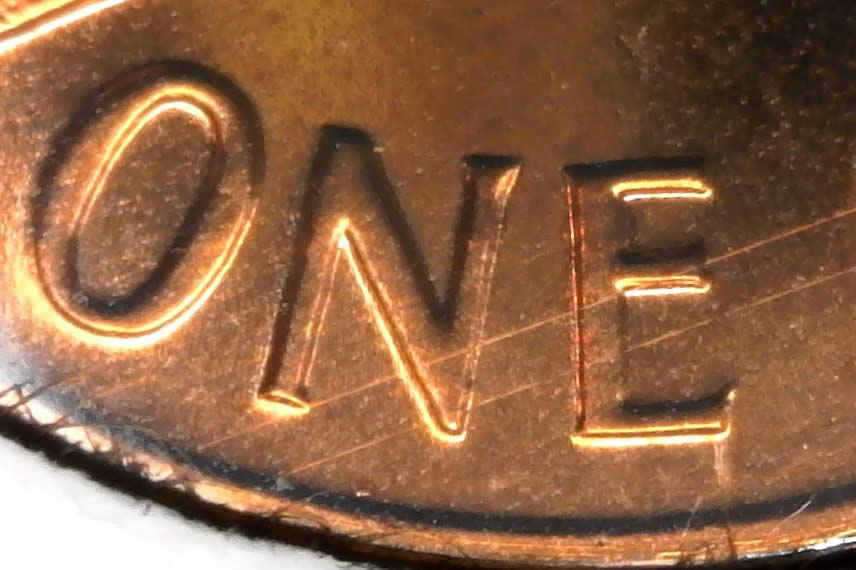
Nope,, MD. Usual for proofs, are struck twice therefore have 2x the chance for a bounce when struck. No notching on common points of peripheral letters, the effect of shelf-like is more indicative of MD than DD. Points I look for on DDRs: 1). lower right legs of R in AMERICA for notch 2). Tips of letters in ONE CENT for notch 3). Enlarged/distorted/shifted EPU 4). lastly, separation lines around devices and NOTICIBLE enlargement of device. Any other points you "notice" may indeed prove a hub doubled event, but those that are that slight, may not even be attributed by anyone for being such a minor, noncollectable coin. All coins (before the 90's) were produced by applying one hub upon another to add design elements. A slight shift in alignment or a minor size change of each hub is the cause of doubling, so those very minor doublings are actually more commonplace than not. That is the process of die making, in a way, it is error-prone, just such minor stuff is considered "Master Die Doubling" and passed down through all coins(all mints). Take the 1972 LMC'S for instance!  Edited by Crazyb0
04/27/2018 12:50 pm
|
|
Valued Member
 United States
260 Posts |
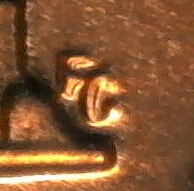
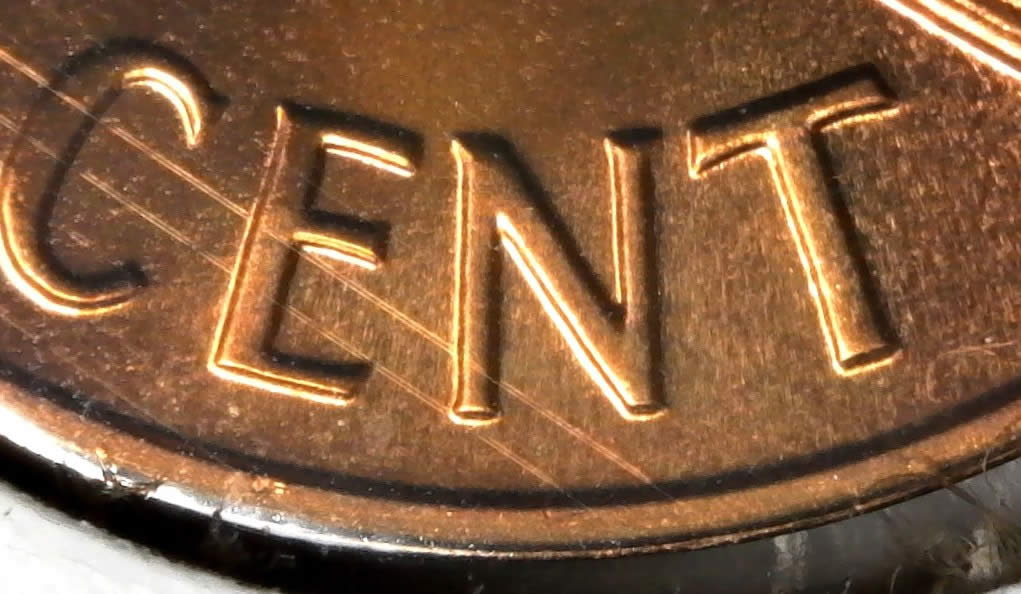
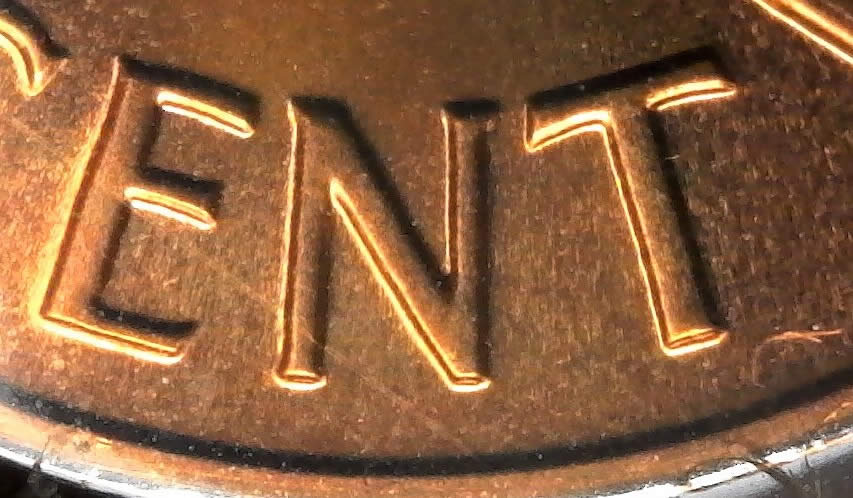
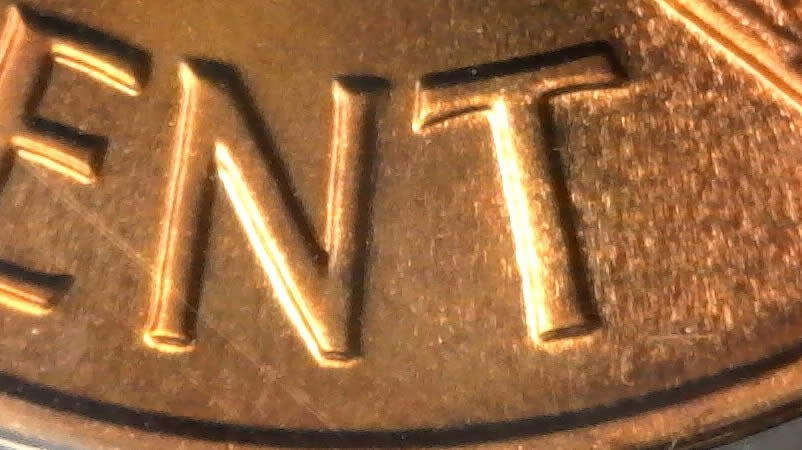
Both E's in "one" and "cent" have doubling below the middle bar. Also the 'T' in "cent" has separation as seen in the photo with the designers initials which are also doubled. The last 'A' in America also has notching on the bottom right.
|
|
Valued Member
United States
274 Posts |
|
|
Rest in Peace
10197 Posts |
 Ptg, read my addendum in post! BTW, those slight indentions are called by some, including me a "high bounce". MD. The die just "chattered", slightly. Realize, in machine presses there has to be a little "give" in the moving parts when using a stamping/pressure application. If there wasn't that "give", metal would break, bend, explode, after only a few motions and contacts! Also, Newmember, what your enlargement shows ( good res BTW!)is the classic "smoke and mirrors" effect lighting produces at high mag. Moving the light source usually will change what the eye sees and camera captures. Why I suggest no more than 15x when searching for Hub DD. You will see "metal machining ghosts" and your mind then tries to make sense of them when they are just normal machining results. Edited by Crazyb0
04/27/2018 1:09 pm
|
|
Valued Member
United States
260 Posts |
Appreciate the feedback. I am guilty of seeing what I want to at times. I just need to remember when there is nice doubling it really does jump out. Thanks
|
|
Pillar of the Community
United States
8715 Posts |
|
|
Pillar of the Community
United States
4427 Posts |
I see a minor class II DDR. Can't figure out exactly what number it is though. Separation on FG and the bottom of ONE CENT. I don't see any noticeable doubling on AMERICA or anything else. The FG is enlarged if you compare it to a normal one. Don't know why people were so quick to dismiss this as MD. MD would have thinning of the devices and this coin doesn't show that. Edited by Tanman2001
04/27/2018 3:12 pm
|
|
Bedrock of the Community
United States
62064 Posts |
While the FG looks interesting, it might be MD. Everything else looks like a normal coin. What are you seeing?
|
|
Valued Member
United States
260 Posts |
class 2 spread towards the center. mostly easily seen on cent. 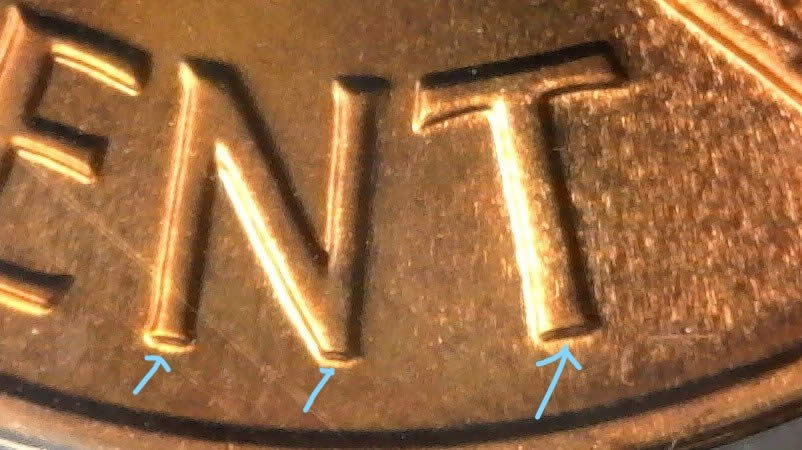 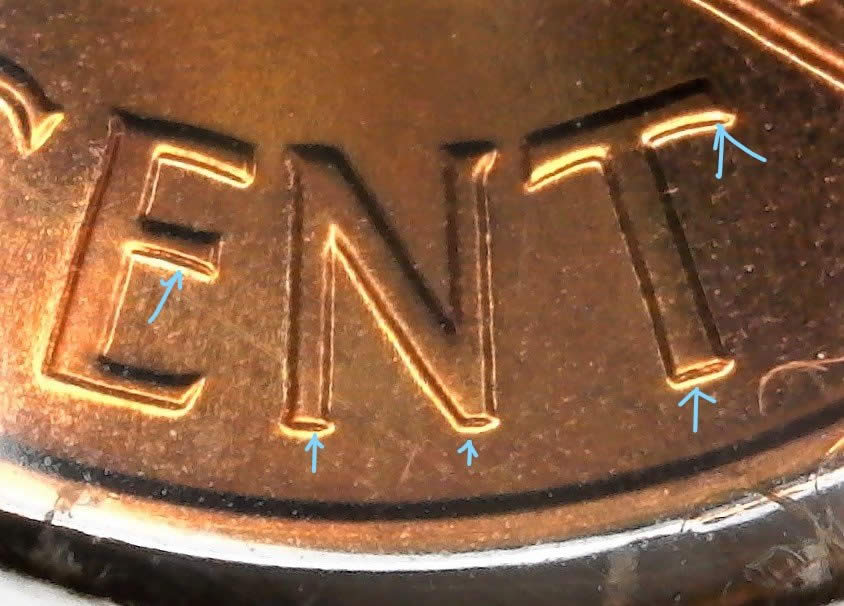 |
|
Bedrock of the Community
United States
62064 Posts |
Looks pretty minor. The glare is covering it? Needs to be strong DDR to be listed. Like this one: 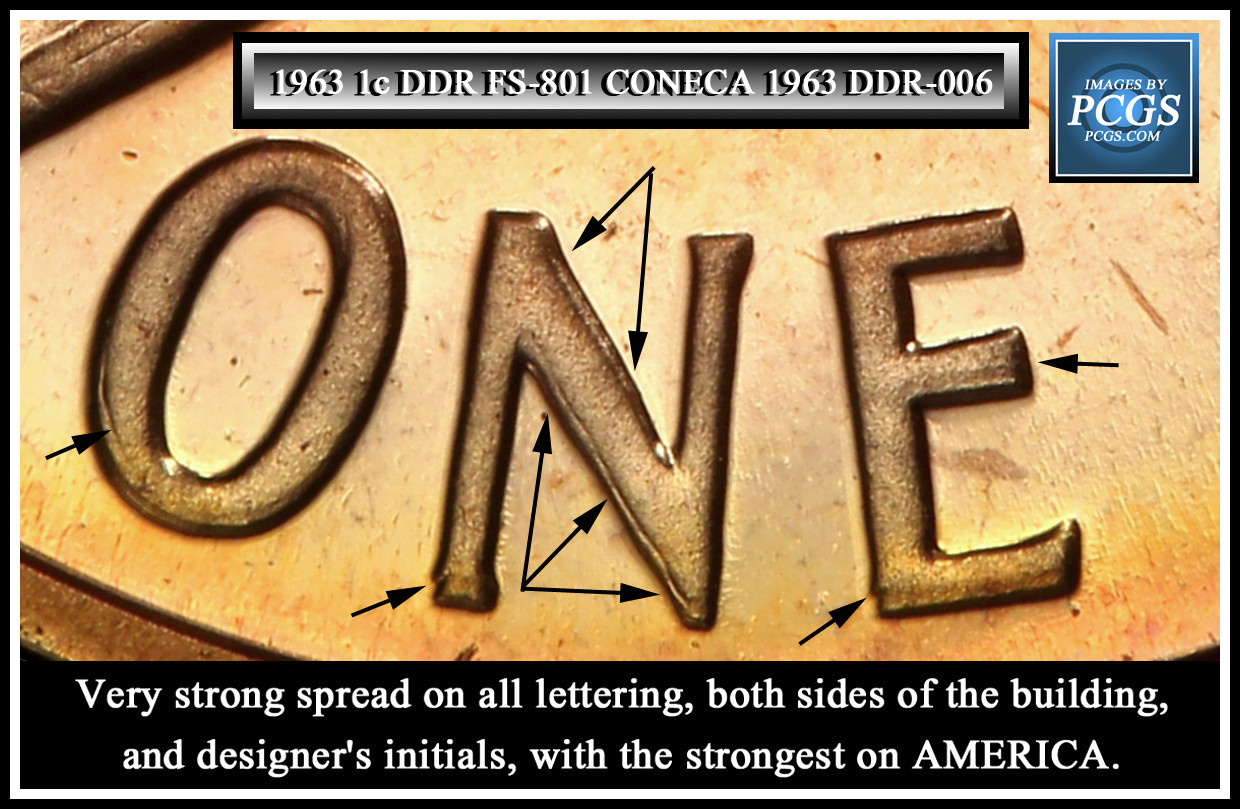 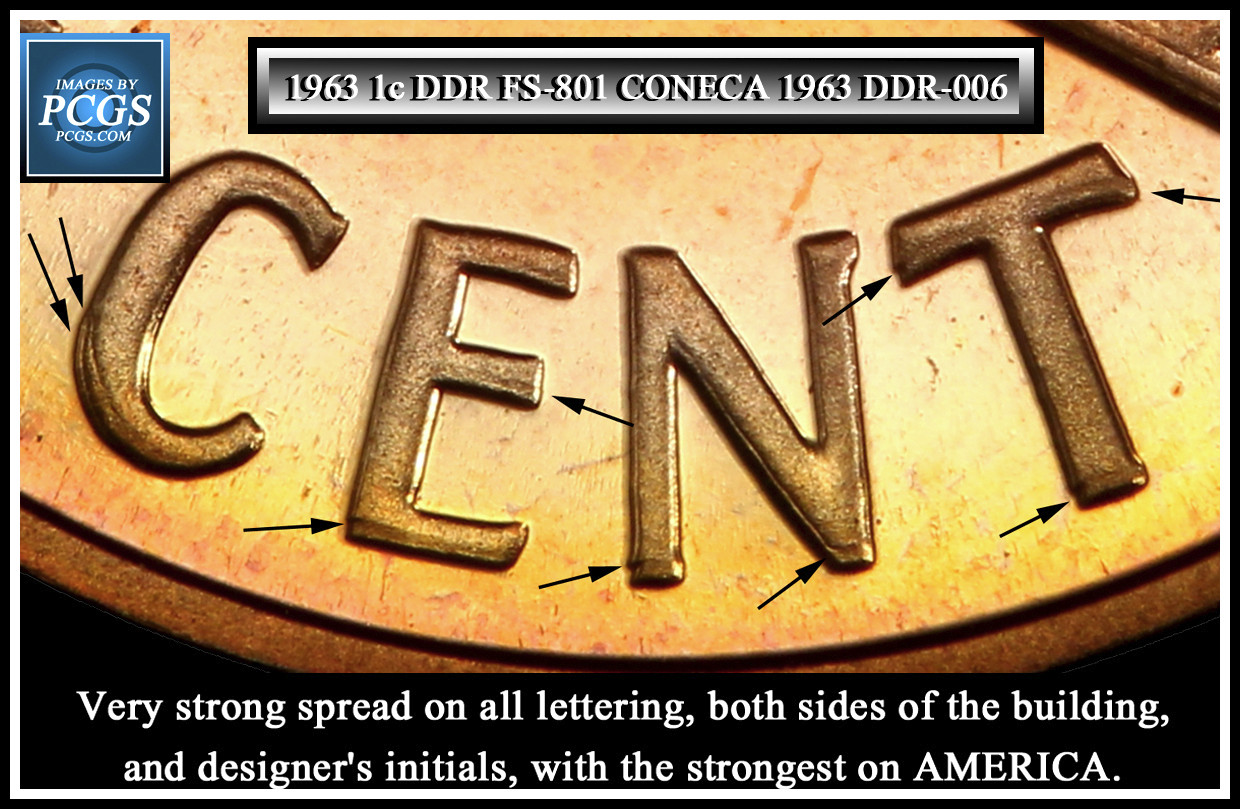 |
| |
Replies: 10 / Views: 1,937 |
|












 Posted 04/27/2018 12:48 pm