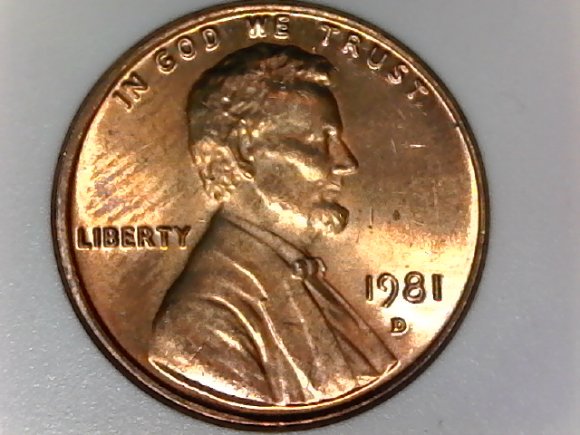
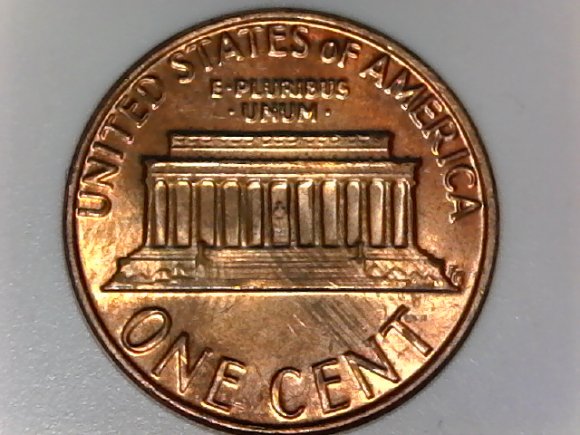
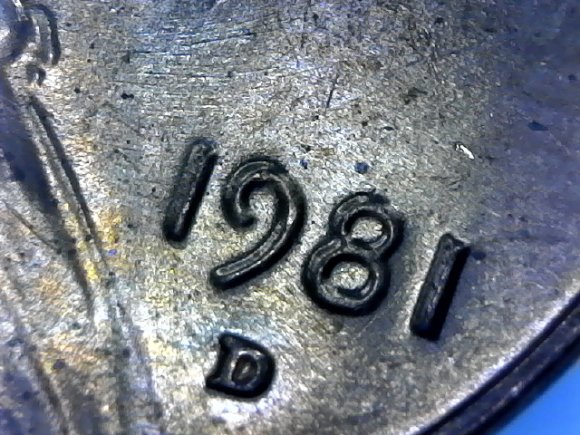
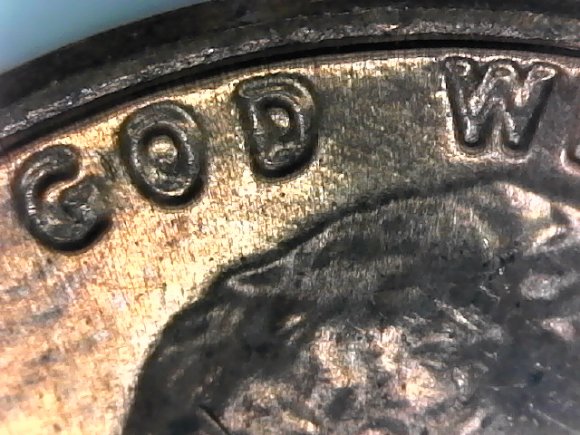
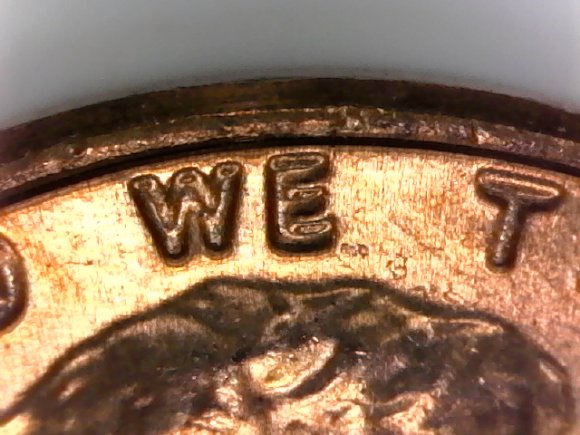
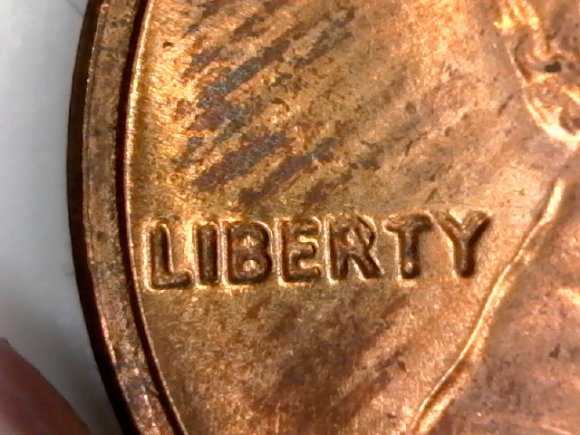
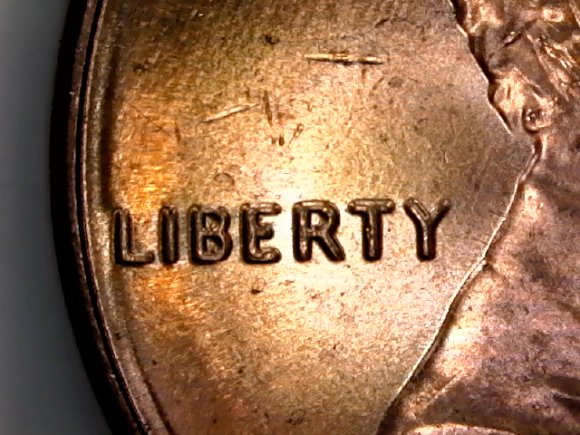
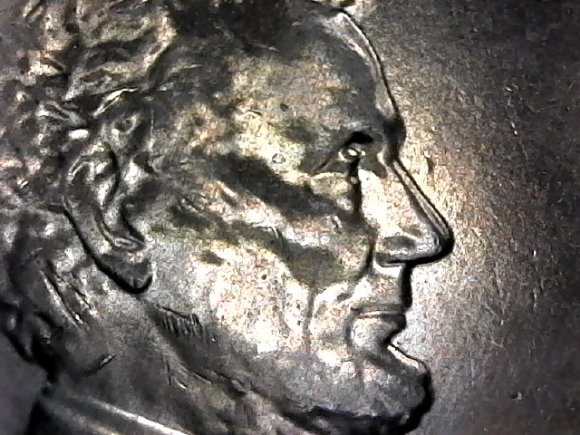
It the same thing. The tops of LIBERTY are reduced a bit from MD. But on the nose, that is always MD. I've have never see the nose affected on any coin so far on the bridge area of the nose. Always MD. You are looking too hard that the edges of the devices. Look for the devices show show spread in the center of the devices and not on the outside edges of the devices. IE:
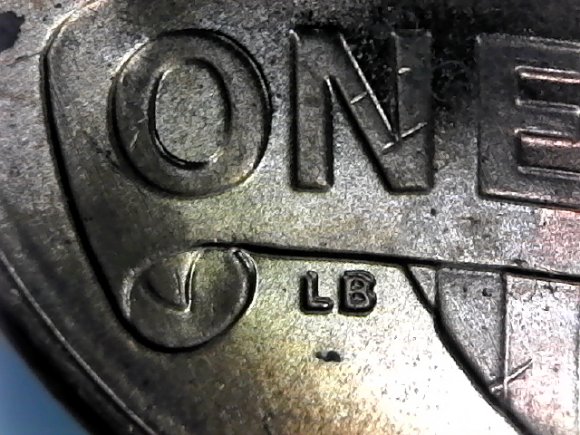
Note this example of
Machine Doubling?
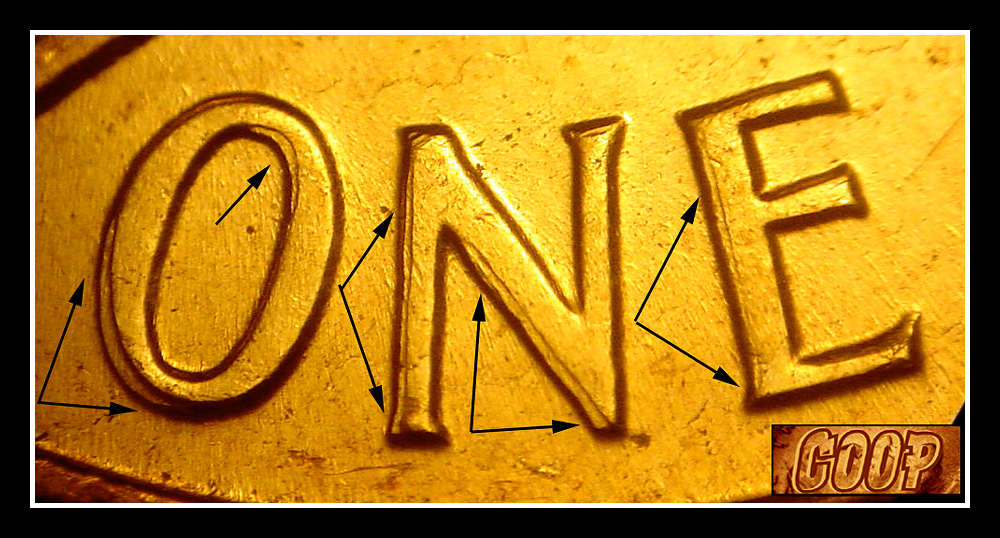
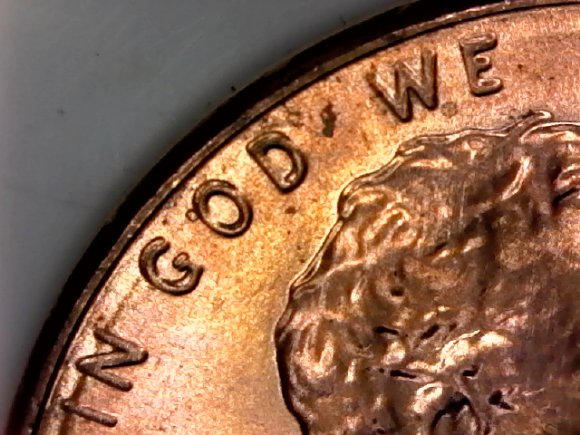
Note how it is stronger on the left side than the right. That was caused after the strike because of movement. So what is affected? The edges of the coin. It is reducing the devices. On a real doubled die, you look for the devices to show spread. Then center parts of the devices should be wider:
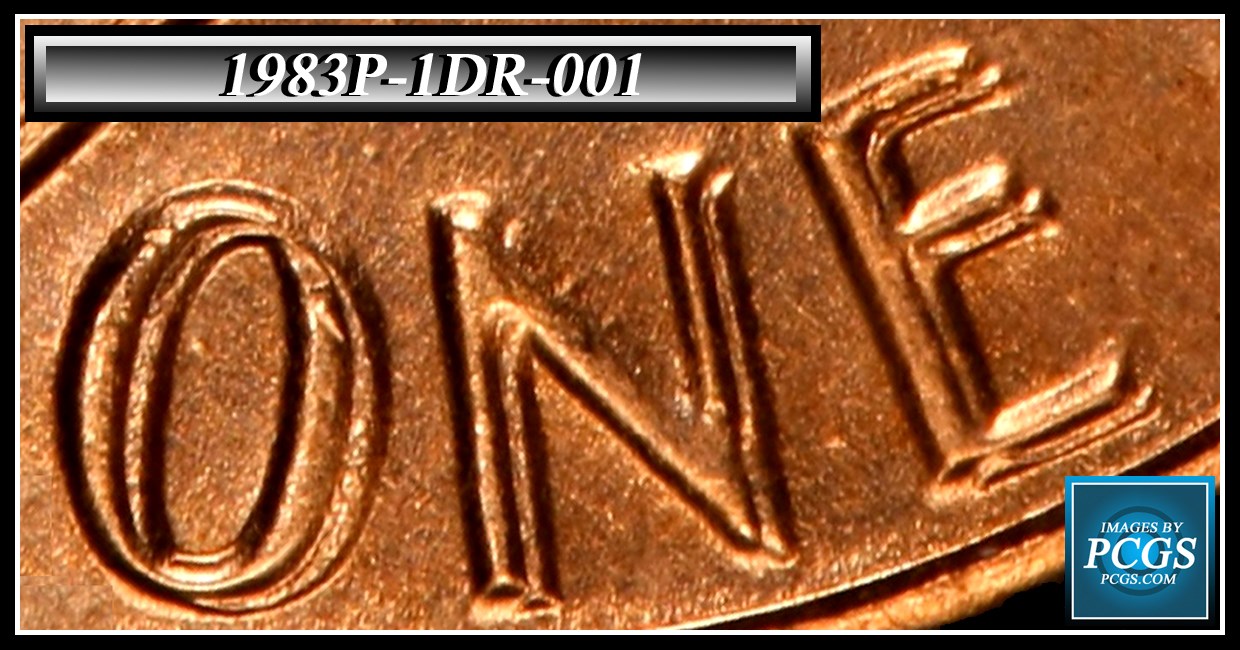
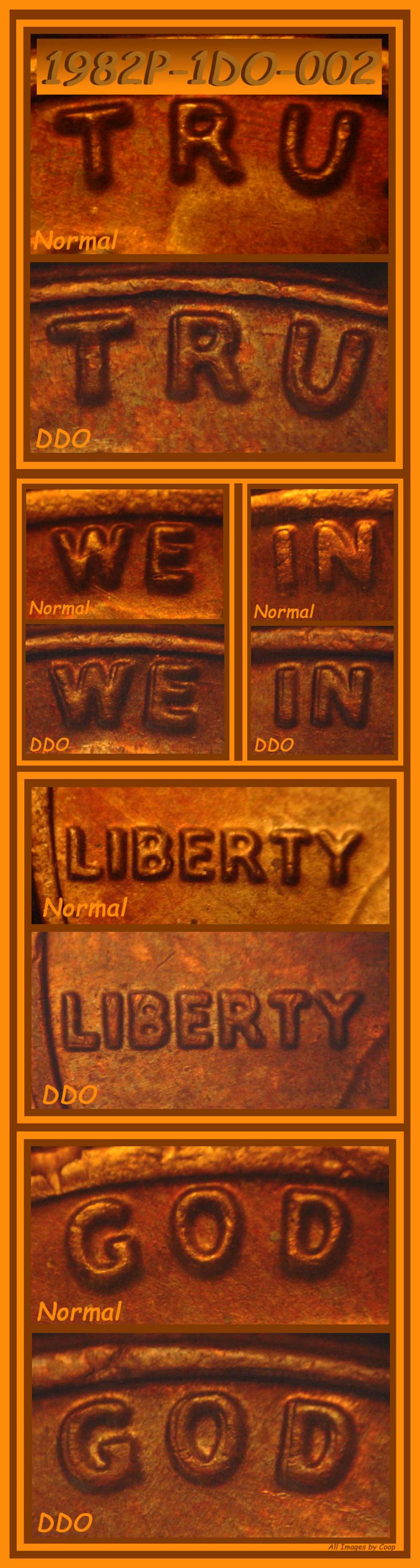
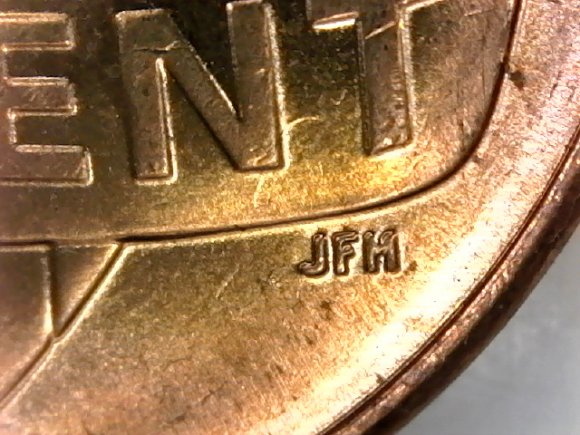
Spread means the distance between hubbings on the die. Note the affected area on this one? It is not on an edge, it is in the center.

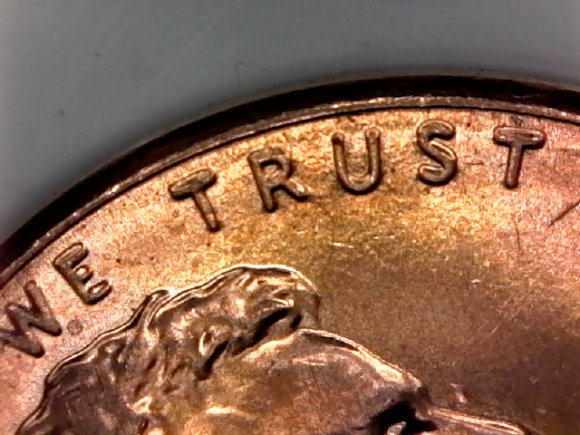
Again note. It is not on an edge that is affected. It is on the center part.
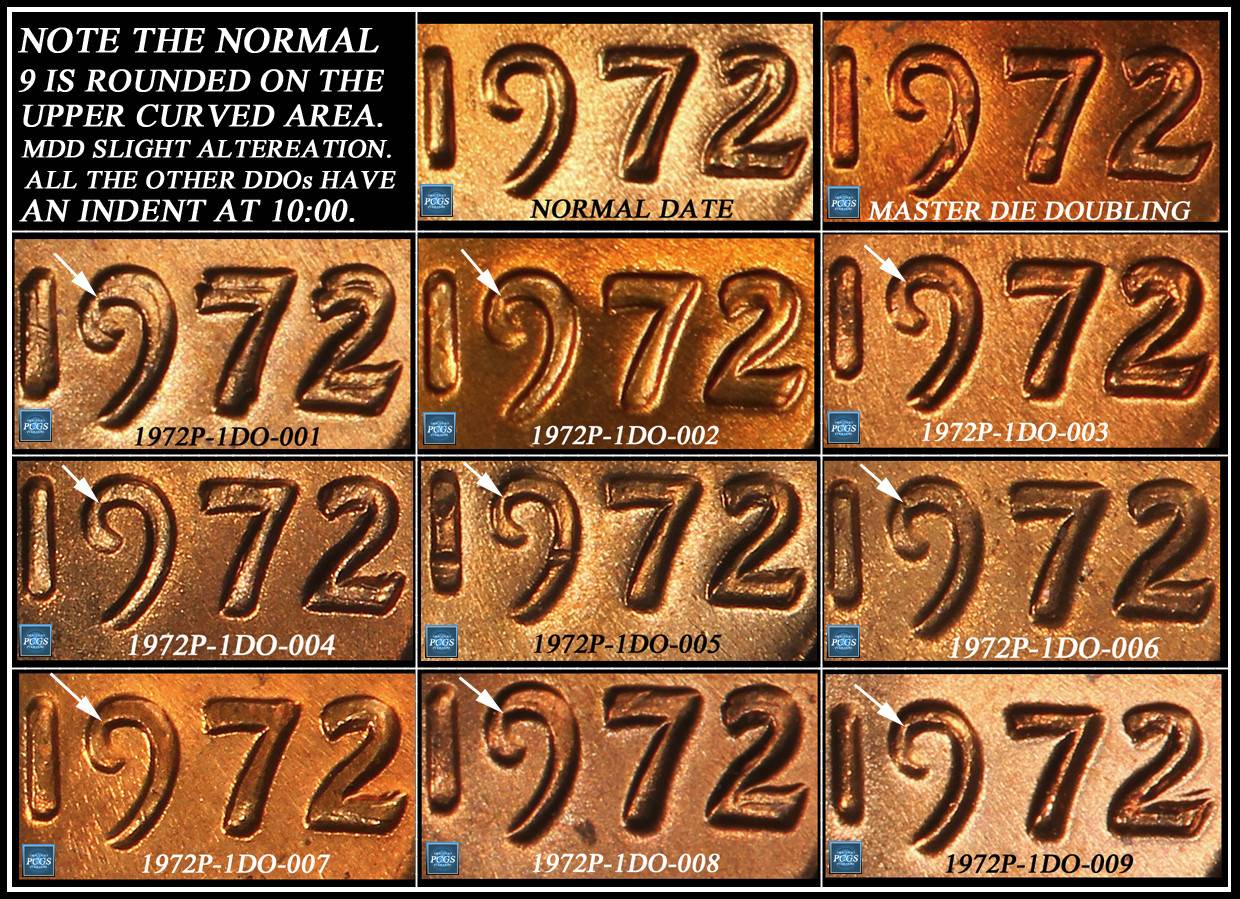
On these doubled dies, where is the doubling/spread? In the centers. Not on the outside edges of devices.
On the single squeeze coins, the devices show a distortion that I liken to over inflated inner tubes like you would see on a bicycle:
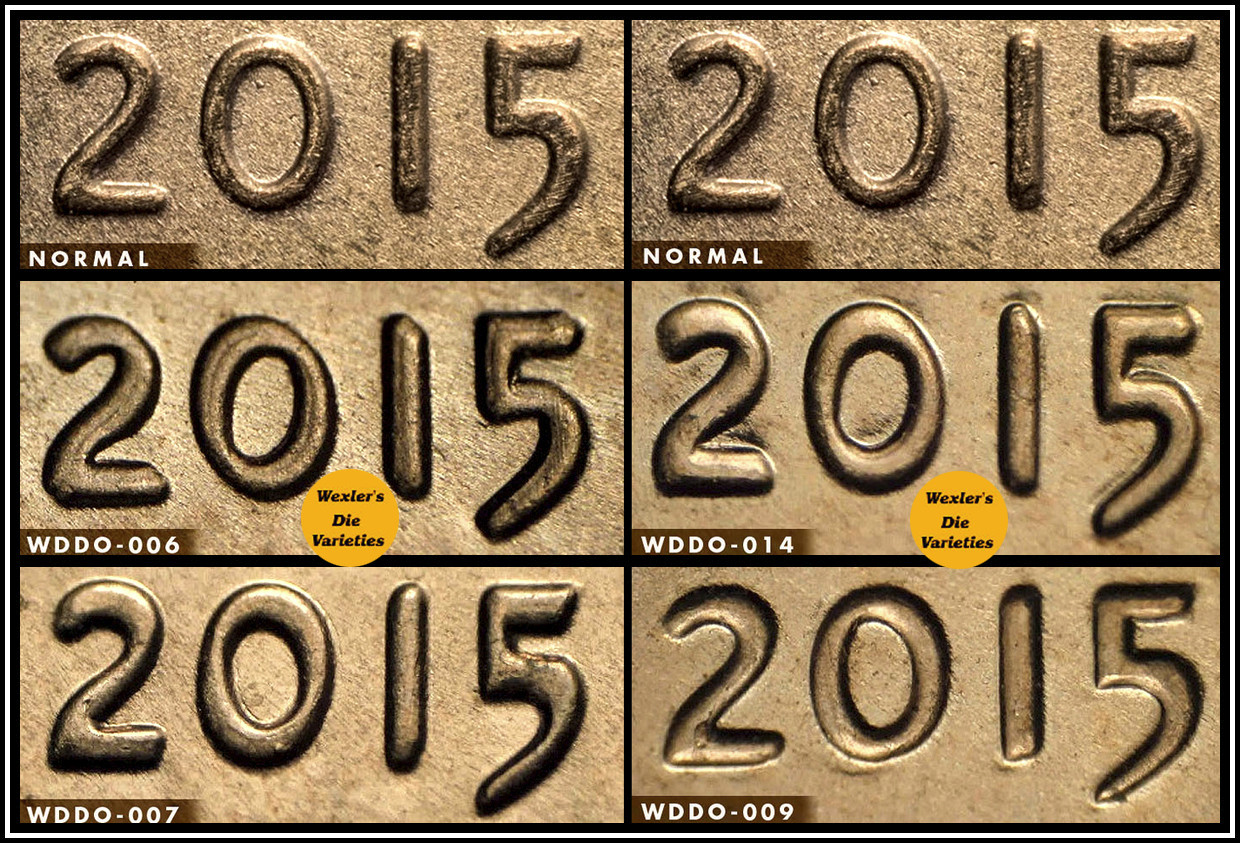
Note the normal example? Then note how these doubled dies are distorted. Are they distorted on the edges of the devices? They show spread, that is what makes them doubled dies. MD happens on the edges of the devices. Doubled dies are shown by spread. So what to do? Stop looking at the edges of devices, look at the centers to see how they show......
spread.













 Posted 05/01/2018 01:34 am


_AAB.jpg)


