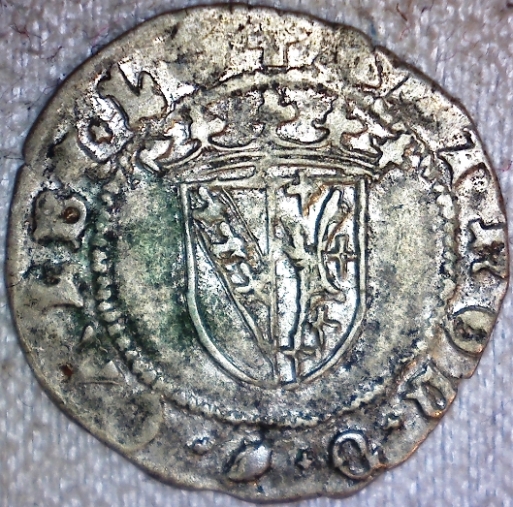
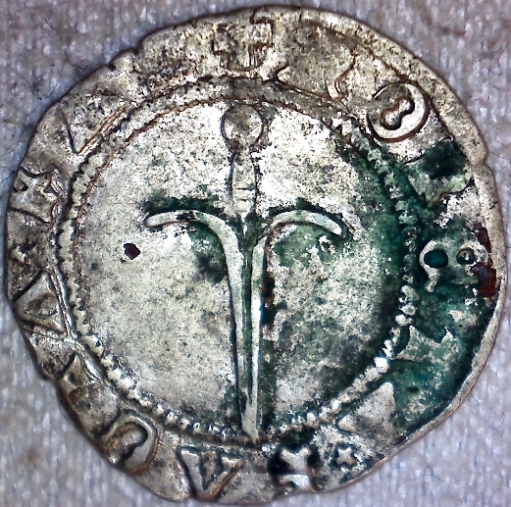
I've not seen many coins of Lorraine posted in various threads in my short time here on the forum, so I thought I'd share a bit. I've been filling in some gaps in the Numista catalog; if interested, you can look here: here:
https://en.numista.com/catalogue/pieces139776.htmlhttps://en.numista.com/catalogue/pieces139757.htmlhttps://en.numista.com/catalogue/pieces139808.htmlhttps://en.numista.com/catalogue/in...y&te=y&cat=yLorraine was ruled by a dynasty of hereditary dukes from Gerard (1048-1070) to Francois III (1729-1737), a span of nearly 700 years. That span did not pass without intrerruption (pretenders, exiles, etc.) but it's still a pretty long run.
While the Dukes of Lorraine paid homage to the Holy Roman Emperor, it was France which eventually absorbed Lorraine in 1766 as a condition of an earlier treaty.
From a numismatic viewpoint, Lorraine coins after about 1250 can often be identified by one of these three devices:
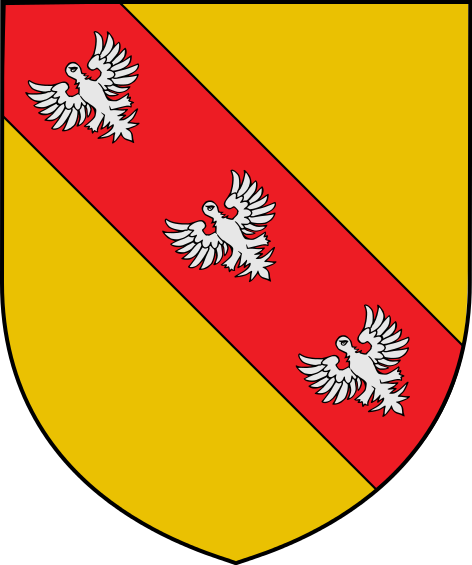
- the arms of Lorraine: a shield with a stripe running from upper left to lower right bearing images of 3 alerions, a sort of stylized eagle. (After absorbing the counties of Bar and Vaudemont in 1480, the coat of arms became more elaborate, but the original Lorraine shield remained in the middle).
- A vertical sword. After the mid 14th century the sword always points downward
- the double barred "cross of Lorraine" which shows up starting in the reign of Rene of Anjou (1431-1453), probably from origins elsewhere (Hungary?)







 Posted 05/12/2018 9:36 pm