| Author |
 Replies: 7 / Views: 1,164 Replies: 7 / Views: 1,164 |
|
|
Pillar of the Community
United States
2567 Posts |
|
|
|
|
Rest in Peace
10197 Posts |
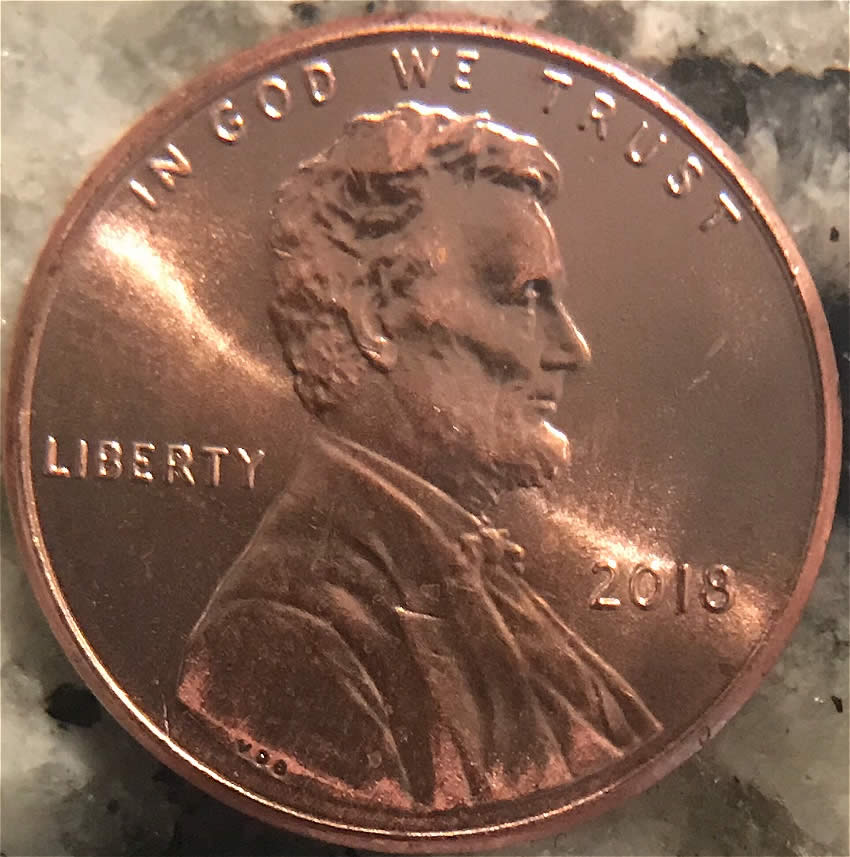
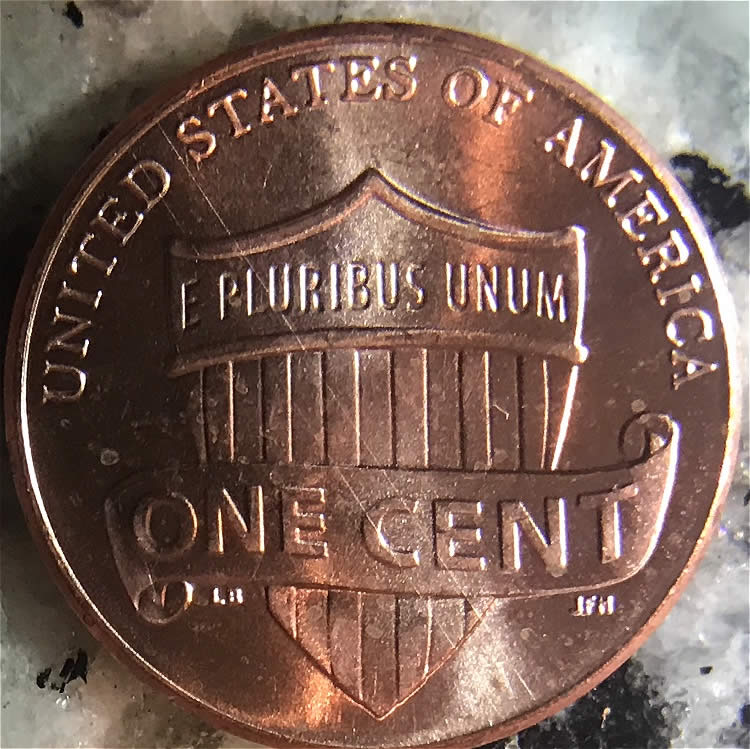
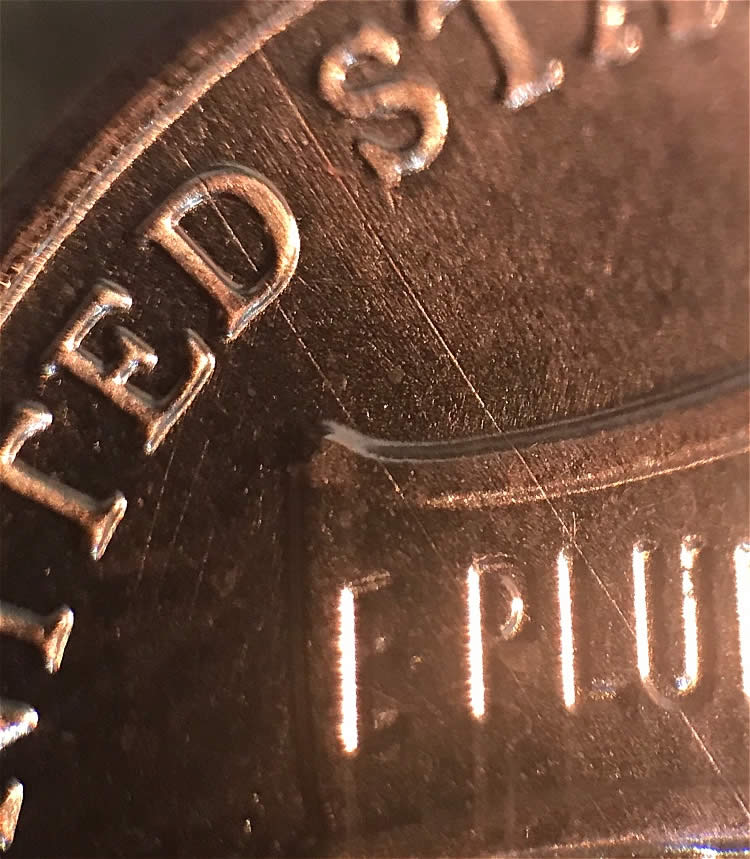
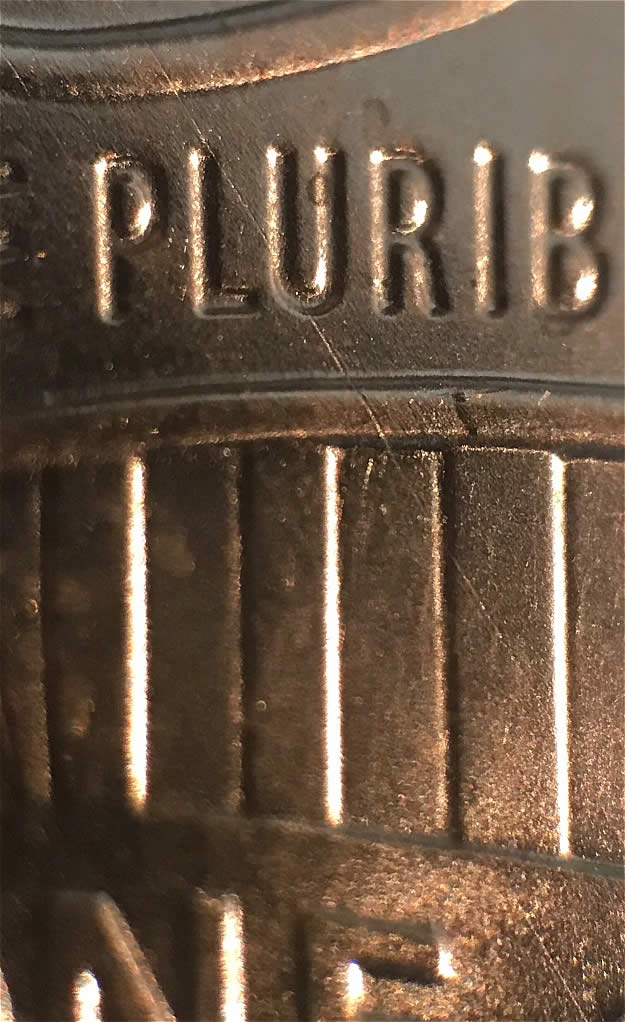
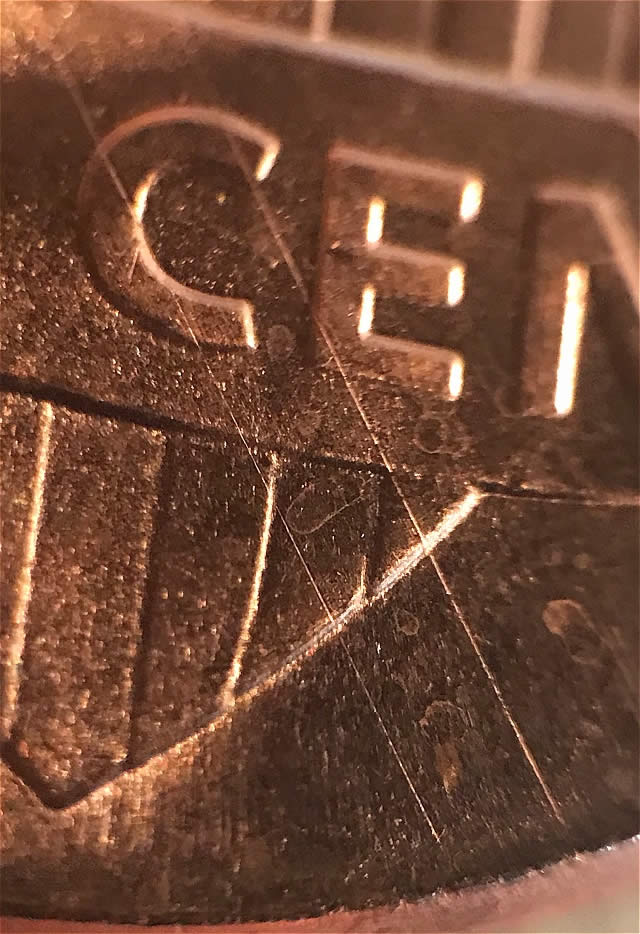
Dug into the whole design, not a striking or die error, PSD of some formNow that I see close, it is a flawed planchet. Whether it was done in/by the upsetting mill is unknown. it is not a die/feeder finger, because the indents follows the design, had to be there first. Feeder finger scratches the field level of the die face. Edited by Crazyb0
05/15/2018 8:46 pm
|
|
Pillar of the Community
 United States
2567 Posts |
Thanks again crazy, I didn't even think of that. I've got a couple more I'm certain about that I'll post soon.
|
|
Bedrock of the Community
United States
17884 Posts |
If he has multiple piece withthe same lines in the same place it isn't a flawed planchet. Another reason I doubt it is a flawed planchet is because it is visible with little or no change on both the fields and relief areas. The lines appear to be raised which would indicate either a die crack, or a die scratch. Something that caused a scratch would typically have scratched either just the fields or if it did scratch both the fields and devices the scratch in the fields would be deeper. A crack on the other hand could be the same on both fields and devices but it would be rather strange to have a crack so straight, long and thin. I wondered about a scratched die blank, but I would expect again the scratch would be crushed in some areas and not others so that doesn't fit either. A scratched hub would do it, but scratching a hub and keeping contact with the surface of the hub the whole way and not having small gaps from field to relief ares is unlikely.
Considering all that I would have to come down on the side of a die scratch.
If his other coins DON'T show the "defect" in the same place then I'll have to reconsider.
Edited by Conder101
05/16/2018 5:00 pm
|
|
Rest in Peace
10197 Posts |
Conder, How can a die scratch follow perfectly the rise and fall of design elements as it is here? If a sharp point say was drug across the die face in a straight manner, would it not dip down and have a linear side to side motion corresponding to the up and down motion? That I don't see. I see a straight indention that follows the up and down as would a pressed image. Why I said planchet problem. Although, I will give you I don't get why more of the lines weren't pressed completely away, now that don't make sense unless the scratches were quite deep.
|
|
Bedrock of the Community
United States
17884 Posts |
In order to create a die scratch like that it would have to be something very fine, due to the thinness of the line and the fact that it gets down into small recesses in the die. It would have to scratch across the die slowly so it had time to drop down into the die recesses and then back out again rather than jumping across small recesses from field to field, or having a break in the line where it jumped down from the field to be bottom of the recess a short distance from the edge of the recess.
He mentioned having more than one example. It would be important to see another one to see if the lines are in the same place. It they aren't then it isn't a scratch or a crack.
|
|
Bedrock of the Community
United States
62064 Posts |
But did he say that all the examples look like that, or just that one coin looks like that?
|
|
Bedrock of the Community
United States
79394 Posts |
Coop, Willburton said he has others in the same die State with the same exact marks. Although, he didn't say how many other examples he has.
Errers and Varietys.
|
| |
Replies: 7 / Views: 1,164 |
|









 Posted 05/15/2018 9:22 pm





