| Author |
 Replies: 13 / Views: 4,592 Replies: 13 / Views: 4,592 |
|
|
New Member
United States
39 Posts |
Are IMPROPER ALLOY ERROR coin valueable
your throught will be appriciated
|
|
|
|
Pillar of the Community
United States
3507 Posts |
Hi,
It depends on the coin, it depends on whether it is or isn't. Many coins thought to be an improper alloy mix are just discolored coins.
It depends on whether the coin might or might not be struck on a planchet intended for another type of coin.
Or it could be normal. For example, early lincoln cents sometimes have a "wood grain" appearance due to alloys improperly mixed.
So without more of a description or a picture of the coin, and with the possibility that the coin could be identified incorrectly as an Improper Alloy Mix, it is impossible to answer your question as it is.
Thanks,
Bill
|
|
Moderator
 United States
16694 Posts |
|
|
Rest in Peace
United States
2684 Posts |
There's also the consideration that a coin may merely appear to be an improper alloy such as the stated example of Lincoln cents by FoundInRolls, e.g., freshly oiled dies or planchets will often impart an anomalous coloration.
Further, how would it be determined than an alloy is improper except by taking a specimen from the coin and metallurgically analyzing it thus destroying whatever value it might have?
Fred
|
|
Pillar of the Community
United States
3507 Posts |
Hi Fred,
In some cases, a test for specific gravity can help to determine what the coin might or might not be made of.
Thanks,
Bill
Edited by foundinrolls
07/05/2008 7:50 pm
|
|
Pillar of the Community
United States
7123 Posts |
I agree that a specific gravity test can tell you if the coin is on a wrong planchet, I'm not so sure about just an improper mix of metals ? I guess it would depend on if the the metals used were incorrect or if just the proportions were off.
what coin are we talking about ?
that would be a good place to start !
|
|
Bedrock of the Community
United States
62064 Posts |
Colors can be distorted with cleanings/heating/electroplating and they would not enhance value at all. They just turn normal coins in to culls. So is the metal really different on a copper plated 1943 steel Cent when plated? It would still stick to a magnet, giving the heads up that it is steel.
|
|
Pillar of the Community
United States
1807 Posts |
I have a 1979-D with the appearence of wood grain. Can't post a picture, something about website can't display page. Oh well I figure it out.
|
|
Rest in Peace
United States
2684 Posts |
To answer the original poster's question, an improper alloy coin would have increased value over a standard coin of the same issue but only IF the person who collects such coins wants it badly enough. I have no idea how large this field might be. For myself, I seldom collect errors but I'll pay top dollar and then some for a particular subway token if I want it badly enough. Still mulling over a 1943 Seattle token on which I got outbid...
Fred
|
|
Moderator
United States
16694 Posts |
I have a 1930 Lincoln Cent that is improper alloy. "Wood grain" streaks. I will post tonight when I get home from work. swcoin.ecrater.com
|
|
Valued Member
Philippines
53 Posts |
Hi all, Just curious on woody grain cents in LMC, does it mean that the planchet has an improper alloy mixture ? Is this kind of a variety or just a mint error ? Does it command a premium in coin collecting world. I'm looking forward to see a pictures of a woody grain cents. Regards, noel biscocho |
|
Valued Member
United States
381 Posts |
Edited by jeffreyice1
07/06/2008 10:28 pm
|
|
Pillar of the Community
United States
4113 Posts |
What is this 1929 Wheatback? I found this about 6 months ago in rolls of cents. Reading this post- and seeing vermontensium's 1930 coin  Is this a possible Woodgrain Lincoln Cent? 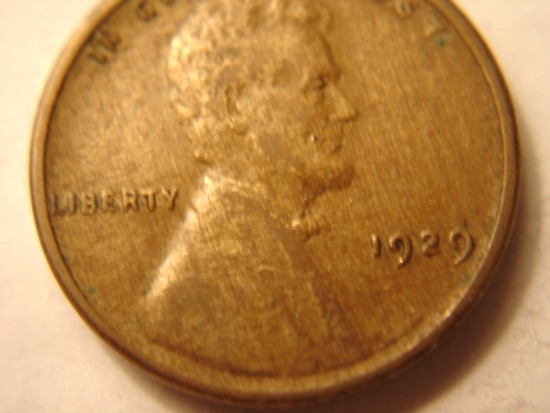 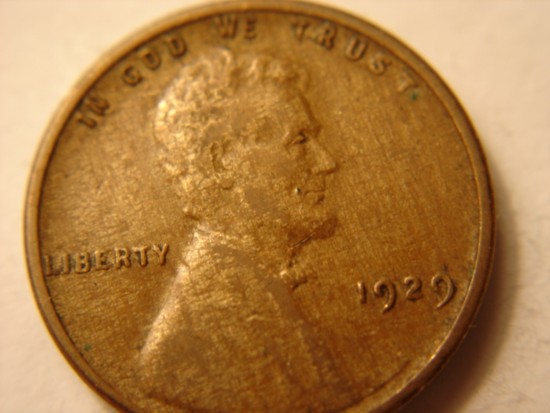 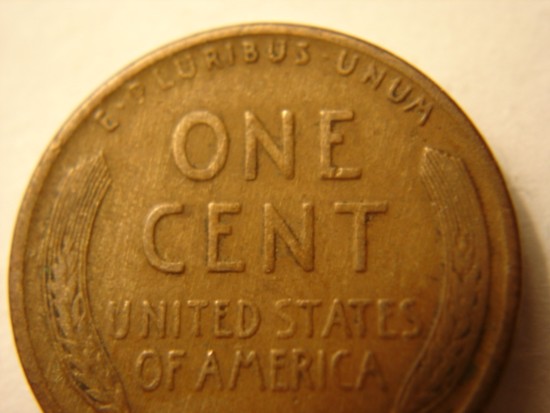 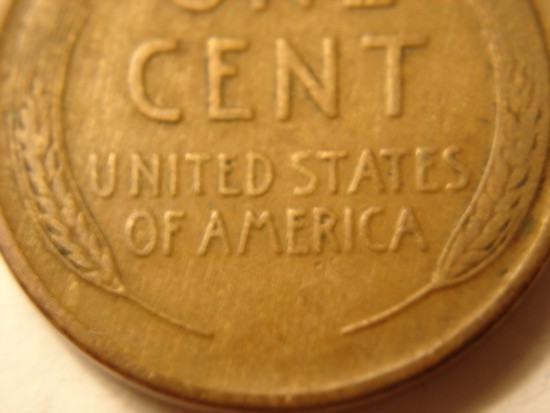 |
|
Bedrock of the Community
United States
17884 Posts |
Copper has a high melting point, tin and zinc have much lower ones. If the metal is not kept mixed, or if it cools too much during the pour, or if the ingots cool too slowly alloy will not be homogenous and the metals will start to separate somewhat. This means that when the roll out the ingot some areas will be higher in tin/zinc than other areas. Since the ingot is rolled and stretched out these areas will be in the form of streaks. These areas of high and low tin/zinc content will often tone at different rates. (areas of high tin/zinc content tend to be more resistant to toning) This results in the "woodgrain" pattern we see on the coin. I wouldn't call it a mint error, just sloppy foundry work.
|
| |
Replies: 13 / Views: 4,592 |
|







 Posted 07/05/2008 6:32 pm





