| Author |
 Replies: 16 / Views: 2,250 Replies: 16 / Views: 2,250 |
|
Pillar of the Community
United States
4113 Posts |
|
|
|
|
Pillar of the Community
 United States
4113 Posts |
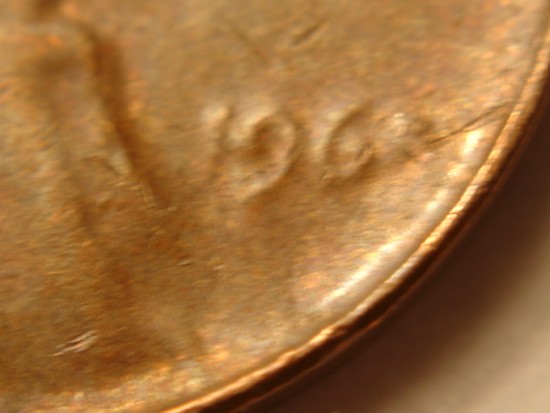
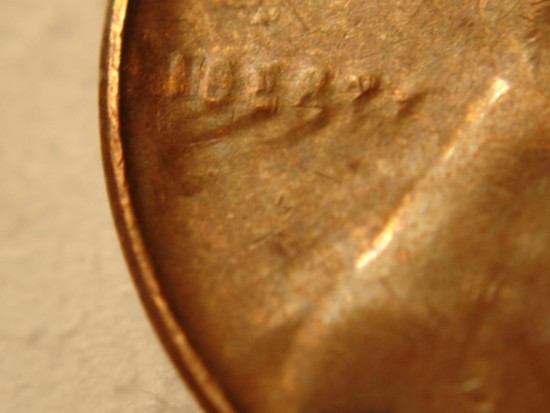
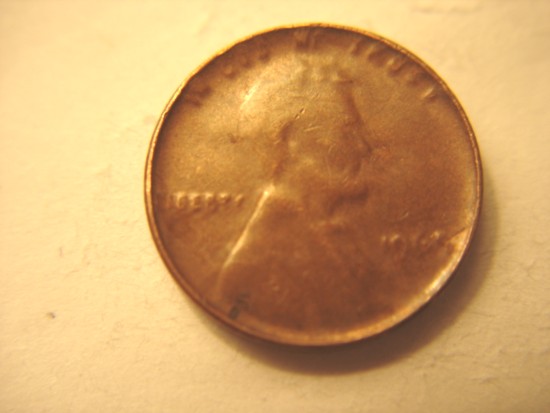
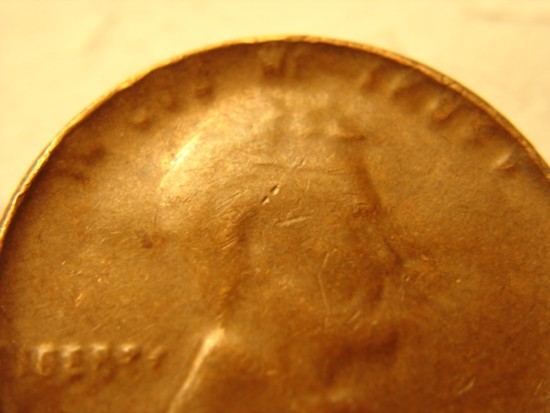
I don't think this was caused by acid. Coin weighs 3.05 Grams- the other 3 coins I tested as far as thickness of the rim were a 1980 that weighed 3.07 Grams, a 1978 that weighed 3.08 grams and a 1962D that weighed 3.03grams Here is a picture of the 4 coins lined up From left to right 1.The coin in question 196? 2.1980 3.1978 4 1962d The coin is as thick if not thicker than the other three. 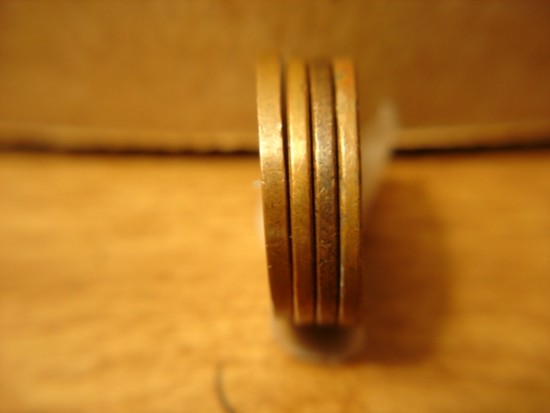 |
|
Pillar of the Community
United States
860 Posts |
A big glob of grease/gunk over the whole obverse seems most likely to me.
Jim
|
|
Rest in Peace
United States
1943 Posts |
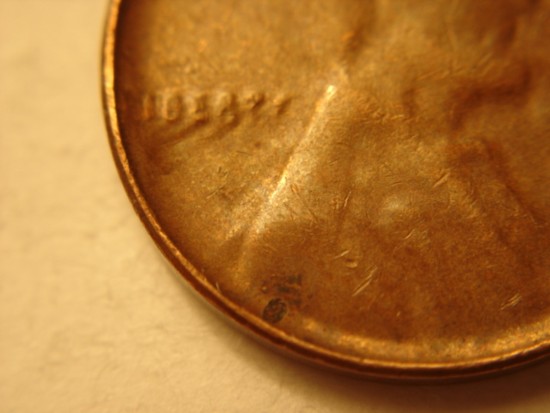
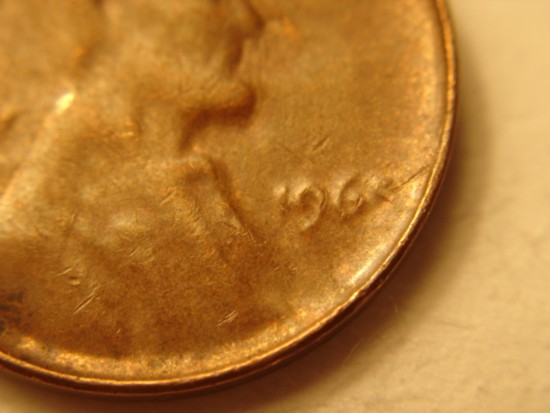
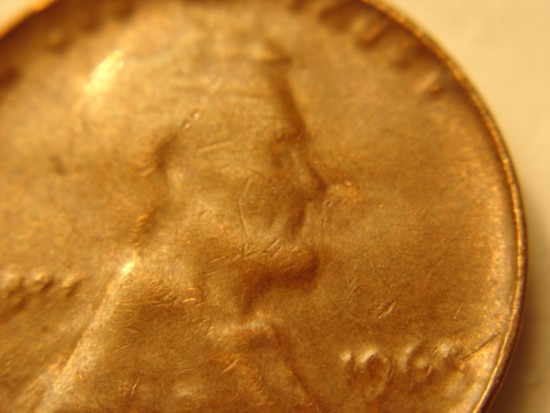
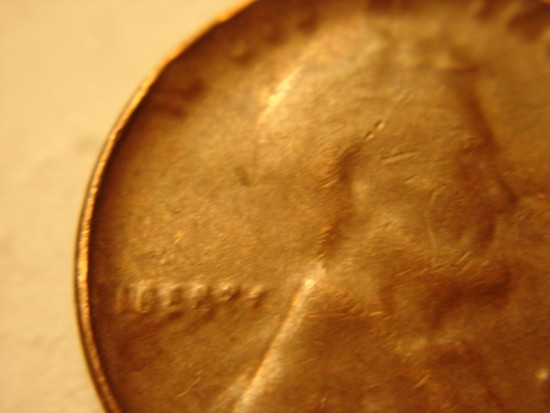
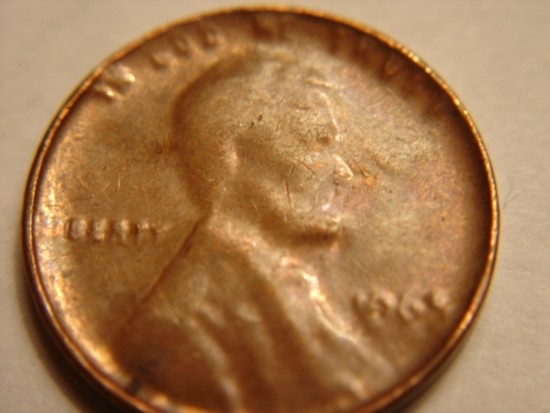
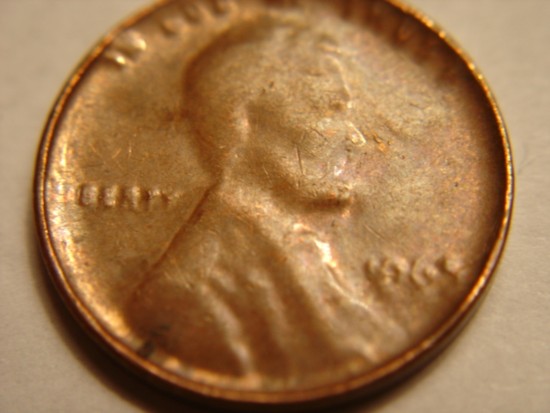
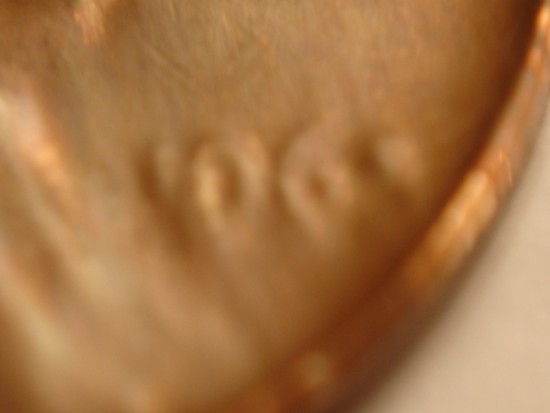
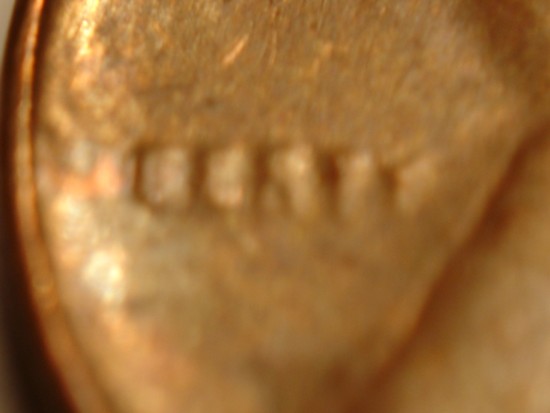
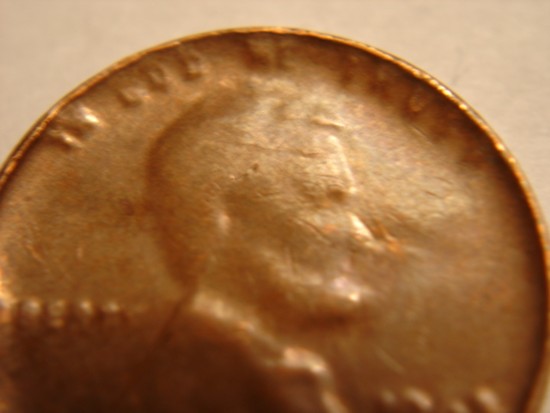
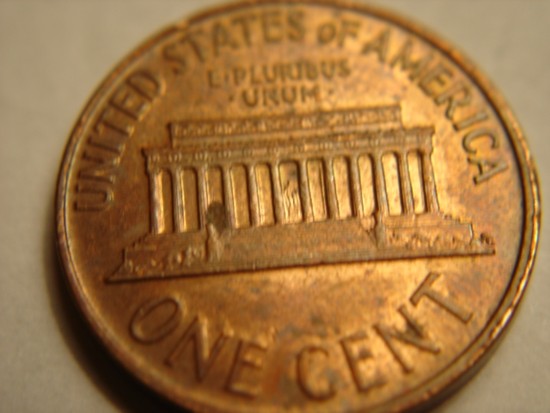
This looks to me like a full obverse brockage struck thru a late stage die cap.
|
|
Pillar of the Community
United States
4113 Posts |
|
|
Pillar of the Community
United States
4113 Posts |
|
|
Pillar of the Community
United States
526 Posts |
Struck through a late stage die cap.
BJ Neff
Edited by BJ Neff
07/11/2008 11:58 am
|
|
Valued Member
United States
405 Posts |
|
|
Valued Member
United States
405 Posts |
pyrbob - where do you see evidence of brockage?
|
|
Pillar of the Community
United States
2751 Posts |
A die cap is a coin that sticks to the die (in this case the hammer, or obverse die) and strikes a succession of planchets. As it does so it wraps around the neck of the die while the floor thins out, permitting a ghost image of the obverse design to bleed through. The coin is clearly a generic capped die strike -- struck by a late-stage die cap.
Error coin writer and researcher.
|
|
Pillar of the Community
United States
4113 Posts |
Thanks to all that responded!
Thanks Mike for the die cap explanation
Next question obviously - is there any extra premium value to this coin since it's not post mint?
Chuck.
|
|
Valued Member
United States
405 Posts |
Follow up questions:
1. What is the difference between a die cap and a brockage? Or is a brockage the result of a strike from a die with a die cap?
2. Would earlier struck coins from this die cap show an inverse image of the obverse?
|
|
Rest in Peace
United States
1943 Posts |
A brockage is a coin that is struck from another coin. Sometimes a coin will not eject from the coining chamber and the planchet in the chamber gets struck with the unejected coin between the hammer die and the planchet giving a brockage strike. This strike can be centered or uncentered depending where the unejected coin is laying. When a coin does not eject from the chamber but instead sticks to the hammer die the new planchet enters the chamber and is struck normally by the anvil die on one side and is struck by the unejected coin on the other side. This would be a centered brockage and would the same on both sides (tails-tails or heads-heads). As the unejected coin continues to stick and strike coins the design it is striking will fade away and the design of the hammer die will bleed thru the unejected coin as this coin thins out and wraps up around the die. So the first coins were struck from this cap were tails-tails and then faded back to this coin. Maybe it is redundant to call a capped die strike a brockage struck thru a capped die but it's just what I was told they were in the past.
|
|
Rest in Peace
United States
1943 Posts |
Also as I reread your question SeattleMD I saw I forgot the word inverse. You are right, the first images on the brockage would be inverse but would be the reverse image instead of the obverse.
|
|
Valued Member
United States
405 Posts |
Cool - makes sense. Thanks Mike / Pyrbob.
|
|
Valued Member
United States
236 Posts |
The strong reverse is another indicator that it was caused by a die cap or a Grease Filled Die. In this case I doubt that it was a Grease Fill because the full face of the obverse die would have to be evenly covered with grease and I haven't seen one of them persona;;y, but I'm not saying it doesn't happen. John Booth |
| |
Replies: 16 / Views: 2,250 |









 Posted 07/11/2008 04:45 am