| Author |
 Replies: 9 / Views: 1,932 Replies: 9 / Views: 1,932 |
|
|
Valued Member
United Kingdom
79 Posts |
I have few queries concerning Spanish reales that I hope you all can help me with.
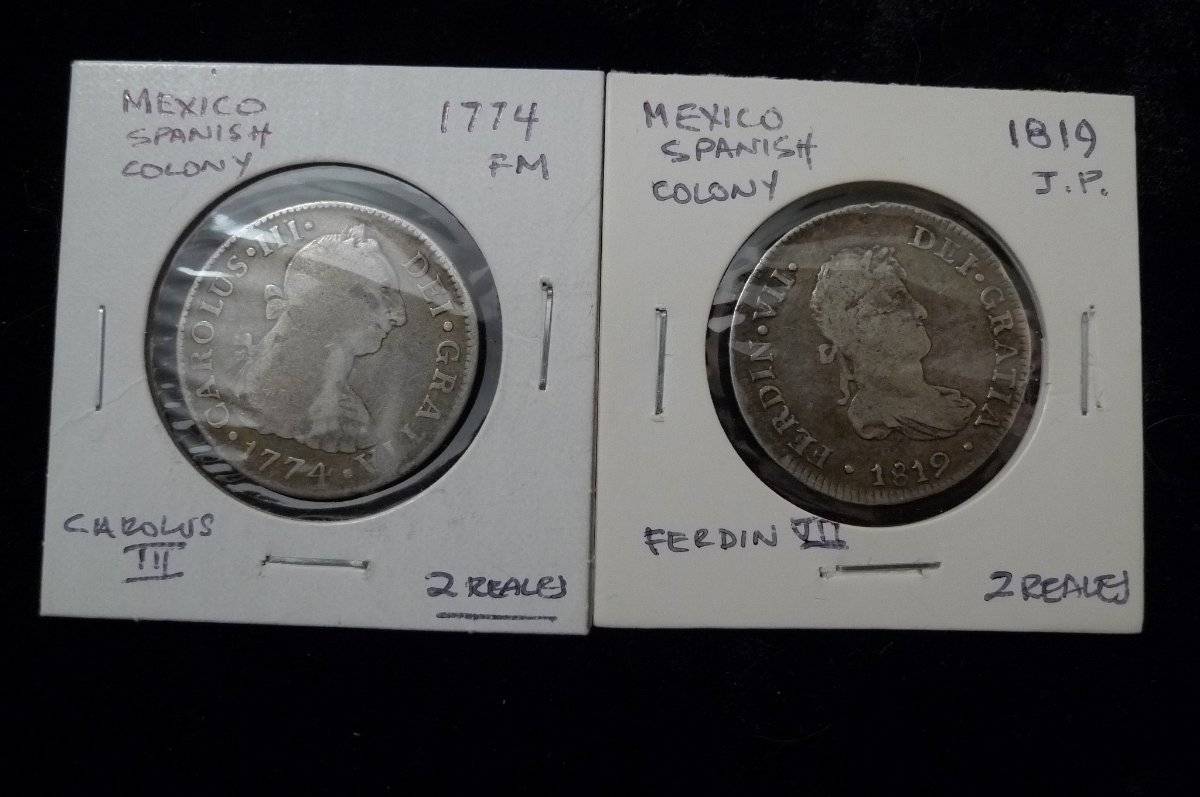
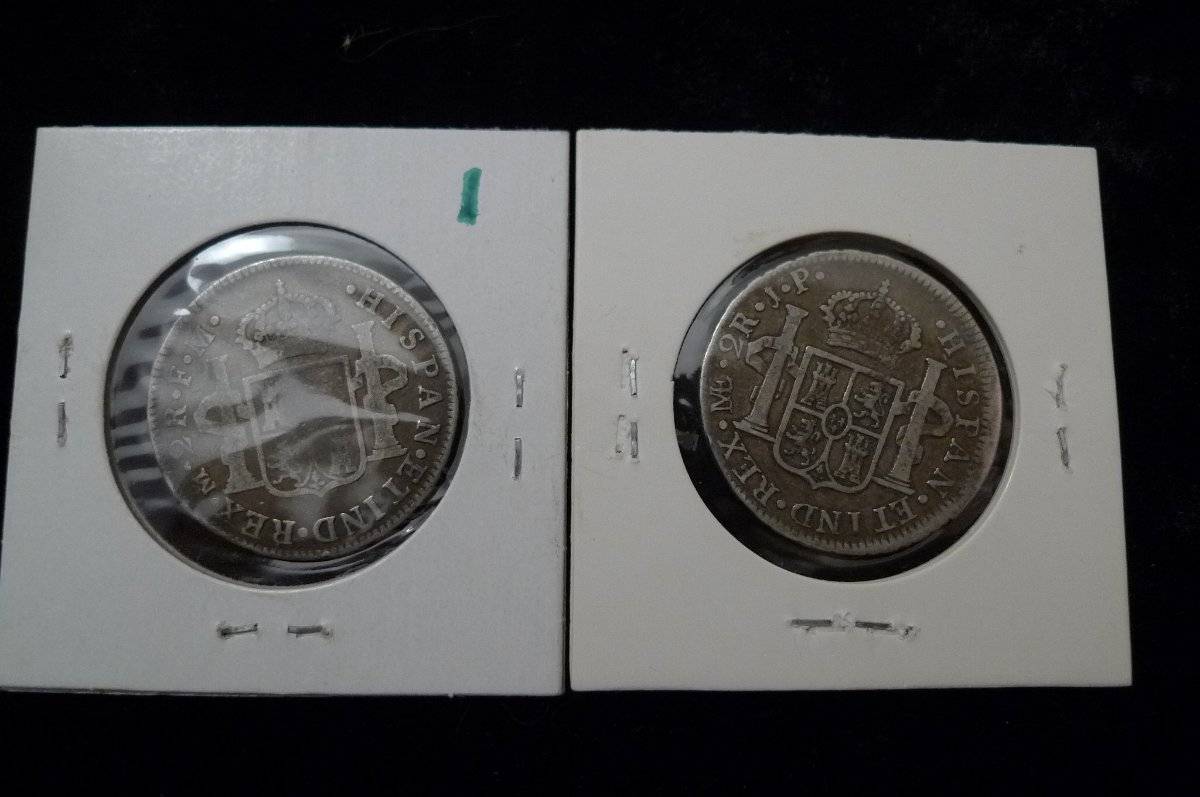
As a long time collector of Napoleonic coins I also therefore have an interest in Spanish coins of the period (Charles IV and Ferdinand VII although I do have some Charles III) however these do not seem to be as popular as the equivalent colonial issues - any idea why this is? Just not in the Americas?
Fortunately my interest is in the smaller silver issues as high grade 8 reales look to be beyond my budget and like my original collection of British sixpences these seem to be less well documented and pose a bit of a challenge with the opportunity to make new discoveries. Compared to say Mexico there seem to be very few high grade coins and/or slabbed coins (not that that is any guarantee) for the Spanish issues so I will have to purchase raw coins so do these lower denomination issues suffer from the same level of fakes as the more common colonial 8 reales?
Any thoughts would be much appreciated!
|
|
|
|
Pillar of the Community
778 Posts |
Hello to the Forum, Courtois!
I have been collecting the silver coins of Spain, Ferdinand and Isabella through Ferdinand VII, by type, for years.
Along the way, I've learned much of interest about the history of the country.
I have had no interest in slabbed coins, and, in fact, am happy any pieces in gVF or better. (Most of my purchases were from Spain, and one finds no profesional graded coins being sold there).
I recommend getting various numismatic books, including those by Calico and Trigo, Oliva and Sanchez, and Cayon and Castan.
I no longer purchase coins, but will be happy to share my experiences and show samples from my collection.
Feel free to write to me at any time.
Happy collecting,
Bill
|
|
Pillar of the Community
United States
3357 Posts |
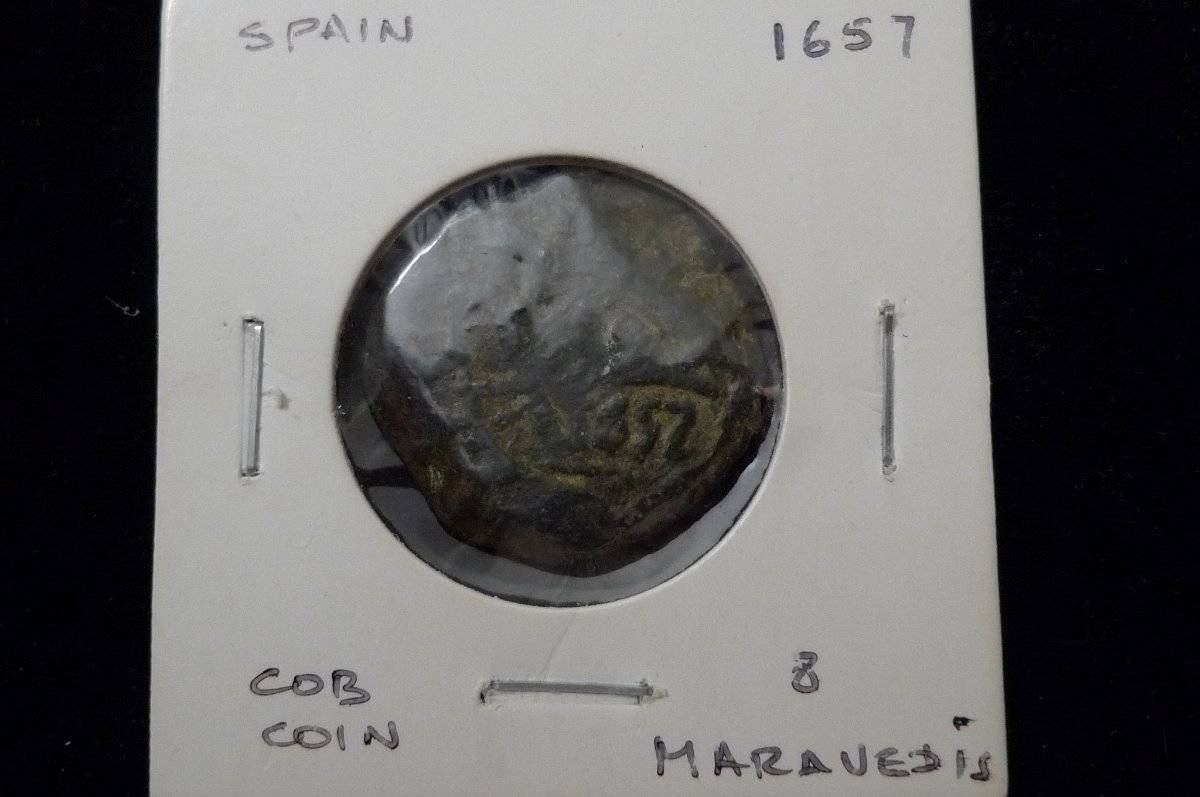
The Spanish-minted coins do not have the association with piracy and shipwrecks that the colonials have. I think that this renders them interesting to a much smaller group of specialist collectors. It also makes them less interesting to modern counterfeiters. My interest is primarily in the colonial cobs, mostly for their eccentric one-off appearance. The relatively low priced 1/2 reales with the regal monograms are fascinating. Here's a fairly scarce 1725 Luis I.  I have had good dealings with Rondomons over the years for early Dutch coins. They have a fair offering of Spanish coins as well. http://www.rondomons.nl/index.php?p...ins&pid=1042"Two minutes ago I would have sold my chances for a tired dime." Fred Astaire
Edited by thq
11/12/2018 06:26 am
|
|
Pillar of the Community
778 Posts |
Since you collect the coins of Napoleon, you may be interested in those of his older brother in Madrid - 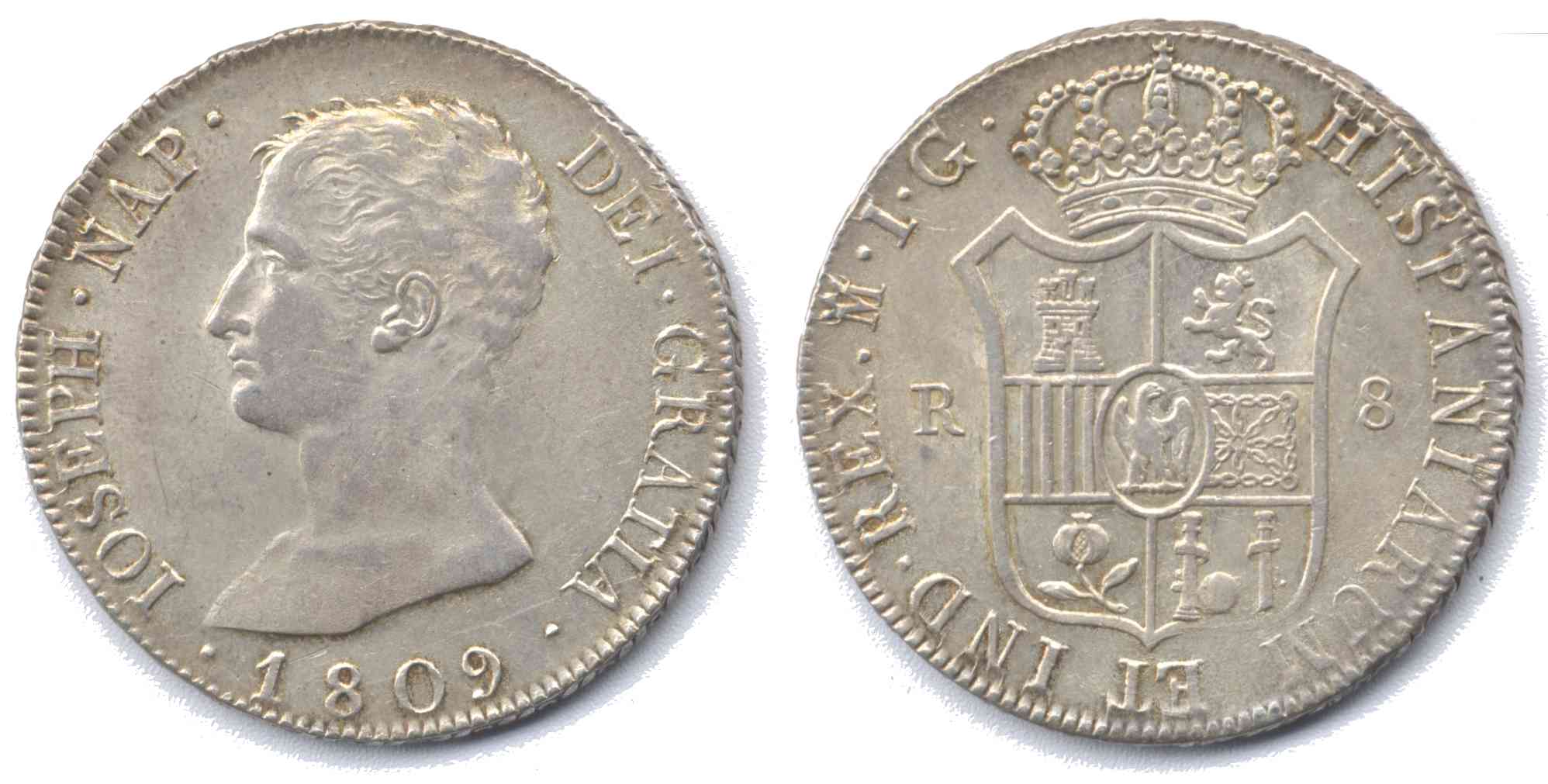 Bill |
|
Pillar of the Community
United States
1156 Posts |
The Spanish coins were not minted in the quantity that the colonial coins were. My guess it that this is the main reason that you see them less frequently. The minors were more used in everyday transactions and thus would be pulled from circulation as they wore down -- 8 reales were more of a Trade dollar. If you are interested in going back a little farther into the 18th century, the pistareen has a fascinating history. I understand the pistareen was extensively counterfeited during its life. As far as numismatic forgeries go (modern fakes) you can't assume any type is immune from forgers but I don't know enough to comment on how prevalent this may be with late Spanish Empire minors. Edited by jgenn
11/11/2018 9:53 pm
|
|
Bedrock of the Community
Canada
24885 Posts |
|
|
Pillar of the Community
United States
5362 Posts |
 Courtois CourtoisI began collecting Mexican 8Rs in 1960 as a kid and shortly thereafter I found that the counterfeit types were more interesting, relatively common and definitely cheaper than the genuine coins. As I grew to adulthood, I learned more about the series and discovered why counterfeiting of this series happened so often. The colonial 8R series was issued in extremely high numbers and served as a world trade coin for over 100 years. Because the coin was familiar all over, counterfeiters in many countries made these coins. The minor coins tended to circulate in the country of origin and they tend to have been counterfeited in much smaller numbers. Continental issues were made to circulate and not to export silver as a raw material. They were at times debased and never were popular coins on world markets. For that reason counterfeits are less common. They do however carry higher price tags. |
|
Valued Member
 United Kingdom
79 Posts |
Thankyou all for your comments, looks like I may have set myself a challenge. Bill - I am a bit of a fan of books and have many on British, British Colonial, French and French Colonial coins and general world coins but I am lacking specialist books on Spain, I will look into your recommendations and others that have been mentioned whilst I have been trawling through previous threads. All of the coins and medals of the Napoleons are of interest (Joseph in Spain, Jerome in Westphalia, Louis in Holland and the issues for the Kingdom of Italy and the associated Italian States - fascinating period in history. At the moment it is only my typeset for the French issues that is nearly complete with Westphalia probably next. thq - I have looked at the cobs but the diversity I just couldn't cope with, I struggled with British hammered and settled on milled issues! jgenn - the provinical and earlier issues seem to be ideal for further research as they really tell the story of the region - I keep being drawn to the 'pretender' Charles III but am trying to maintain some wort of focus! Is the NGC Registry set yours? certainly something to aspire to. Dorado - the 2R is probably my favourite denomination (not too big and not too small) and I will be posting a query on one of these shortly. Swamperbob - I have read many of your excellent posts on the subject, highlighting there is a great deal to learn in what is a new area for me. British Trade dollars also have a counterfeit problem and, as it was these, many years ago, as part of my interest in British Colonial coins or Napoleon that was to move my collection beyond sixpences - I went for Napoleon. Surprisingly few fakes although the 10 centimes seems to most common counterfeit and others I have seen are very obvious unlike the 8 reales. |
|
Pillar of the Community
United States
5362 Posts |
One topic I covered in my book on contemporary counterfeits of the 8R coins applies to all counterfeits that were intended to circulate. Quote:
Counterfeiters always target the coins that are the most commonly seen types. This is done because the average person does not look as closely at coins that are very familiar. The best chance of passing a coin is to make it blend in with what is seen every day and to make it "average circulated". Therefore the most commonly forged types will correlate very closely with the most common types of genuine coins. For the Mexican reales series that means 8Rs are most common followed by 2R and 1R. The 4R and 1/2R counterfeits are scarce by comparison. The most scarce silver types are the 1/4 reales typically worth more than the average 8R counterfeit. Another thing to be aware of is that many of the minor denomination counterfeits are more crude than typical 8R counterfeits and they are made in rather low grades. That is because they were made locally in Mexico. The minor counterfeits are actually easier to spot than 8Rs. The 8R was a much more valuable coin and more people watched for fraud. You definitely have set up a challenge for yourself. Good luck hunting. |
|
Bedrock of the Community
Canada
24885 Posts |
Potosi Bolivia Mint Silver 1773 Bolivia PTS J.R Carolus III Un real . 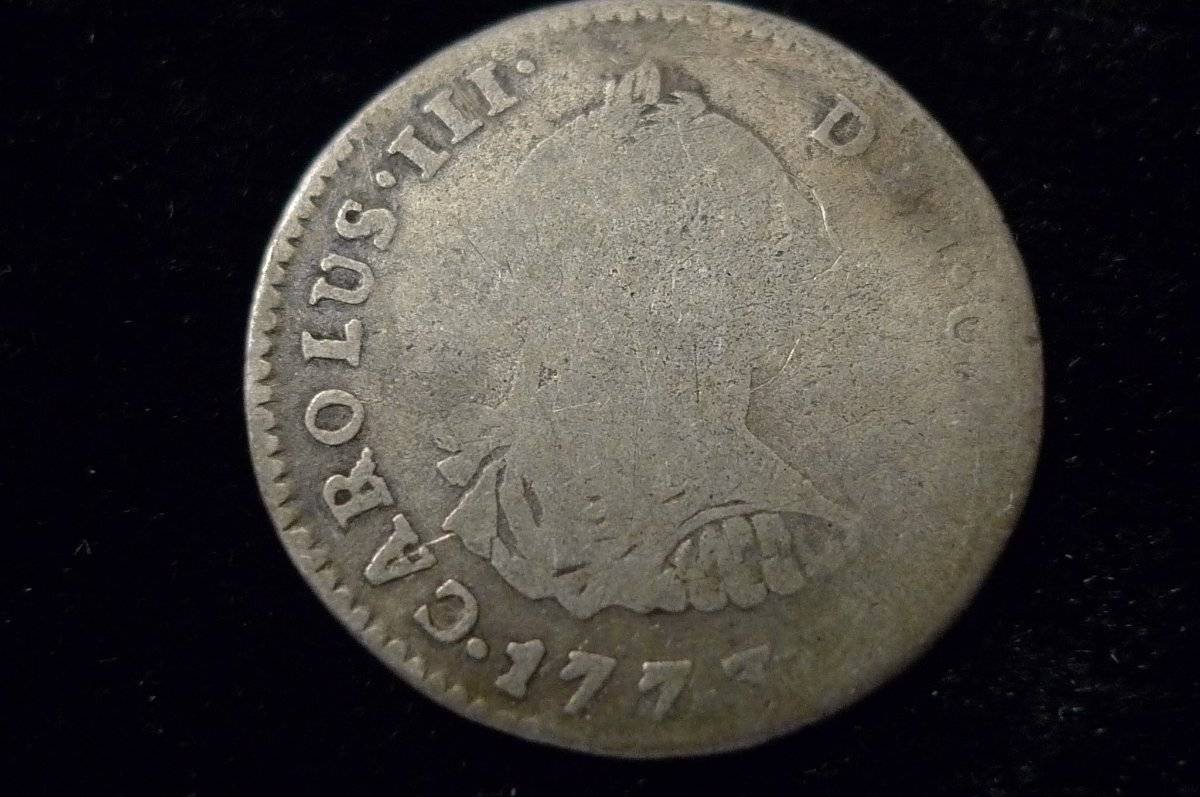 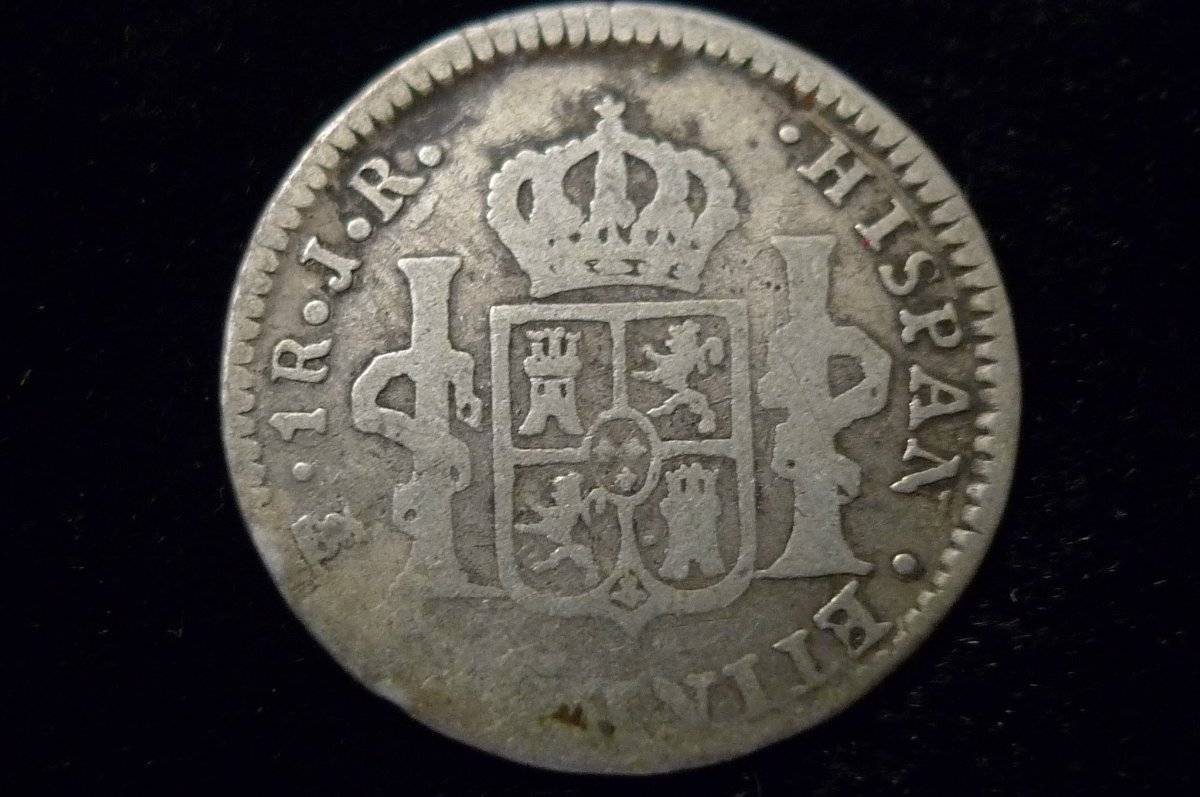 |
| |
Replies: 9 / Views: 1,932 |
|










 Posted 11/11/2018 6:32 pm