| Author |
 Replies: 12 / Views: 1,839 Replies: 12 / Views: 1,839 |
|
|
Valued Member
United States
68 Posts |
Was wondering if there were any experts out there on the Dickeson Continental Currency Dollar strikes. Looks like it COULD be legitimate. With doing some research, in the center circle on the obverse side the Dickeson example has 2 lines going across the center circle(like the one pictured) where the restrikes of Dickeson's only had the line above "Mind your Business" because of die degradation. Anyone have any theories? 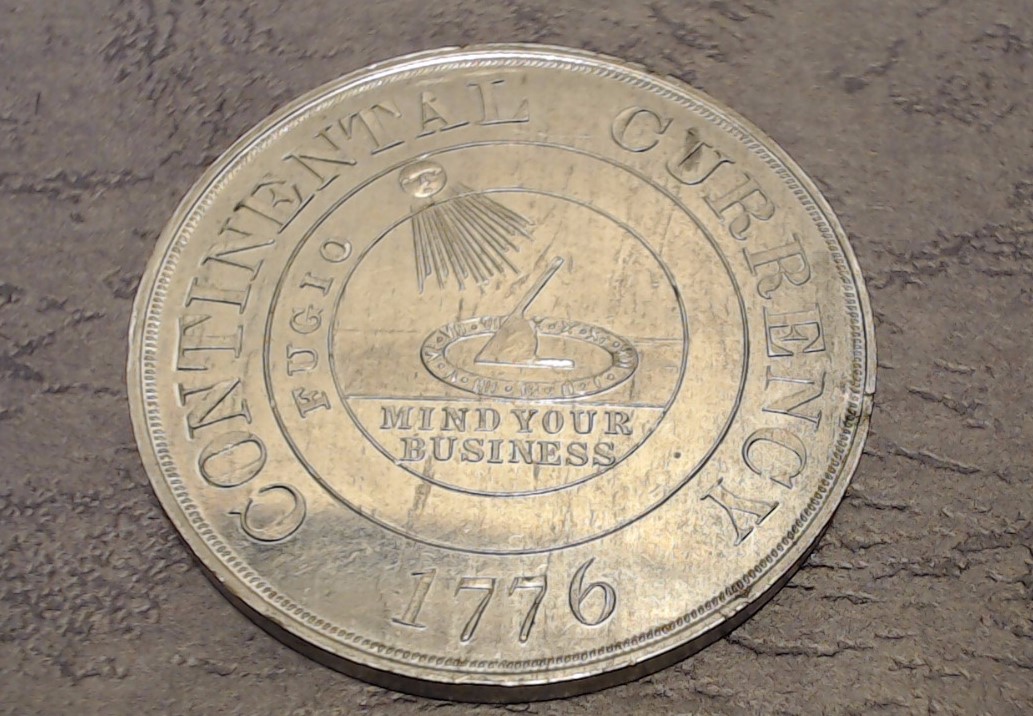 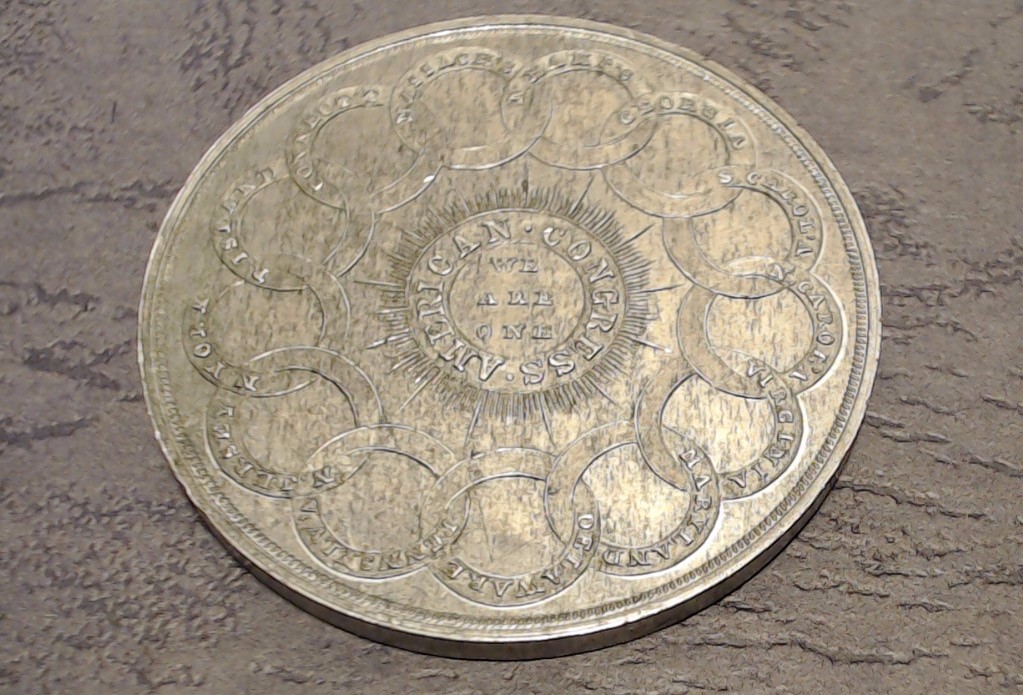 |
|
|
|
Pillar of the Community
 United States
906 Posts |
My theory is that you need better pictures.  This article was an interesting read. As a first step, I would get a closeup image of the rim detail. Edited to fix link. Edited by Jadey
11/29/2018 06:06 am
|
|
Valued Member
 United States
68 Posts |
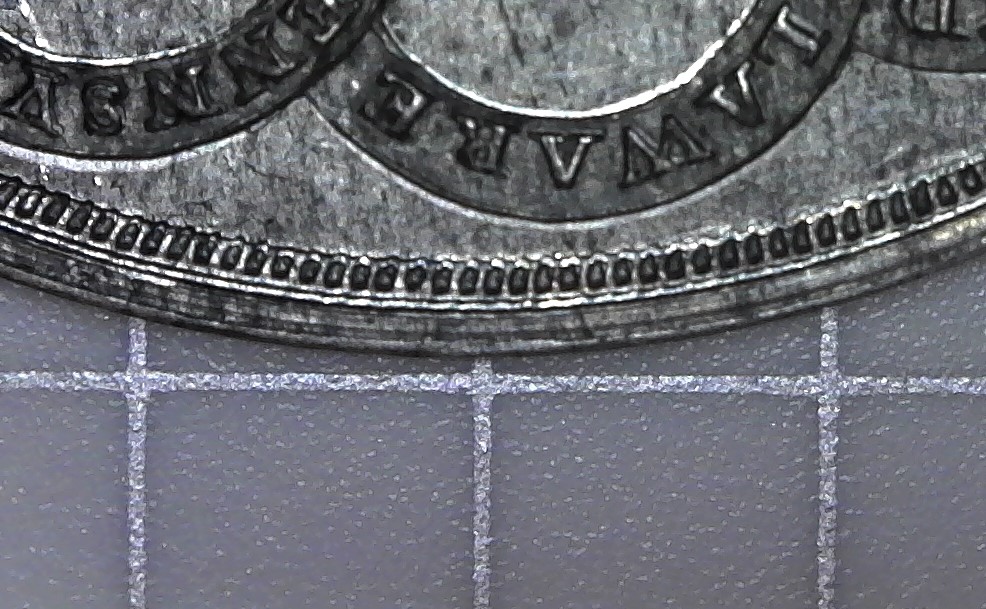
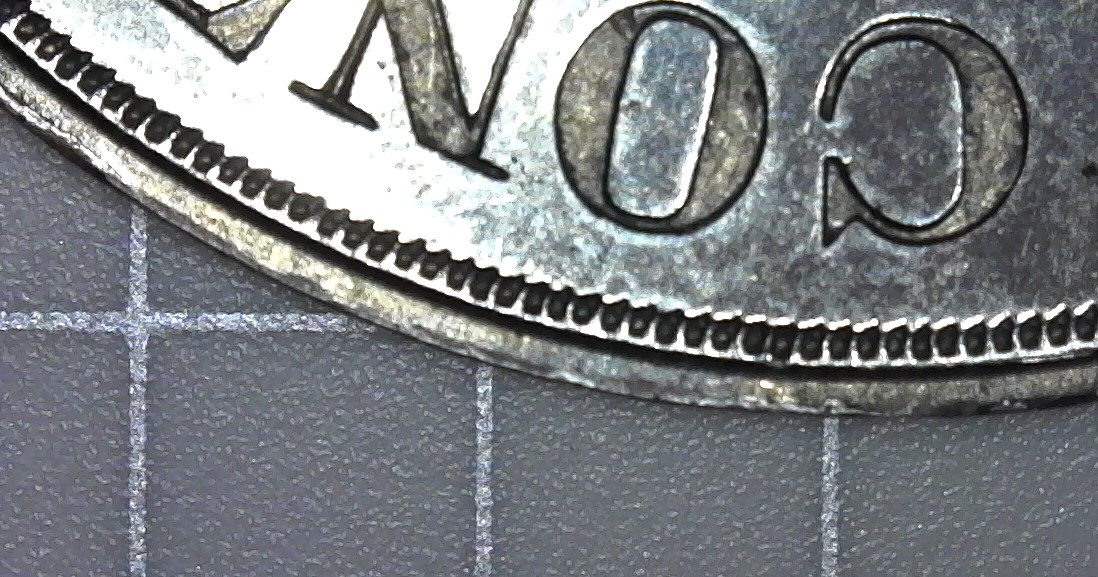
That is the same article I read last night. It is a good read. I overlooked the fact that the "lines" on the obverse I spoke of actually represent a table that I assume the sundial sits upon. But there are no die cracks or clashes that I can see, as they mention to represent strikes on the dies after Dickeson's death. But here are close pics to show the rim detail, as they are the same for each side. 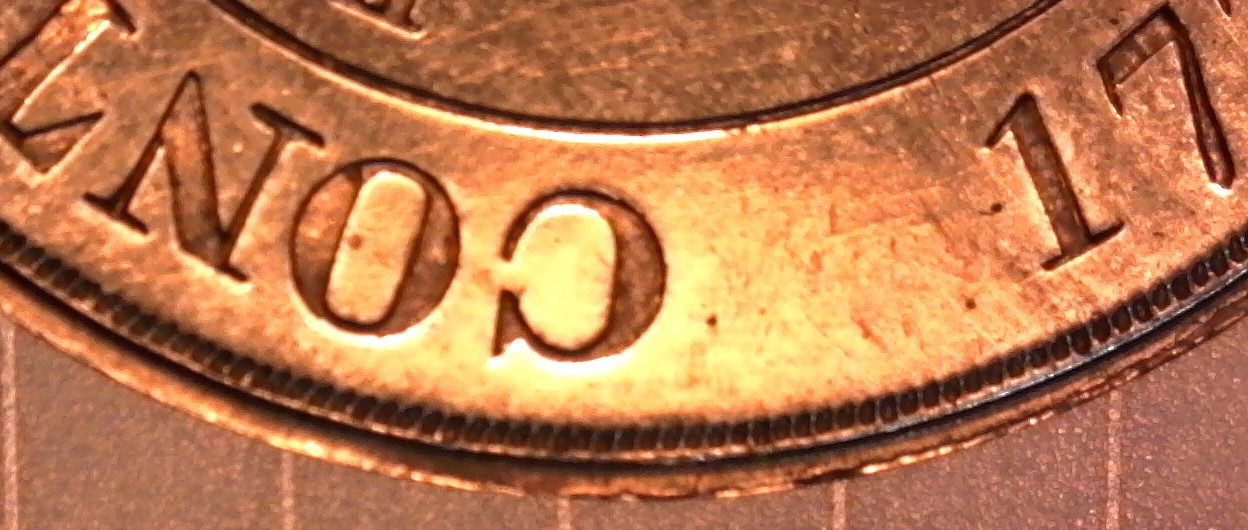 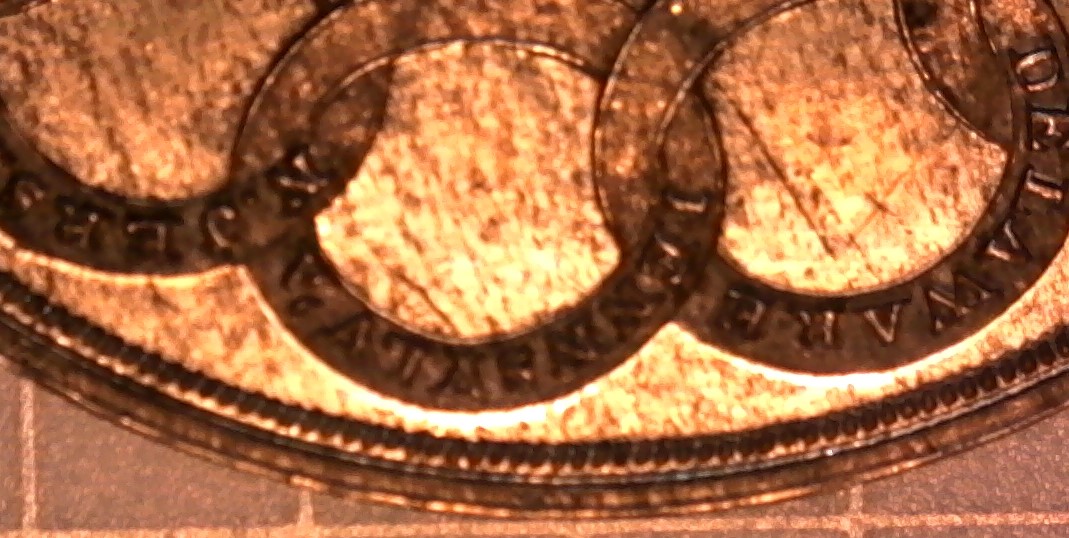 |
|
Pillar of the Community
United States
906 Posts |
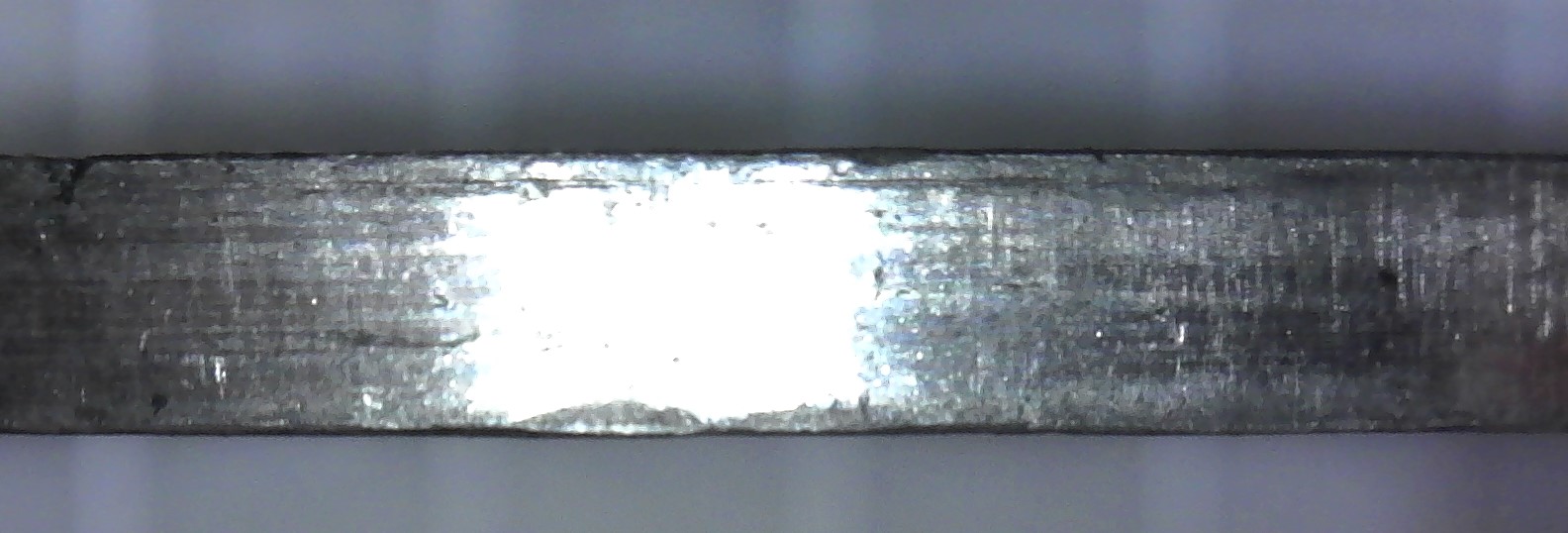
Those pictures are still pretty fuzzy. Yours appears to be silver, so I just noticed the following from that article: Quote:
Even the 1876 white metal, HK-854 pieces measure in around 3.75mm. The Bashlow and Bowers Restrikes were made on a standard, 2.5mm planchet stock and are much thinner, lighter, and easily discovered imposters. If you don't have access to calipers, a US Roosevelt dime stacked on a Lincoln Cent is roughly 2.8mm, so you could compare the thickness to that. |
|
Valued Member
United States
68 Posts |
|
|
Pillar of the Community
United States
906 Posts |
Just to be clear, I am no expert on anything numismatic, but I'll keep piping in until someone knowledgeable pops in, because I'm finding this interesting.
From the still fuzzy pictures, the rim details do seem consistent with the Dickeson 1886 copy shown in that article. It does state that each of the beads should show a doubled strike.
There are plenty of other characteristics identified in that article. You should probably be taking the clearest, closest images of each of those characteristics and posting those.
At 3mm thick it sounds too thin for the Dickeson copy. You can probably do some research to find the actual diameter and weight of the genuine coins.
|
|
Pillar of the Community
United States
8534 Posts |
Interesting, I have something similar only in copper. 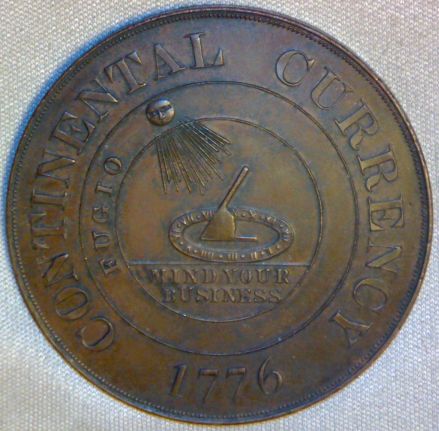 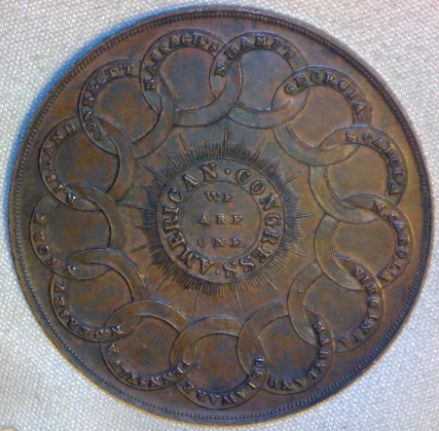 Oregon coin geek.....*** GO BEAVS ! ! ! ***
|
|
Pillar of the Community
United States
906 Posts |
Well in that case ... 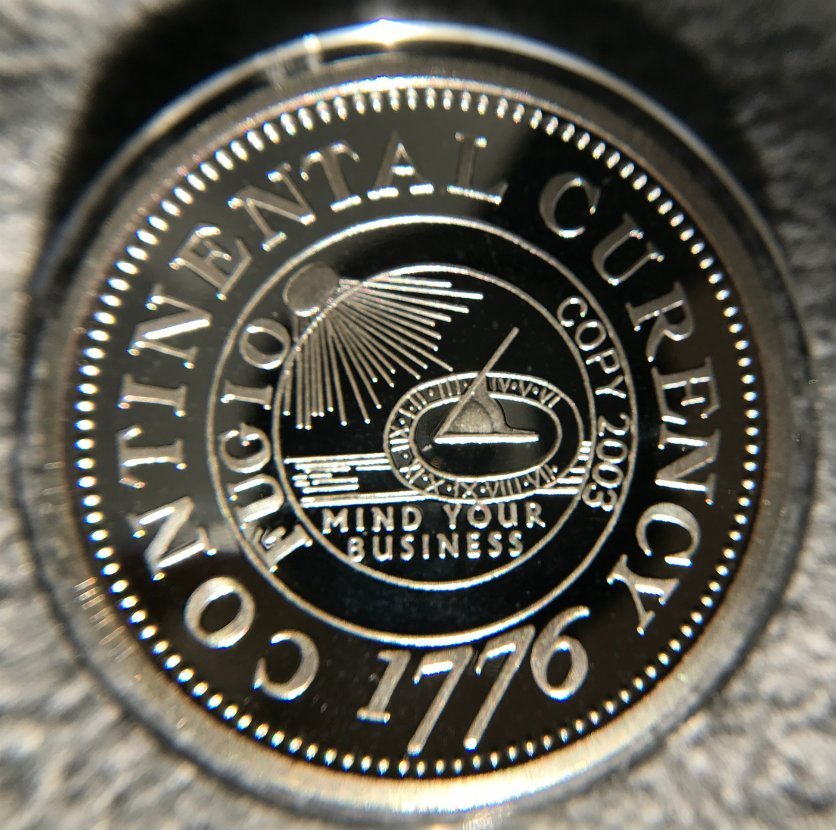 |
|
Pillar of the Community
United States
906 Posts |
@52Raymo
That's a beautiful coin.
|
|
Valued Member
United States
68 Posts |
I also have a goldine version 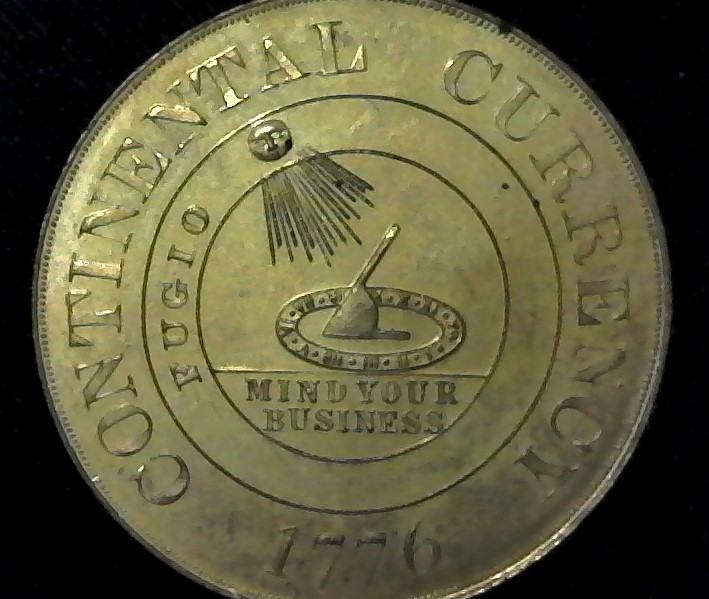 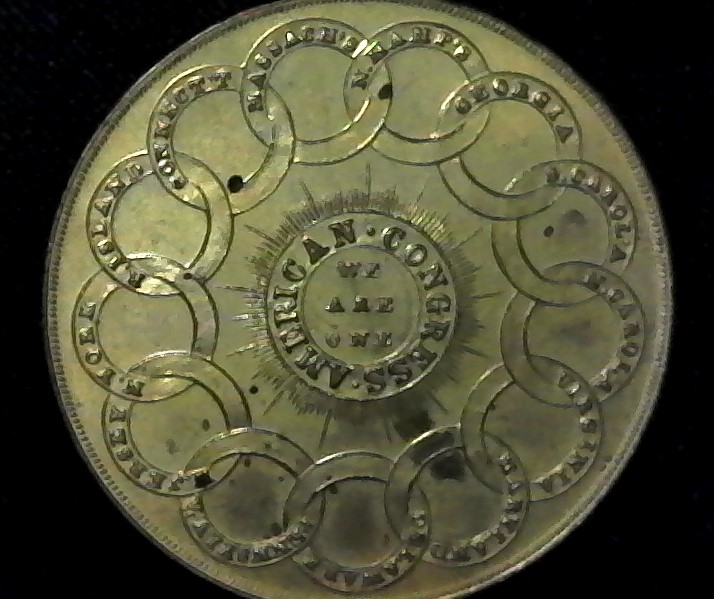 i got the 2 confederacy coins with these other colonials(see below), have to wait til the next TPG coin show to check them all for authenticity, or just send them in for authentication/grading 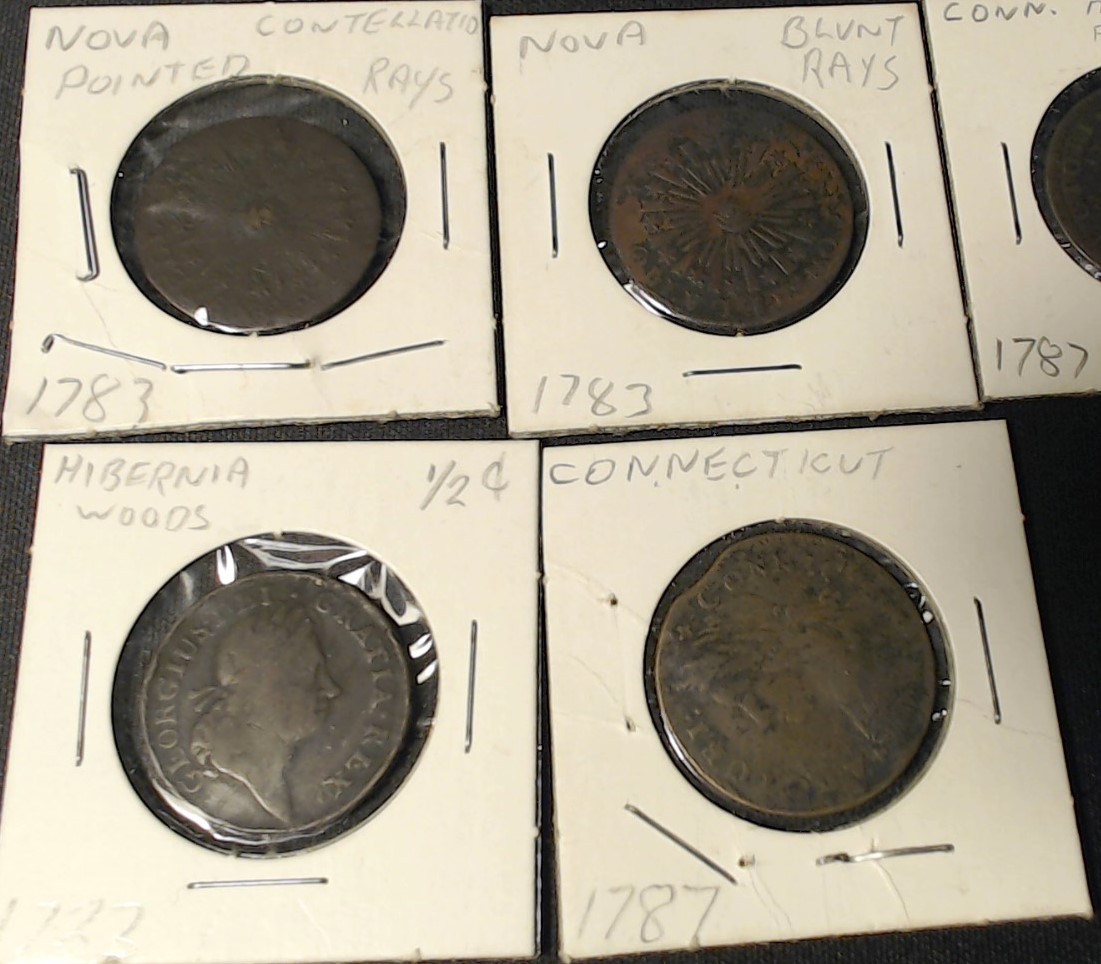 |
|
Pillar of the Community
United States
8534 Posts |
Thanks Jadey, like yours too.
Very nice J0b !
Oregon coin geek.....*** GO BEAVS ! ! ! ***
|
|
Pillar of the Community
United States
906 Posts |
I just noticed in this PCGS auction result that the white metal coin is claimed to be 3mm, which is different from what I read in the other article. So 38mm diameter and 3mm thickness seemed to pass the sniff test for NGC. |
|
Valued Member
United States
68 Posts |
Oh nice!! Thanks forr the info, Jadey. I did compare the thickness of the 2 types I have, the silver is certainly thicker than the goldine. So I suspect I have 2 versions. Yay me. Now to figure out which TPG would be best suited in this. I think I'll go NGC as you had mentioned. |
| |
Replies: 12 / Views: 1,839 |
|








 Posted 11/29/2018 08:11 am