Die States: Why are they important?
If you have been on the forum for some time, you probably have noticed that I prefer EDS coins over worn die examples. Many enjoys die cracks, die chips, die breaks and other events that happen on later die state coins.
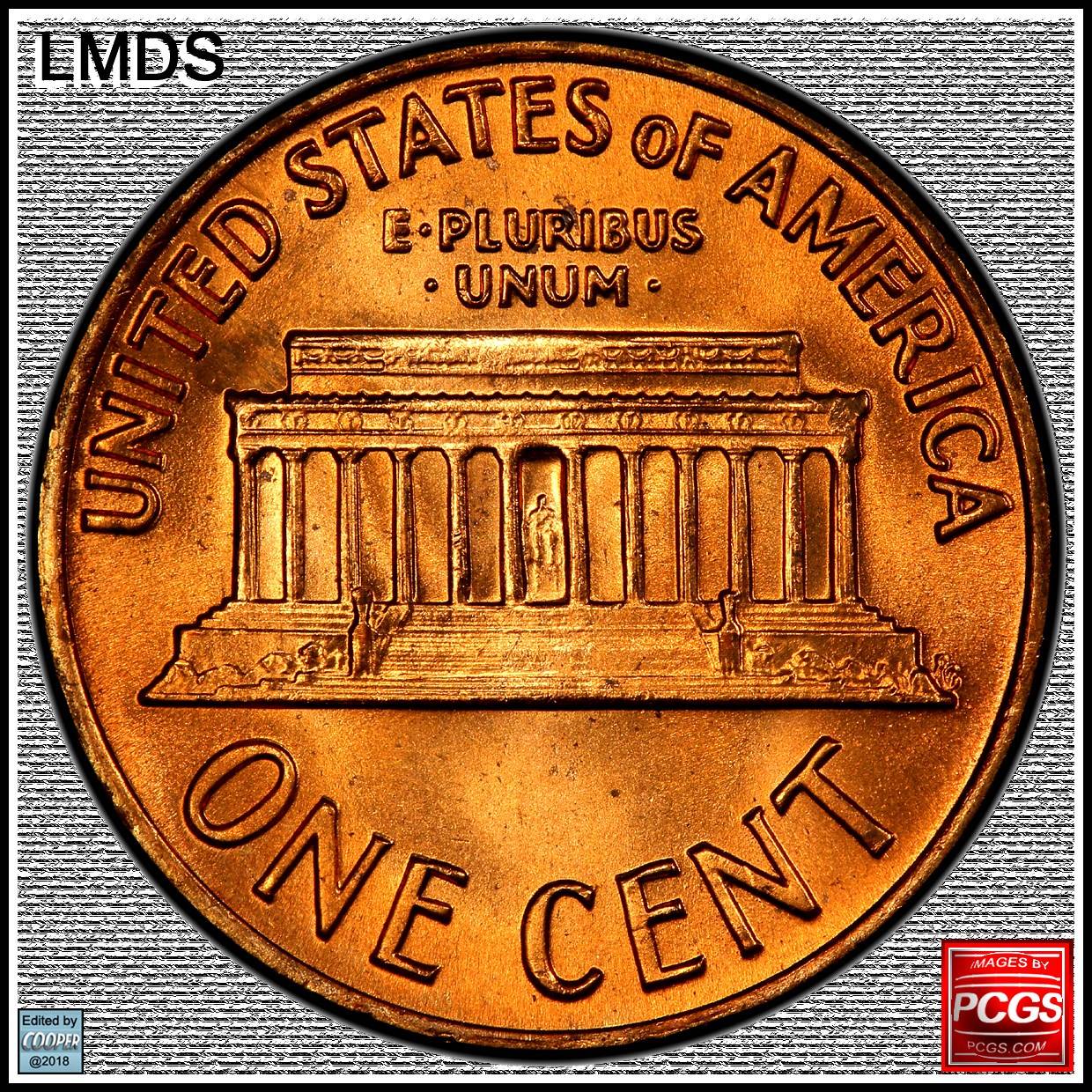
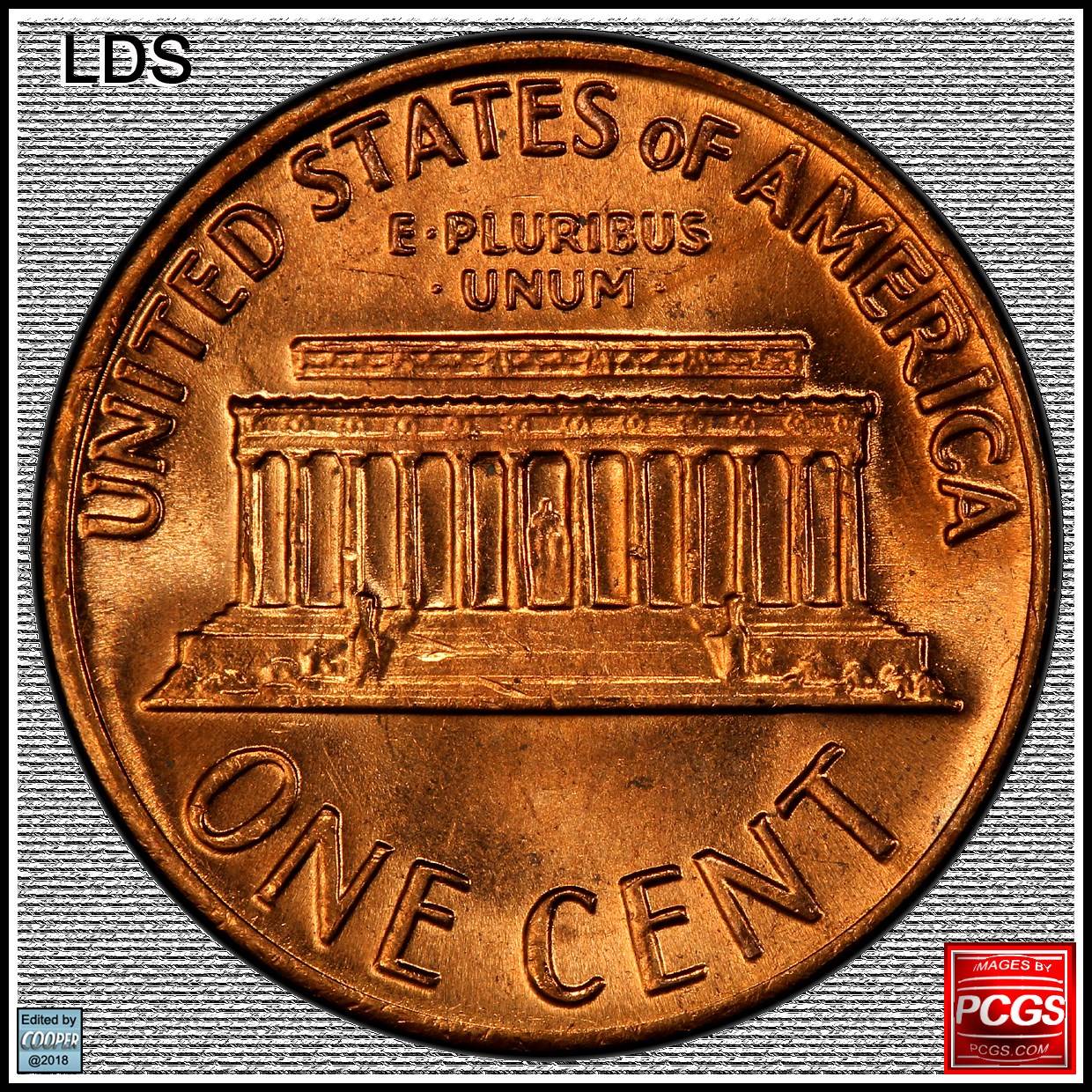
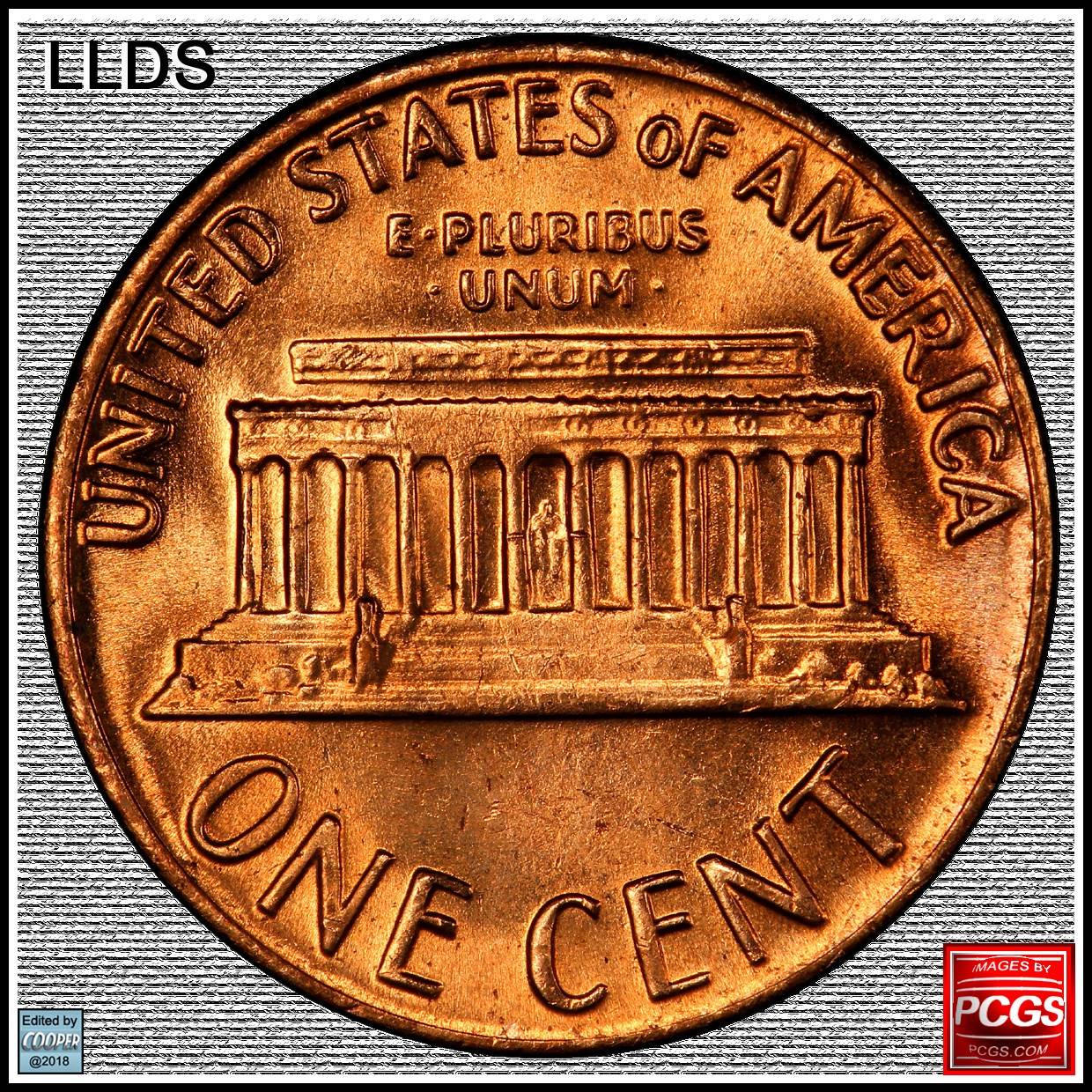
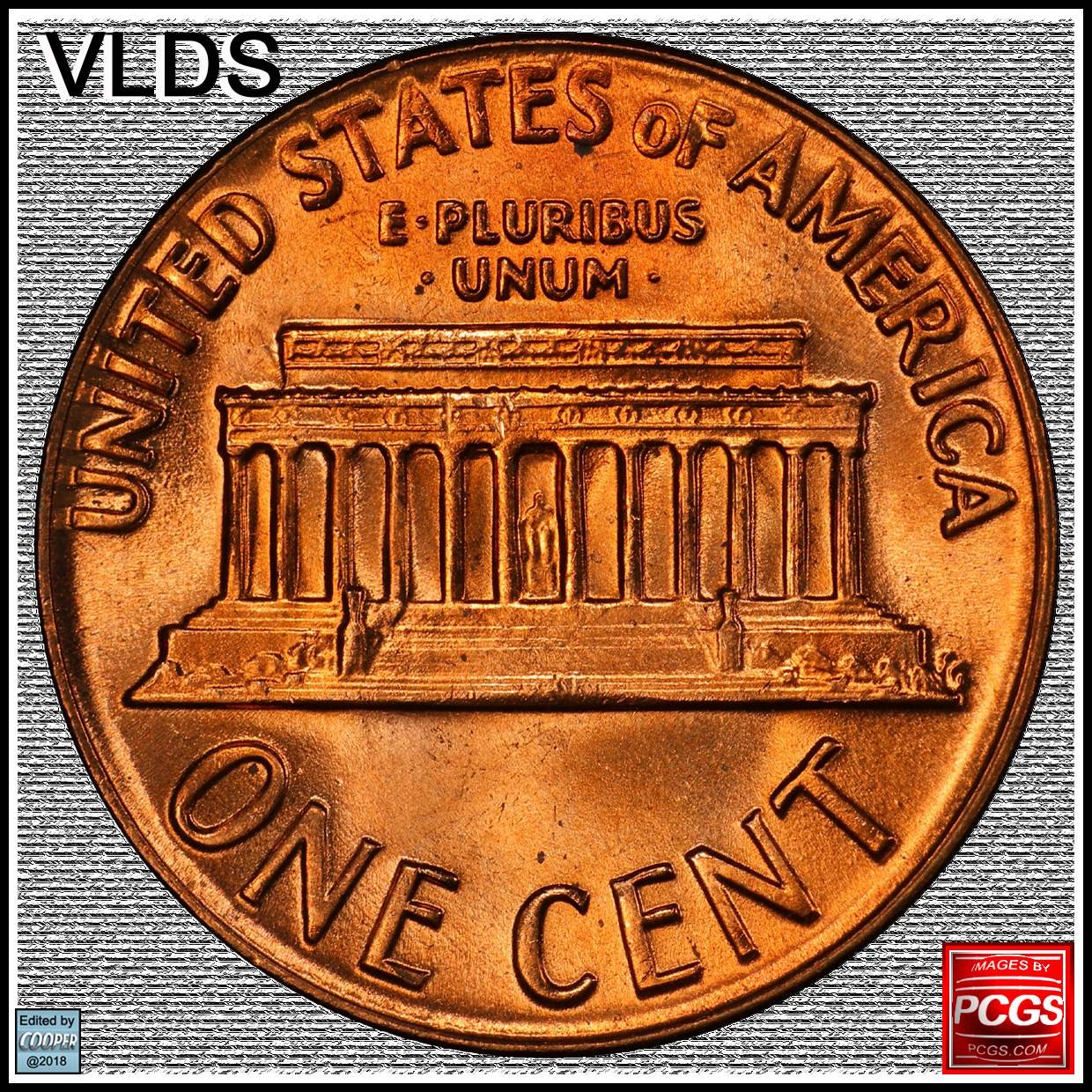
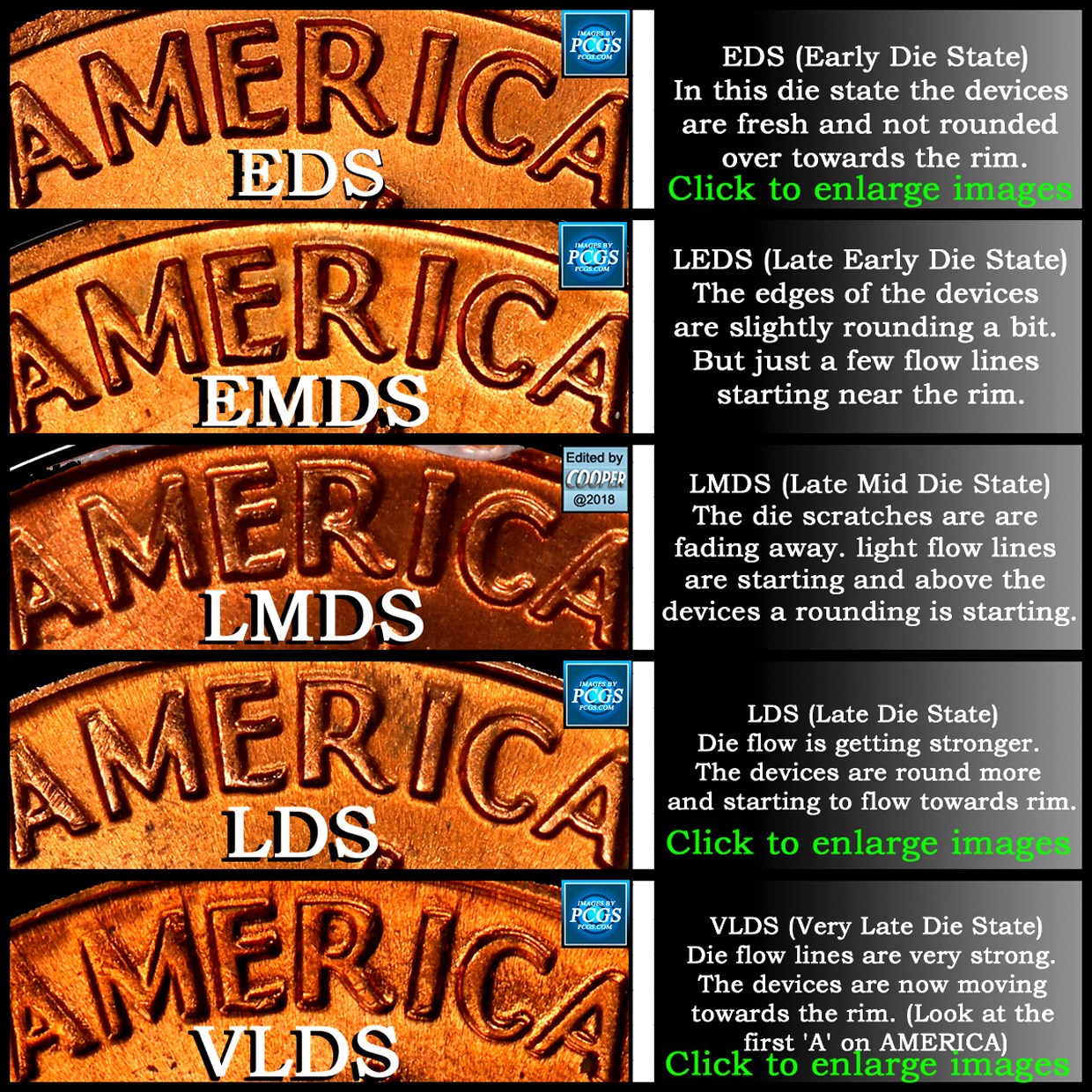
But what do I see that others maybe missing? The die state. An earlier die state will strike very nice coins. They smile for the camera. (well to me they do) So perhaps seeing coins as the die ages, will help others to appreciated them even more. When you can spot the differences, you view towards coins will change. When you see a coin for sale and it is an earlier die state, you will spot it. So lets see if you can train your eye a bit more. Not that you always have to do this, but when you see a coin that catches your eye, you will know why.
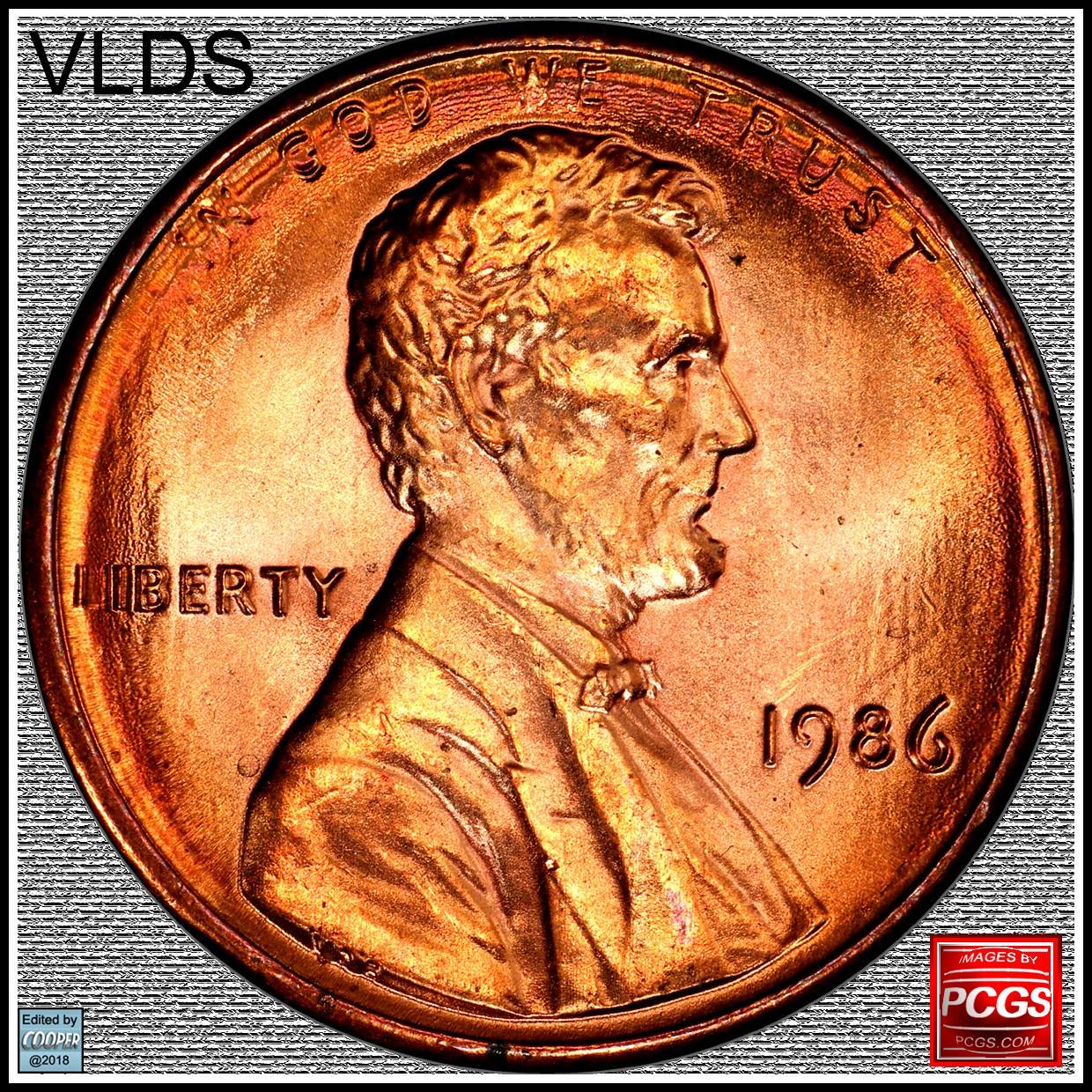
1986 cent:
1987 cent:
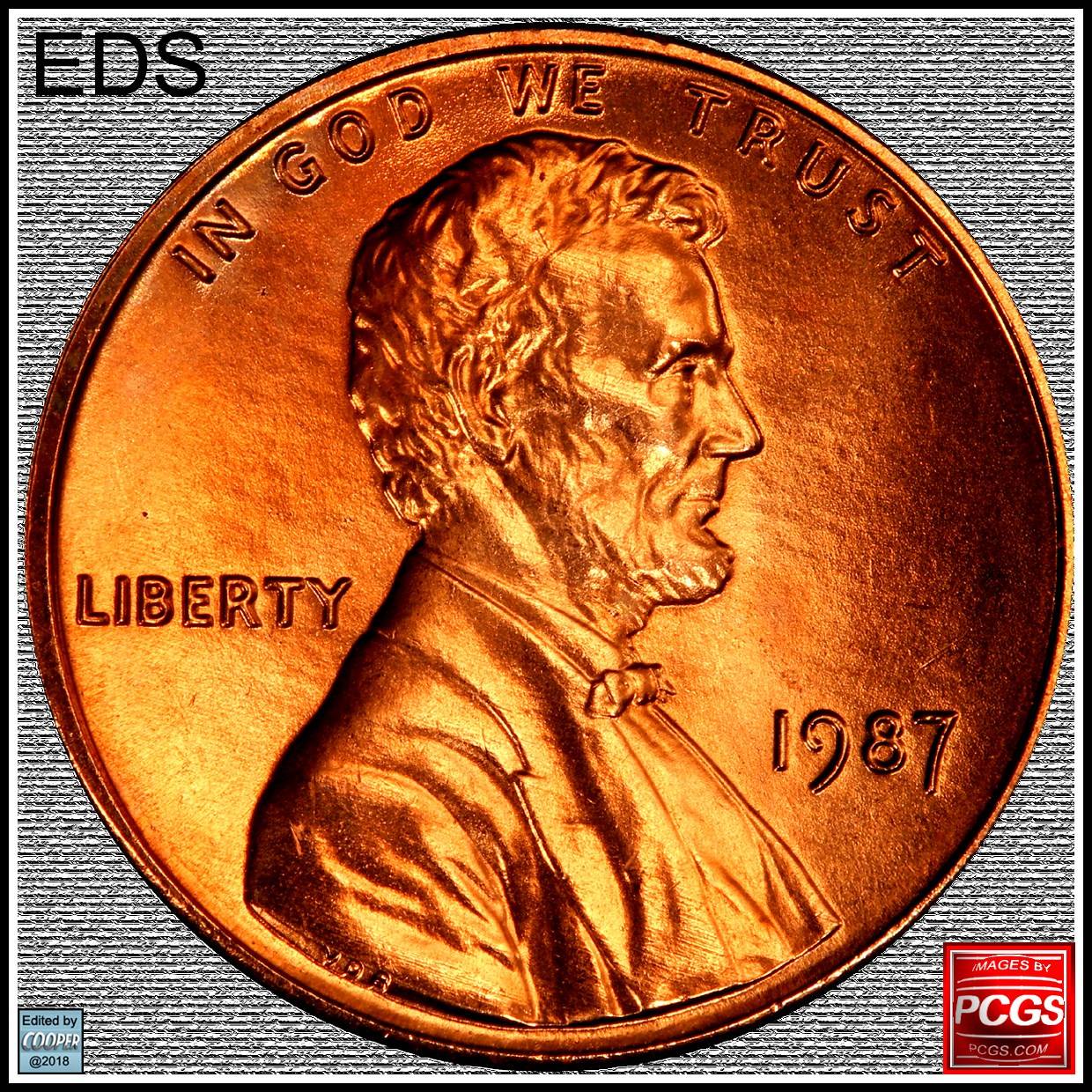
Do they look different to you? Both are high grade coins.
But which one would you be more inclined to buy? So by examining the coins as the die progresses to wear, it where to start.
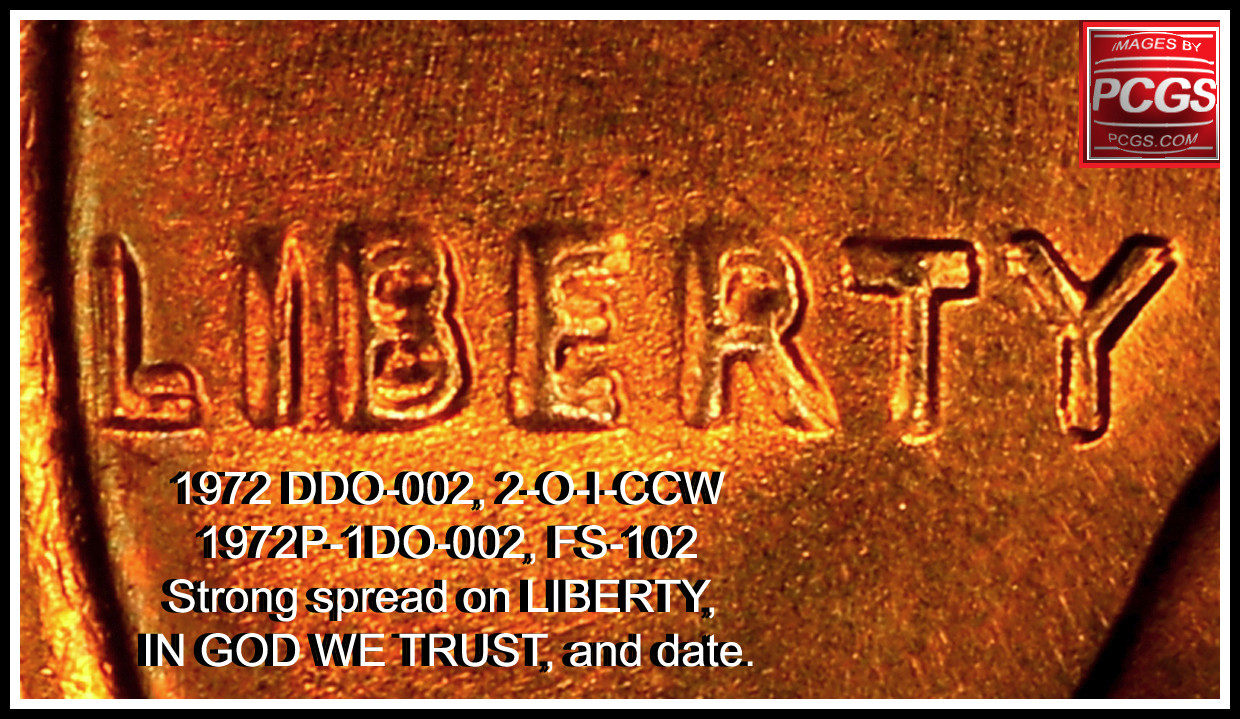
Take a look at the 'L' area on LIBERTY. This is one of the first places I look for die wear:
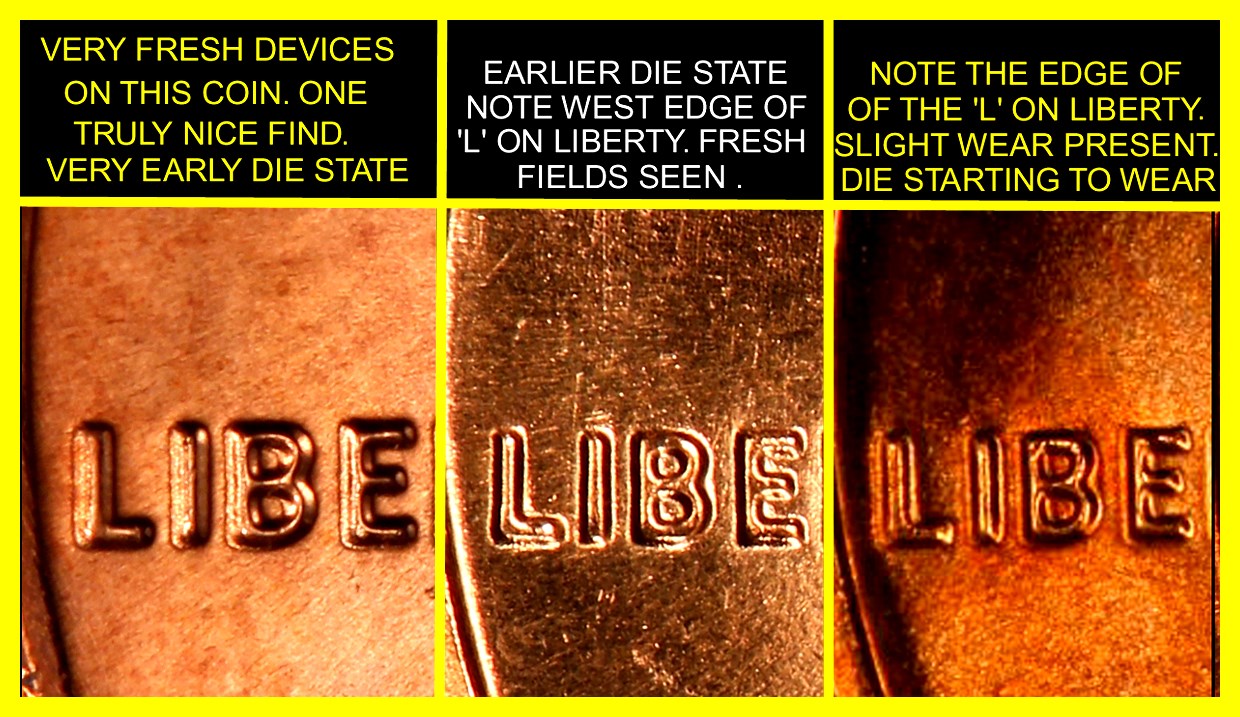
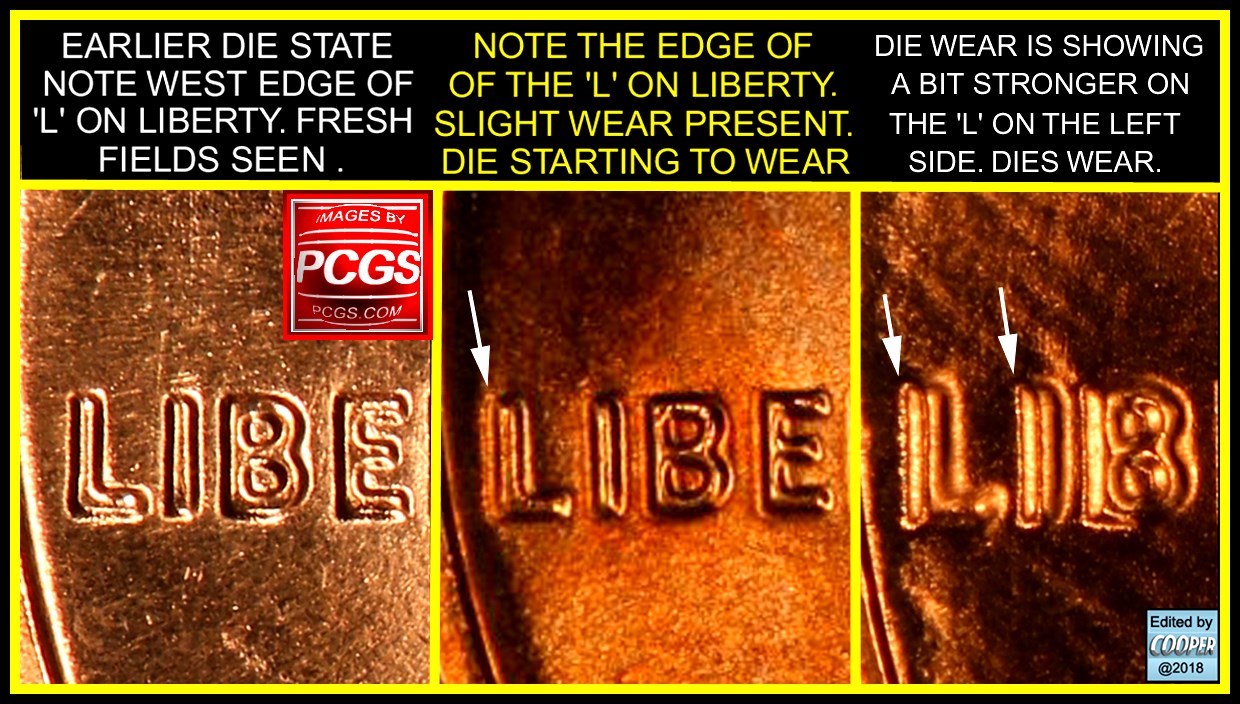
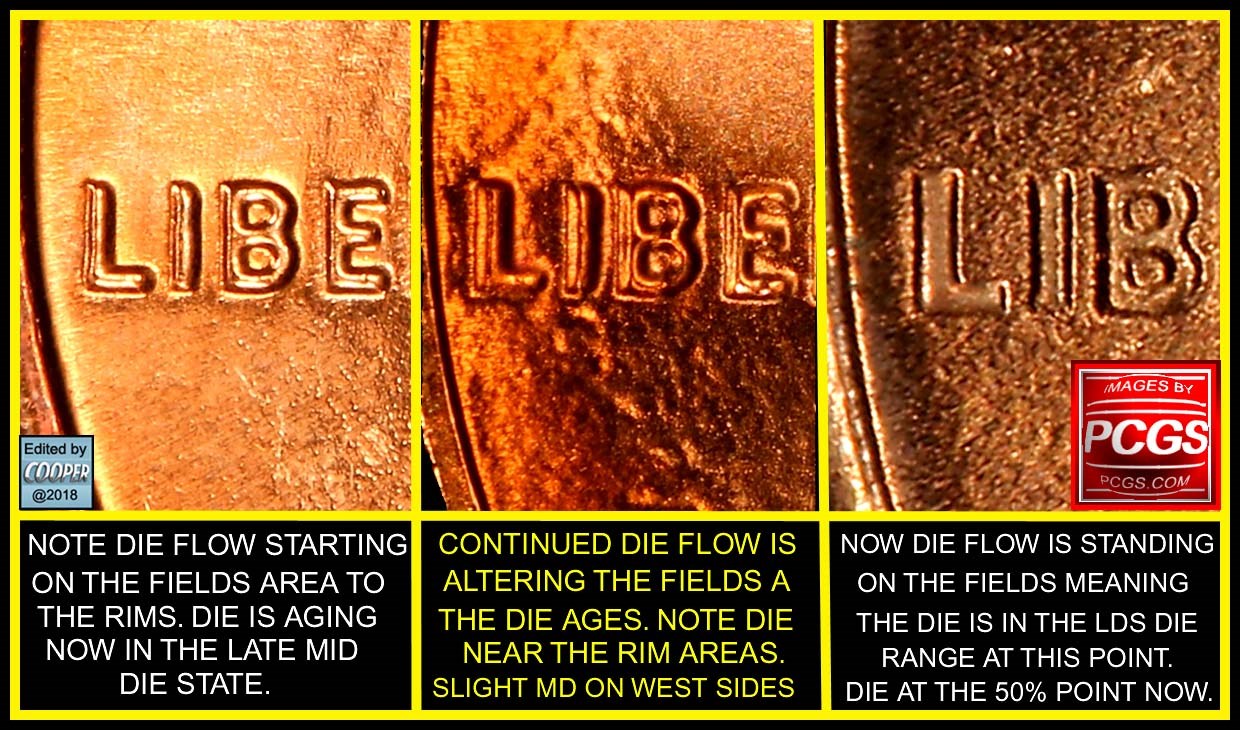
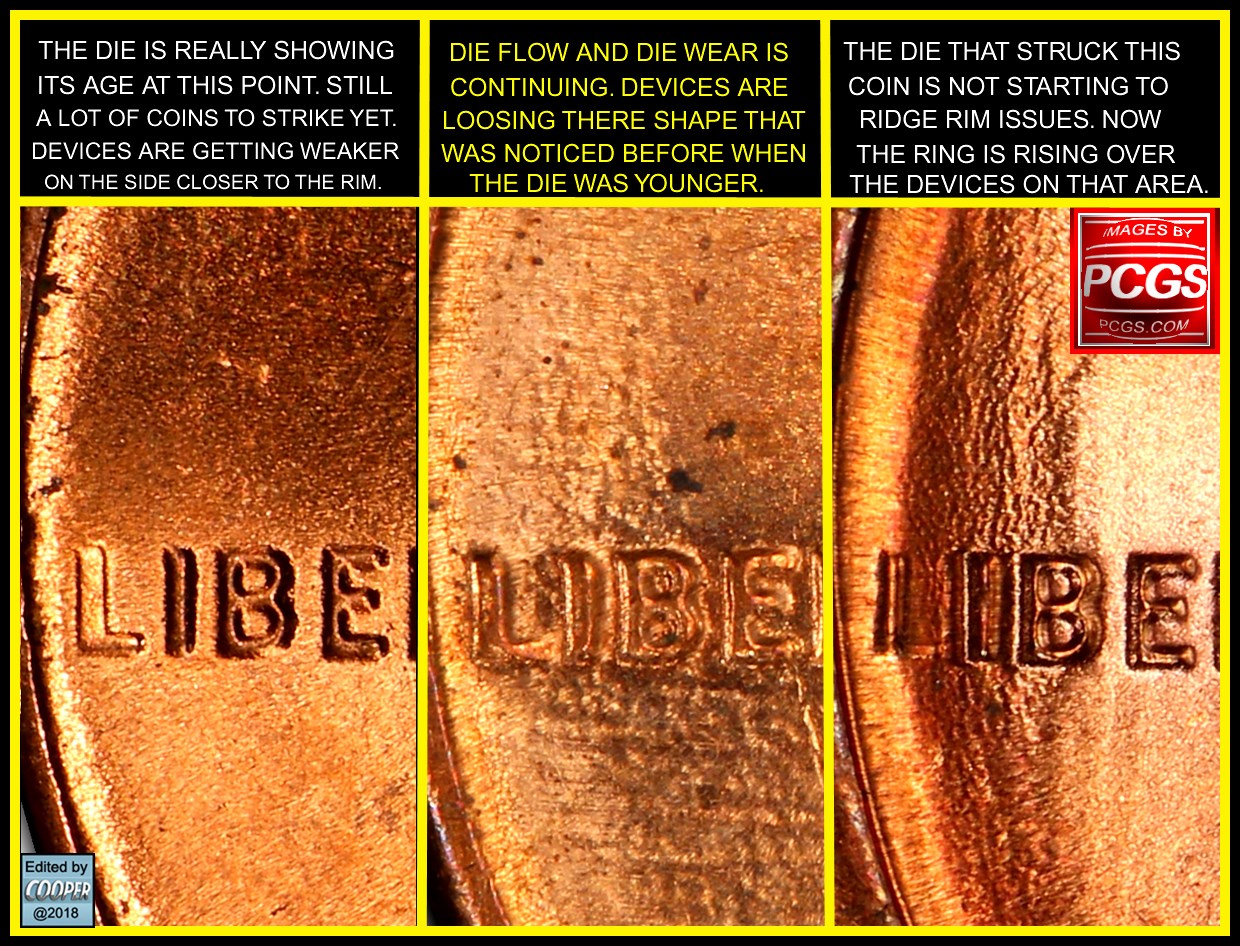
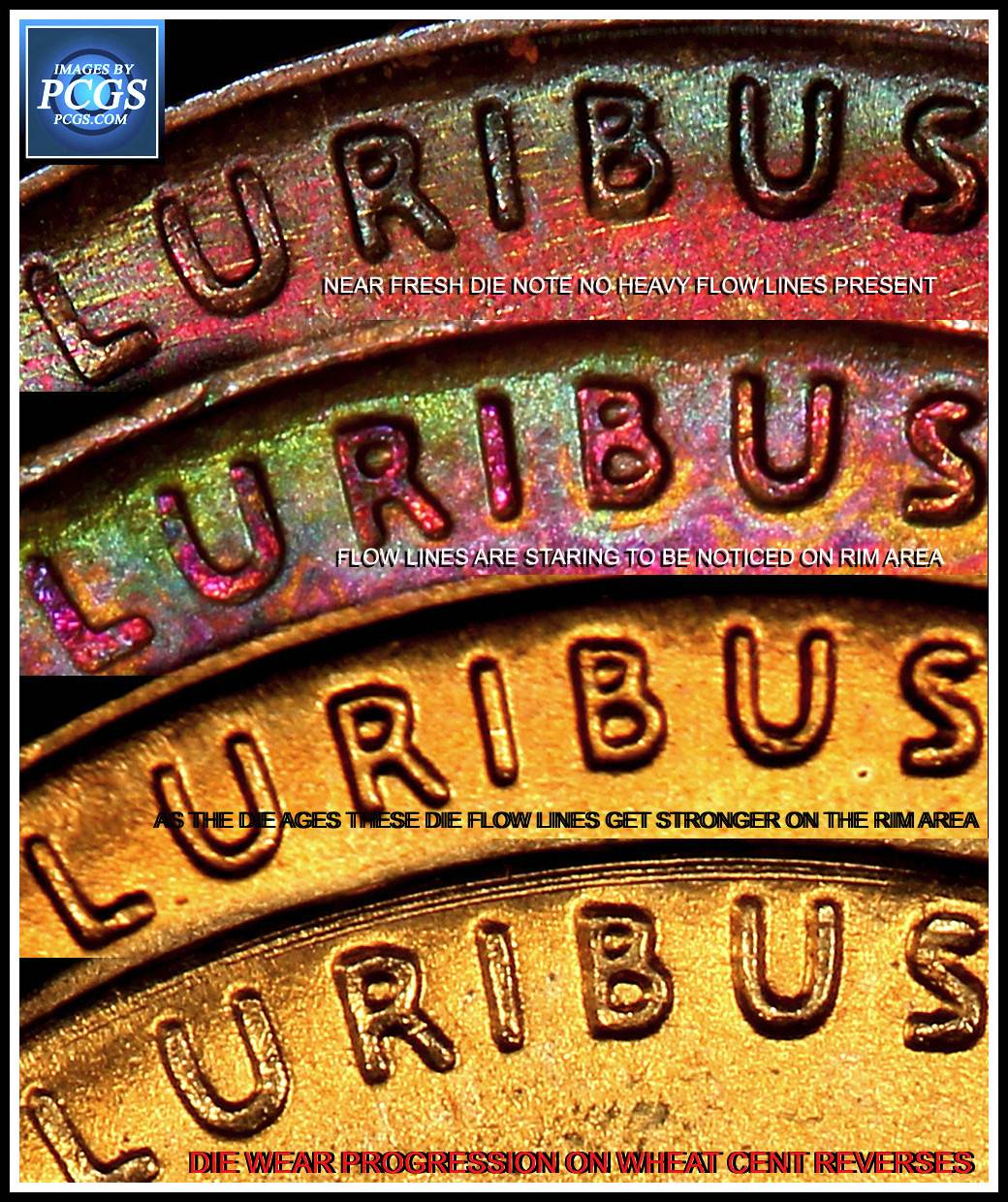
Did you note the die wear, die flow and the breakdown of the devices. This is progressive as the die wears. All die go through this. so would you rather have the first coin struck or the last coin struck with a die. I know my answer. But now, you get an idea of what to look for.
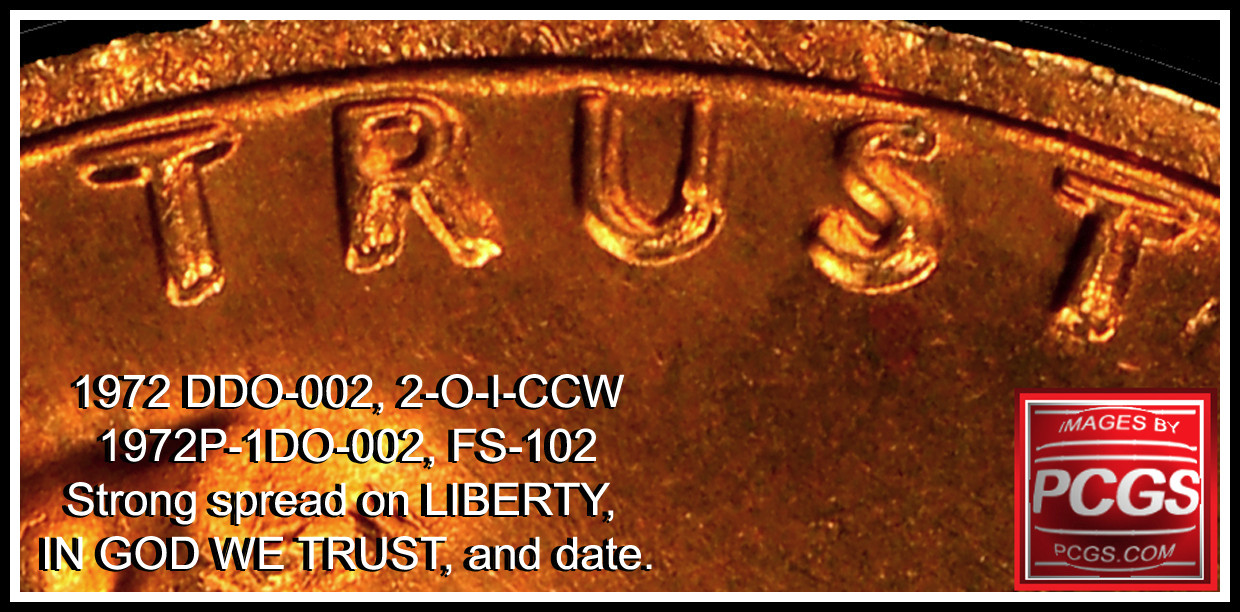
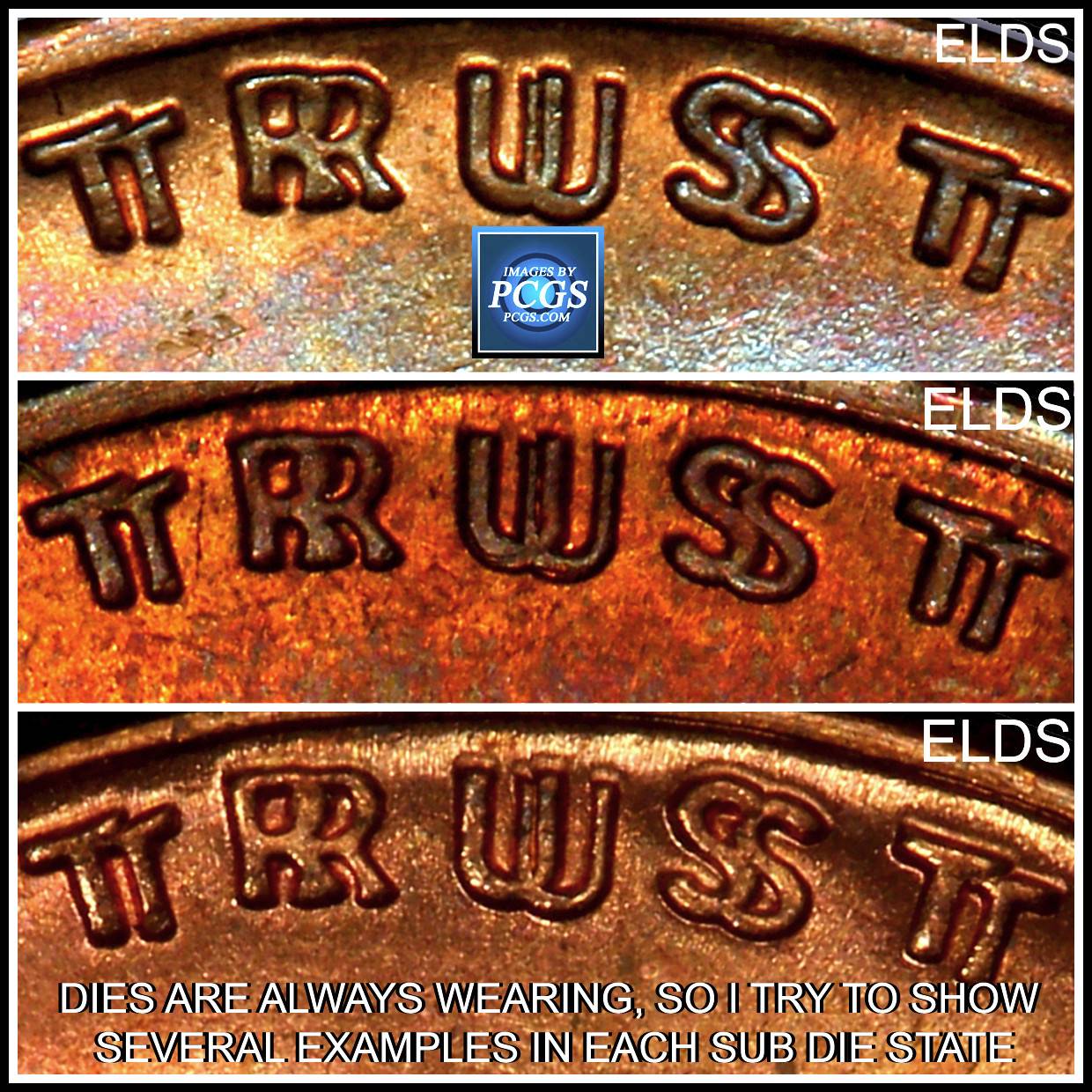
But let's check another area. On the 'TRUST' on the motto you can often see the die wear even faster there:
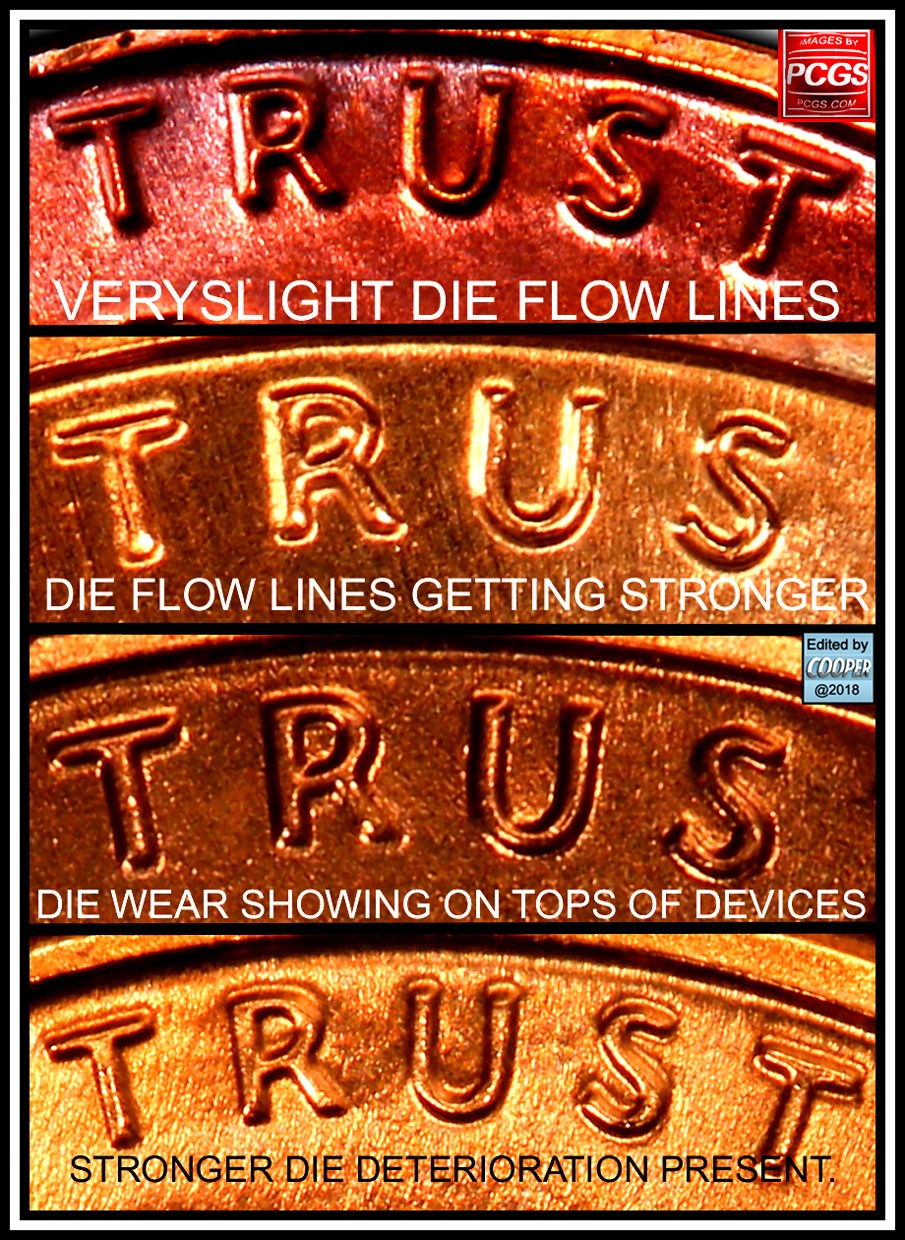
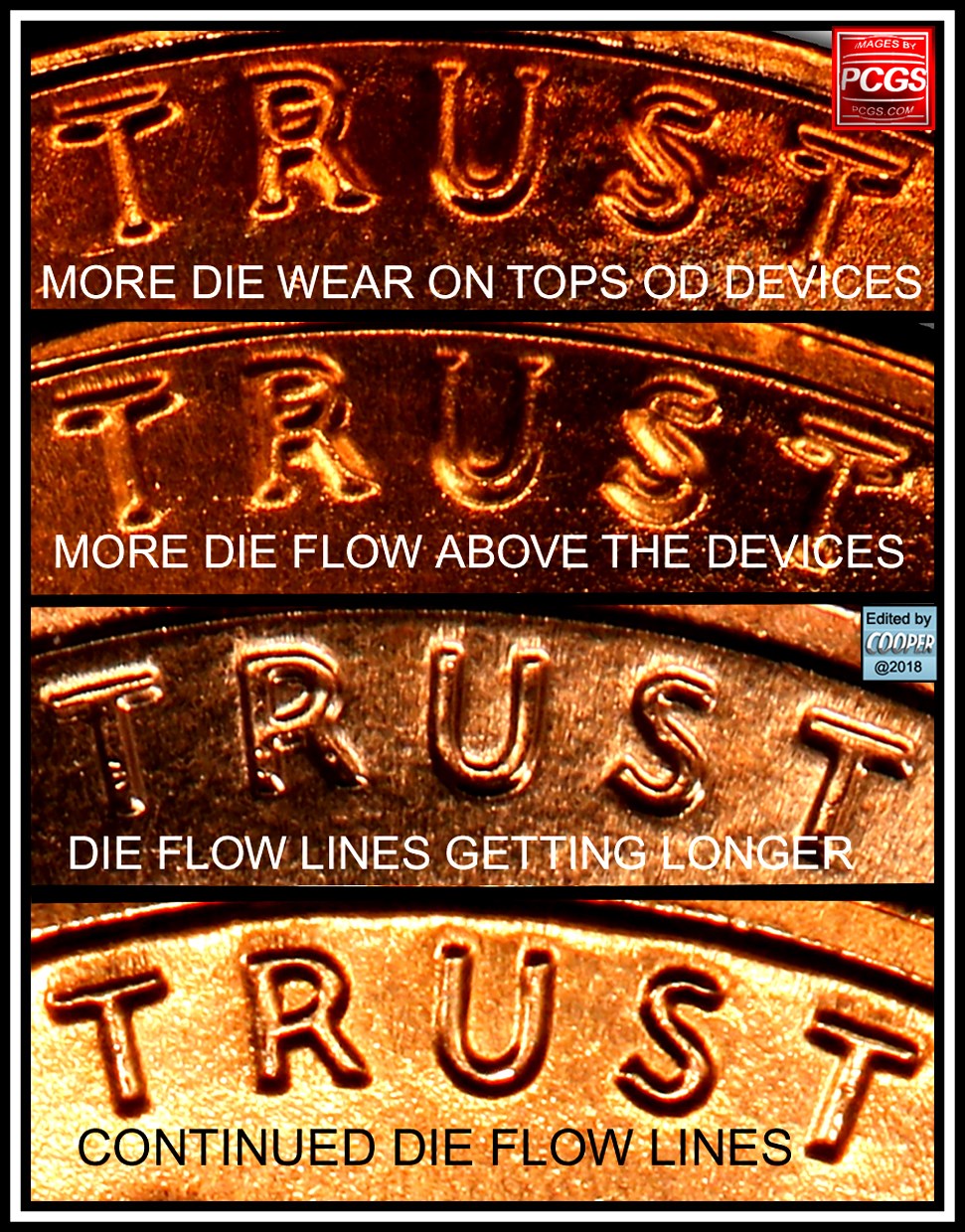
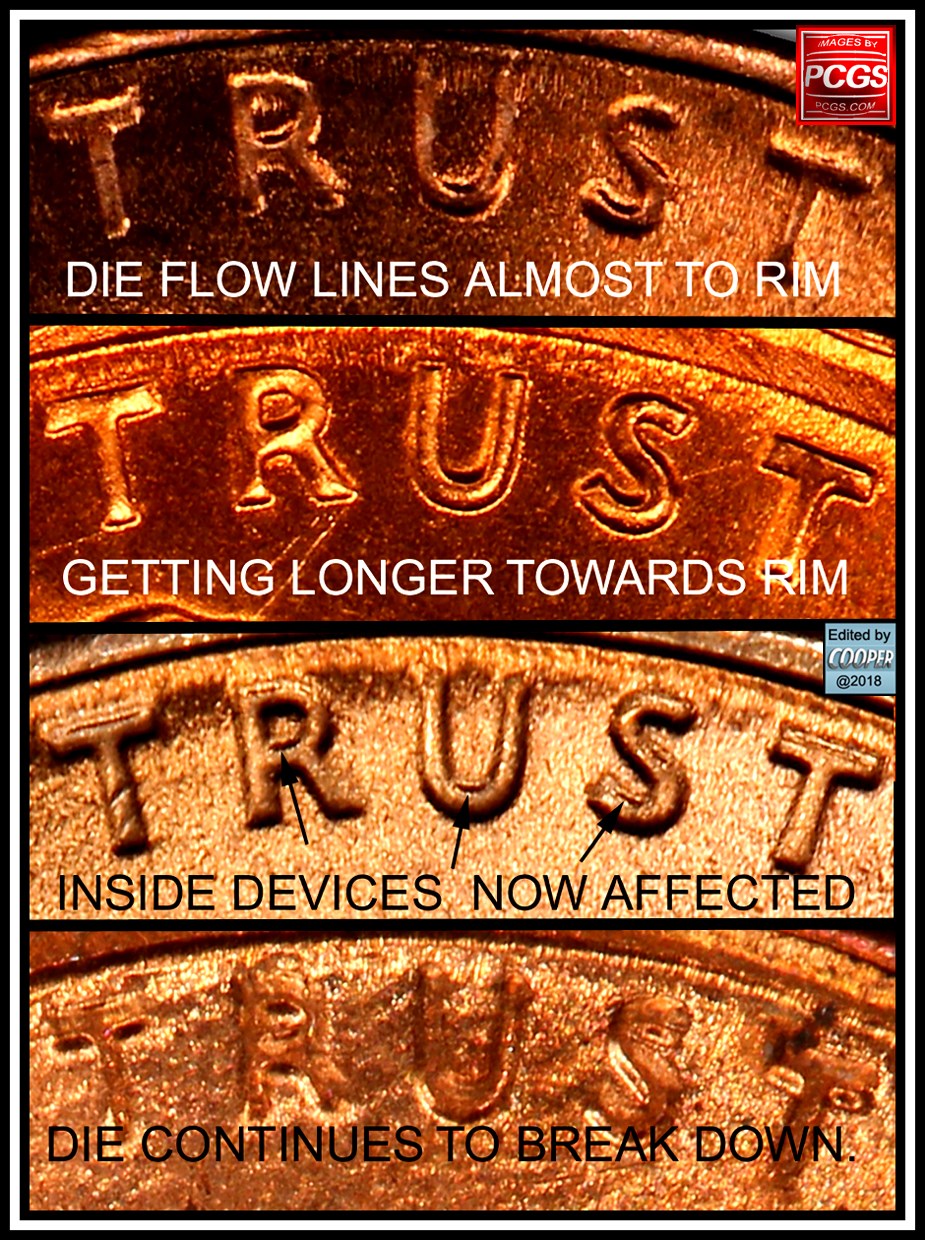
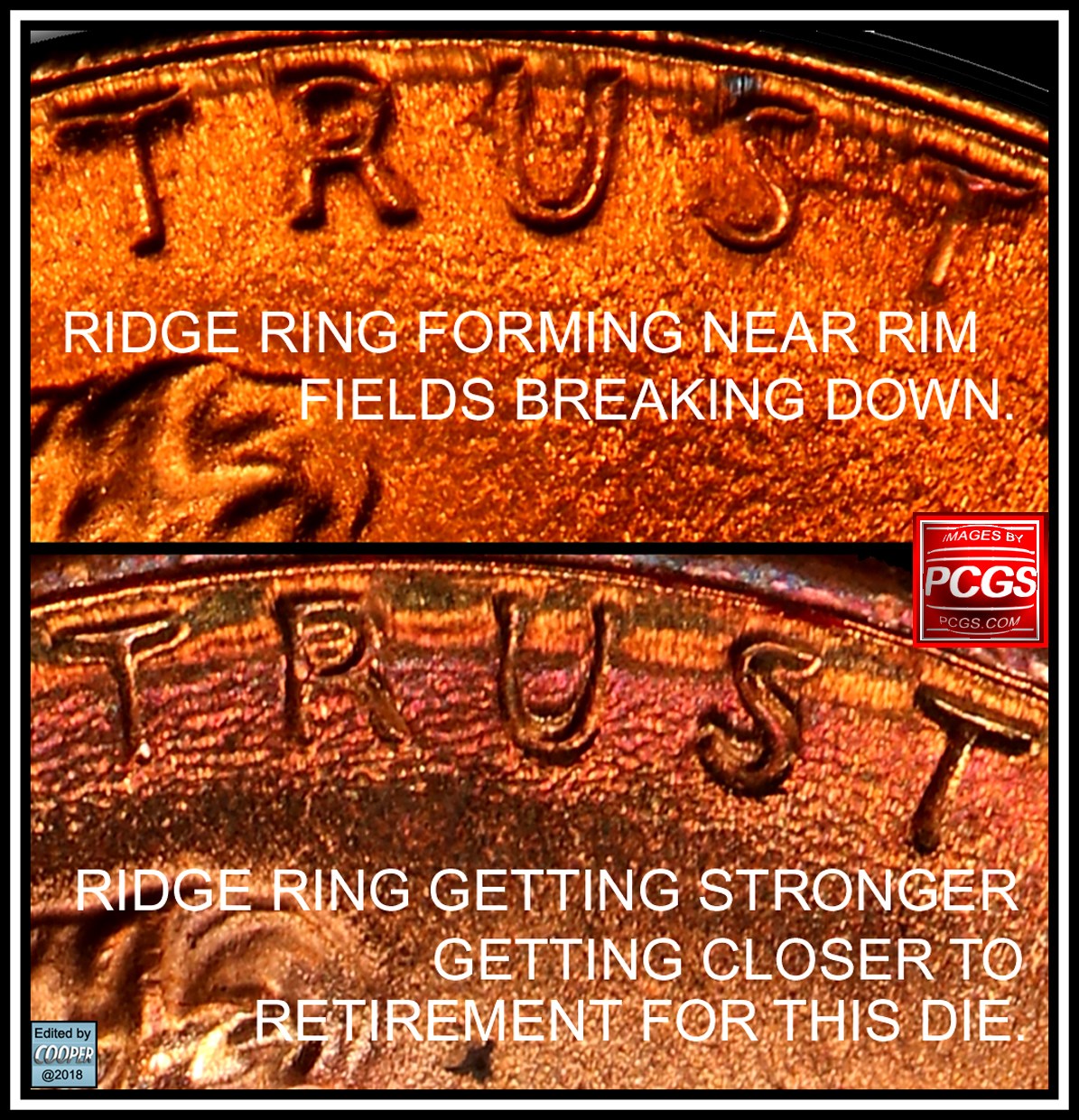
Now you get an idea of what I see on a coin when I mention the die state as being an earlier die state. So coins that are only a few to be struck will come from a fresher die. The 1964 obverse SMS coins were probably less that 100 struck.
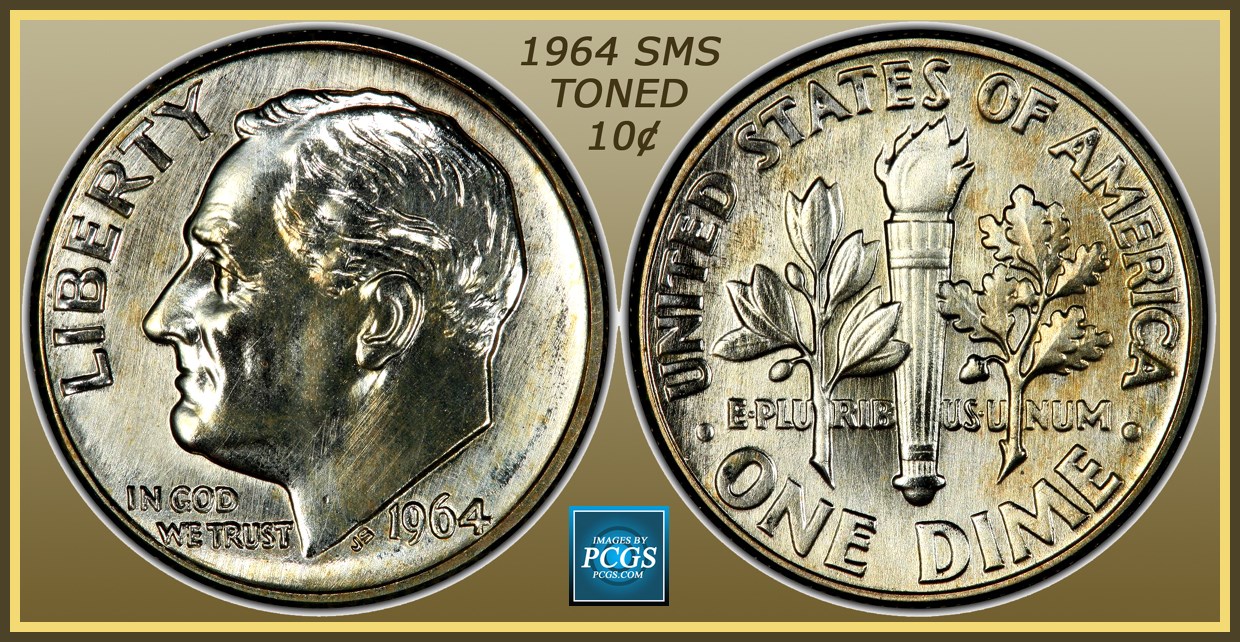
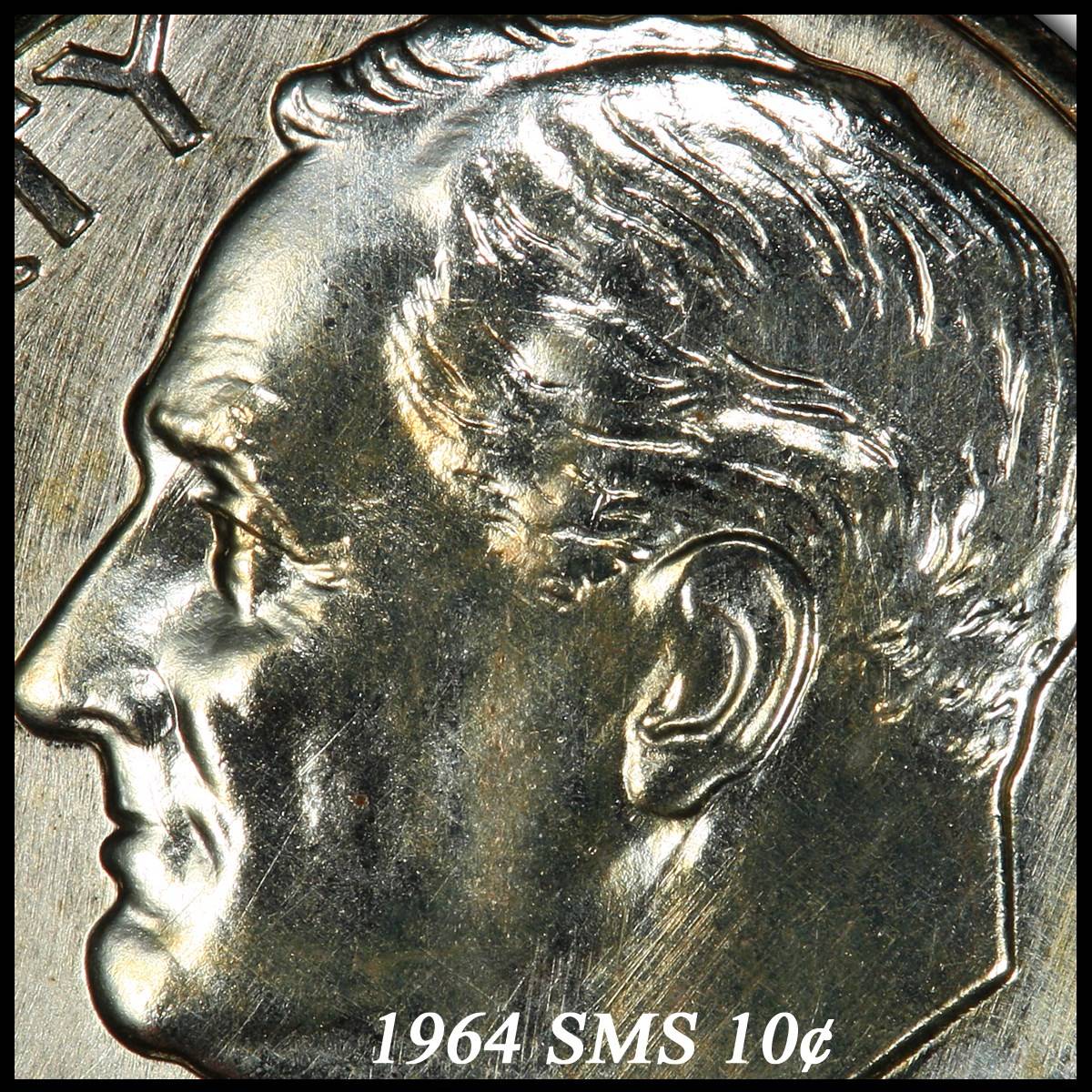
Even closer views of these coins show the freshness of the dies:

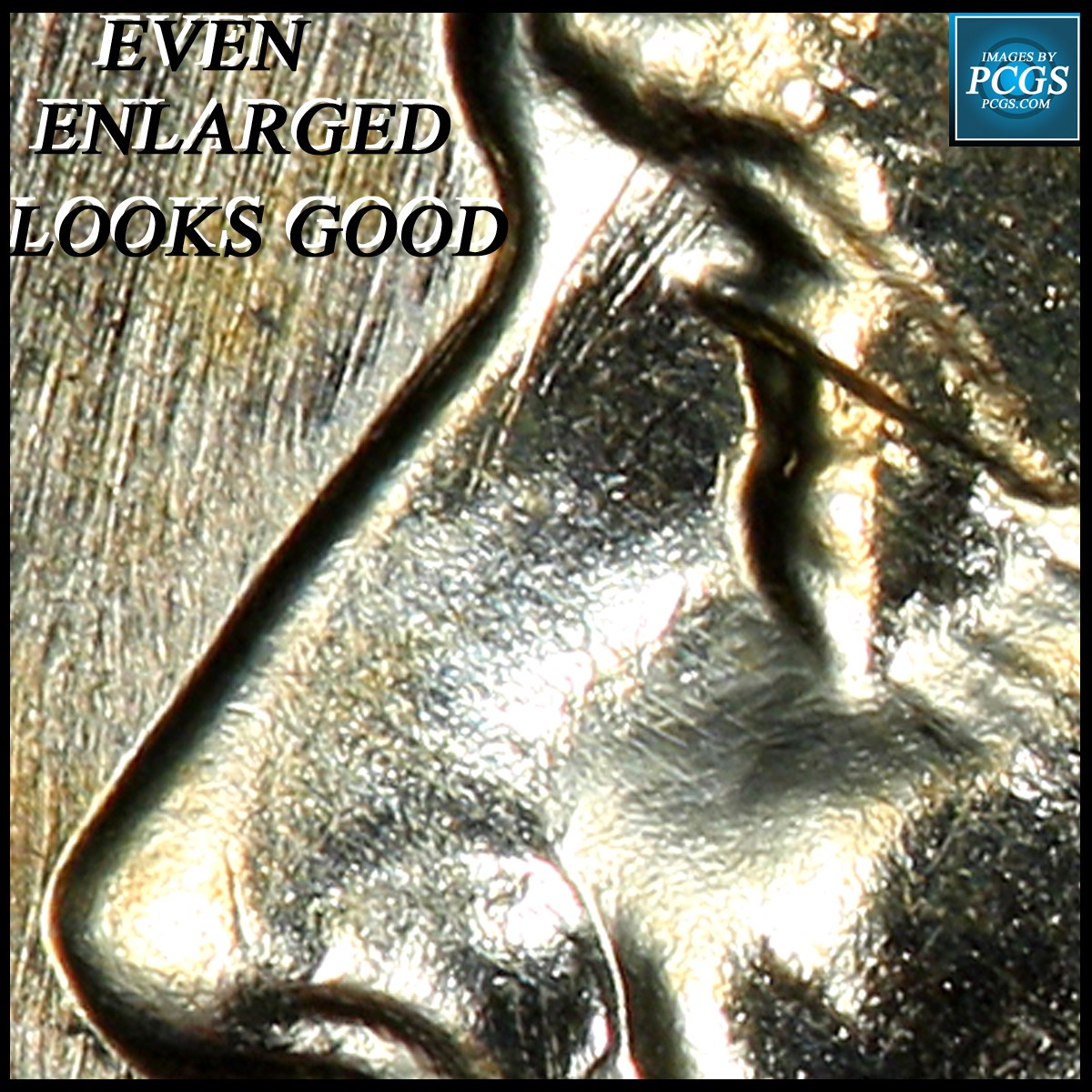
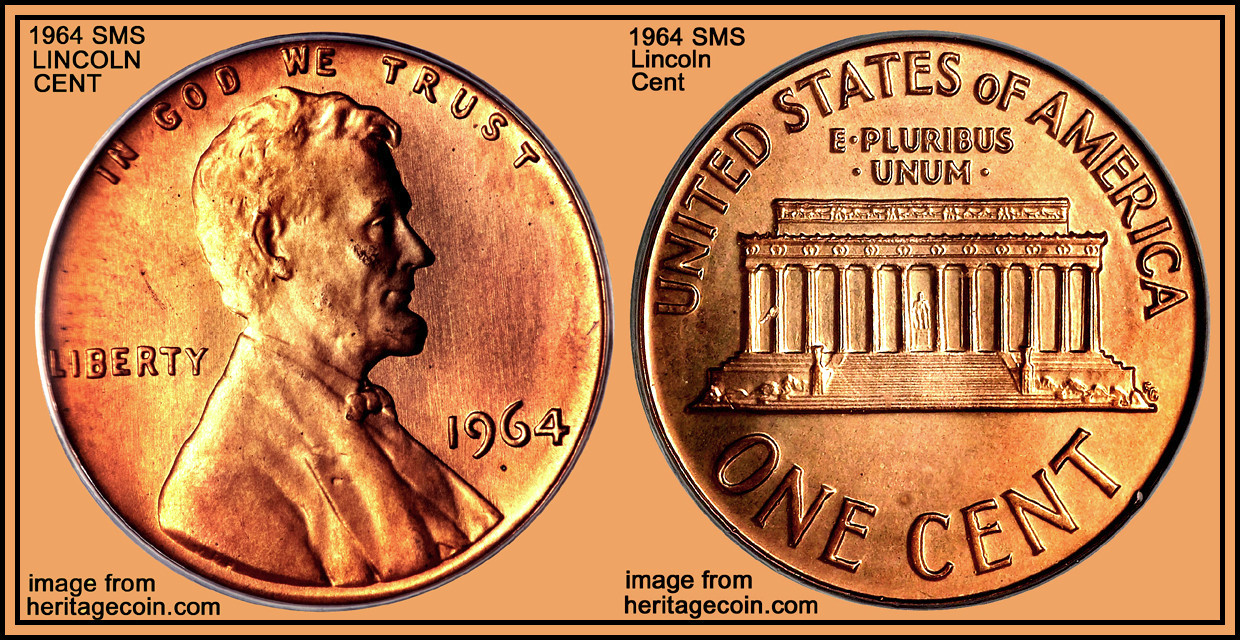
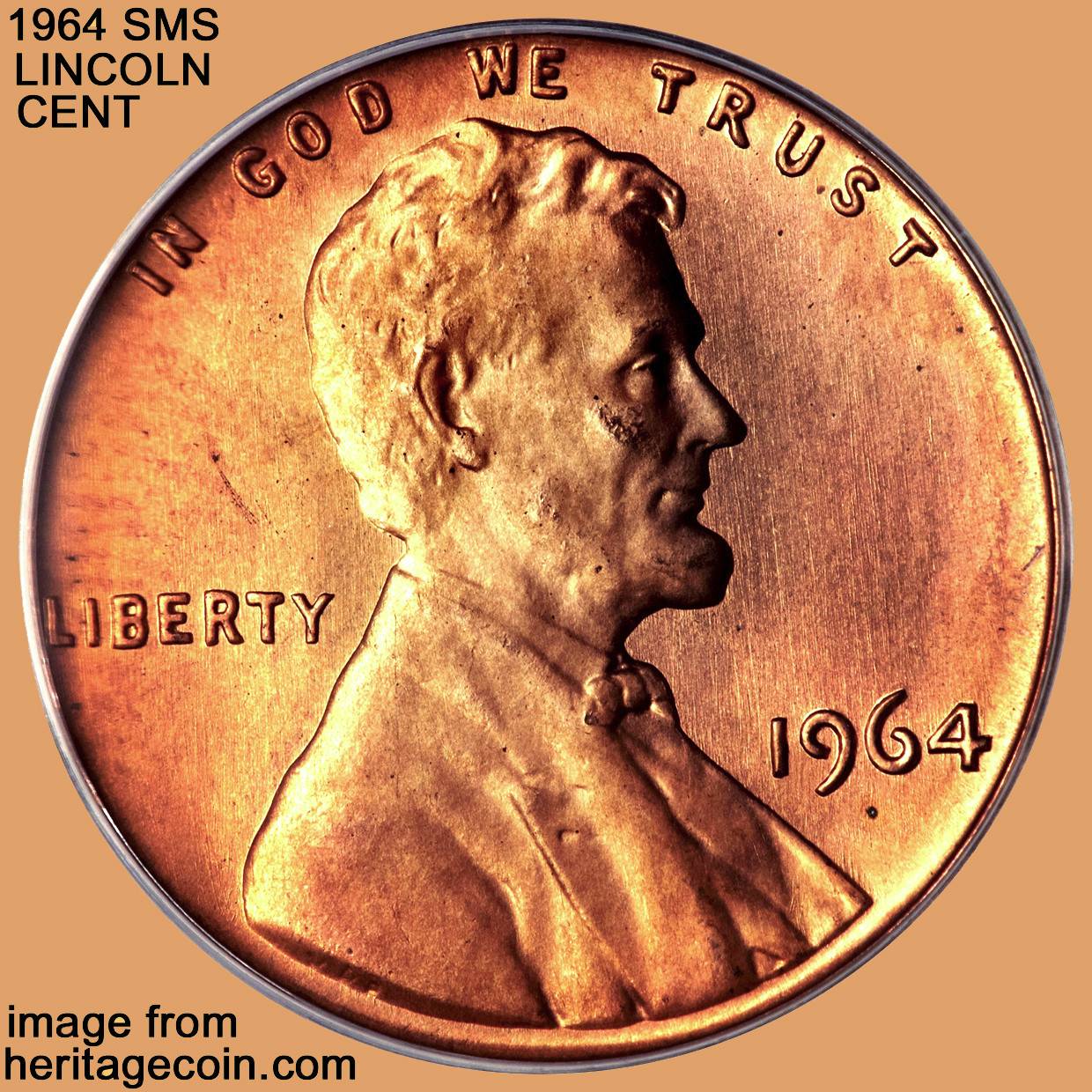
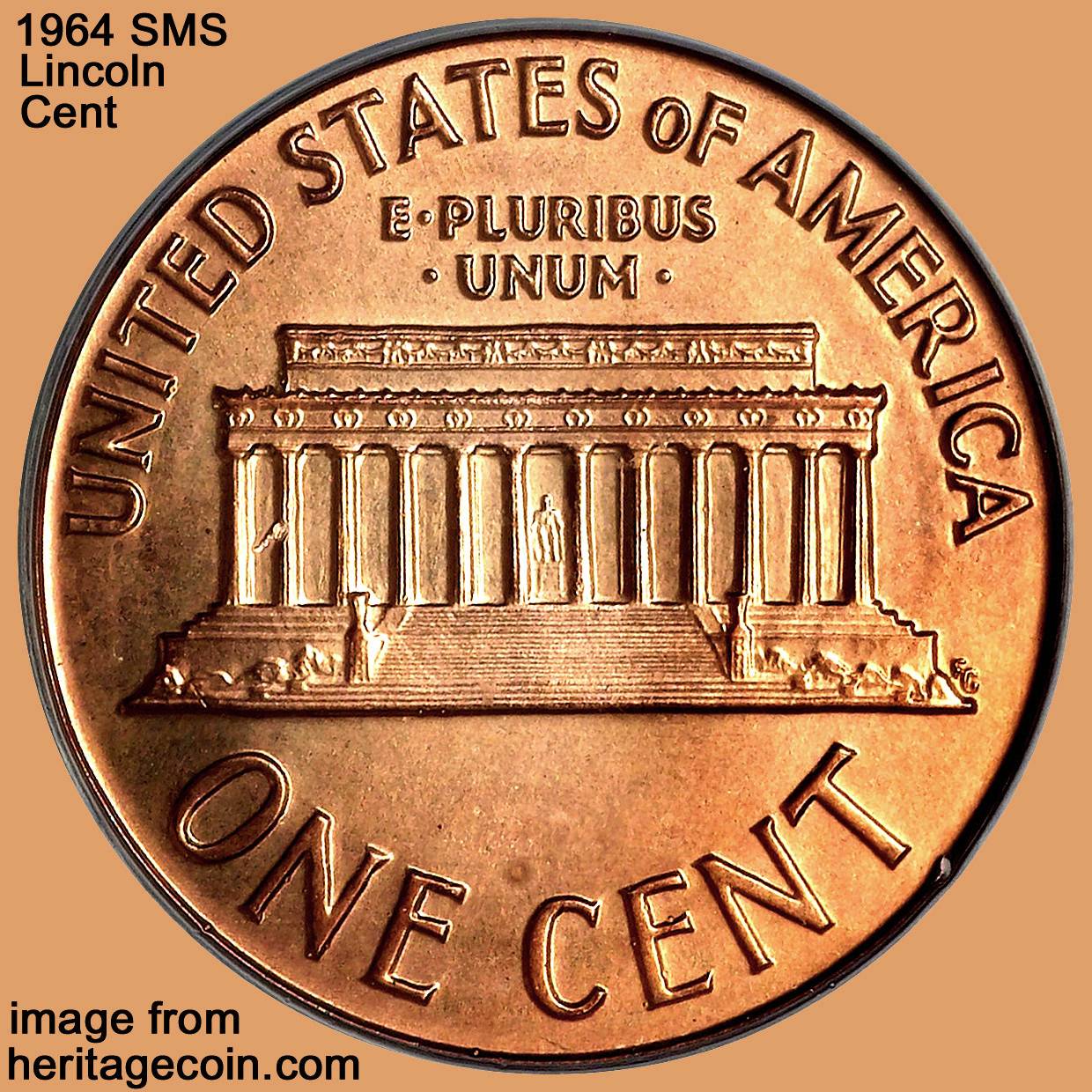
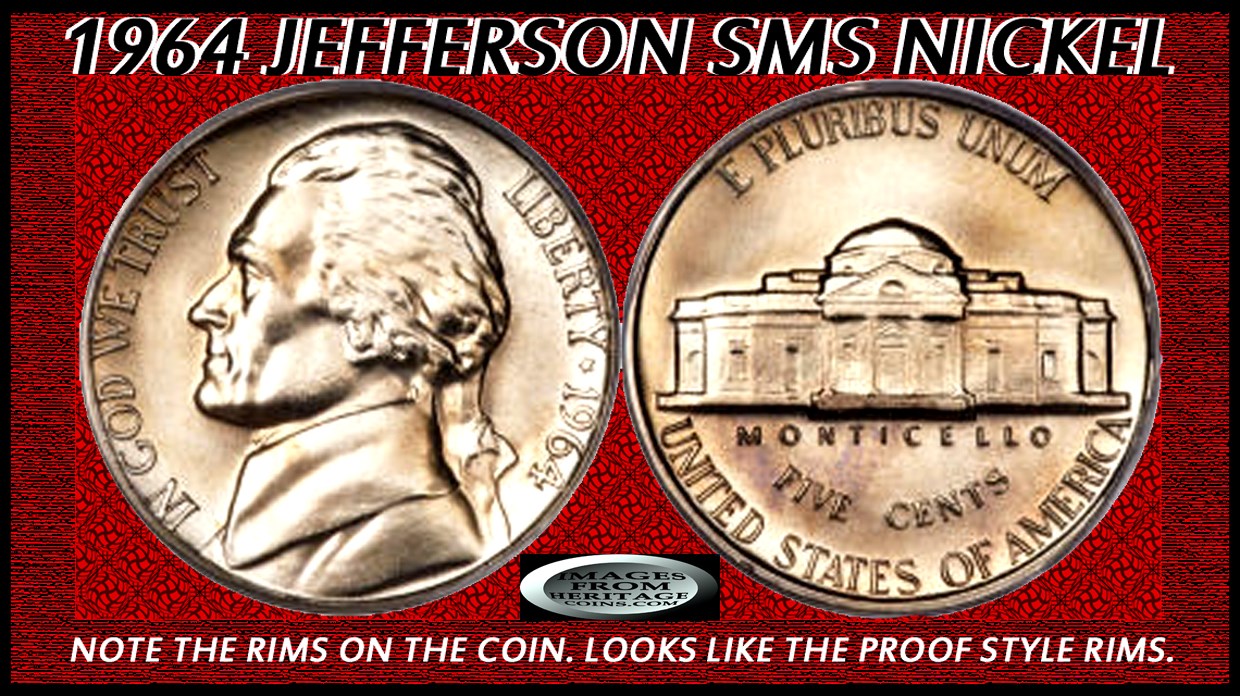
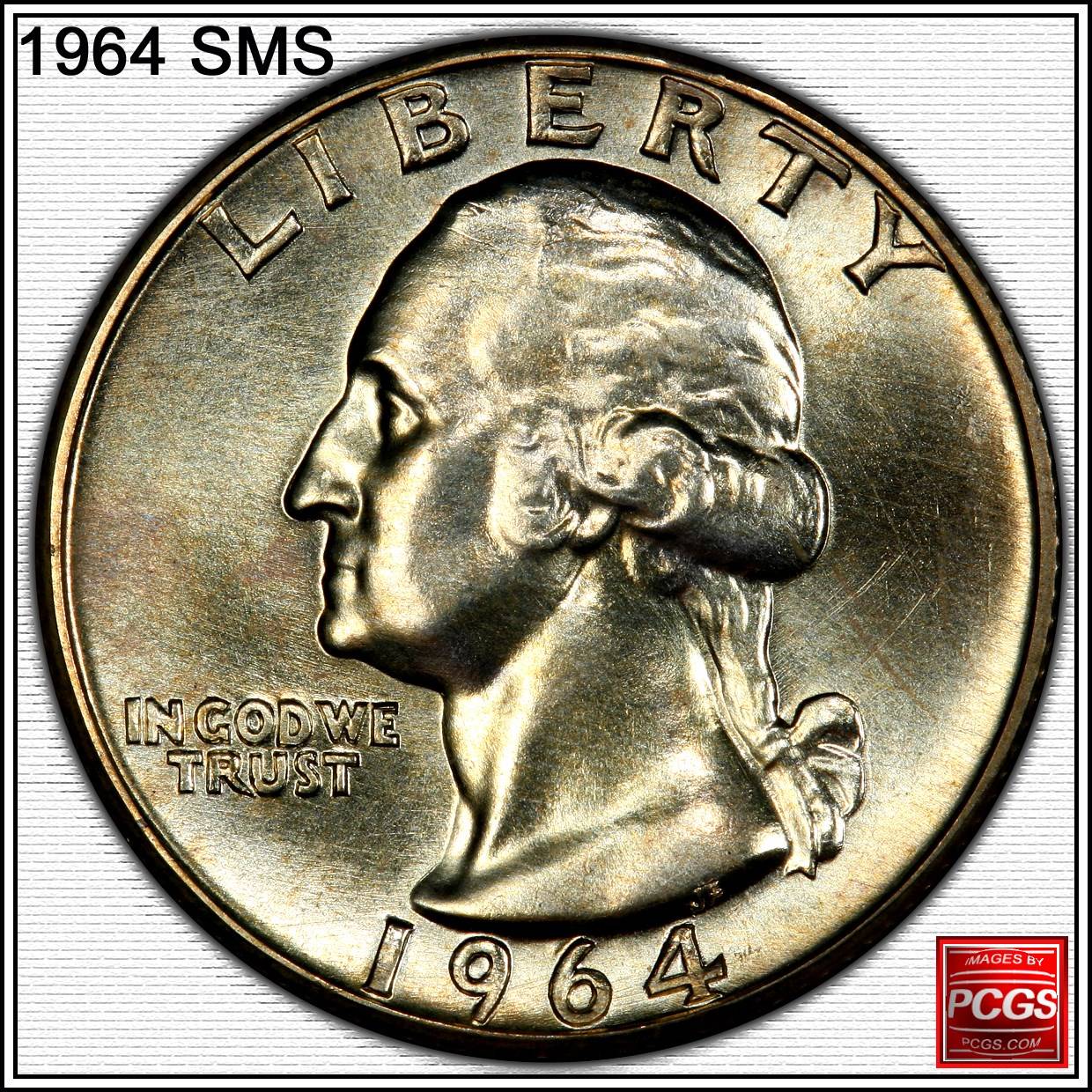
The quarter reverses were created with a worn master hub, so I don't like those because they are weak in design. The 1964-D Type C were the better dies for that year.
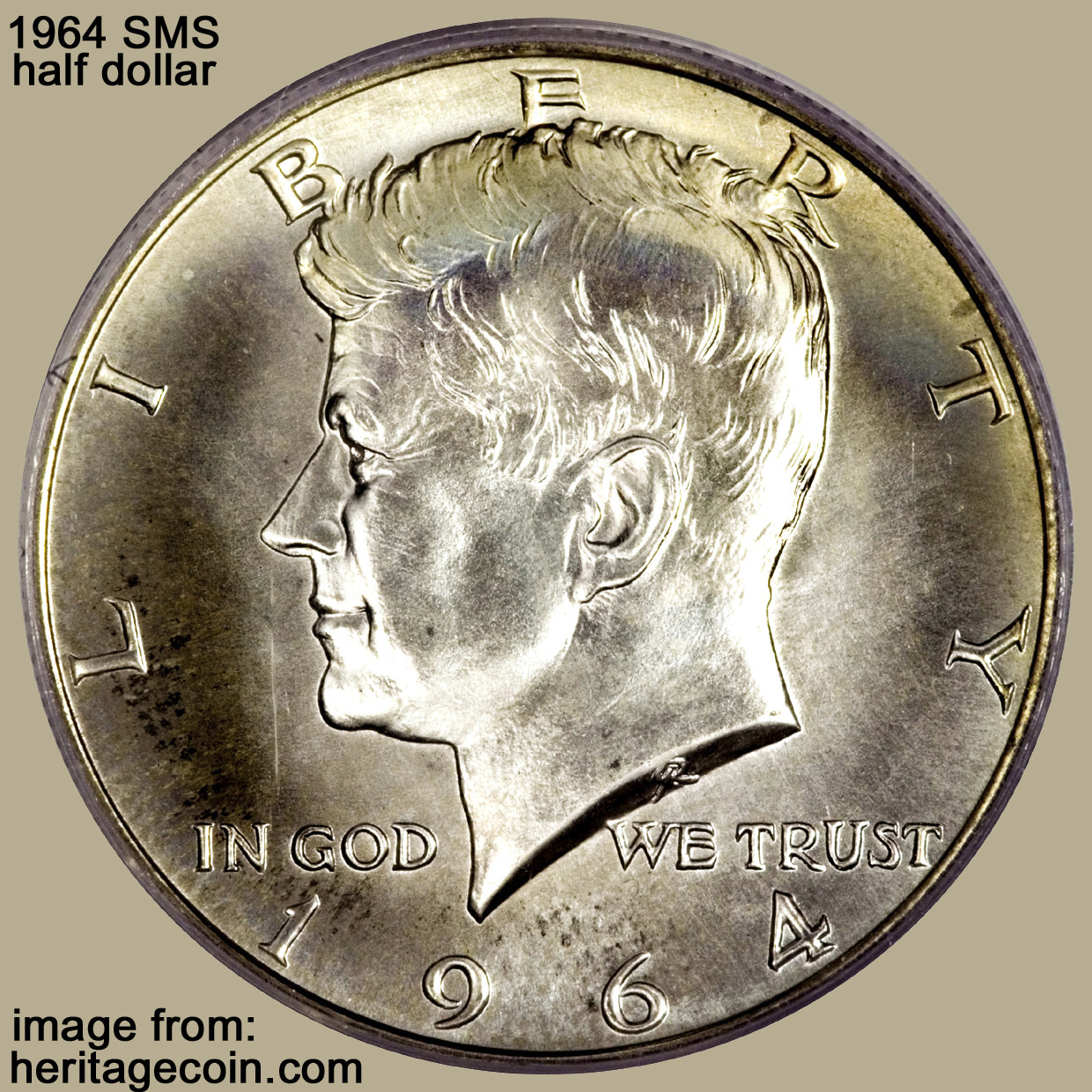
Same on the half dollars the dies were not as crisp. (probably for the same reason)
The 1943 cents on the wrong planchets should all be an earlier die state and they were in transition of copper changing into steel cents.
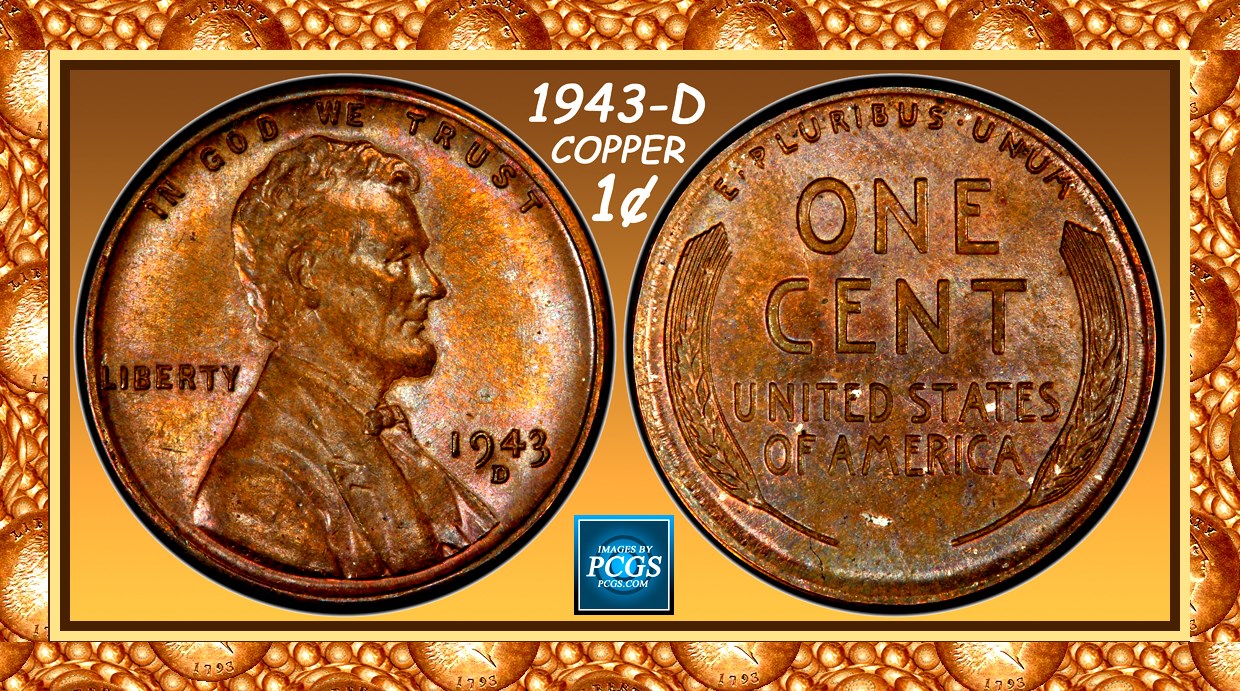
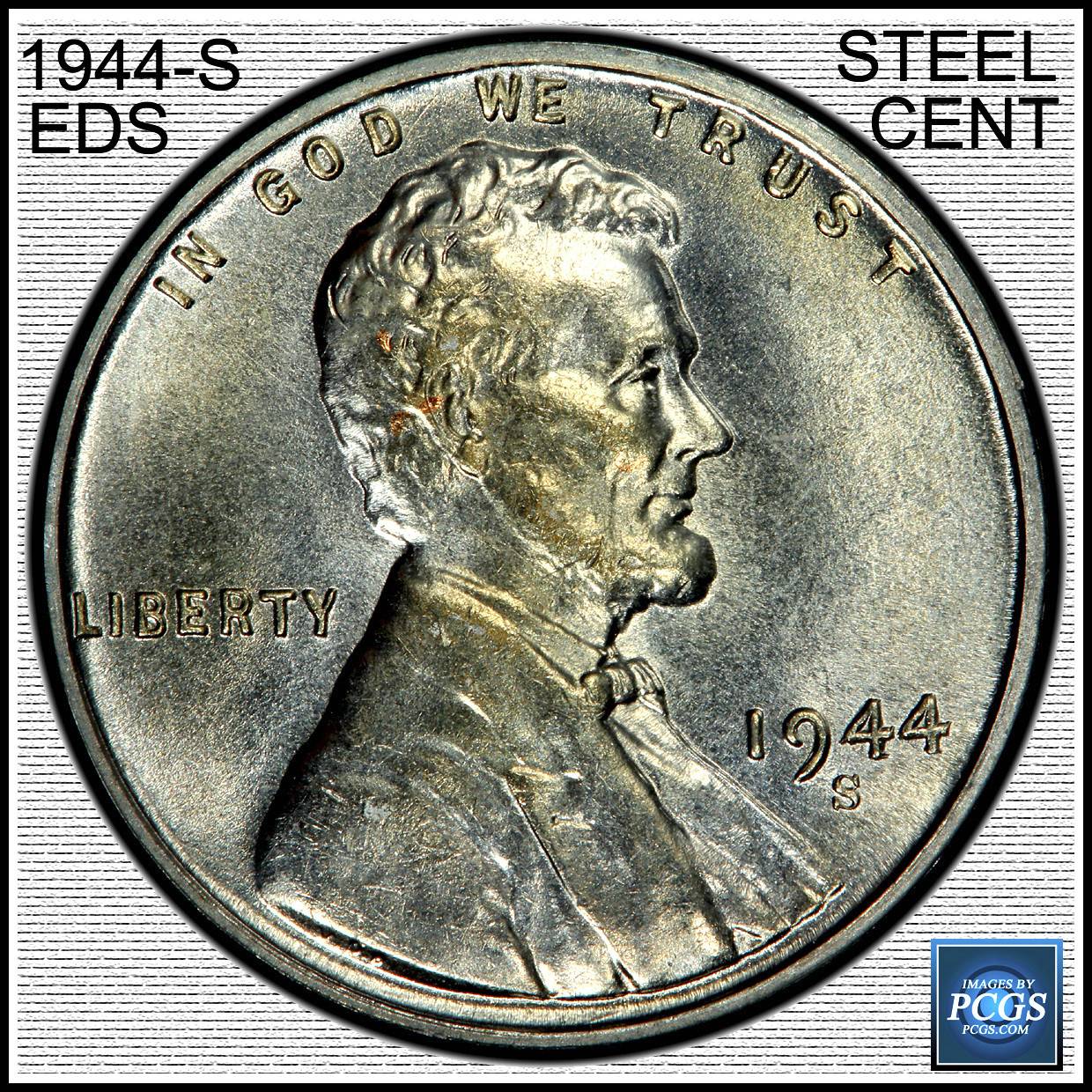
But some examples I feel was struck at a later time because the dies are showing wear on the dies, thus a weaker die state.
Special test strike coins will have a fresher die state.
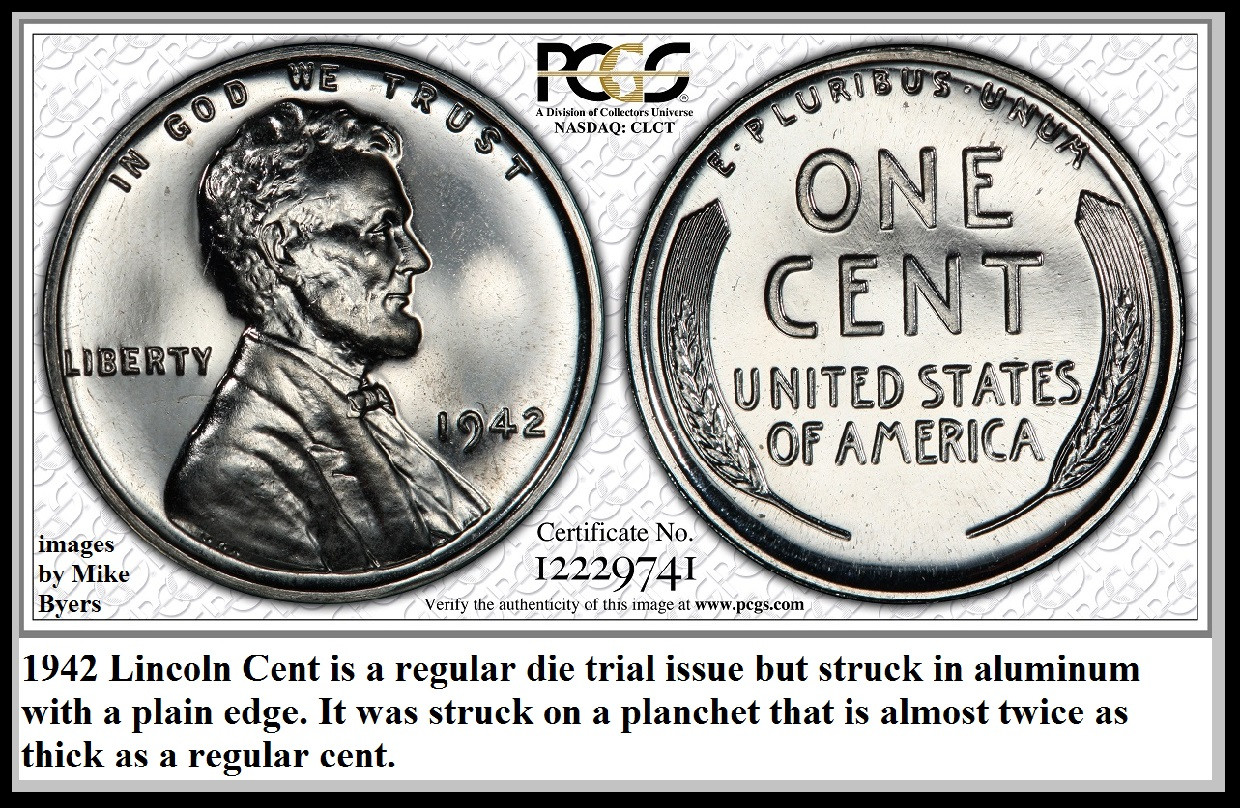
So when I get excited about a coins die state, it is something I see on the coin. I hope you will now see what I see on die states of coins.
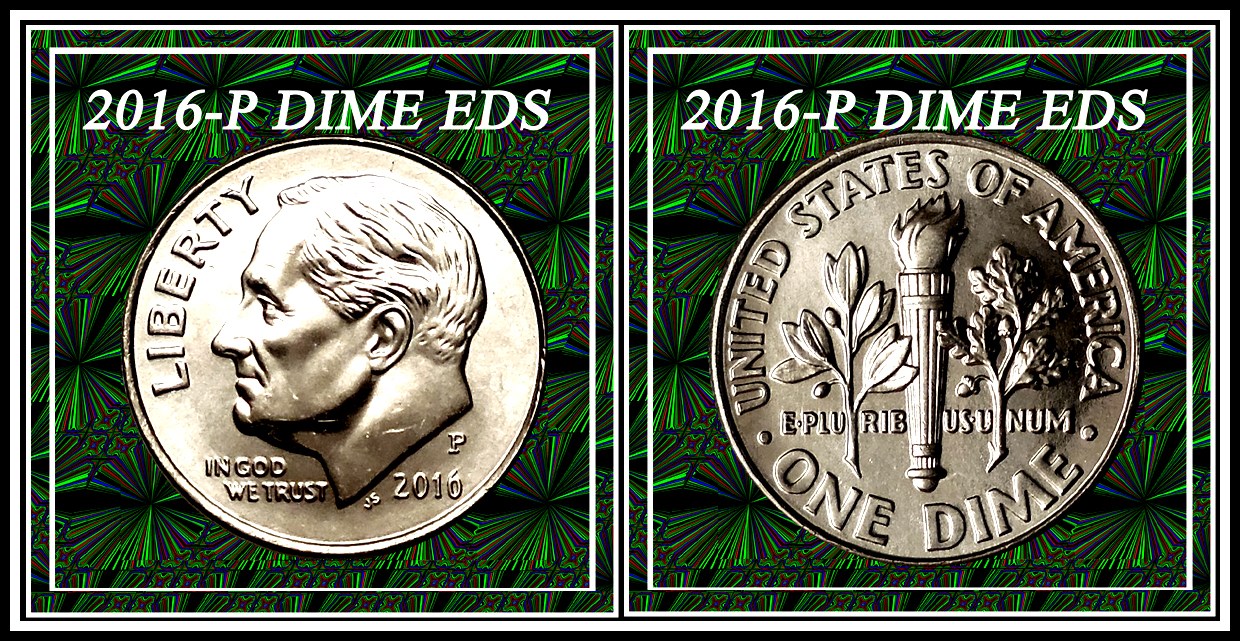
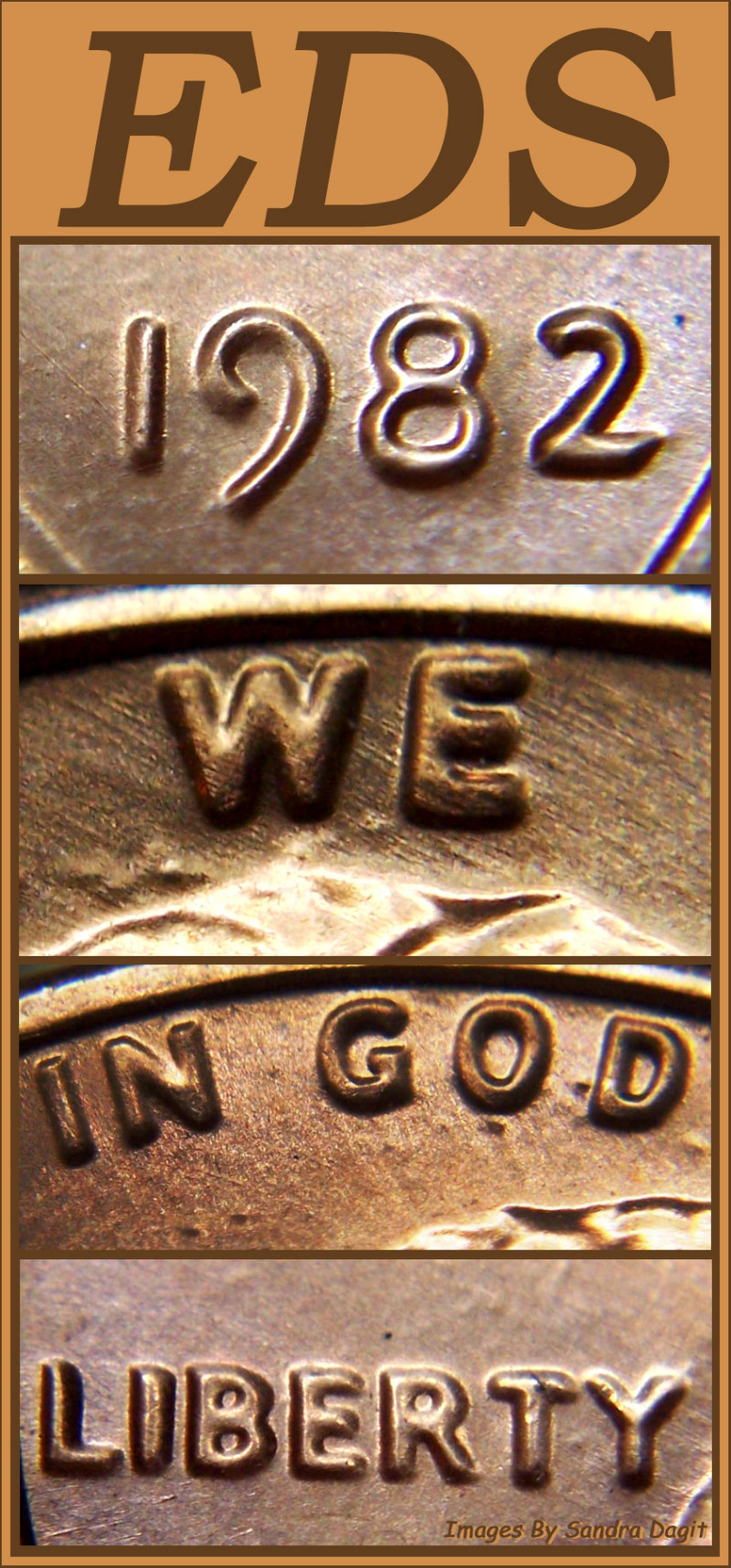
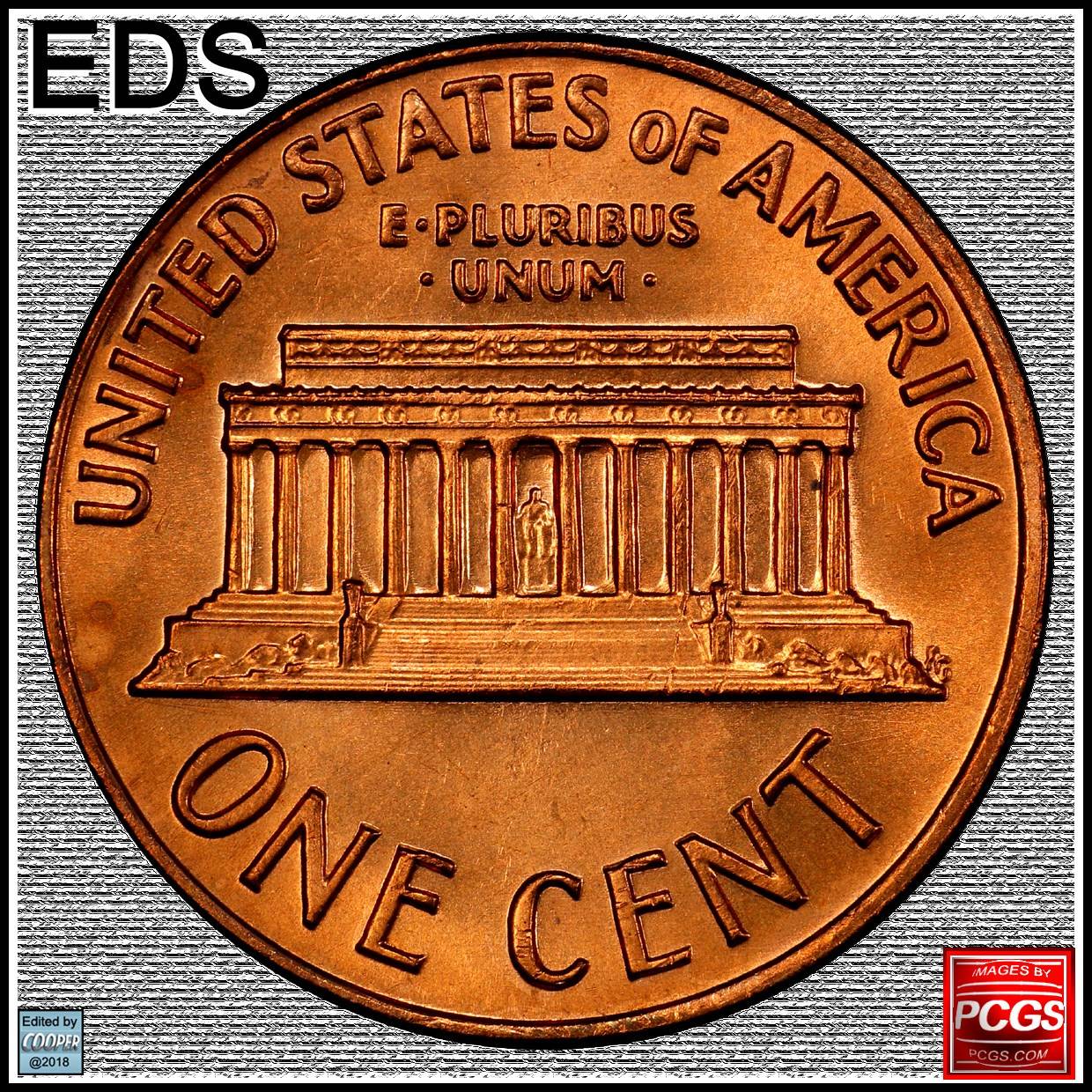
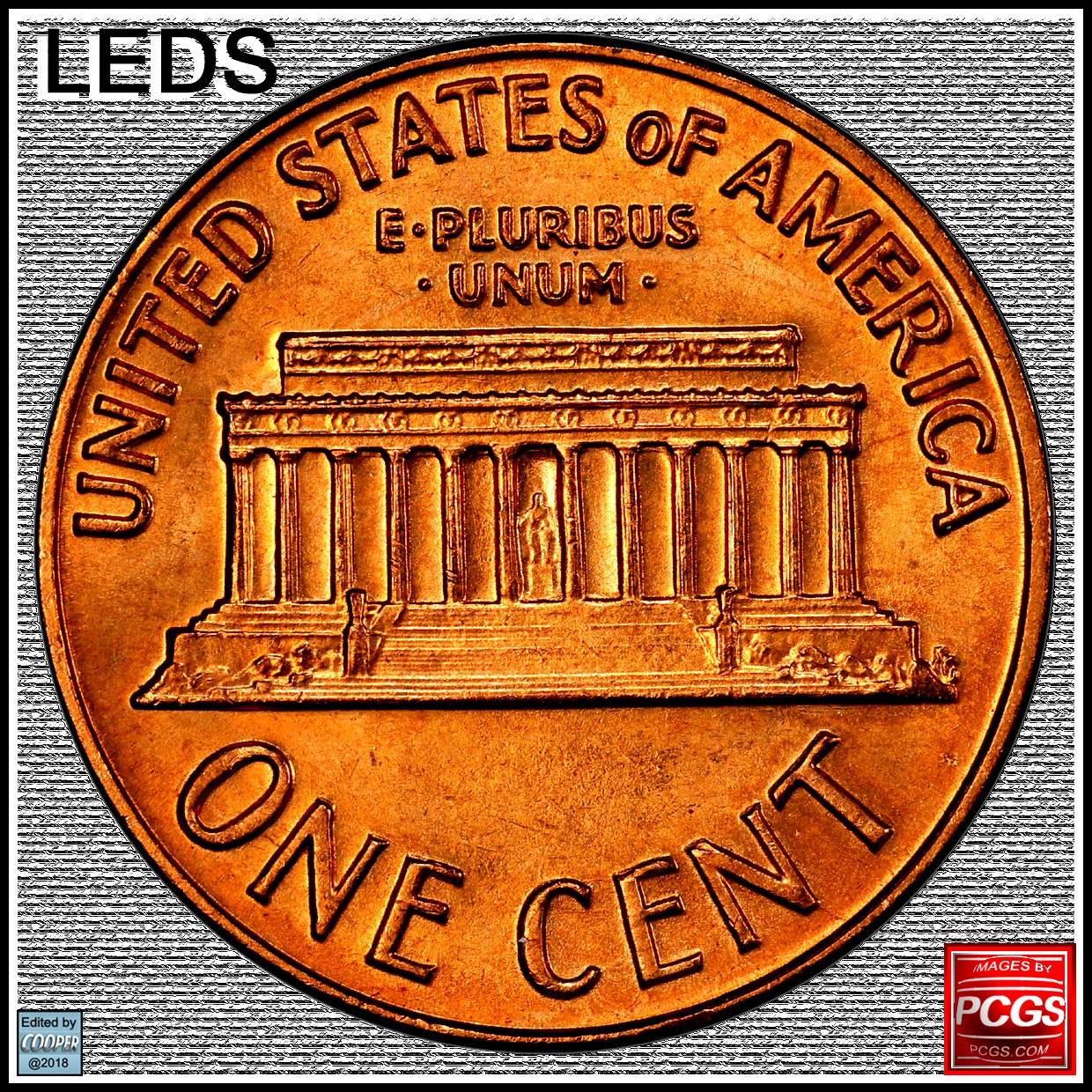
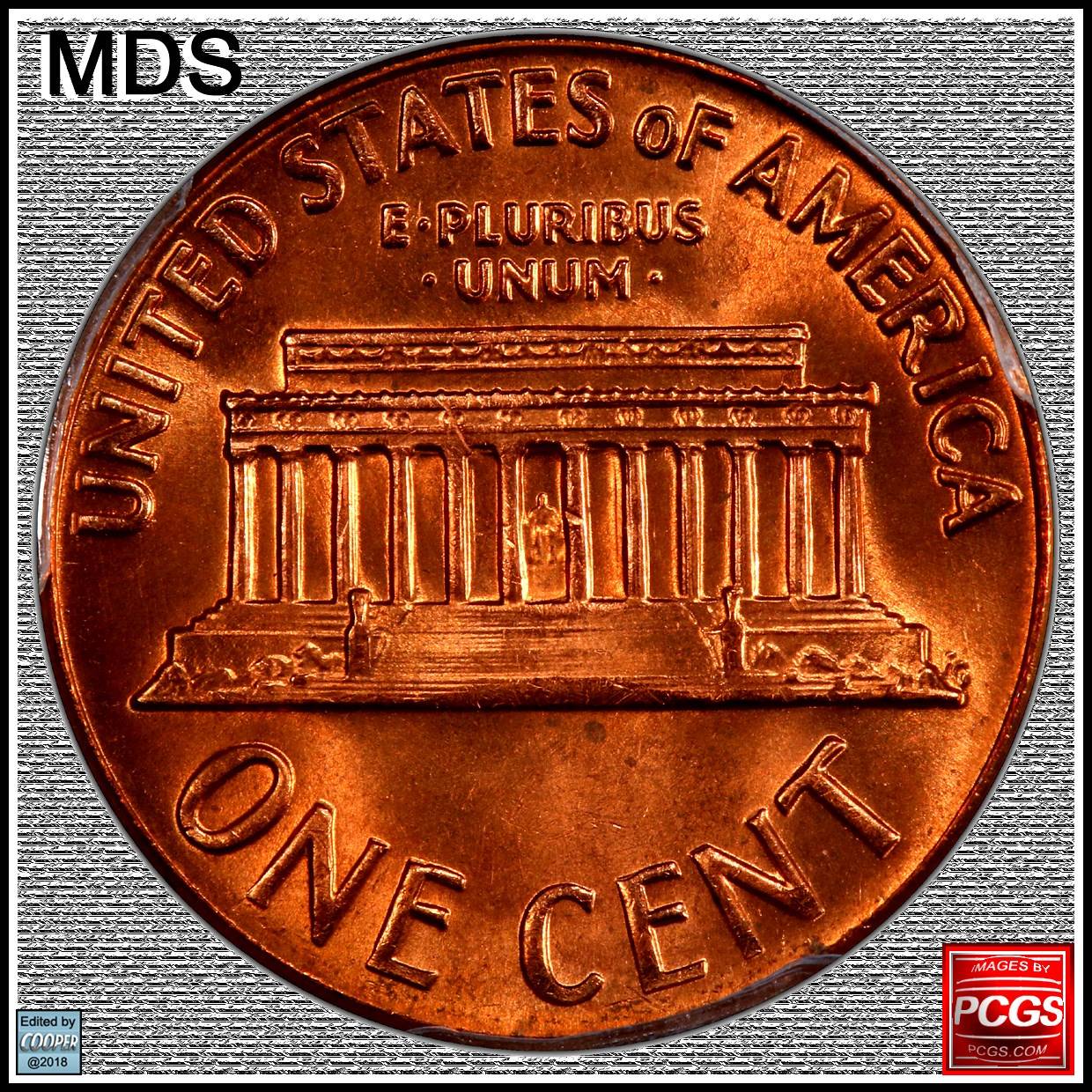
Often you can find EDS cents in circulation:
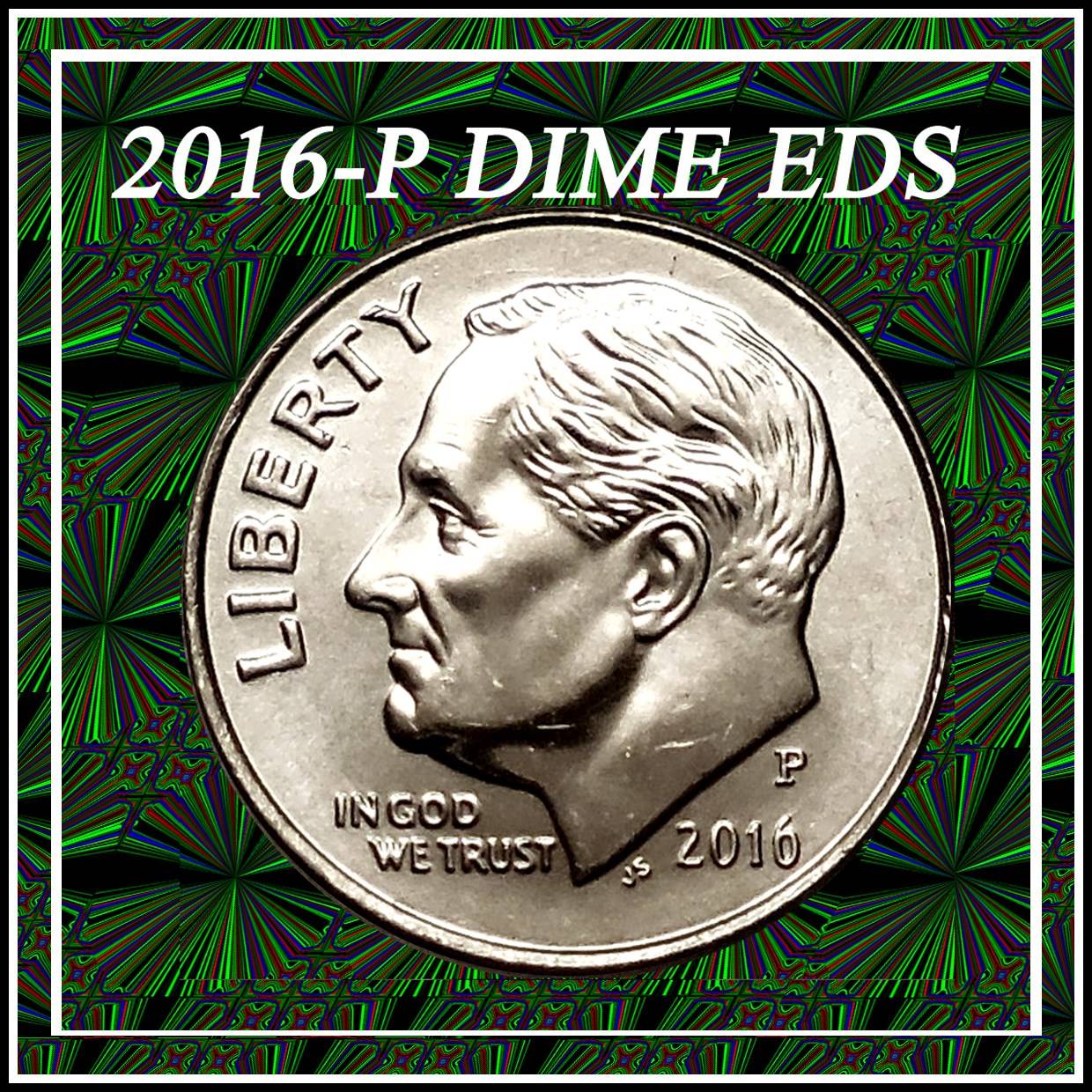
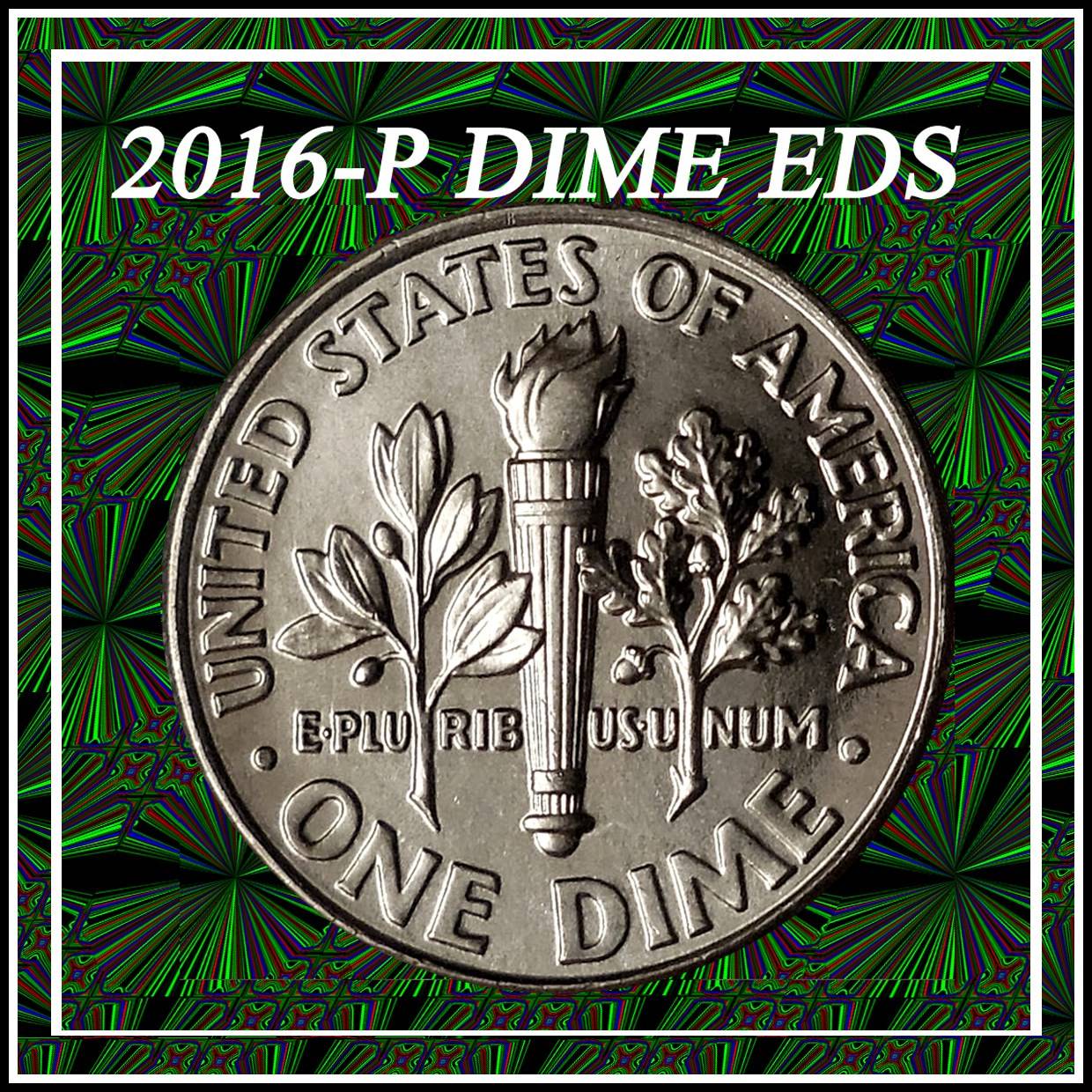
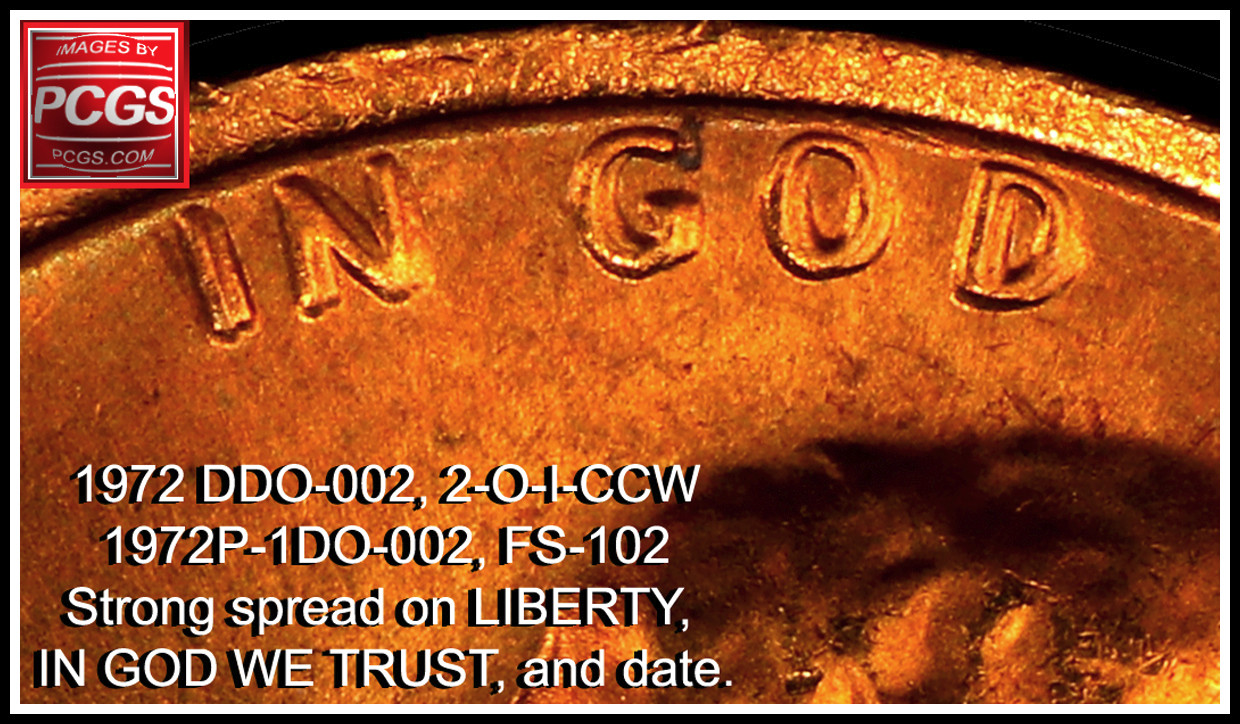
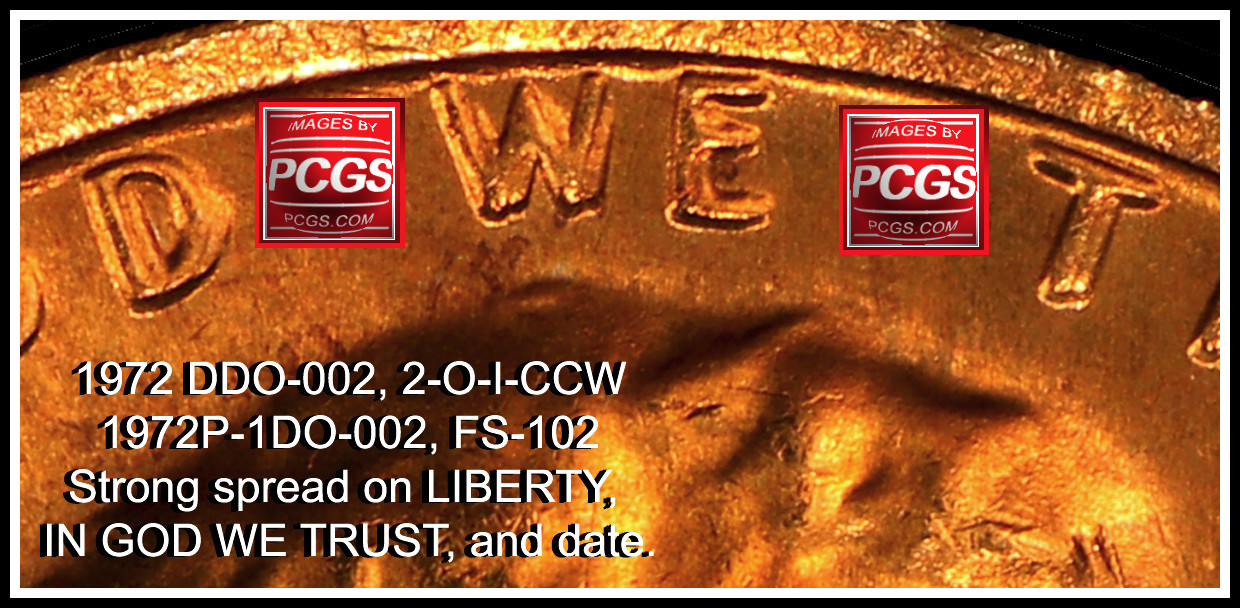
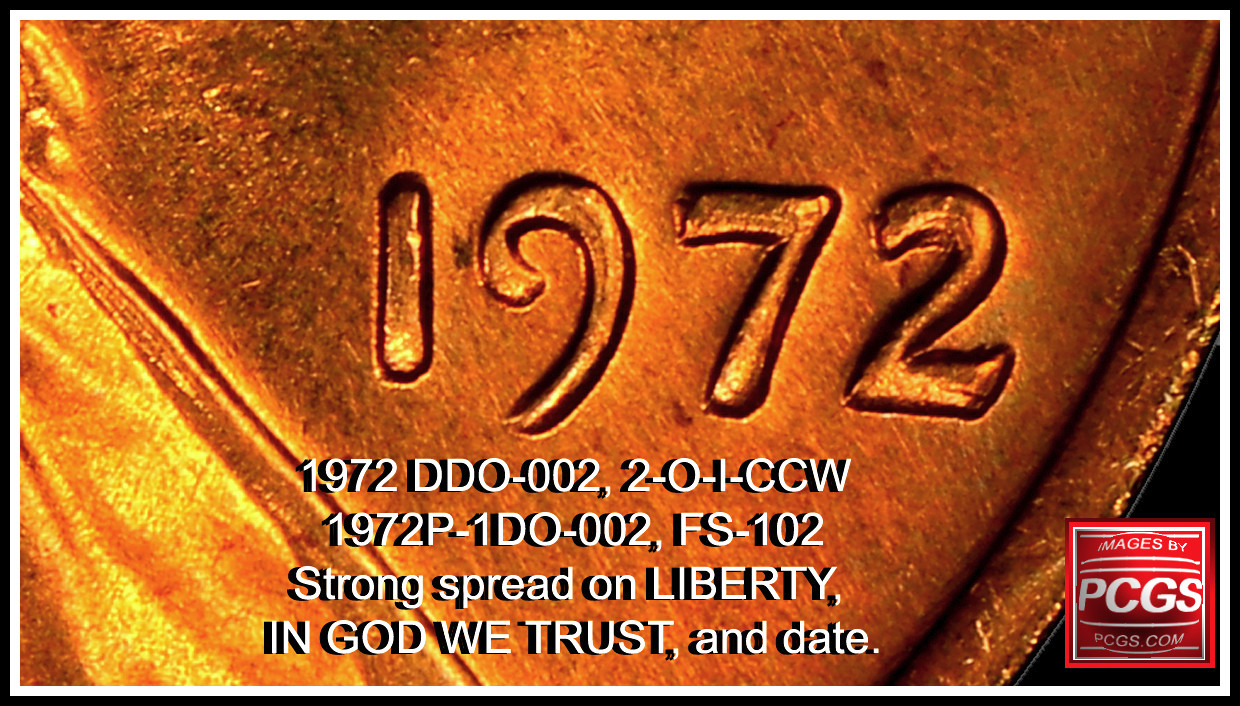
Even doubled dies are out there in earlier die states.
 Wheat cent
 reverses:
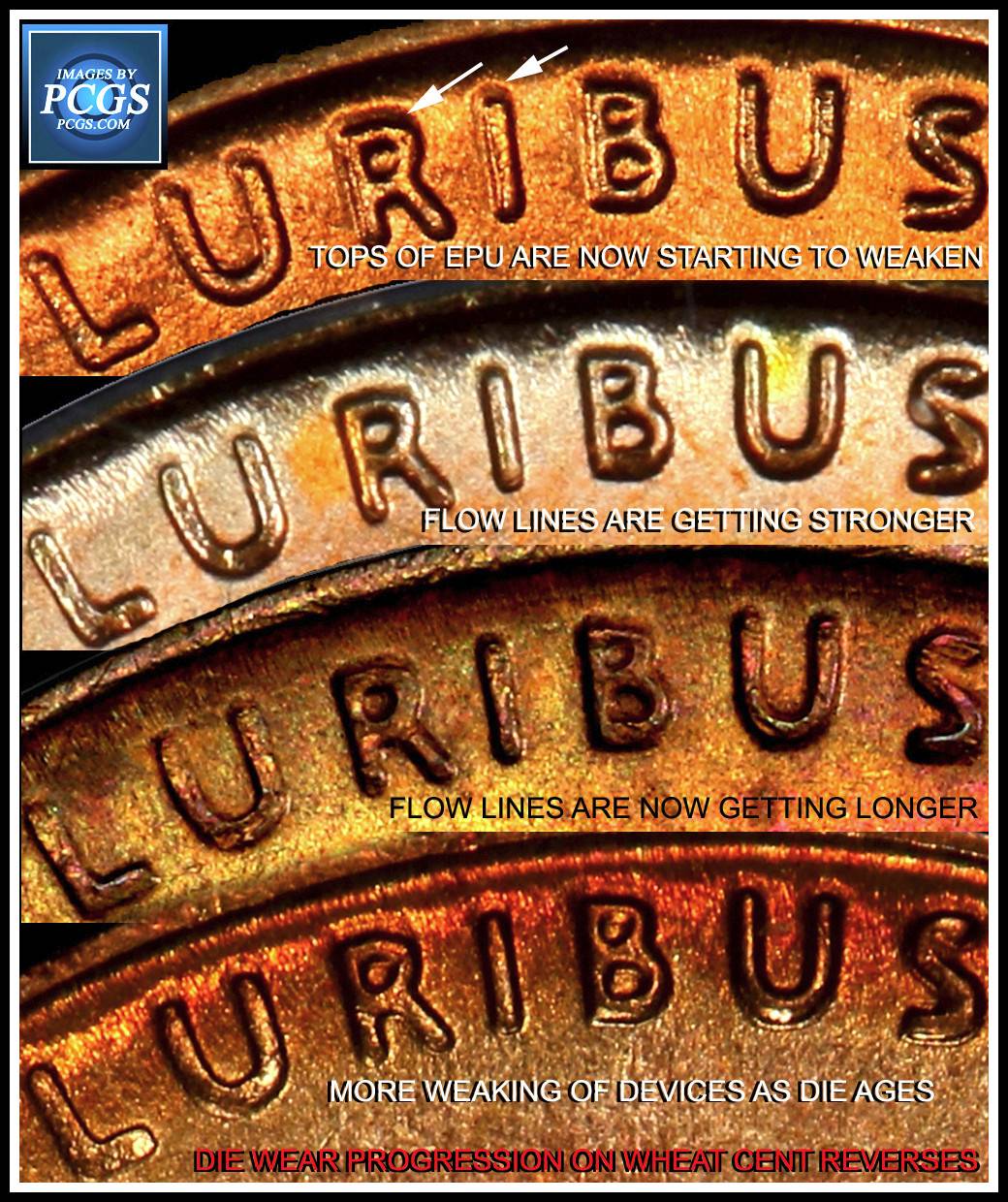
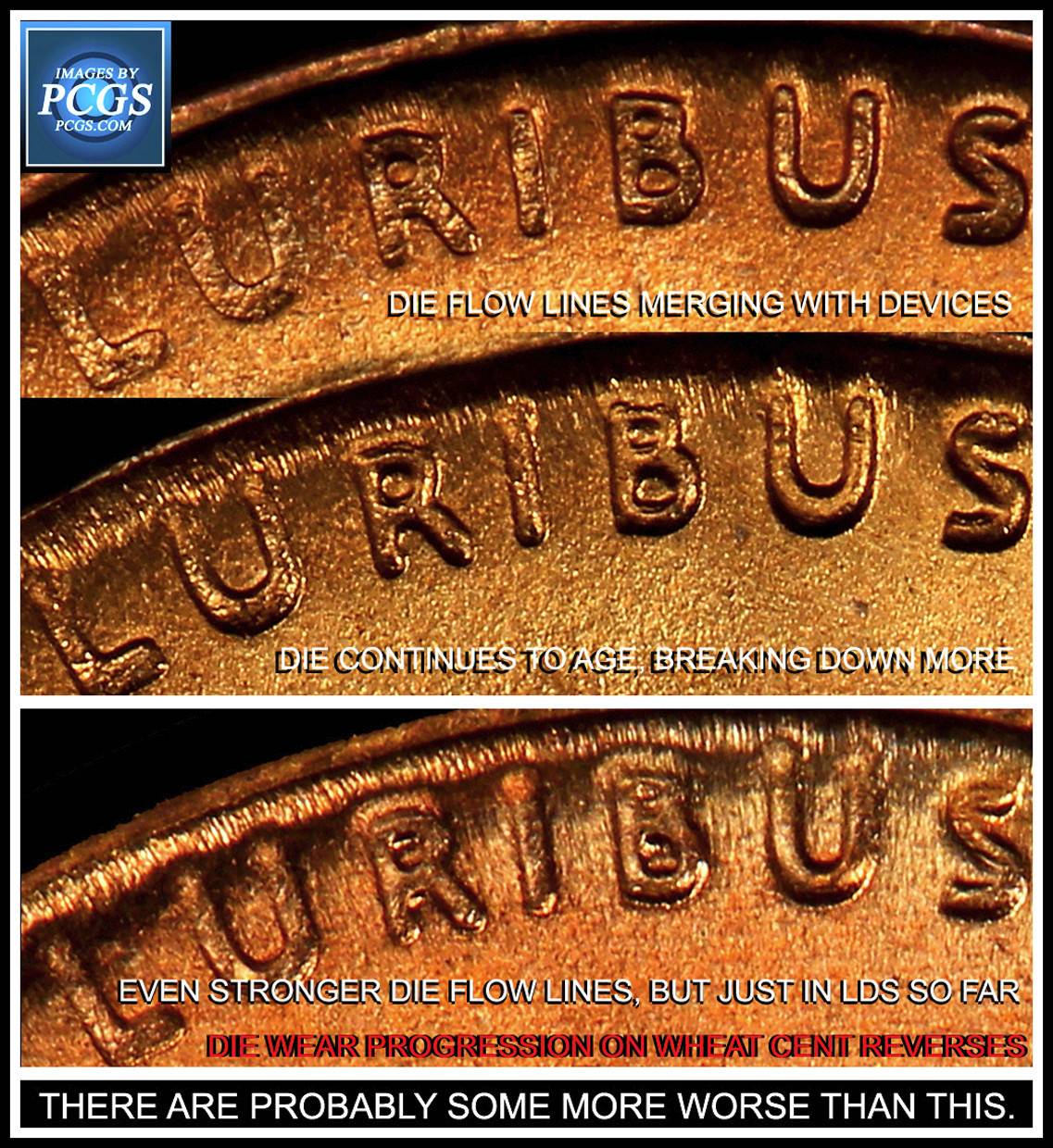
Memorial Obverses:
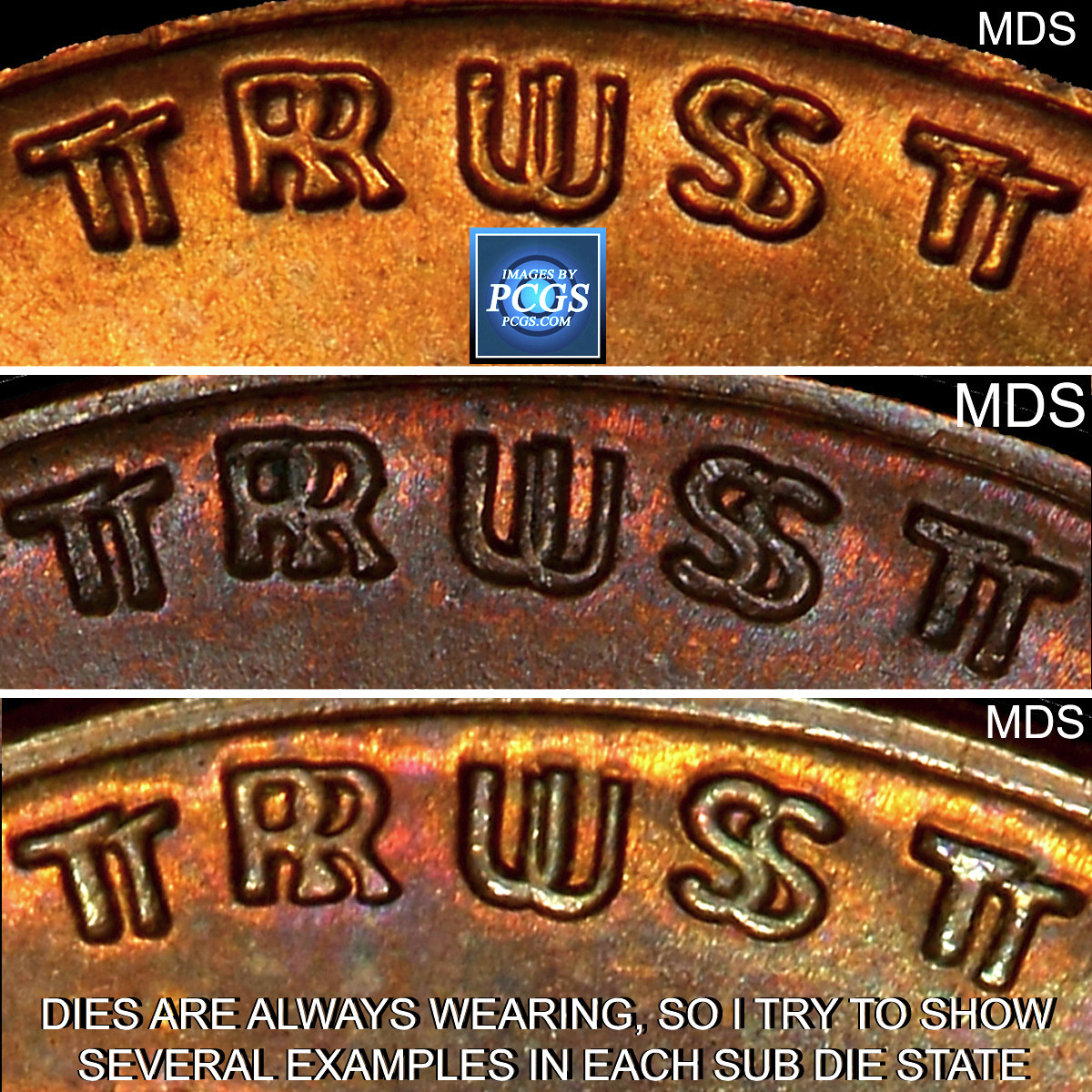
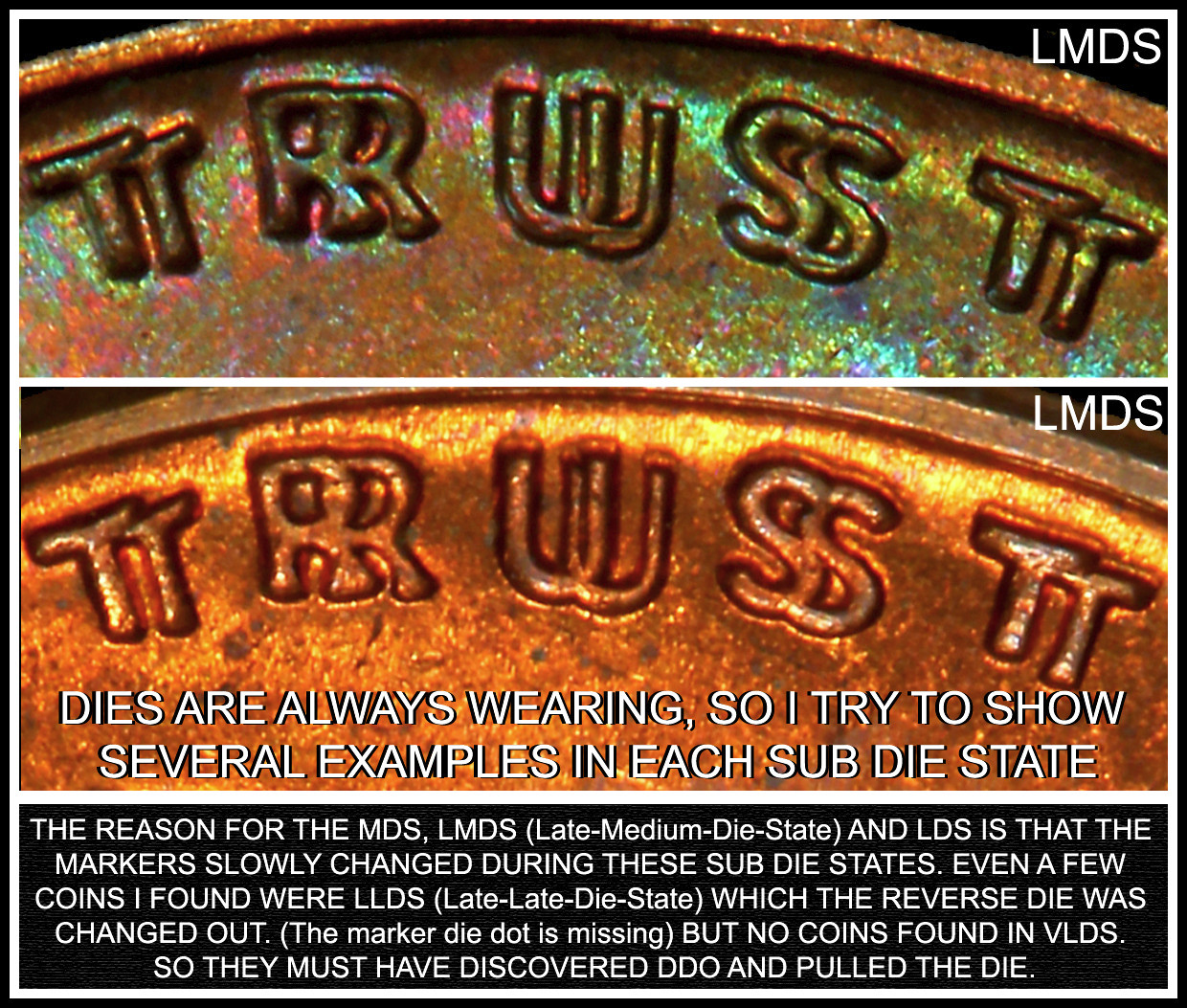
If the coin they are selling is in an earlier die state, down the road when you want to sell it, you can point this out. A true collector would appreciate a better die state of coin. Someday, they might recognize these on the slabs. (but not yet)
CoopHome : Die States





 Posted 12/07/2018 2:25 pm






 I started looking at your pictures and had to stop to make some popcorn ! This was better than a movie. Great work and help for many I'm sure ! It's almost should be a Must Read !