| Author |
 Replies: 8 / Views: 1,189 Replies: 8 / Views: 1,189 |
|
|
Valued Member
Netherlands
145 Posts |
Hi all, I bought this coin from a reliable seller for about $14, but now I have my doubts about its authenticity. The looks are off.. Or it the result of extensive cleaning? I also found out that Tetricus coins in good conditions are considered to be 'rare' as these coins were generally poorly struck. Whenever I read "rare" in combination with coins I immediately bring out my worst scenario ideas. Experts, is it a fake or a real one? 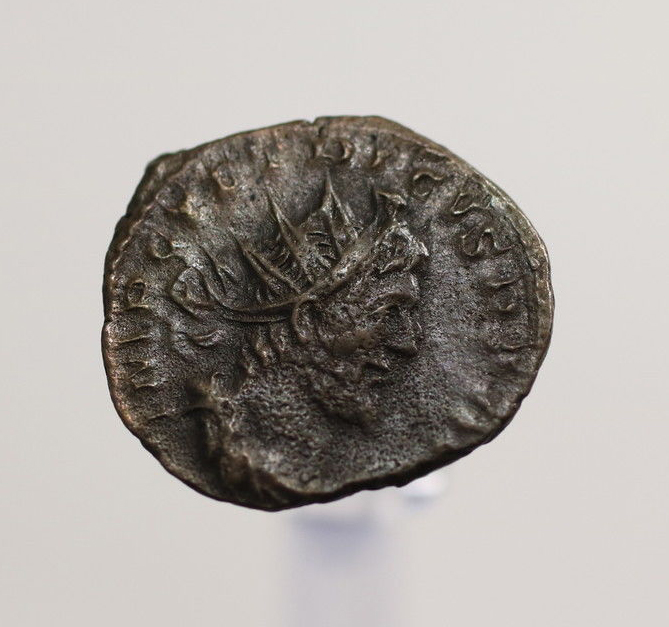 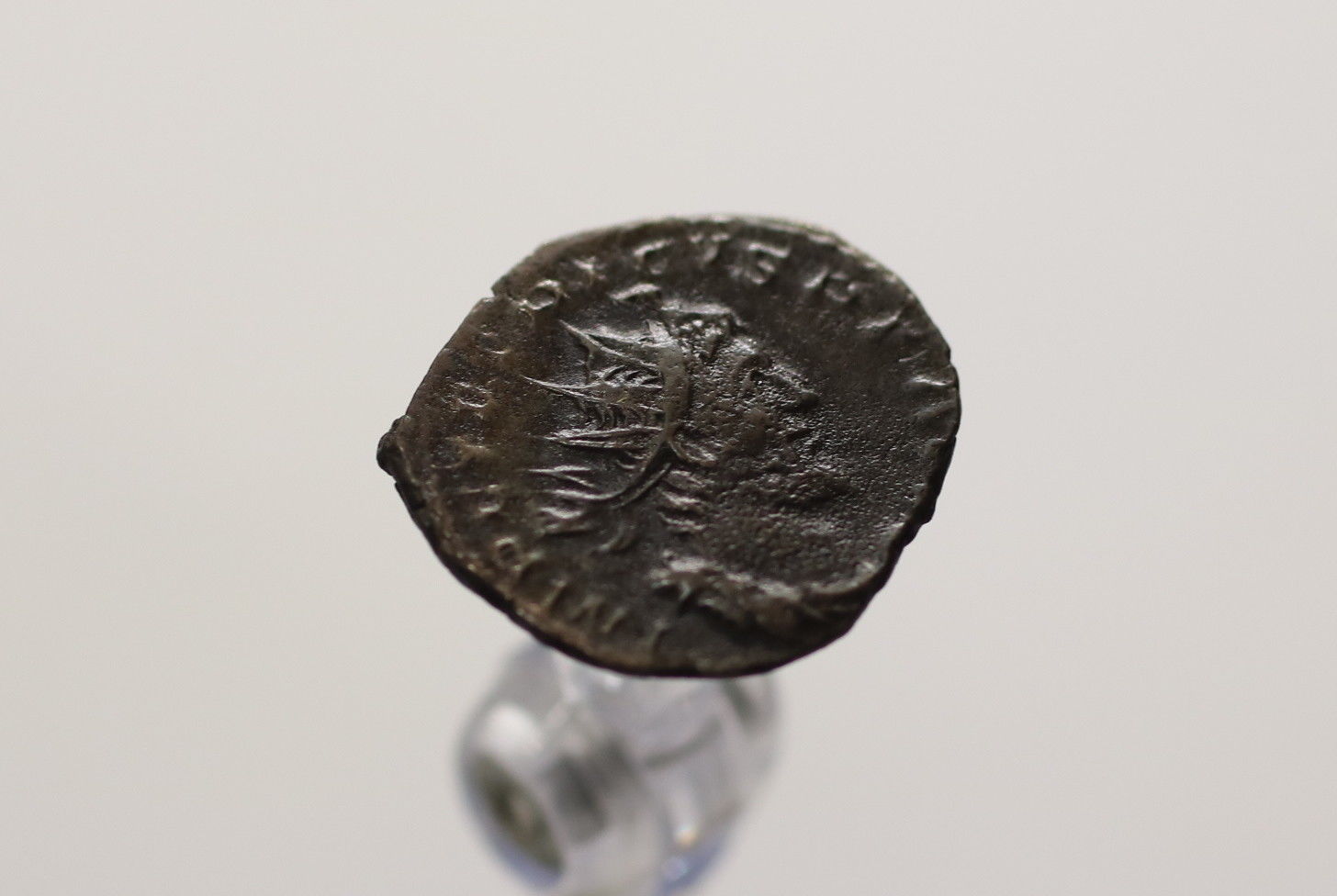 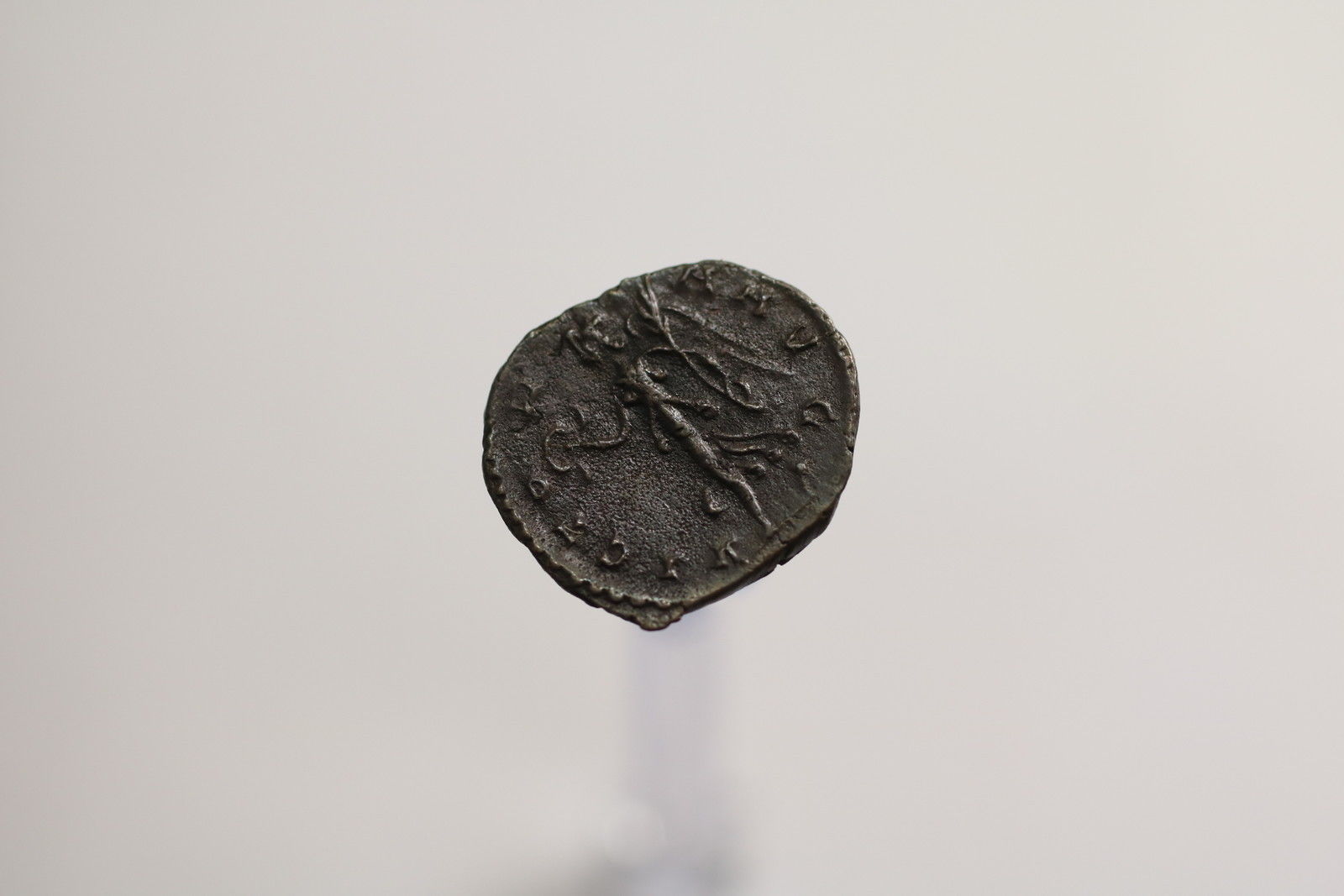 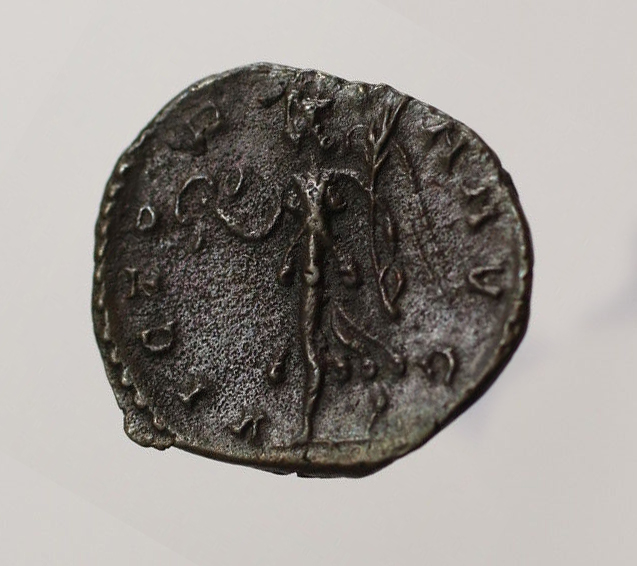 Edited by MetzKaj
01/15/2019 07:20 am
|
|
|
|
Moderator
 United States
23731 Posts |
|
|
Pillar of the Community
United States
7067 Posts |
|
|
Pillar of the Community
United States
6130 Posts |
Genuine, just from a different mint, or at least not the usual engraver. Probably from early in his reign before the mint knew what he looked like.
|
|
Valued Member
 Netherlands
145 Posts |
Hi thanks all! That's great news!
@Finn235, could you elaborate about the mint/engraver? I have the feeling there's a story to tell about this coin/ruler. I know he was not a Roman emperor, but the emperor of the beakeaway-state of Imperium Galliarum. That's what I know about this fella, yet nothing about the mint(s) his coins were involved in.
|
|
Pillar of the Community
United Kingdom
4208 Posts |
Looks real. His coins in good condition are common since a hoard containing loads of them was broken up, but coins with both the obverse and reverse well struck can be hard to come across.
Postumus tore Gaul (and Hispania and Britain) away from Rome and began putting the empire to shame by restoring creativity and good artistry to coinage, issuing sestertii and even denarii made of actual silver. The gallic empire coinage represents one of the last hurrahs of ancient numismatics (Carausius would do something similar). He was very successful, but was eventually assassinated by Laelianus, who himself was quickly deposed by Marius, who was them himself quickly deposed by Victorinus. Under Victorinus...well, the Gallic empire did okay, but it was no longer the powerhouse it was under Postumus. The earliest of Victorinus' coinage bears the likeness of Marius and, in turn, the earliest coinage of Tetricus bears the likeness of Victorinus. This seems to be for no other reason than the mint not knowing what he looked like, but being immediately put to work issuing his coinage, which is noted for other emperors around the time, for example, the pre-reform coinage of Aurelian bears a bust very similar to that of Claudius Gothicus. This coin has a lot of Victorinus-esque features and is likely an early issue.
Tetricus, to his credit, produced a lot of very interesting coins, with jugate busts and facing portraits and the likes. Eventually, Gaul was restored to Rome, though in unclear circumstances. Historians suggest that Tetricus may have been allowed to retire and live out the rest of his life out in the countryside.
|
|
Valued Member
Netherlands
145 Posts |
Thank you! Very interesting.  |
|
Pillar of the Community
United States
6130 Posts |
I have a similarly-styled Tetricus antoninianus - I'll have to dig it out and image it.
Except for Tetricus and his son Tetricus II, every Gallic emperor was murdered between 269-273, and not a single one had a successor lined up. Needless to say, confusion abounded, and there was even a lengthy interregnum between the death of Victorinus (killed for seducing his officer's wife) and the elevation of Tetricus - During this time Victorinus' mother ruled, but sadly we don't have any coins.
There were at least two "official" mints in the Gallic empire, probably Trier and Cologne. However, as the political situation destabilized, local mints started opening - many appear to have been made by the local village blacksmith, but others are convincing in style.
|
|
Valued Member
Netherlands
145 Posts |
Quote:
I'll have to dig it out and image it. You should! So it's very likely that we are looking at a Trier/Cologne minted coin? |
| |
Replies: 8 / Views: 1,189 |
|





 Posted 01/14/2019 10:27 pm





