| Author |
 Replies: 10 / Views: 1,162 Replies: 10 / Views: 1,162 |
|
|
Pillar of the Community
United States
3207 Posts |
|
|
|
|
Bedrock of the Community
United States
79393 Posts |
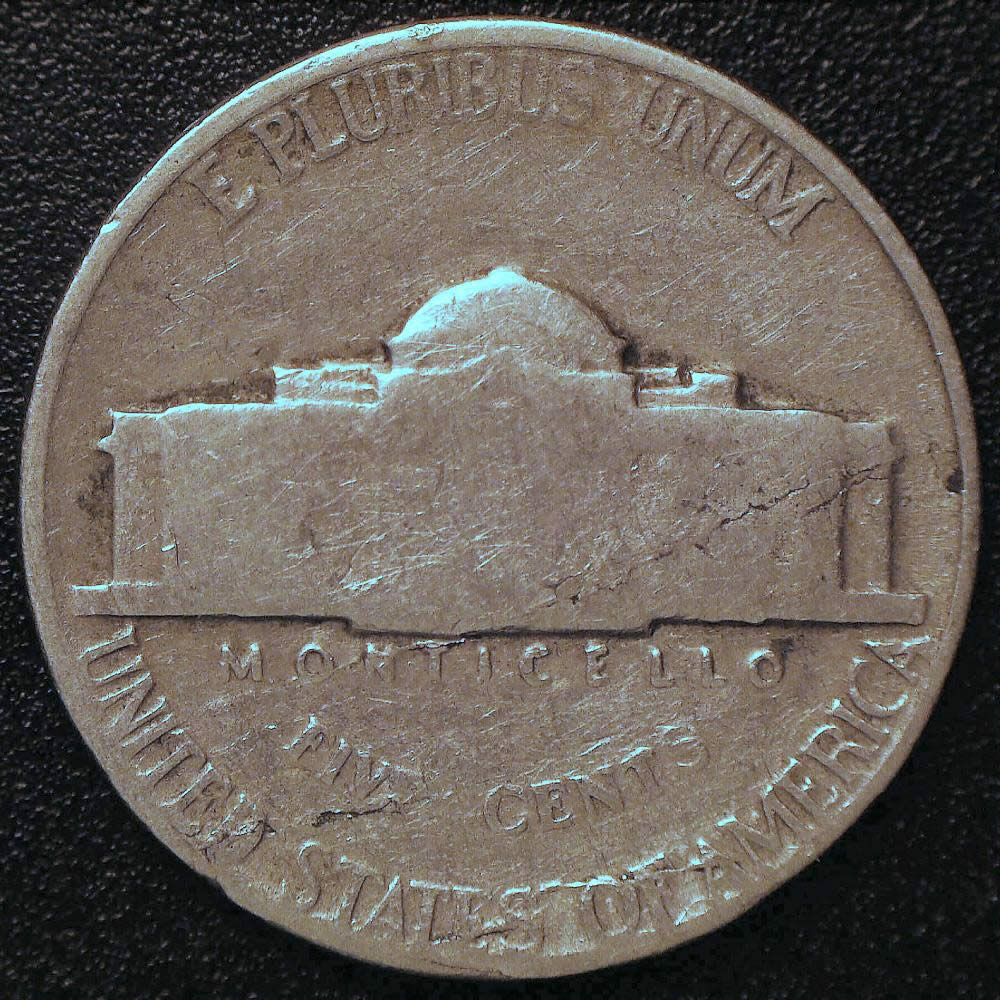
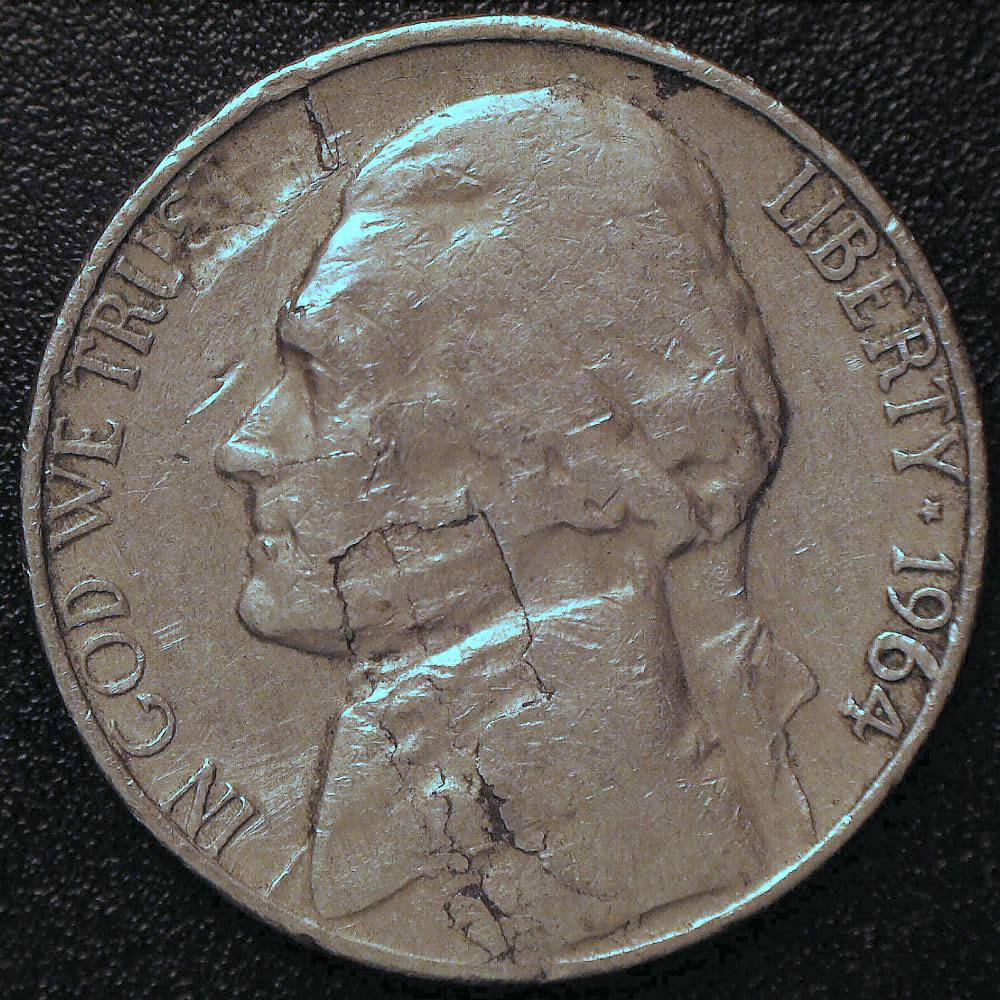
You're correct. Very nice Laminations!
Errers and Varietys.
|
|
Pillar of the Community
United States
4212 Posts |
I've never seen it on a '64, to that extent. Nice find!
|
|
Pillar of the Community
United States
5887 Posts |
Very nice '64. Probably the most major one you have there. Congrats!
-CH27
Collector of U.S. Coins, Varieties, and Colonial Coinage
|
|
Pillar of the Community
 United States
8946 Posts |
 all great examples! |
|
Pillar of the Community
 United States
3207 Posts |
Thanks for the comments. Are laminated areas usually straight across because the metal was rolled in straight lines before planchets were punched out?
|
|
Bedrock of the Community
United States
94367 Posts |
Nice lot, and good question!
|
|
Pillar of the Community
United States
8946 Posts |
No nick10, it's when impurites get trapped in the metal and move to the surface
|
|
Pillar of the Community
United States
3207 Posts |
Sounds reasonable, but then the question becomes why do such impurities get trapped along the typical straight line of a lamination?
|
|
Pillar of the Community
United States
2775 Posts |
Quote:
Sounds reasonable, but then the question becomes why do such impurities get trapped along the typical straight line of a lamination? My thinking is it typically follows a line, but not always, So called impurities and or poor alloy mix may start out as a puddle. When placed under a ton or several tons of pressure, the material will flow/spread forward or ahead, with each pass of the stock material during the rolled stock reduction process, while trying to achieve proper thickness for the blanking process. Thanks, Doug. |
|
Pillar of the Community
United States
1335 Posts |
|
| |
Replies: 10 / Views: 1,162 |
|













 Posted 02/21/2019 2:56 pm


