Quote:
Were they made by choice, or by necessity, (i.e. when technology to make round planchets was unavailable)?
I think that I can provide a partial answer, but will look to more knowledgeable members to fill in the blanks. For sure, technology to produce round coins existed prior to 1626 AD. In fact, it looks like the earliest coins struck in Sweden were from the reign of Olaf Skotkonung (994-1021/1022 AD).
Rather than a technological deficiency, I think that Klippe coinage was struck because there was something bad happening (such as an invasion or foreign occupation). In researching a more comprehensive answer to your question, I have found David Ruckster's online book, "The Coins of Sweden To Queen Christina" over at numismatas.com. Here is a partial quote from that, although, in looking at the full text, it appears as though some of this explanation may have been written originally for a CNG auction.
Quote:
Klippes, with their distinctive square or diamond shaped flans, have an interesting role in the history of coinage. They are perhaps best known as siege or necessity issues that were produced to pay soldiers or mercenaries during wartime. In these situations, production speed was paramount.
Commanders needed large, denominated quantities of precious metals to distribute to their troops. Klippes served this need well because of their ease of production. To create klippe coinage, a mint simply forged metal bars of a certain thickness, stamped the bars with a punch or die, and then clipped the metal into regular, square-shaped pieces. With this type of manufacturing process in place, a mint could produce coinage much faster than usual, far outstripping its production rate of round coins. As a consequence of their hasty construction, however, siege or necessity issues are generally crude, showing little of the artistry and detail of peacetime coins. Rather, they reflect the stressful situations under which they were created. As such, they provide a fascinating look into many turbulent periods of history.
Although most frequently produced as siege issues, klippes served other roles in European coinage. Perhaps because of their unusual shape, which set them apart from regular coins, they were produced as commemorative issues to publicize or celebrate special events. War treaties, birthdays, baptisms, building dedications, and festivals - among other occasions - were the subject of many klippe issues. Unlike their siege coin counterparts, these peacetime klippes, frequently issued in taler denominations, were skillfully executed. In some cases, they were even presented to visiting delegates or royalty as mementos.
Apart from their role as special issues, klippes were issued regularly in some locales as part of a city's standard coinage. The archbishops of Salzburg, for example, issued klippe coinage for several hundred years contemporaneously with their round coinage. In other cases, as with the German city of Hildesheim, klippes were produced as tokens and denominated according to the value of a redeemable commodity. Therefore, some klippe issues had purely utilitarian uses unrelated to sieges, wars, or commemorations.
Klippes paint a fascinating and highly varied picture of European history, from the turmoil of warfare to the celebration of a special event. As such, almost every coin has a story to tell.





 Posted 03/02/2019 08:53 am





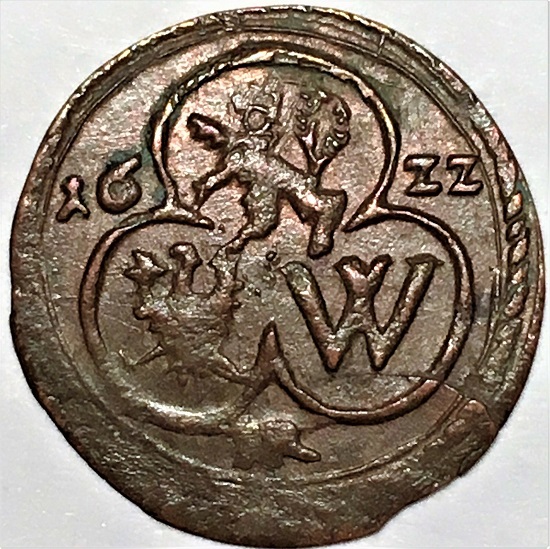
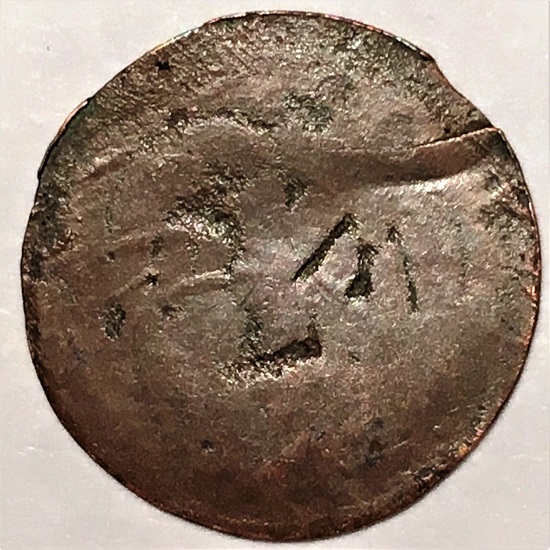
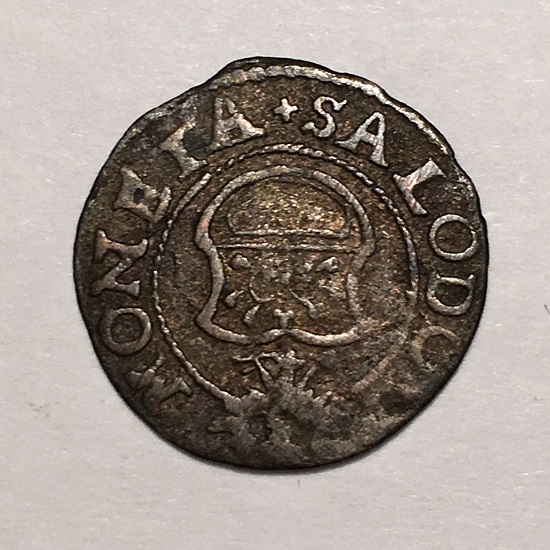
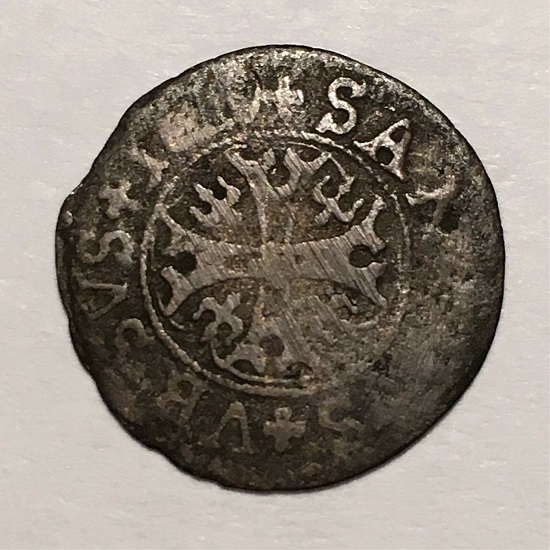

 Yours has the same crown type as me and I like the remaining detail on yours.


