| Author |
 Replies: 17 / Views: 3,577 Replies: 17 / Views: 3,577 |
|
Moderator
 United States
23731 Posts |
This purports to be a penny of Aethelred II, IMO it has both good and bad signs. Using my copy of Spinks I'm still undecided if it's genuine or not. What do you think? 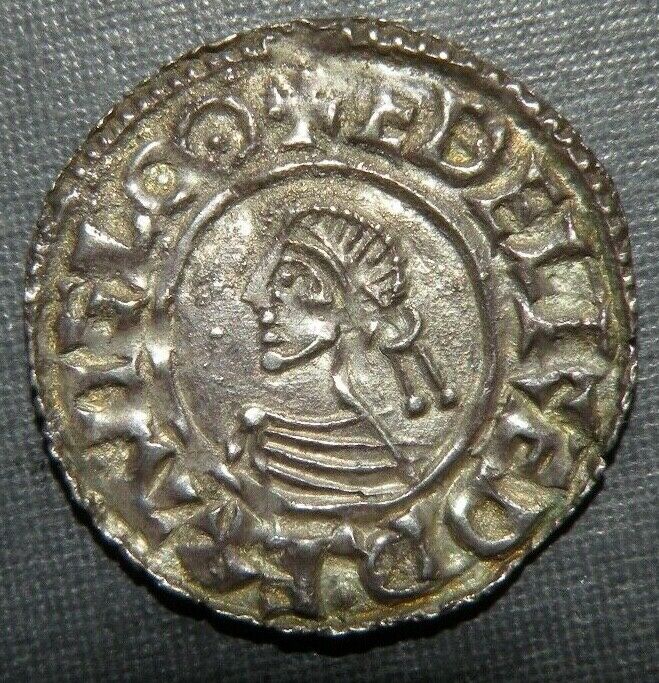 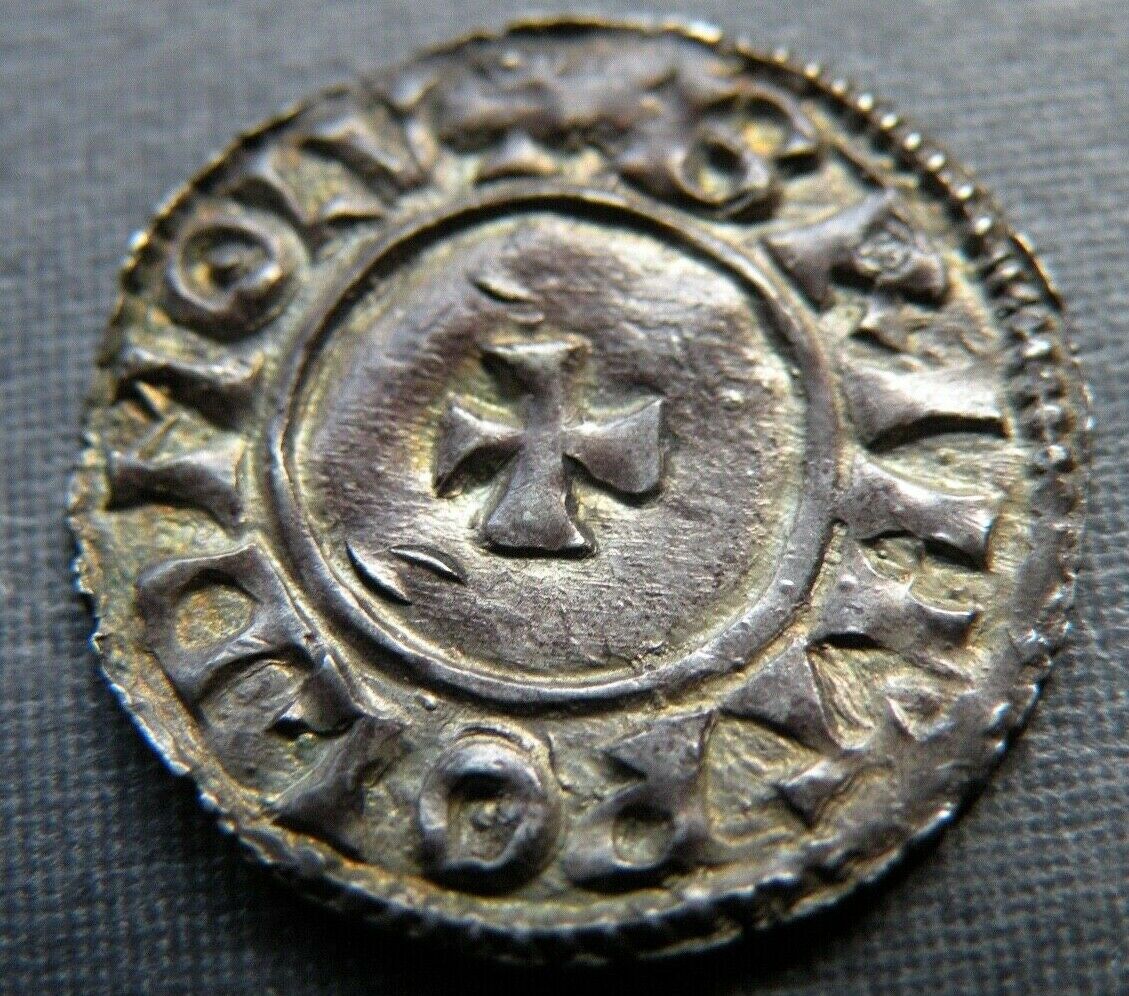 No size or weight available. |
|
|
|
Pillar of the Community
United States
7067 Posts |
I don't see anything screaming "fake," Ron, but, then, it's not a series I know well. I am curious to know what your reservations are (the bad signs), but I realize you may be holding back your own observations for now, waiting to see what others think.
Edited by Kamnaskires
03/30/2019 3:00 pm
|
|
Pillar of the Community
United Kingdom
4208 Posts |
There is some chatter, especially on the obverse, which could only have come from a rusted die or from casting. The beading around the edge is a bit mushy too. I wouldn't risk it - the only place I'd buy an anglo-saxon coin is from a trusted dealer.
|
|
Moderator
 United States
23731 Posts |
This is being offered by the same seller that I sent back a fake Alfred the Great penny. I'm thinking that this coin might come from a known fake seller in Eastern Europe that he inadvertently bought for resale. If genuine it would be a nice coin, but you can see why I'm cautious about bidding.
|
|
Moderator
United States
34546 Posts |
Are such thin coins typically cast when being made in modern times? Not doubting, just trying to learn something...
"If you climb a good tree, you get a push."
-----Ghanaian proverb
"The danger we all now face is distinguishing between what is authentic and what is performed."
-----King Adz
|
|
Moderator
United States
23731 Posts |
That's what I'm trying to do also Dave. What I know about this type wouldn't fill a thimble 1/4 way. While Spinks is a nice reference it doesn't go into any detail about the coin. The only reference on counterfeit Anglo Saxon coins is a pricey book that I'll have to think about buying.
|
|
Pillar of the Community
United States
1554 Posts |
I agree with Ben's either/or assessment of the obverse. I don't think the seller is a crook but I also don't think he knows what he's doing. Caution is warranted. That being said, it appears to be Aethelred's "last small cross" type, North 777. The moneyer is Brihtwold, London mint (+BRIHTPOLD MO LV, "W" was written as "P" at that time). The Viking peck marks on the reverse are normal. 8 bids, all from different bidders, and 20 watchers in the first day of a 10 day auction is a good sign for authenticity but not so much for bargain-hunting. If the hammer falls at not much more than $200 and there prove to be no hidden flaws or issues with authenticity, it would be a good value and a fine start to your Anglo-Saxon collection. However, there is no predicting ebay and it may sell for more. Retail for a similar coin would be $300+ imho. For peace of mind, I would have it checked for authenticity by an expert within the return period. Also be sure to check for cracks and perforations by holding the coin in front of a light source. For comparison: https://cNGCoins.com/Search.aspx?PA..._TYPE_ID_4=1Edited by Kushanshah
03/31/2019 06:24 am
|
|
Moderator
United States
23731 Posts |
Thanks KS, I was hoping you would respond. Their is a lot more I need to learn about Anglo Saxon coinage before I venture into this type. I was unaware of the peak marks for example, I thought they were just flaws in the flan. What purpose do they serve?
|
|
Moderator
United States
34546 Posts |
Ron, if I might jump in here while you are waiting on a reply from @KS, here is some info about those peck marks from Czwojda Lukasz (link to Polish-language paper below quote): Quote:
Pecks - this is a customary name of one of the kinds of incisions occurring upon early medieval coins and other silver objects of the time. Pecks in large numbers would have occurred on silver from the end of the tenth till the end of the eleventh centuries over the Western Slavonic area, as well as in Scandinavia, earlier also in the British Isles. The reason why pecks would have been made are not clear whatsoever. There are two hypotheses. The first one maintains that pecks would have been made to check up on the quality of metal, or to sort out the counterfeits. The other ones says that pecks marks are the effects of irrational proceedings of a magic character. In author's opinion while investigating a special regard to the complex of traces accompanying pecks is the key to the correct specification of the incisions' function. These traces are bendings, indents, flattenings and tracks, which so far have not been appropriately considered. The author is of the opinion that the incisions cannot be regarded as silver quality test. Probably the proceedings in question expressed the fears that accompanied the users of silver and were supposed o guard the against its negative influence. http://cejsh.icm.edu.pl/cejsh/eleme...95b6cbcb223f"If you climb a good tree, you get a push."
-----Ghanaian proverb
"The danger we all now face is distinguishing between what is authentic and what is performed."
-----King Adz
|
|
Pillar of the Community
 United States
8051 Posts |
Interesting comment on the peck marks. I assume those are made in the die? To add to kushanshah's comment, there are two dozen or so examples of this small cross type currently up on CoinArchives from sales over the last 6 months. I saw 4 or 5 from the London mint, but none from this moneyer. https://www.coinarchives.com/w/resu...&results=100 I can't help on the question of authenticity other than to say if it is fake I certainly would have been fooled. |
|
Moderator
United States
23731 Posts |
TD, thanks for the information so if made after the coin was struck they are test cuts similar to what appear on ancient coins. If made on the die it would be something else. Very interesting.
|
|
Pillar of the Community
Canada
1269 Posts |
Here is my penny of CNVT. You can see the peck marks on the reverse. 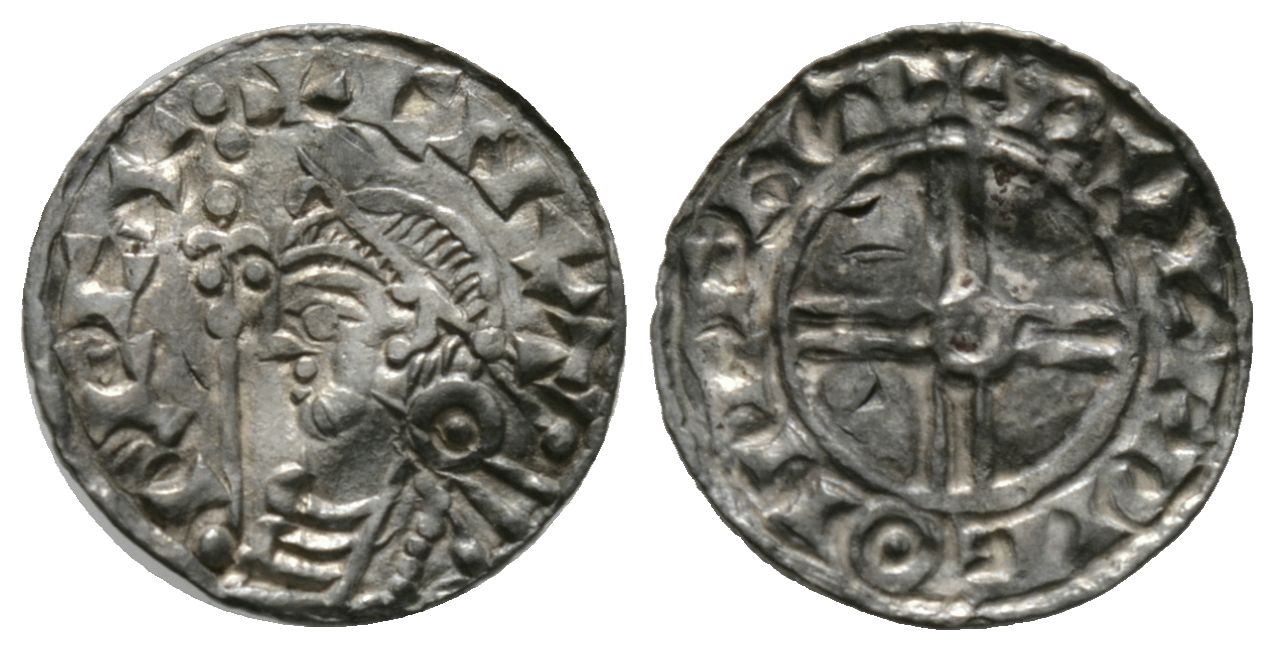 |
|
Moderator
United States
23731 Posts |
Andrew that's a super coin, I want one.
|
|
Pillar of the Community
Canada
1269 Posts |
Thanks Ron. I hope you can find an Anglo-Saxon coin for yourself soon. My go to auctionneer for these coins is Spink. Dix Noonan Webb is also very good. Both are reputable, professional, and very polite.
|
|
Pillar of the Community
United States
1554 Posts |
The only explanation I have ever heard for peck marks is that they are test cuts made by scraping a blade perpendicularly across the surface. A Viking custom.
Edited by Kushanshah
03/31/2019 9:21 pm
|
|
Moderator
United States
23731 Posts |
It may be sometime based on the cost and my limited budget but I will get at least one eventually. I have been buying later English hammered coins lately just picking up some six pence of Elizabeth I and James I along with some 1/2 groats of Edward III and VI and a few pennies of Edward I.
|
| |
Replies: 17 / Views: 3,577 |










 Posted 03/30/2019 4:08 pm


