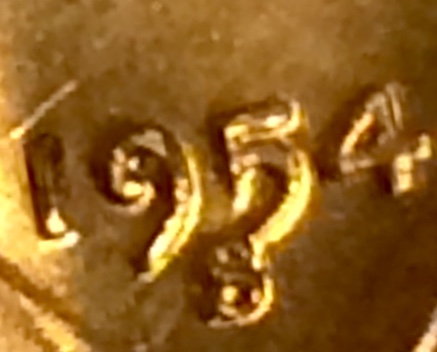
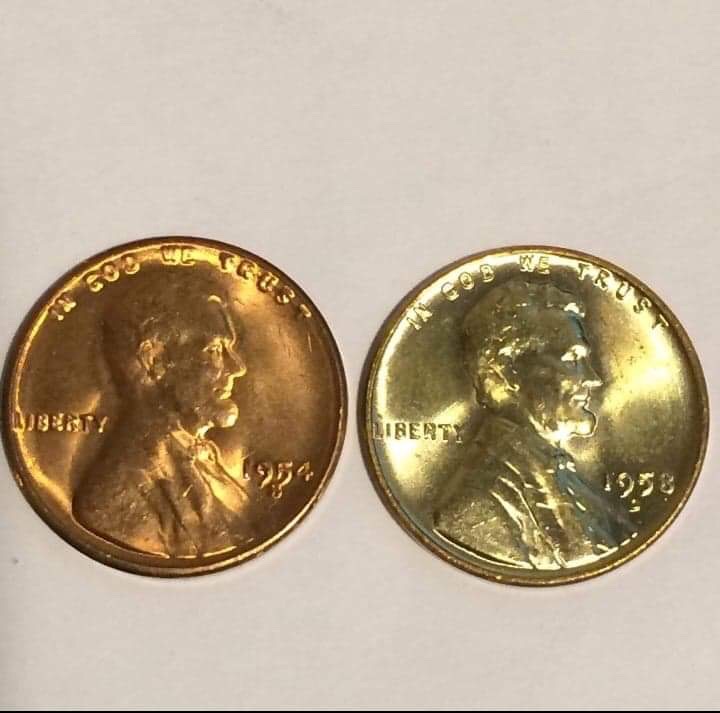
The 54-S in the picture above is the "S touching the tail of the 5" variety. The S was hand punched into the dies, and the majority placed lower between the 9 and the 5 and pretty well spaced and centered than it is on this variety. on another the S is just about completely under the 5 and lower than yours instead of centered between the 9 and 5. on others they didn't punch it well and punched the mintmark a 2nd time and its off a tiny bit creating a RPM "S over S"
It's worth a couple dollars to a variety collector of different die sets. maybe $1-$2-$5, nothing crazy, depends on where you were to sell it and what they'd be willing to pay, ect.
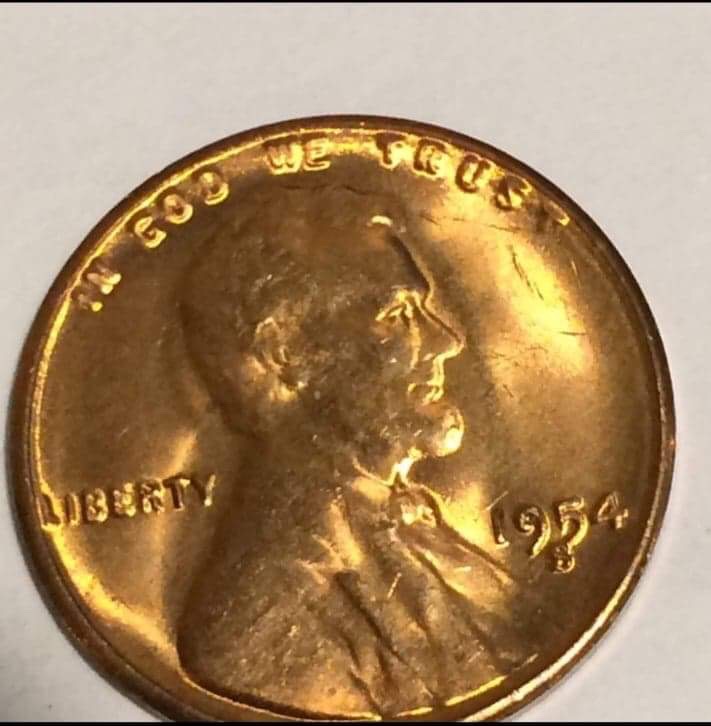
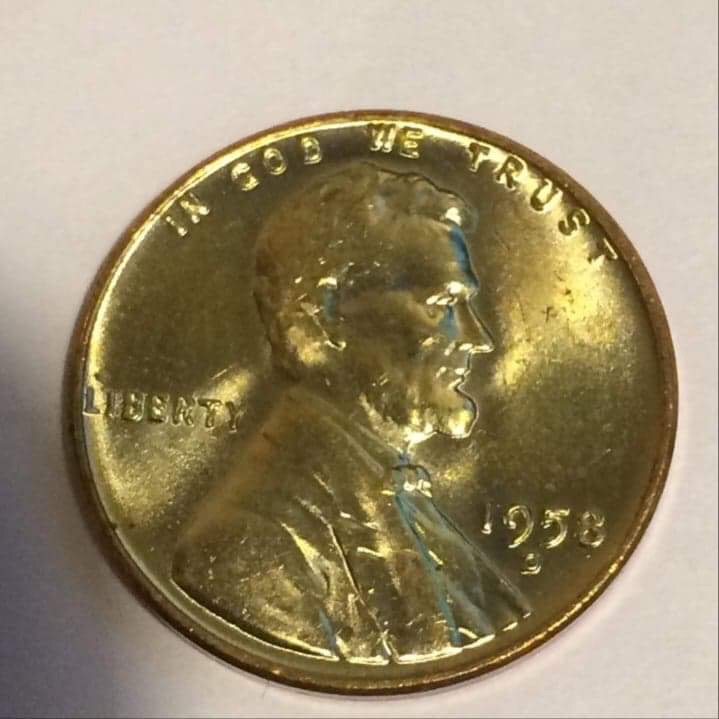
Not sure on the doubling in "in God We Trust" maybe a bit of
Machine Doubling, like a shadow or halo around some letters but that's not a sought for type of doubling.
For an idea of severe true double die, check out the 1955
DDO,the doubling on double dies are all over the coin either front or back because it happens during die creation, the 1955
DDO was done when they made the die from the hub which required a few impressions, and it went out of alignment, all coins struck with that die will look like that coin and there's multiple examples of the 1955
DDO.
other
DDO or
DDR are not as extreme, but the doubling would hold true around the surface from misaligned hub and die during making the die.
In
Machine Doubling, during the strike there's a shift in the dies due to misalignment which causes a chatter and kind of "bounce" and it will appear different from coin to coin as it depends on what bounces during the strike and what doesn't due to the improper alignment and seating of the planchet, usually they are one offs, and not a true variety, but more of a mechanical error.
I hope I made some sense here on the difference between
Machine Doubling and true double dies and it helps clarify what to look for and how to tell them apart. I'm not good at explaining things but hope it at least points you to the places to look to clarify it.









 Posted 04/04/2019 08:13 am


 To the CCF