| Author |
 Replies: 12 / Views: 4,654 Replies: 12 / Views: 4,654 |
|
|
New Member
United States
4 Posts |
Edited by Locaforchange
04/23/2019 05:58 am
|
|
|
|
New Member
 United States
4 Posts |
|
|
Pillar of the Community
United States
1667 Posts |
If it's missing it's clad layer it will be lighter and thinner than a normal quarter.
A normal quarter is
WEIGHT: 5.67g
Diameter 24.26 mm (0.955 in)
Thickness 1.75 mm (0.069 in)
Picture and to the eye can be off color toning and not really missing the nickel layers. Only way to know for sure is to weigh it (easiest) then to measure the thickness with a caliper measuring tool.
It should feel lighter, sound way different, and be somewhat flexible compared to a normal quarter due to its thinness.
Edited by Big-Kingdom
04/23/2019 06:18 am
|
|
New Member
United States
4 Posts |
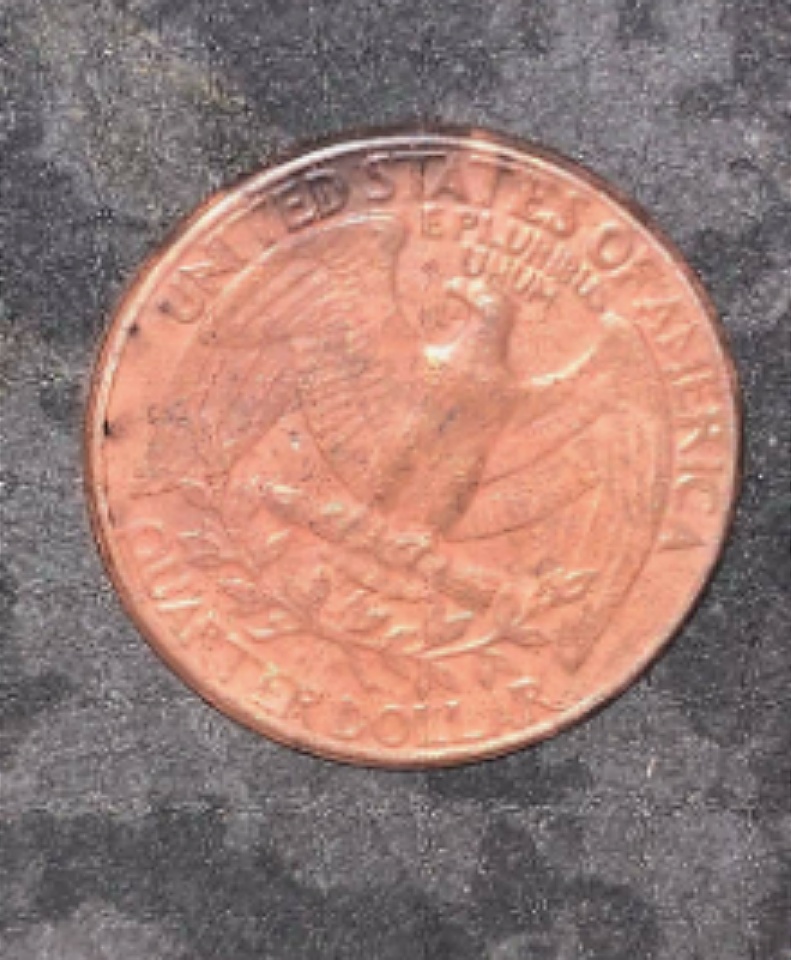
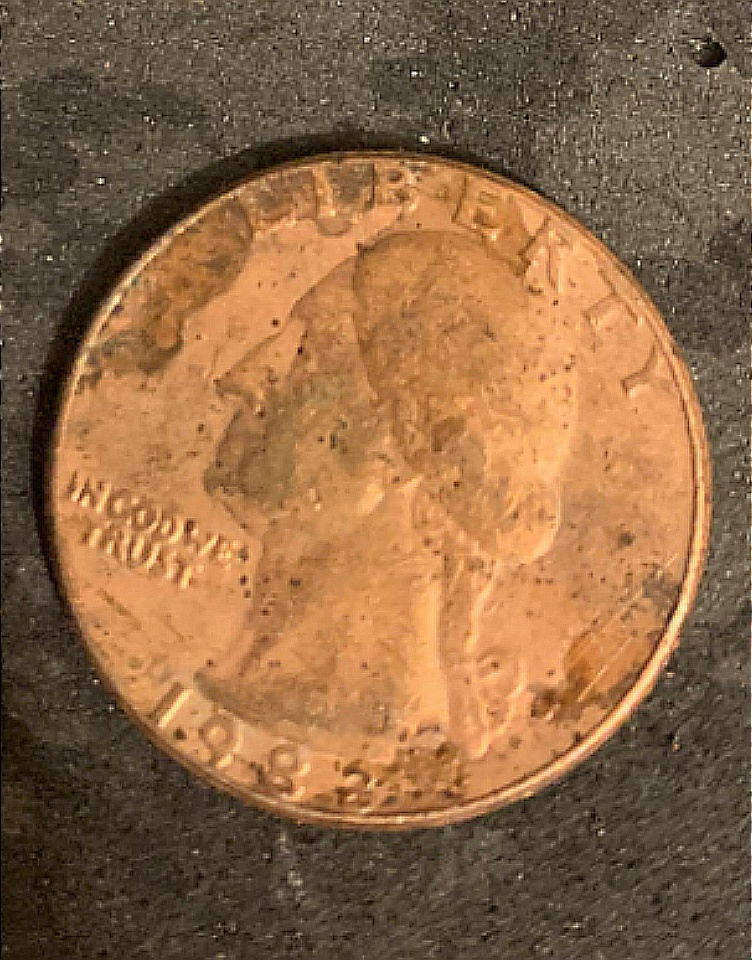
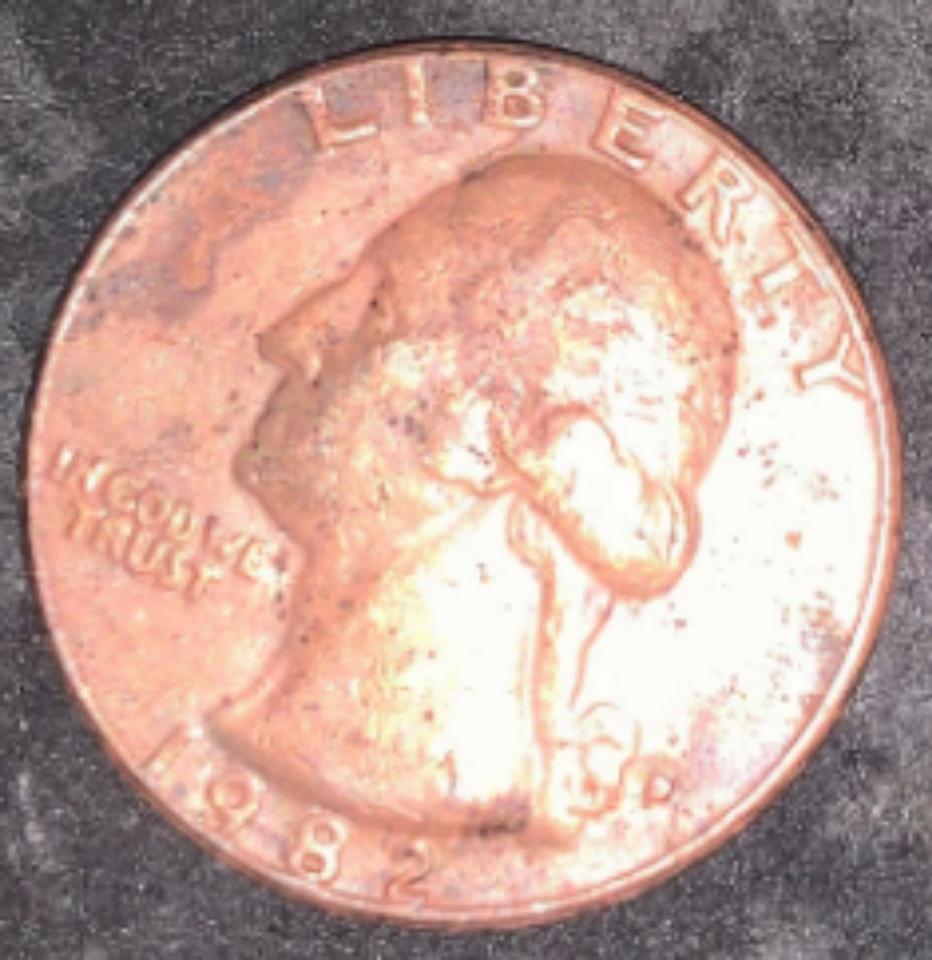
Thanks ,my photography skills are that of a 2yr. Old. It is the same copper color all around the rim as well. I will weigh it asap..... Do I need a special scale?
|
|
Moderator
 United States
56855 Posts |
 to CCF. Need a good pic of the edge also. The weight might be less even if the clad layers were removed on purpose. Your coin does not have the look of a genuine missing clad layers to me. Check Google images and look at only slabbed ones from PCGS and NGC to see what a real one looks like. John1  |
|
Bedrock of the Community
Canada
21914 Posts |
Looks more like environmental damage to me. If it was missing the cladding, the letters would be thinner than on a normal coin. Also to the CCF |
|
New Member
United States
4 Posts |
I will get weight and better picks soon. Thanks. But more info please. This is a great learning oportunity for me
|
|
Bedrock of the Community
United States
94367 Posts |
I lean toward environmental damage as well. to the CCF! |
|
Moderator
United States
56855 Posts |
Weight might only help a little,read my post. John1 |
|
Bedrock of the Community
United States
62064 Posts |
If it were missing a clad layer the color would be a darker red color. Also as mentioned the weight would be reduced and the strike would be weaker. This is what one of these would look like: Missing one clad: 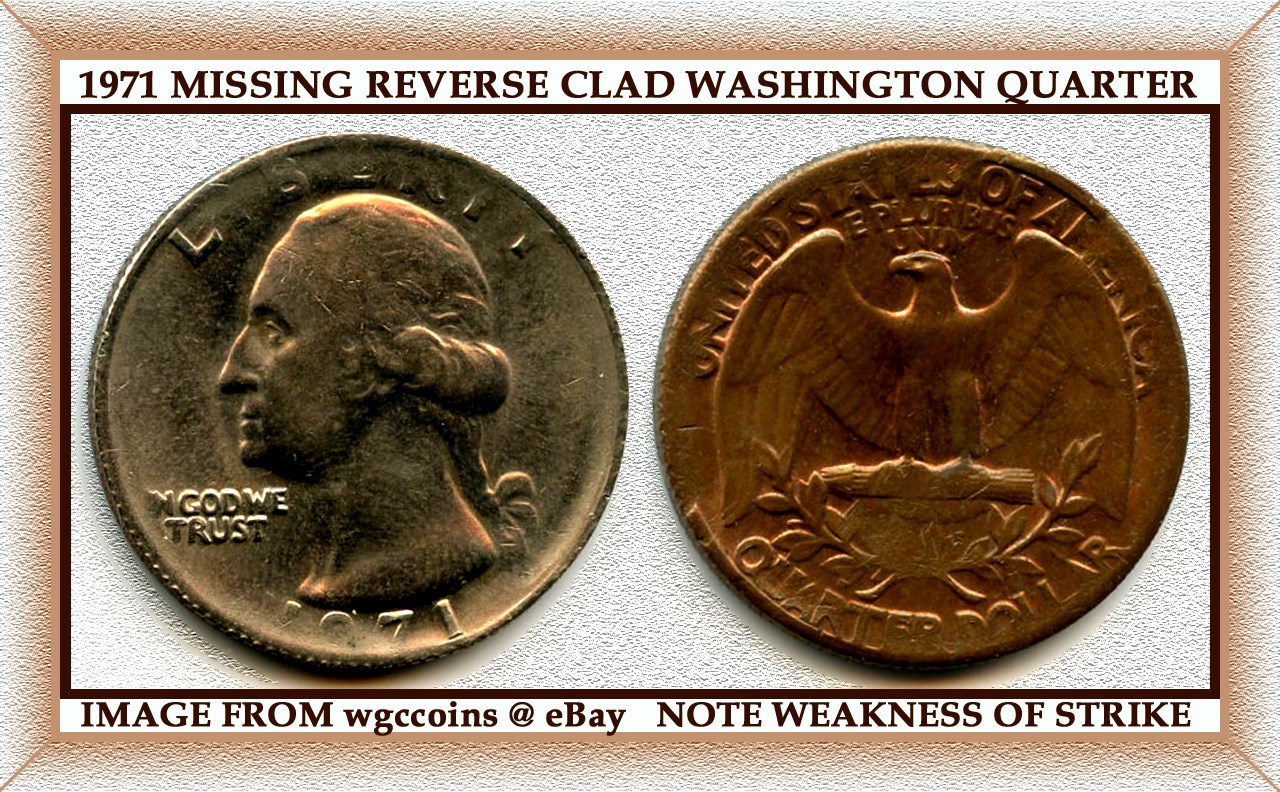 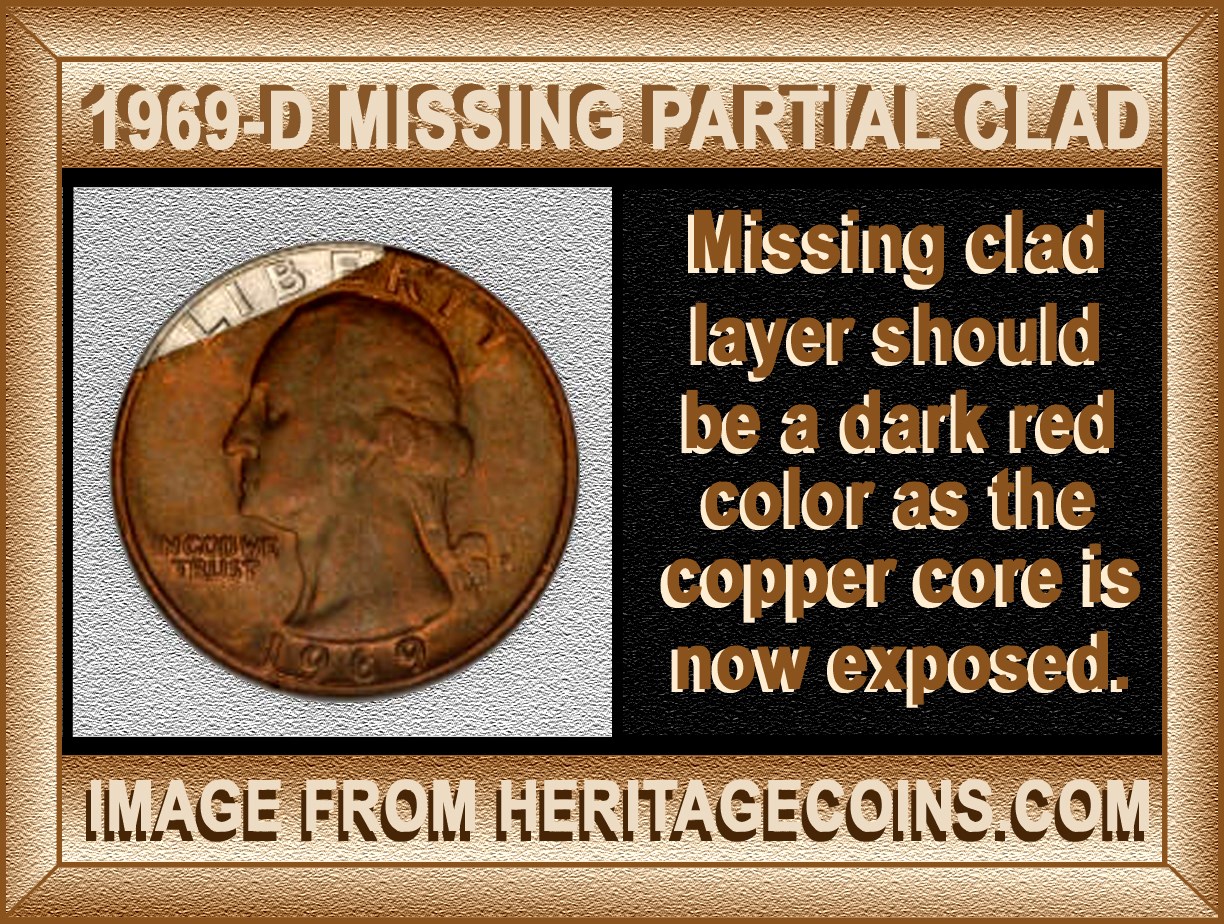 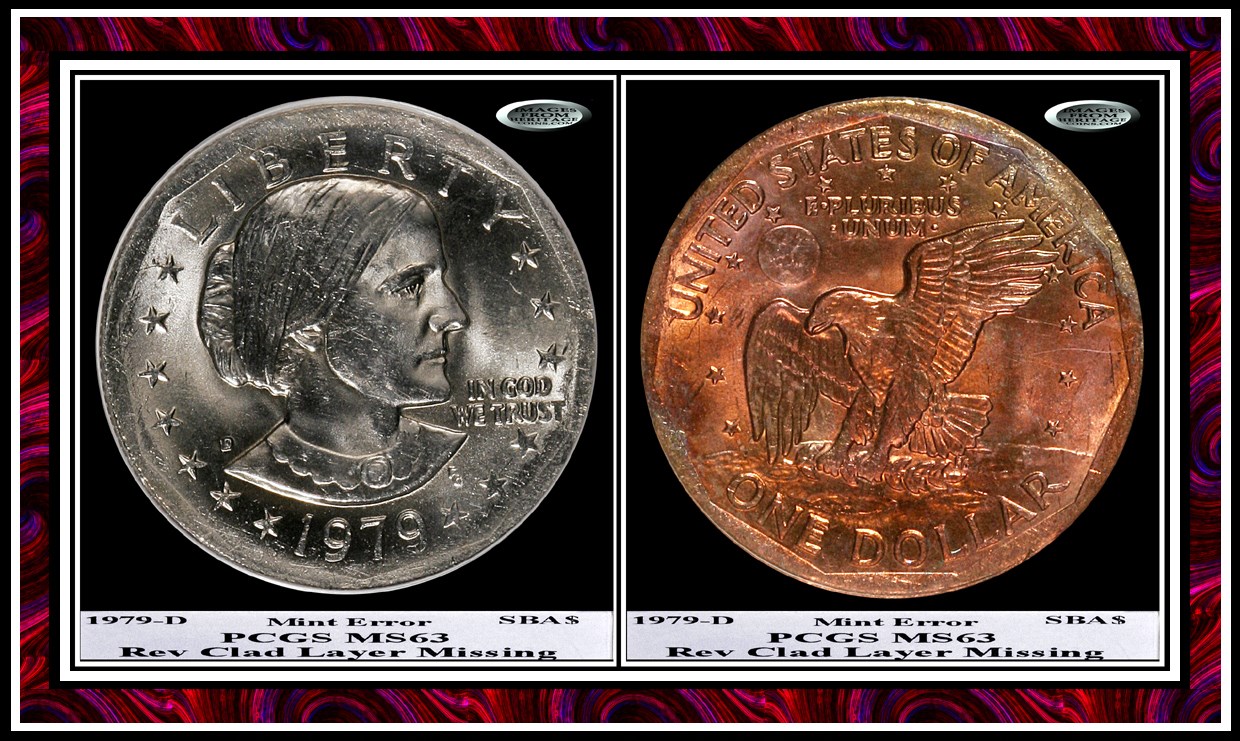 Note weakness of strike? That should be present on your coin. A lot of these coins are metal detector finds: 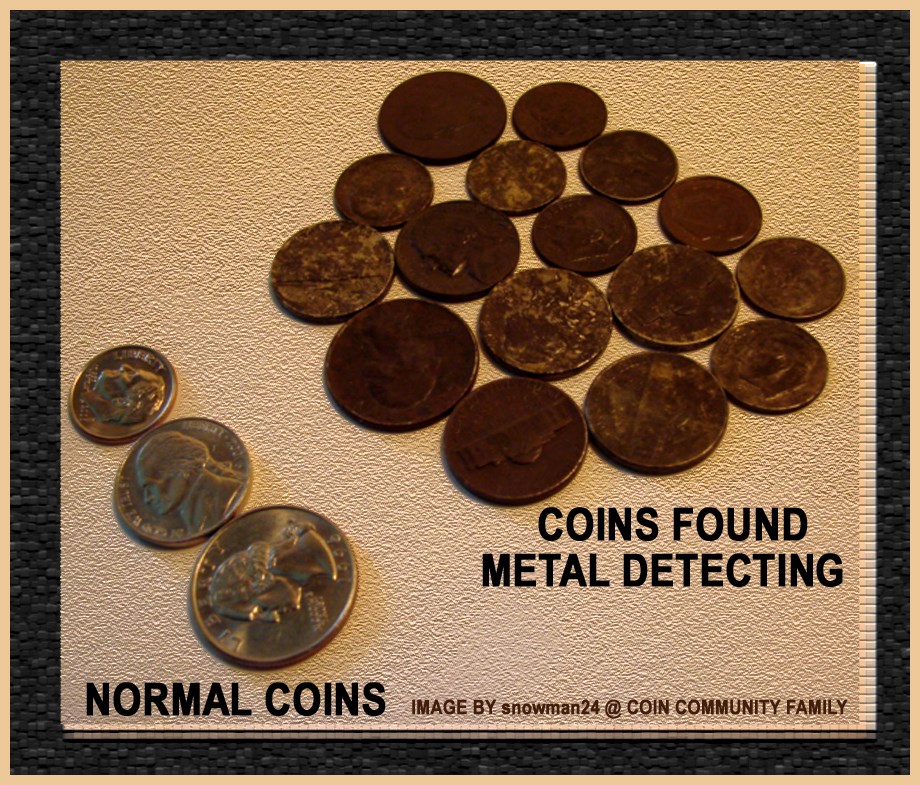 They are normal coins that are that color when found outdoors. In circulation they turn back to silver in time on the higher points. Note on your coin on LIB on Liberty. You can see where the color is starting to come back. So your coin was found outside and in time, the silver color will come back. Now it is still covered. Keep in your change in your pocket and take a look at if in a week or two and you will see the change in color. Then you will know for sure that is what it is. (or take a cloth and rub on that area for a short time and you will see the silver color to re-appear. Edited by coop
04/23/2019 11:09 am
|
|
Bedrock of the Community
United States
79456 Posts |
Just Post Strike Damage ( PSD). Errers and Varietys.
|
|
Bedrock of the Community
United States
17884 Posts |
Quote:
The weight might be less even if the clad layers were removed on purpose. Quote:
Weight might only help a little,read my post.
John1 But if the clad layers were removed on purpose, post strike, the surfaces would be much less smooth and the details much less distinct. This image shows a dime with part of the clad layer missing post strike. Look at the surfaces and sharpness of the details/lettering. (it isn't easy finding a image of post strike missing clad layers. almost all of them are with the layer missing pre-strike)  Edited by Conder101
04/23/2019 2:24 pm
|
|
Moderator
United States
56855 Posts |
So are you saying the op coin is a genuine missing clad layers? John1 |
| |
Replies: 12 / Views: 4,654 |
|










 Posted 04/23/2019 06:15 am


