







 First Page




 Posted 07/19/2019 01:32 am


Here's a bit more on the PCGS 91 code (questionable color)and 92 code (cleaning) distinction.
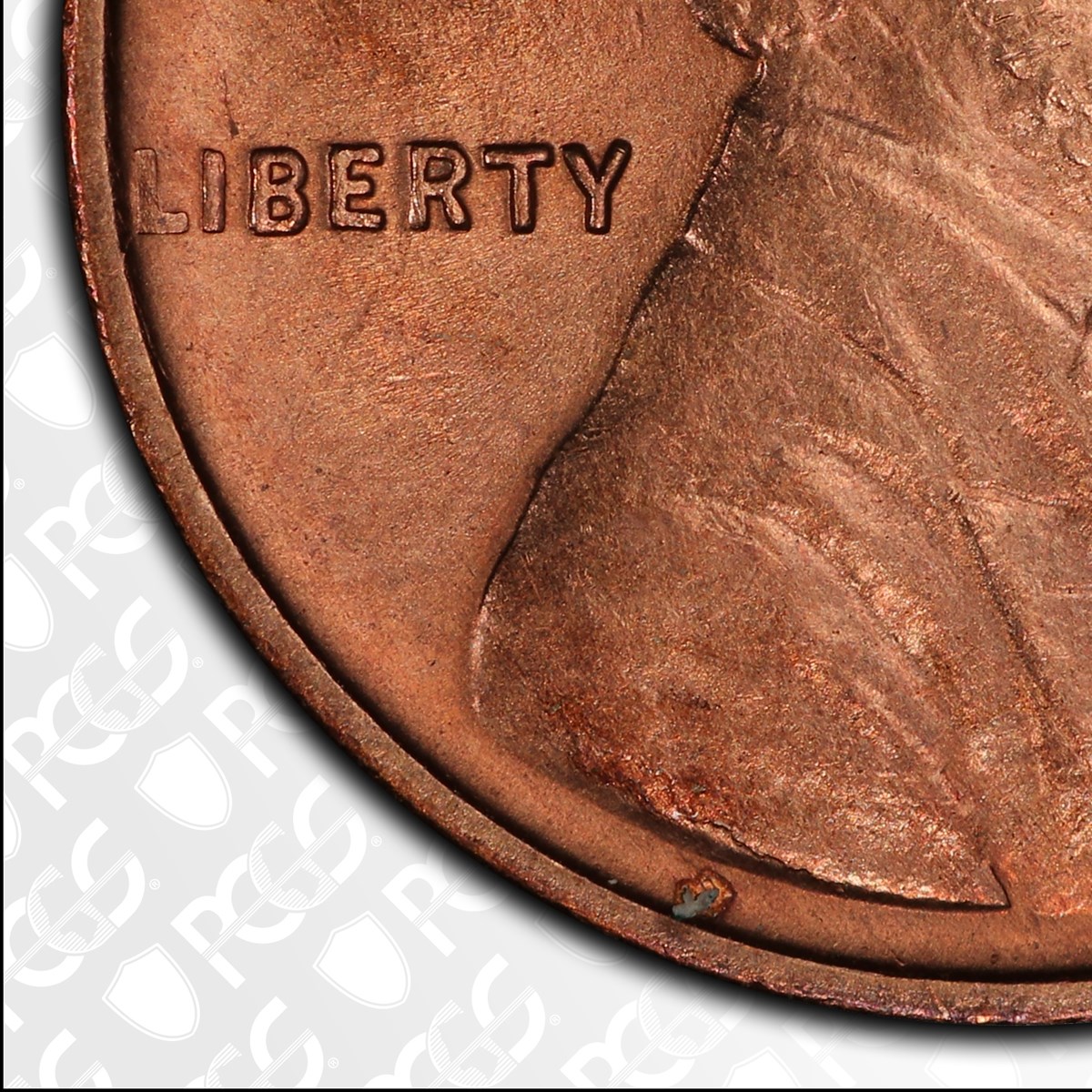
In this situation, it ordinarily would appear that a 91 code should only apply if the coin was reddened artificially. Rather than adding toning, however, that would have been removing toning, which could be cleaning by the PCGS video distinguishing the two unless the toning was removed by dipping.
Here are the PCGS descriptions of a 91 code and a 92 code. The 92 code description, however, clarifies that "'Dipping' (the removal of toning with a chemical bath) is not considered cleaning under this definition."
The resulting PCGS rules apparently are:
 Removing toning by means other than dipping is cleaning [92 code].
Dipping isn't cleaning [92 code definition].
Dipping that results in a color that PCGS doesn't recognize as natural is questionable [91 code], even if it isn't an attempt to create artificial toning.
The only thing I can see for the 91 code here is that PCGS believed the coin was overdipped and that resulted in a color that PCGS thinks is unnatural. Again, if the tone comes from uneven tin content in the alloy, how is that unnatural?
The PCGS video that distinguishes codes 91 and 92 is below. This discussion starts around 3:39 on the video. It describes cleaning as removing existing toning (see the video around 6:15).
In this situation, it ordinarily would appear that a 91 code should only apply if the coin was reddened artificially. Rather than adding toning, however, that would have been removing toning, which could be cleaning by the PCGS video distinguishing the two unless the toning was removed by dipping.
Here are the PCGS descriptions of a 91 code and a 92 code. The 92 code description, however, clarifies that "'Dipping' (the removal of toning with a chemical bath) is not considered cleaning under this definition."
The resulting PCGS rules apparently are:
Removing toning by means other than dipping is cleaning [92 code].Dipping isn't cleaning [92 code definition].Dipping that results in a color that PCGS doesn't recognize as natural is questionable [91 code], even if it isn't an attempt to create artificial toning.The only thing I can see for the 91 code here is that PCGS believed the coin was overdipped and that resulted in a color that PCGS thinks is unnatural. Again, if the tone comes from uneven tin content in the alloy, how is that unnatural?
The PCGS video that distinguishes codes 91 and 92 is below. This discussion starts around 3:39 on the video. It describes cleaning as removing existing toning (see the video around 6:15).
VLE9-DZwMpI


