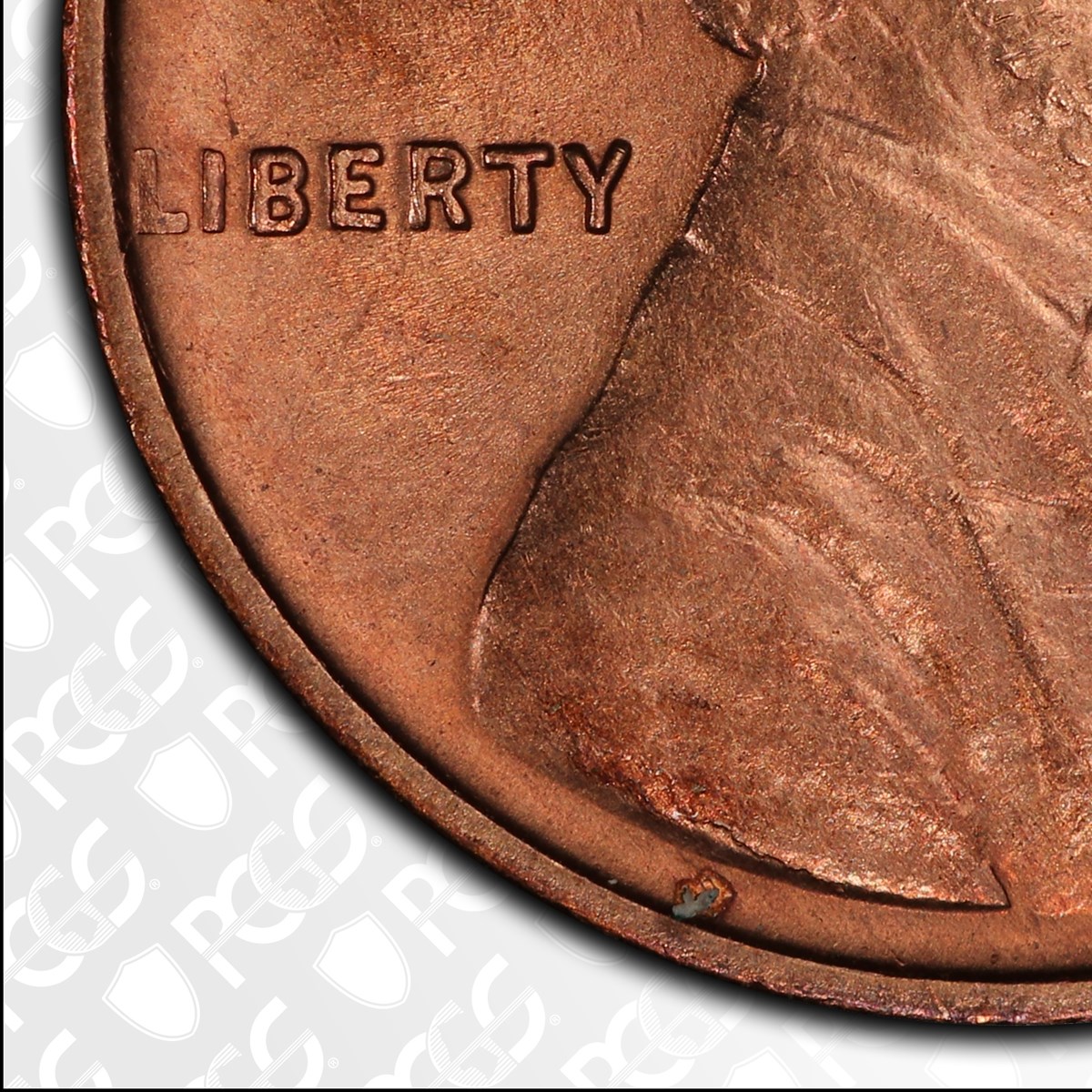
I can post a pic of the coin in the slab in a few days. Just got the results in and the TrueView is up but don't have the coins back. But yes, I see something below the bust that doesn't seem to have been on the coin when I took the pics before sending it in. But how does one arrive at questionable color? My pics show natural luster and the coin has excellent cartwheeling. I'm just not getting what they are seeing to kill such nice coin.
If both of your pics were taken at the same angle and lighting maybe they were questioning the darker color of the obverse compared to the lighter color of the reverse? I don't understand this one either....
Overall the coins luster looks flat or diminished based on the PCGS picture and your pictures.
If it looks like that in person, likely it looks like it was cleaned at some point and some luster stripped and then re-toned some to try and hide the cleaning, and why they call it questionable color and didn't grade it. But what appears to be diminished luster to me seems like the likely reason as to them making this determination. it's not reflecting right for a coin that looks like it's still near red and just starting to go over to brown. hard to tell from a picture and get a feel for how the light reflects, but these pictures make the coin look lifeless and flat in my opinion.
Could be me but PCGS usually takes pretty nice pictures for the trueview and luster usually shows up well if it's present. and my thought on it is based off these pictures, but even if I search PCGS Trueview Lincoln Cent, even the straight graded brown ones don't look as flat as this Trueview does, and they show more luster than your trueview does. I think the color is wrong for the amount of luster that's still present I guess is what I'm trying to say, it should be darker I think.
Again, this is based off pictures and in person might be different, and yeah, I'm not a professional of course, just one person's opinion on why it was details.
I can be wrong, I'm not a professional. The difference in the obverse and reverse color could also simply be different placement under his light when the picture was taken and it's hitting differently. The Trueview doesn't show that much of a difference from obverse to reverse if any at all. Suggests to me instead of "cartwheeling" like it should, the luster is "flooding" or even "dampening" the light like a circulated coin would where the luster has been diminished.
Thank you all for the excellent comments. Still trying to make sense of it but by reading the comments at least I am getting an idea of what might have been going on.
So just for fun I did a composite of a 1946-S IMM-001 I sent in as well. It's full luster, RD, and went MS-64. I see little difference between the light highlights on this coin and the 1911-D, although yes the 11-D is a bit lesser since it isn't full red but toned to just brown. In hand it's still quite bright, but not enough for a RD listing.
And of note, the 11-D got "questionable color" not "improper cleaning" and still I see nothing wrong with the color of the coin.
It is what it is, but puzzling about what to do with it now.
@tropicalbats, Great coin! First, apart from the RPM, that's a whale of a strike for a 1911-D.
Second, the only thing I can see that may have caused the graders to wonder is the discoloration behind Lincoln's head. They may have assumed that it was the residue of the original color and that the coin had been dipped improperly in the past and re-toned.
I just don't see it. There was a lot of tolerance in the alloy for the early Lincolns, and this accounts for the yellow-gold to orange-red to dark red appearance of BU examples. Your coin looks to be within the range of acceptable natural coloration. A quick glance at auction catalogs for the 1909-1914 Lincolns shows a remarkable range of descriptions of color of BU/Gem BU cents. Photos are hard to work with for color, because of differences in cameras, digital rendering, lighting, and monitors. I agree with the upthread comments that the coin looks flat, but add that variances in tin content in particular can mute coloration. For a more modern example of this effect, consider the color variations in BU shellcase cents.
JMHO. Again, it's a fantastic strike for a 1911-D.
Here is a closer view of this coin: On the reverse it looks like something was applied to the surface of the coin to bring out more red. Thus the darker color on certain areas of the coin. But still a nice coin, but was probably lowered in price because of the alteration of the color. It probably would have been worth more before it was altered.
Here's a bit more on the PCGS 91 code (questionable color)and 92 code (cleaning) distinction.
In this situation, it ordinarily would appear that a 91 code should only apply if the coin was reddened artificially. Rather than adding toning, however, that would have been removing toning, which could be cleaning by the PCGS video distinguishing the two unless the toning was removed by dipping.
Here are the PCGS descriptions of a 91 code and a 92 code. The 92 code description, however, clarifies that "'Dipping' (the removal of toning with a chemical bath) is not considered cleaning under this definition."
The resulting PCGS rules apparently are: Removing toning by means other than dipping is cleaning [92 code]. Dipping isn't cleaning [92 code definition]. Dipping that results in a color that PCGS doesn't recognize as natural is questionable [91 code], even if it isn't an attempt to create artificial toning.
The only thing I can see for the 91 code here is that PCGS believed the coin was overdipped and that resulted in a color that PCGS thinks is unnatural. Again, if the tone comes from uneven tin content in the alloy, how is that unnatural?
The PCGS video that distinguishes codes 91 and 92 is below. This discussion starts around 3:39 on the video. It describes cleaning as removing existing toning (see the video around 6:15).
Disclaimer: While a tremendous amount of effort goes into ensuring the accuracy of the information contained in this site, Coin Community assumes no liability for errors. Copyright 2005 - 2026 Coin Community Family- all rights reserved worldwide. Use of any images or content on this website without prior written permission of Coin Community or the original lender is strictly prohibited. Contact Us | Advertise Here | Privacy Policy / Terms of Use








 First Page


 Posted 07/17/2019 11:41 am




 Removing toning by means other than dipping is cleaning [92 code].


