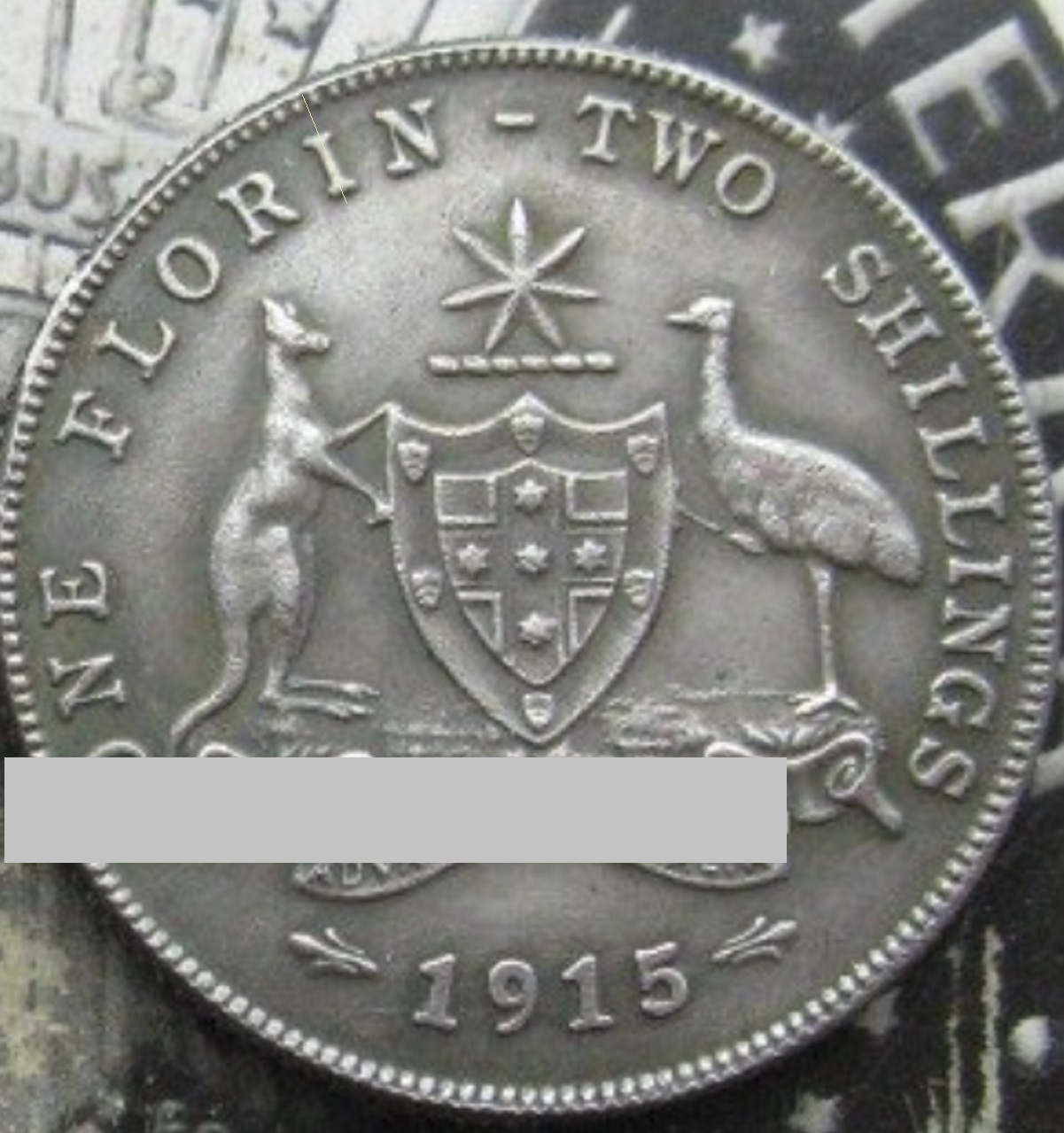
Continuing my masterclass series on spotting premium grade counterfeit Australian coins:
Imagery taken by Nikon bridge zoom in macro mode.
Axially inverted tripod under natural light.
Shadowing doesn't help, but it's the best quality I could do on a cloudy day.

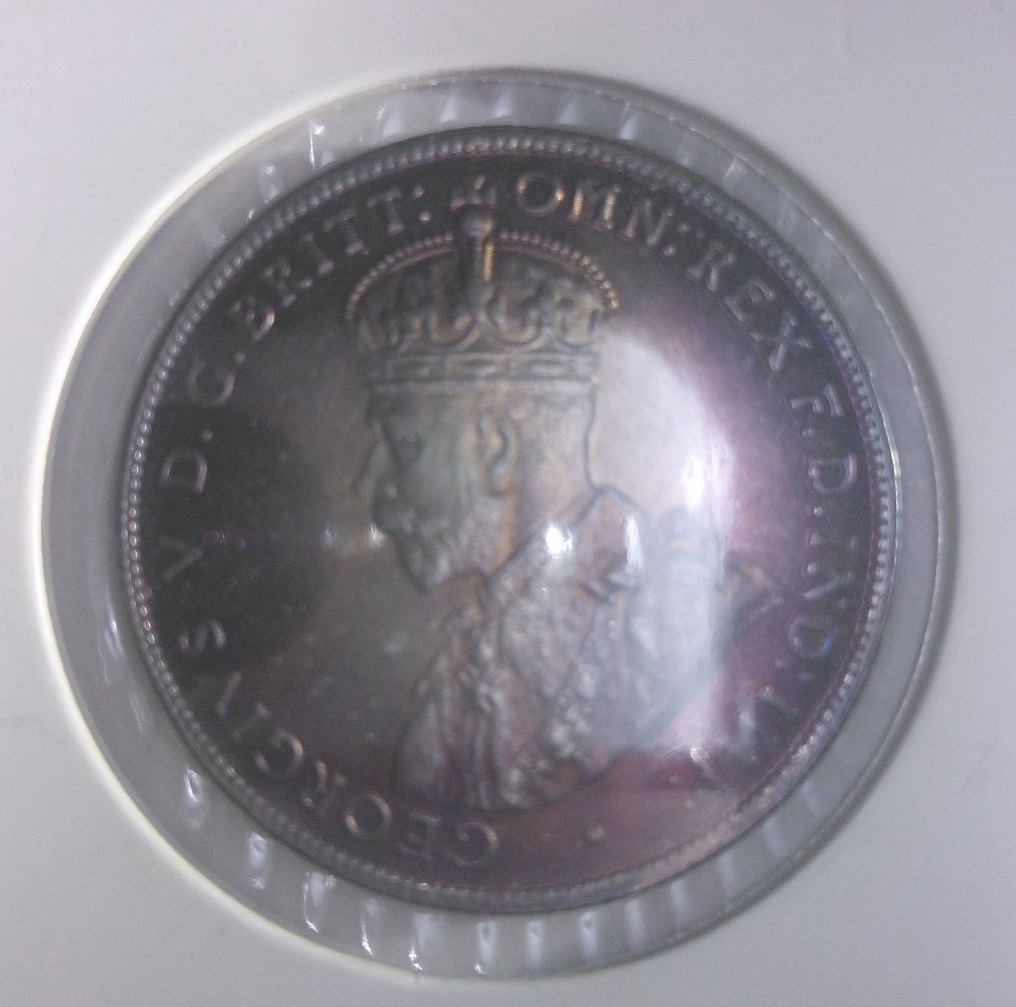
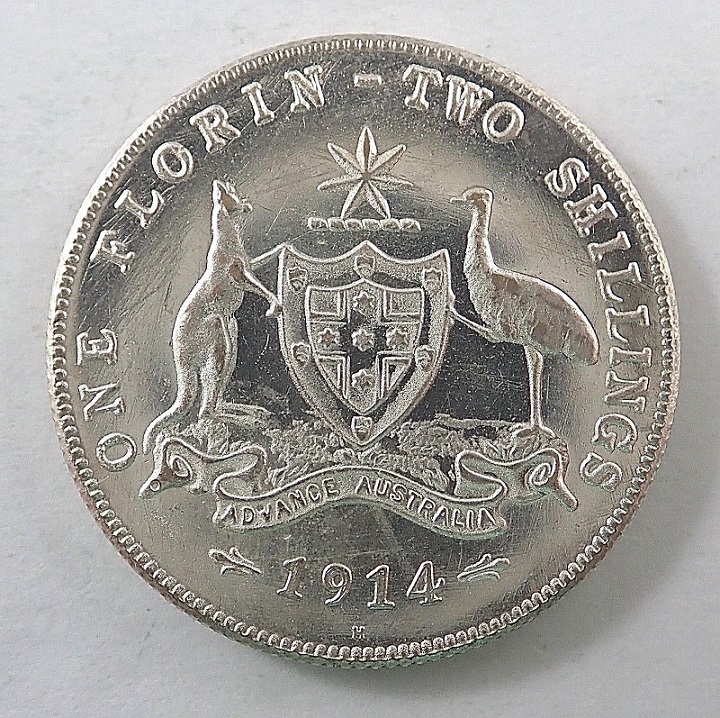
Benchmark MS66 - finest known

What is right - almost everything
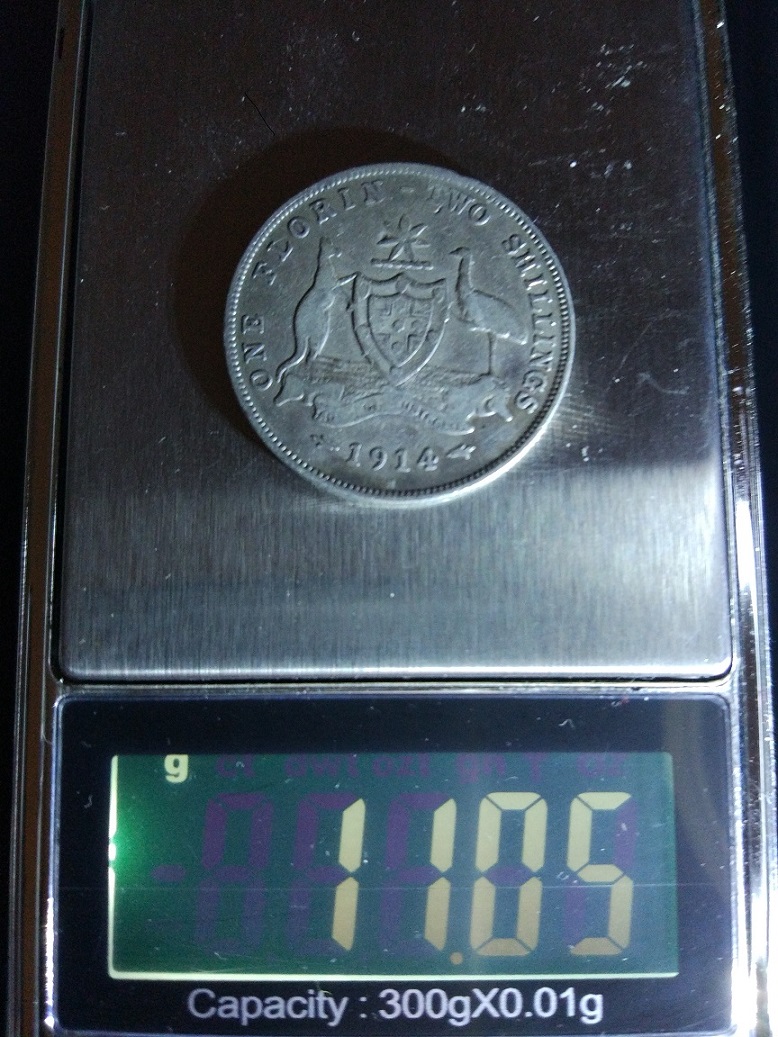
What is wrong ->

That doesn't look right.
I'm no expert on Emu legs, most of my experience is with chicken legs -
however I think as a general rule - legs should be attached to the body.
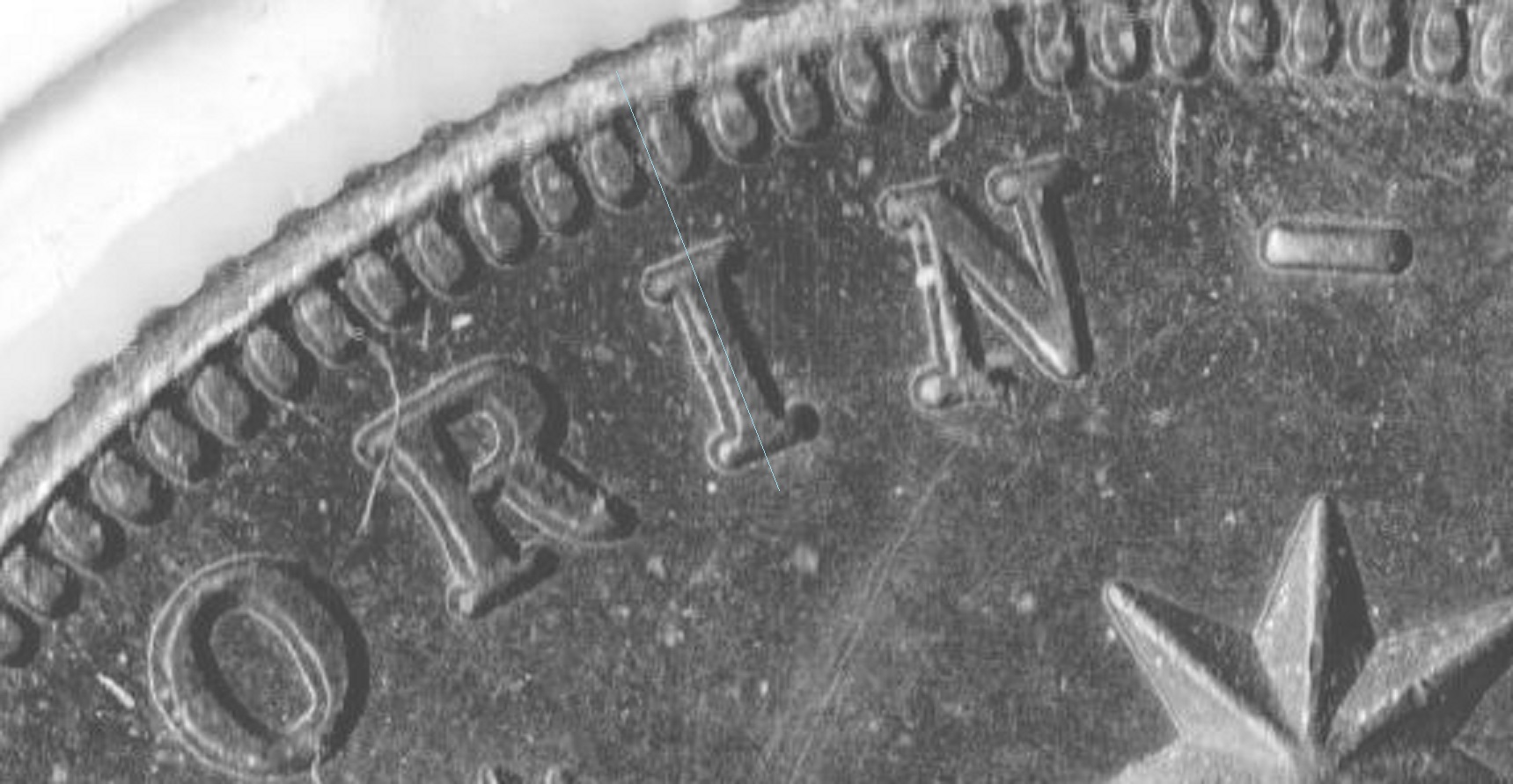
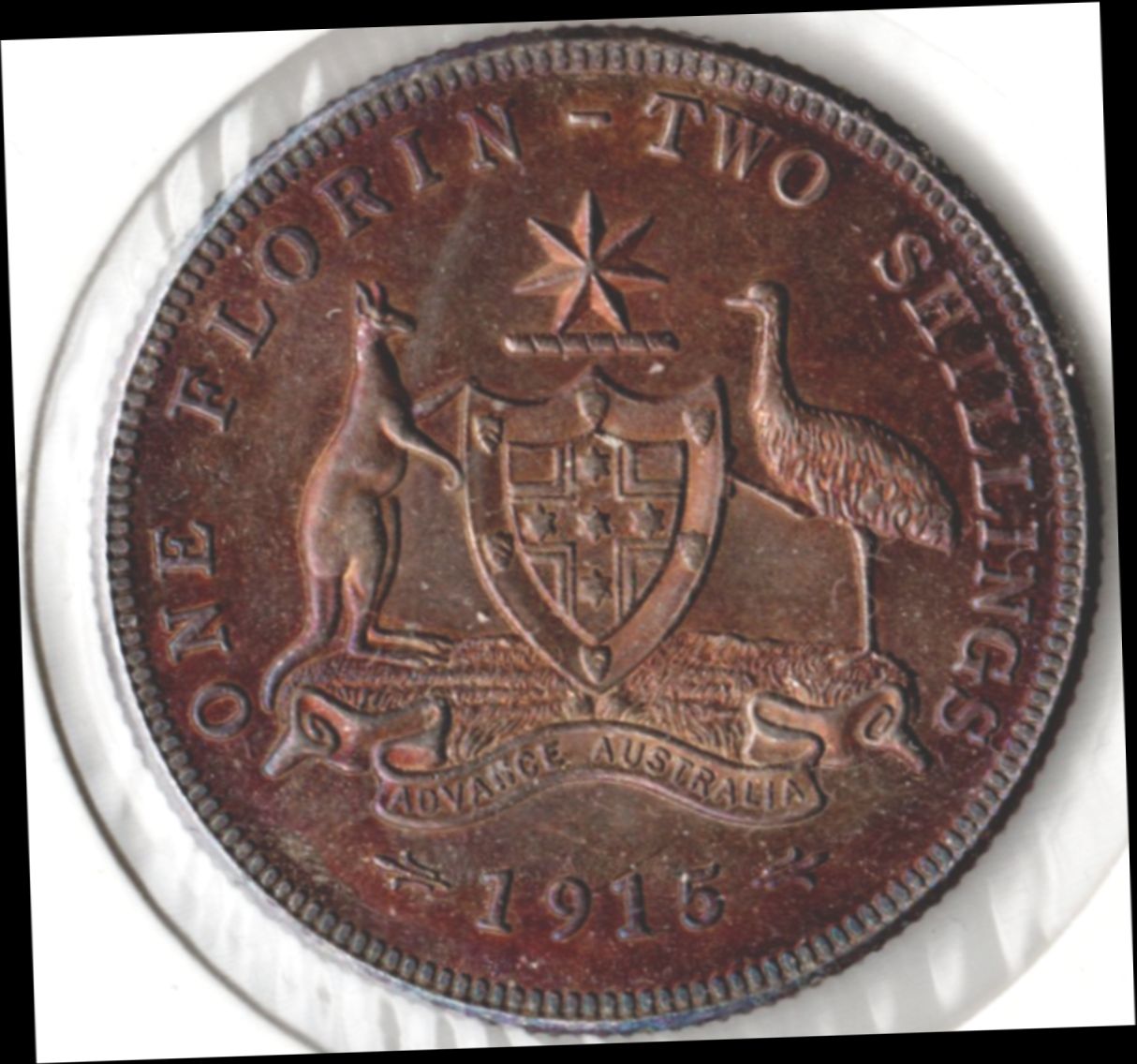
At this point, I decided to take a few of my own 1915L florins to the electronics lab -
and chuck em under the microscope:


Okay, at this point basically I have no idea whatsoever is going on.
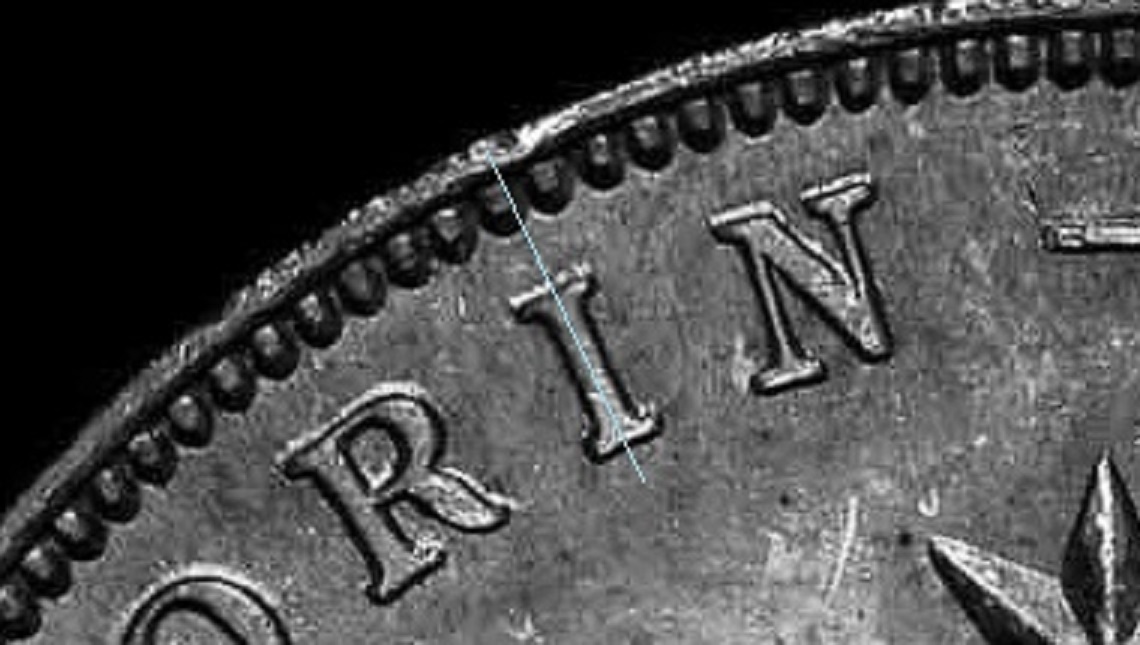
[Those two images are genuine high grade PCGS examples 55/58]
Time to look at another one - not mine this time..58

and MS63:

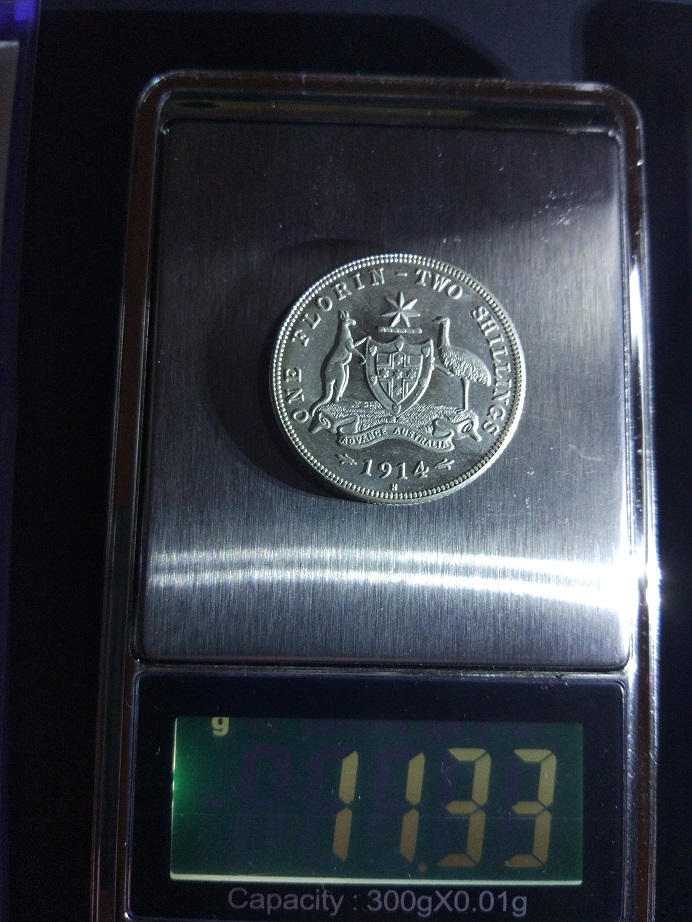
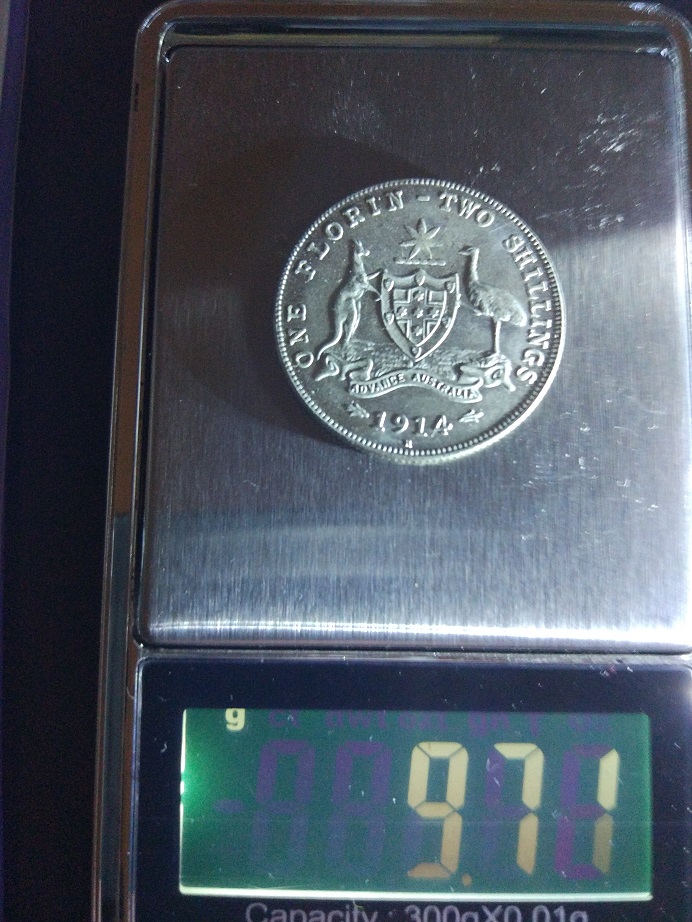
Both Emu's legs are definitely attached to their body.
What I'm seeing here is that on elite grade examples there is a clear metallic flow into the Emu -
but not as evident on some lower graded coins.
The circled area above has a shadow at the exact point I want to examine and is inconclusive.
I cannot visually delineate the boundary on that with any real confidence.
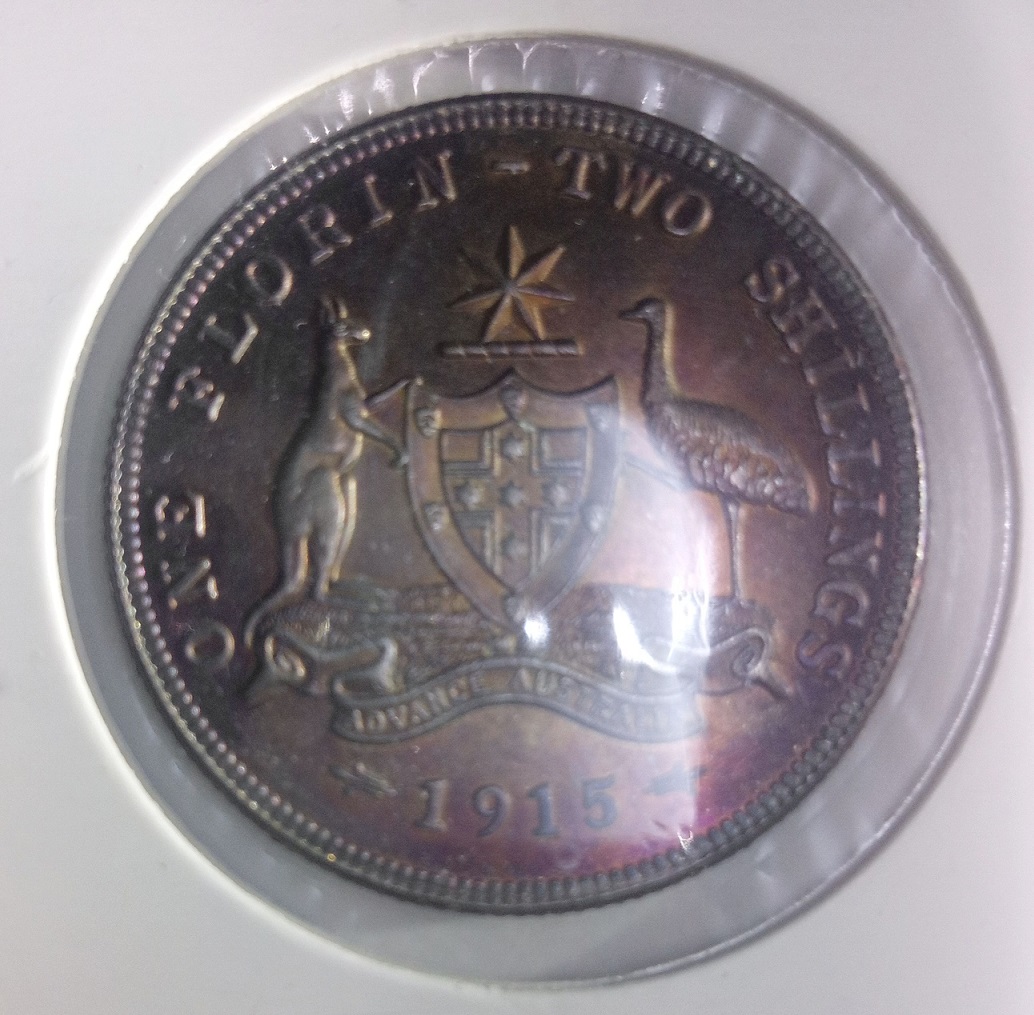
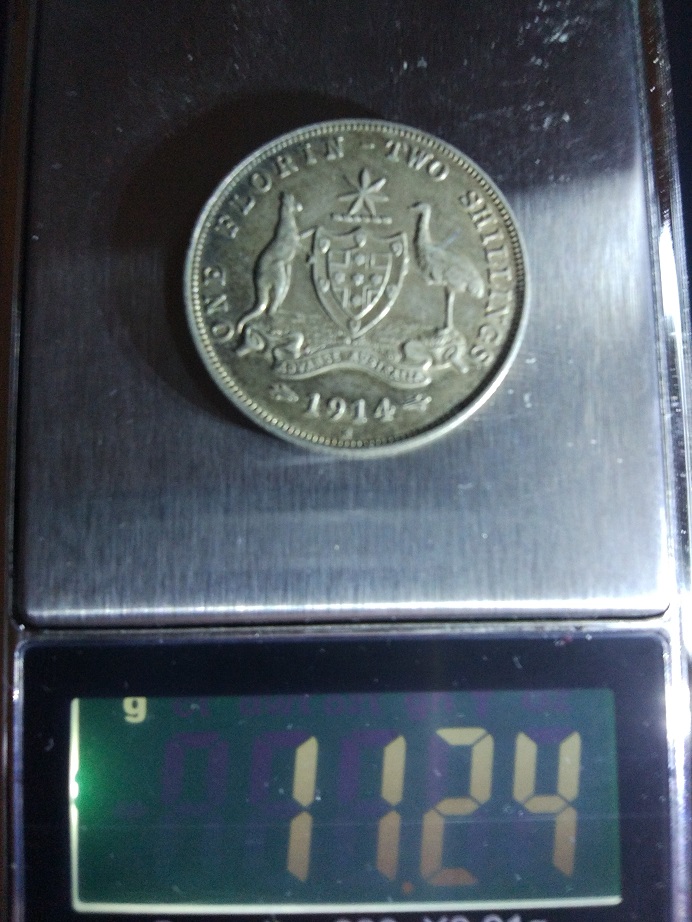
The date, star, shield, COA, scroll, grass, and surface look okay, it pings well and weight is 11.31 grams which is correct.
Further testing is needed:
What do you think?conclusion to follow...









 Posted 07/20/2019 02:31 am


 .
.