| Author |
 Replies: 9 / Views: 1,058 Replies: 9 / Views: 1,058 |
|
|
Pillar of the Community
United States
609 Posts |
Edited by wrongalot
09/23/2008 12:46 pm
|
|
|
|
Bedrock of the Community
United States
62064 Posts |
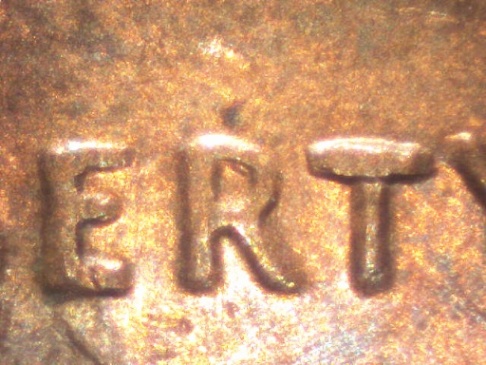
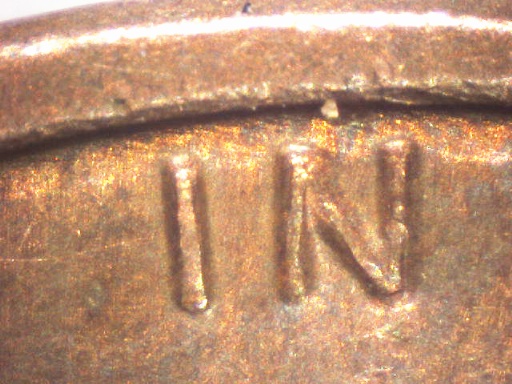
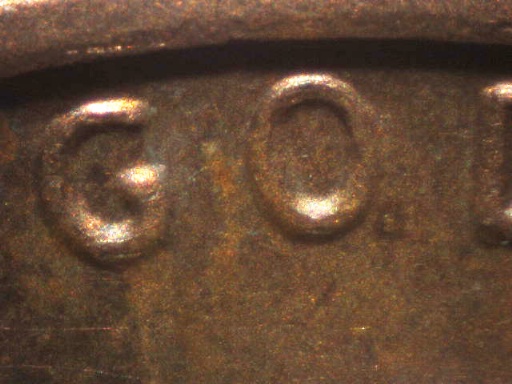
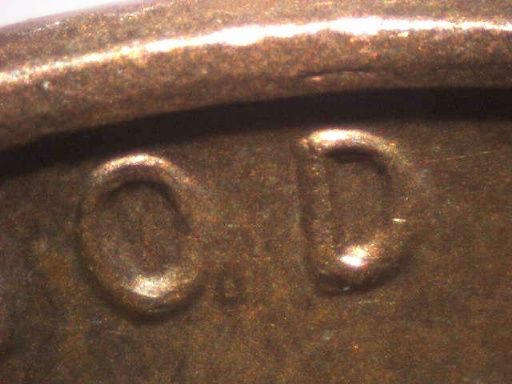
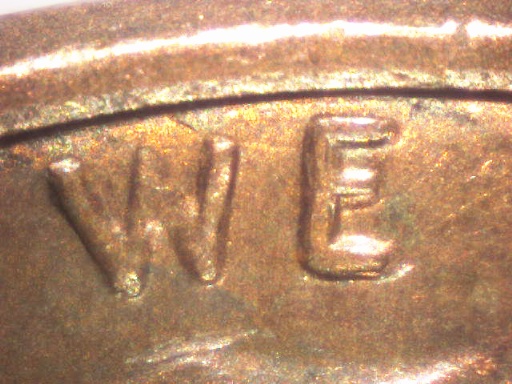
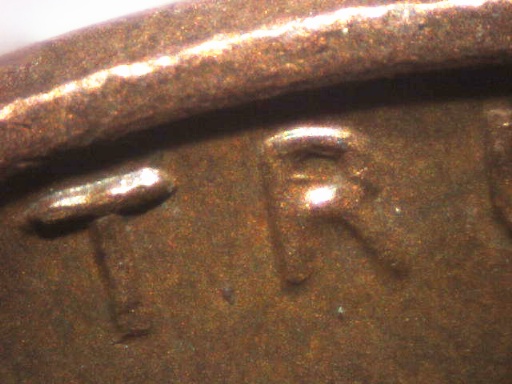
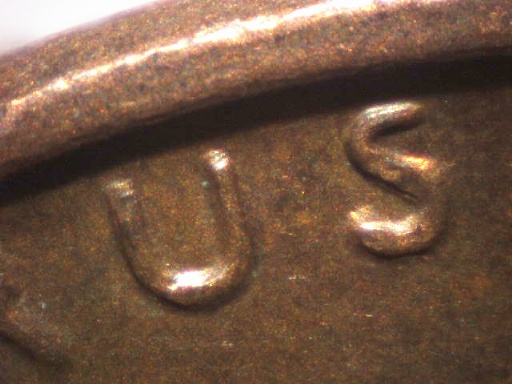
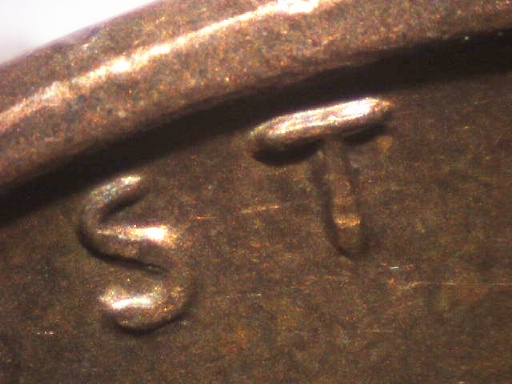
Wrongalot: The reason you don't find this coin listed is that a large number of die from all three mints have this type of doubling. It is called master doubling from the master die being doubled. Always looks interesting, but with the high number of them, there is no extra premium for them. The P mint ones at one time were listed as die #5, but have been removed because of the high numbers of them.
|
|
Pillar of the Community
United States
7629 Posts |
Correction - the P, D, S, and proof were ALL listed together as MD-5-O-I+II at one time. CONECA has since relisted it as its own identification in a listing of master die doubling. Their die #5 has been reassigned to a true doubled die.
|
|
Pillar of the Community
 United States
609 Posts |
Coppercoins, in reference to the 2 in date, is this caused by worn die? or true doubling? And is this a doubled die or not? Is this a #5? At first because of the 2, I thought a triple die, but because the 2 is the only one, I figured it could not be a triple? I am just trying to learn. 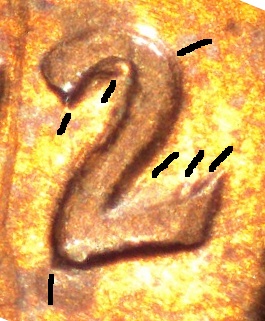 Edited by wrongalot
09/23/2008 12:26 pm
|
|
Bedrock of the Community
United States
12437 Posts |
The master die doubling is best seen on the 2 of the date as you point out. That is true doubling and not die wear, but not the hub doubling that creates the valuable doubled dies. Look at other 1972s and you will find many with the doubling of the date.
|
|
Pillar of the Community
United States
609 Posts |
Ok, I understand that almost all the 1972's show doubling in the 2, but this is the first I have seen the tail with 2 spikes. And I have 10 of this Master Hub Doubling? and probably a dozen of the 3-0-1's. I know they are 3-0-1's because of the slight clash from the building to the left side of the N on ONE on the reverse. But I can't find any markers on this one. Guess will just chock this one up to one of the most common, and a MD-1-0-1-CW+2-C that Coneca lists.
|
|
Pillar of the Community
United States
7629 Posts |
Pretty much exactly what I said in my first post, this is hub doubling, but it is master die hub doubling which is worthless. The doubling occurred at a level where it was reproduced hundreds of times down the pyramid to the working die level, thus hundreds of working dies each minted half a milloin or more coins with this doubling...in other words, close to a billion coins if not more.
What you have is hub doubling, but it is worthless. And yes, it is what used to be referred to as 'die 5 doubling' which is extremely common and not worth anything.
So - to answer your questions:
1. Caused by a worn die? no.
2. True doubling? yes.
3. A doubled die? Yes, but a doubled master die.
4. Is this a #5? Yes, which is what makes it worthless.
5. The thing with the 2 could in part be a part of the doubling, could be in part die damage, just about anything.
|
|
Pillar of the Community
United States
609 Posts |
OK, thanks CC like I said trying to learn. Who knows by the time I am 90years of age, I might be an expert like you.  Or I will just be wrongalot at that age also.  |
|
Pillar of the Community
United States
4541 Posts |
wronalot maybe you should think of changing your name to something else!
|
|
Pillar of the Community
United States
1571 Posts |
Wrongalot, I am near the age you mention, and as your name indicates, I am wrong a lot! Dick |
| |
Replies: 9 / Views: 1,058 |
|










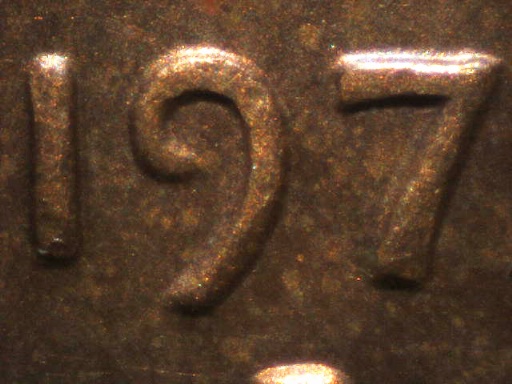
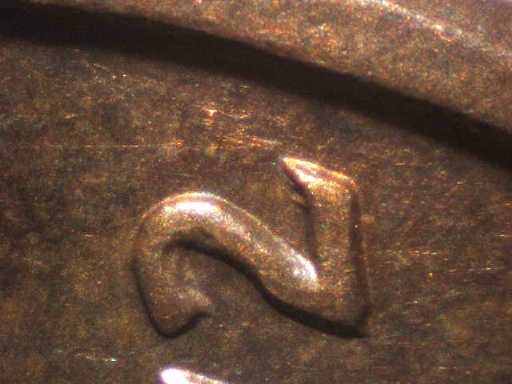
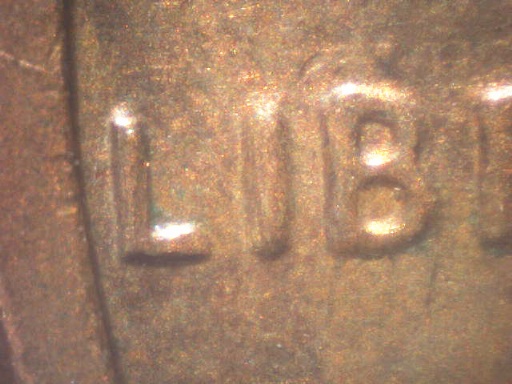



 Posted 09/23/2008 11:53 am


