| Author |
 Replies: 10 / Views: 5,860 Replies: 10 / Views: 5,860 |
|
|
Valued Member
United States
258 Posts |
picked up a set of 10 Spanish coins from a flea market they had no paper work with them I was told the collector just passed away recently so I took a chance on them and bought them one looks like an Atocha Coin 1622 Bolivia 8 Reales probably 42 mm the rest are smaller coins 2 of them just look like pieces of coins not sure on these let me know what you guys think or if there are any experts on that can help identify them 1.(27.9g) 42mm 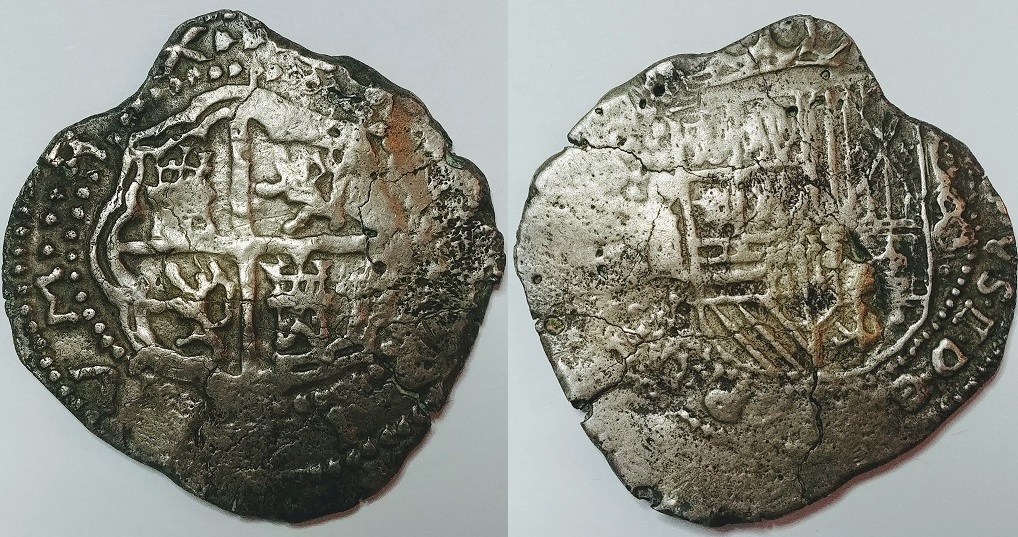 2.about the size of US quarter weird shape 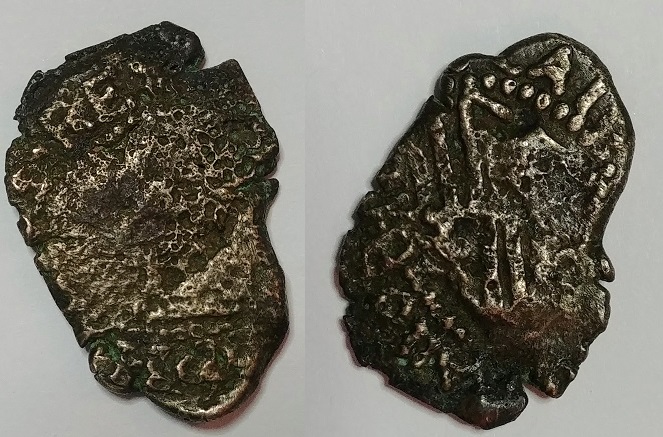 3.quarter size 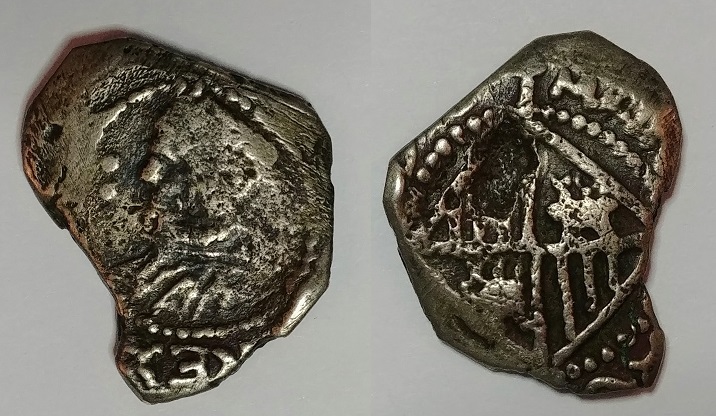 4.quarter size but very thin coin 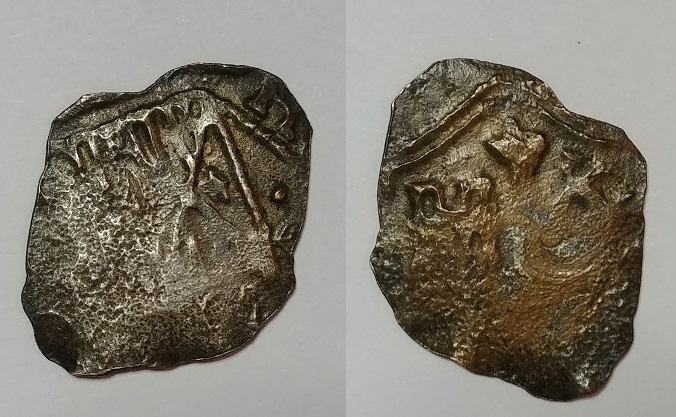 5.size of US cent but thin coin 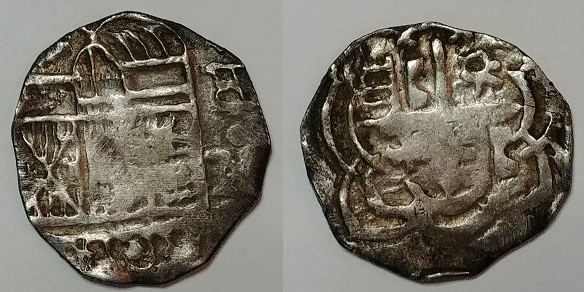 6.about the size of us dime but thicker 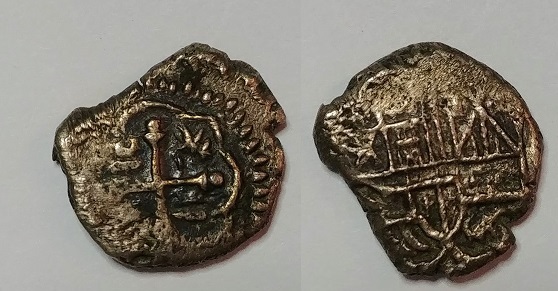 7.us dime size 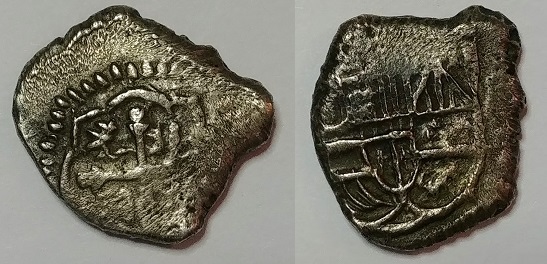 8.us dime size cut shape 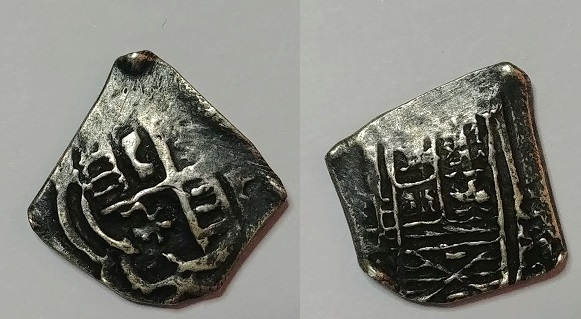 9. looks like a broke off piece of a 8 real 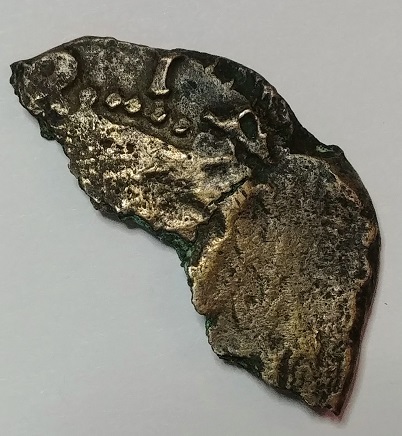 10. length of us quarter but looks like a broken piece 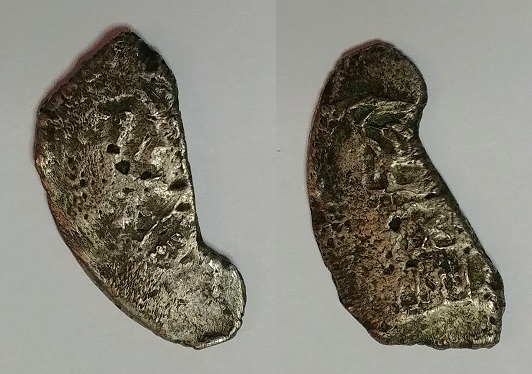 maybe should have posted these 1 at a time but they all came from the same collection so I figured it might be better to post them together |
|
|
|
Pillar of the Community
 United States
8056 Posts |
|
|
Pillar of the Community
United States
1962 Posts |
In fact, every single piece is NOT genuine. Most are imitations of Spanish Colonial or peninsular Spain cob types (or mashups of both)... piece #3, I think, wants to be imitative of a regional Spain issue (Valencia?)... which is curious.
Now, the question: are these a one-time collector's weekend metalworking garage projects... or someone's grouping of contemporary counterfeits, presumably accrued alongside a collection of legit pieces, which somehow got cast off (maybe the collector just saw them as "old fakes").
As has been noted on here before... it can be a bit challenging with cobs to distinguish contemporary counterfeits from crude garage projects. My initial thought is that these are garage projects - similar stylistic features but on disparate types.
What other types of coins were at the sale?
Edited by realeswatcher
10/23/2019 11:47 pm
|
|
Valued Member
 United States
258 Posts |
yes the guy has lots of other coins have known him for years he deals in US coins just like I do he bought this from a widow there was no other Spanish coins my guess is the widow sold my friend the copies kept the good ones and I bought them from him but here is the thing you just tell me they are all crappy copies I dont know a thing about spanish coins are there any examples of these coins that I can see to compare mine too or do I just take your word of yep they are all fake thats like me going to someone that brings me a 1893 s morgan and I say yep its fake no explanation nothing |
|
Pillar of the Community
United States
1962 Posts |
"yes hello I know nothing about what I'm looking at but I dont believe short answers because that answer dont sound good and everyones a schemer but I dont want to do any of my own homework please teach me everything from scratch..." For anyone with the slightest familiarity with various iterations of cob coinage, it's immediately obvious that the design elements on all of these pieces are generally cartoonish compared to regal (aka genuine) designs... and more simply do not match any styles from any given mint/period. As I said, could be contemporary counterfeits, could be modern imitative copies... leaning towards the latter. They are simply NOT genuine regal emissions. Quote:
are there any examples of these coins that I can see to compare Feel free to Google images of Mexico cob coinage, Potosi shield cobs, Seville cobs, Toledo cobs, etc... but understand that it's not ANYTHING like a genuine vs. fake 1893-S Morgan... there are HUNDREDS of varieties of cob coinage over 200+ years! Edited by realeswatcher
10/24/2019 5:42 pm
|
|
Pillar of the Community
United States
8056 Posts |
Quote:
are there any examples of these coins that I can see to compare mine too The link in my earlier post has dozens of examples of Bolivia 8 reales for comparison. |
|
Valued Member
Philippines
65 Posts |
I have also purchased a sea salvaged coin yesterday from a silver dealer. The weight is 22.6g. The mintmark and assayer are not alligned. What do you think about it? Thank you! 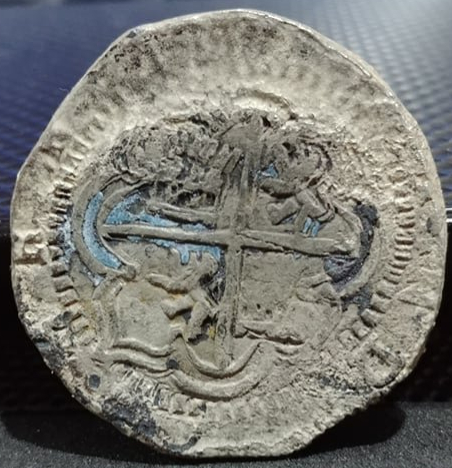 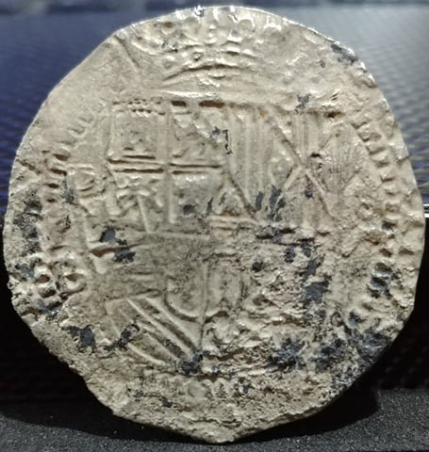 |
|
Valued Member
United States
258 Posts |
Wow realeswatcher you got me to the T I'm lazy dont want to study coins and learn thats exactly it you got me thats why I was asking for examples to compare to I see the 8 real looks awful but not sure where to go or what to compare the other smaller pieces too I never said you were wrong I agree that they are copy coins I just wanted something to compare to so I can learn them so it doesn't happen to me again but I guess that makes me a lazy know nothing kid thank you for the help hope it makes you feel good to put me down because I dont know about these coins that I'm sure you have studied your entire life
|
|
Pillar of the Community
United States
1962 Posts |
So, call me a cornholio, but I'm never super inclined to get to great lengths to educate when someone is obviously a flipper/dealer and really just wants their homework done for them.
I DON'T, however, just talk out my butt... be assured that what I told you is dead on. Also, tdziemia gave you all you need to do some quick and dirty comparison (also swap "Mexico", and also Seville, Toledo, Spain, etc. for Bolivia for more types).
Will say this - I do appreciate you posting decent pics of everything, as it IS an interesting group to study.
And for giggles, I'll give a few specific observations:
-- Coins 6 and 7 LOOK to be from the same dies. It would be odd (not impossible, but odd) to come across two CONTEMPORARY (from that time) counterfeits from the same dies in modern times
-- Coin 1 very much speaks to a modern hand with some colector's knowledge of cobs. Note that a good bit of the king's name is clearly struck... this wouldn't typically be something which attention would be paid to for someone making counterfeits back then.
-- The edges on several pieces look filed down in a way that's most typical of modern copies
Edited by realeswatcher
10/25/2019 7:30 pm
|
|
Pillar of the Community
United States
1962 Posts |
abebos:
The misalignment of the mintmark and the assayer are simply due to double-striking.
You have a mid-to-later period assayer B there... weight would seem about right for the amount of seawear. Overall, appears to be genuine.
Less common to see South American-mint pieces out of the Philippines than Mexico mint (which makes sense considering the Acapulco trade route)... but certainly not unheard of.
|
|
Valued Member
Philippines
65 Posts |
realswatcher: Thank you very much! I was weary because of the proliferatiob of Chinese made pillars. Thank you for new knowledge in the cobs here in the philippines. Regards,  Abe |
| |
Replies: 10 / Views: 5,860 |
|










 Posted 10/23/2019 10:50 pm


